Polish far right calls for blocking Ukraine's EU bid over military unit name controversy
 on Google

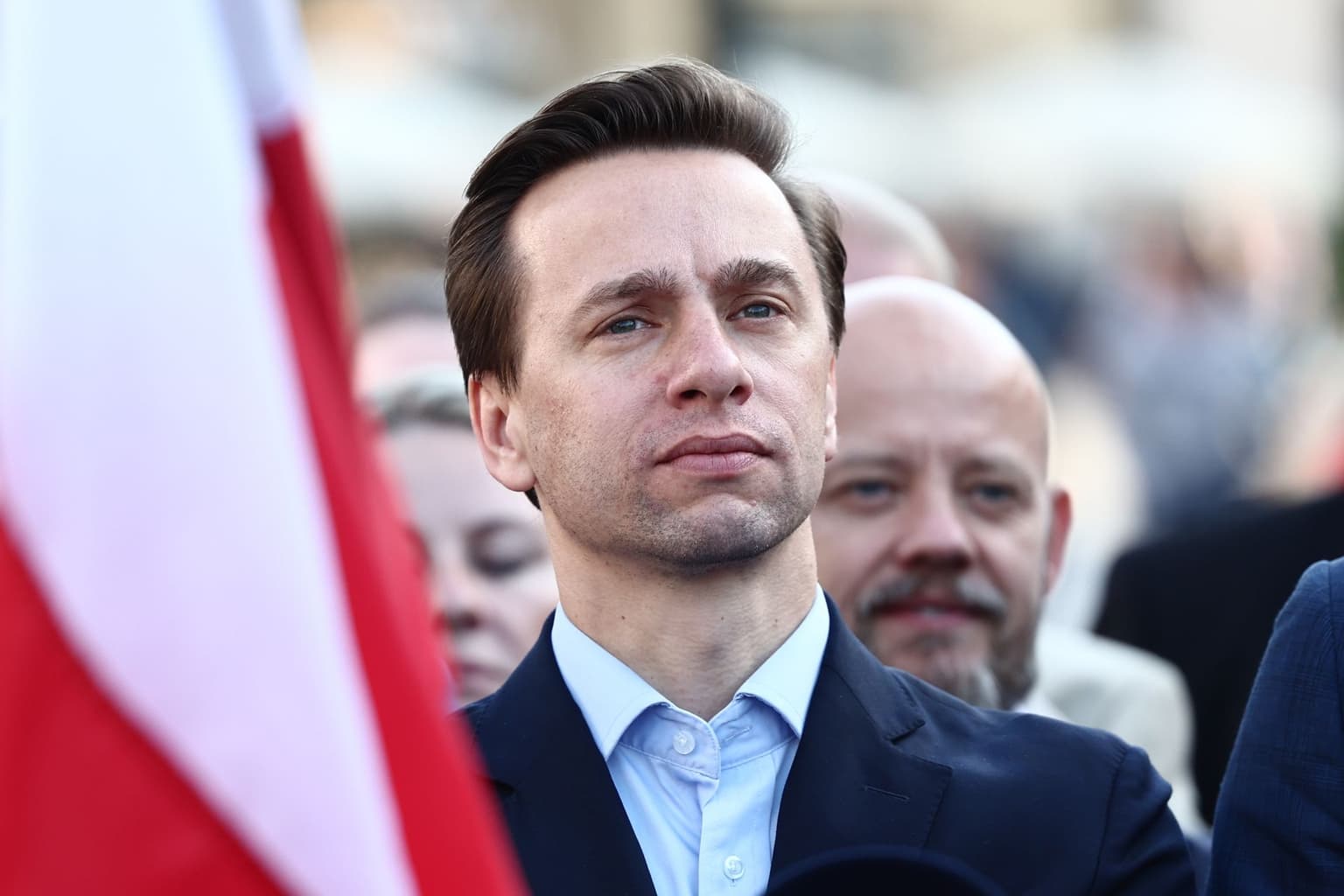
Warsaw should block Ukraine's EU accession efforts and reduce assistance until Kyiv resolves historical disputes with Poland, said top far-right Polish lawmaker Krzysztof Bosak in an interview with RMF24 published on June 2.
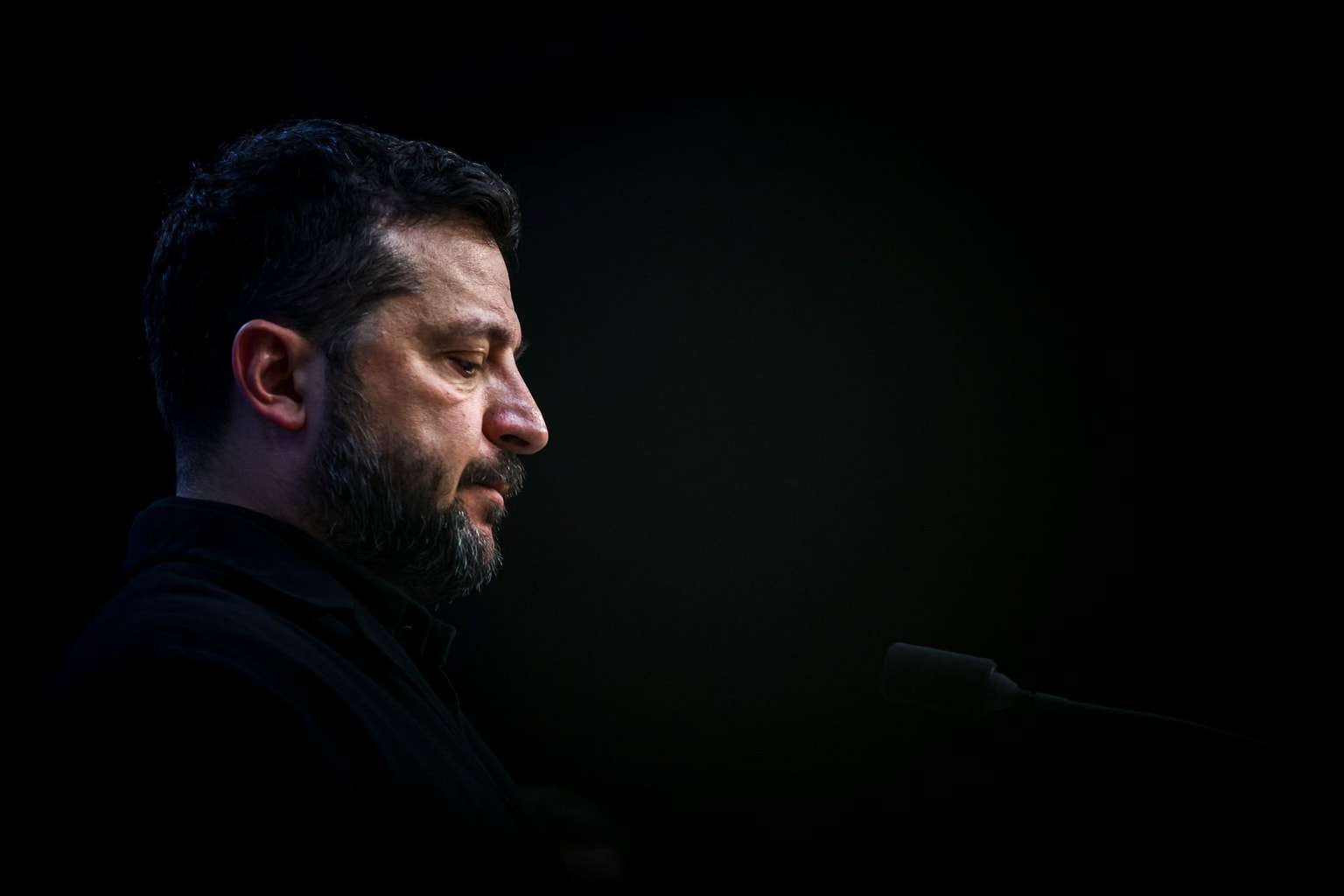
The comments follow President Volodymyr Zelensky's decision to name a military unit after the World War II-era Ukrainian Insurgent Army (UPA), sparking criticism and political backlash in Poland.
Bosak, one of the leaders of the opposition nationalist Confederation party, said that Polish President Karol Nawrocki's proposal to strip Zelensky of Poland's highest state honor would be merely a "symbolic gesture."
"We should announce that Poland will block Ukraine's accession to the EU until they abandon their cult of criminals and fully unblock all exhumations (of the Volyn massacre victims)," Bosak, a deputy speaker of the Polish parliament, said in the interview.
The Volyn (Volhynian) massacres of 1943-1944 took place in the Nazi-occupied territory of what is now western Ukraine during World War II. UPA members killed at least tens of thousands of Poles, while at least thousands of Ukrainians were killed in retaliation.
The Volyn massacre remains one of the most contentious issues in present-day Polish-Ukrainian relations.
In Ukraine, UPA is primarily viewed as an anti-Soviet resistance movement that fought against the Soviet Union during and after World War II. Ukraine's Foreign Ministry stressed that the military title decree "did not intend to offend the friendly Polish people" but symbolized resistance to Moscow's imperial policy.
Bosak further suggested that Warsaw should stop paying for Starlink satellite communications systems used by Ukraine and opt out of EU loans to Kyiv in order to "exert real pressure."
Bosak's Confederation party polls third at 14% ahead of the 2027 parliamentary elections. Some observers do not rule out the possibility that the Confederation may ally with the conservative Law and Justice (PiS) party to unseat Polish Prime Minister Donald Tusk's centrist coalition next year.
Tusk, whose pro-EU government has maintained support for Ukraine, urged both countries not to allow historical disputes to damage current relations.
At the same time, the current Polish government has taken a cautious approach to Kyiv's efforts to speed up EU accession, privately voicing concerns about the impact on the agriculture and transport sectors.