Zelensky's decision to name military unit after WWII-era Ukrainian Insurgent Army sparks outrage in Poland
 on Google
Editor's Note: This article has been updated with a statement from Ukraine's Foreign Ministry.
A decision by President Volodymyr Zelensky to name an elite Special Operations Forces unit after the Heroes of the Ukrainian Insurgent Army (UPA) has sparked criticism and political backlash in Poland.
The decree entered into force on May 26 and was adopted "with the aim of reviving the historical traditions of the national army," Zelensky said.
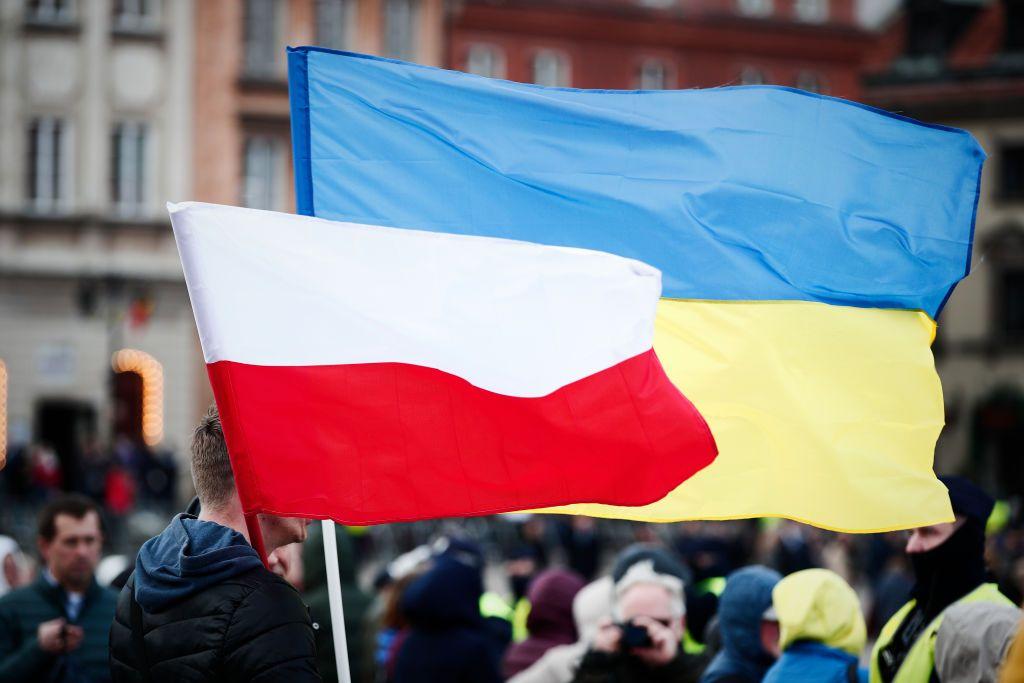
The move triggered outrage in Poland where the Ukrainian Insurgent Army is accused of conducting the Volyn massacres of 1943–1944, one of the painful chapters in Polish-Ukrainian history.
Carried out in Nazi-occupied territories of what is now western Ukraine, UPA members killed tens of thousands of Poles, while thousands of Ukrainians were later killed in retaliatory violence. Poland considers the killings a genocide, while Ukraine has described the events as part of a broader bilateral conflict in which both sides bear responsibility.
In Ukraine, the Insurgent Army is viewed as an anti-Soviet resistance movement that fought against the Soviet Union during and after World War II, rather than as an anti-Polish organization.
Polish President Karol Nawrocki said on May 29 that he would seek to strip Zelensky of Poland's highest state honor over the decision. By naming a Ukrainian military unit after the Heroes of the UPA, Zelensky "provided Russian propaganda with excellent material and plenty to think about," Nawrocki added.
"I view this decision very critically," he added.
Former Polish President Andrzej Duda awarded Zelensky the Order of the White Eagle during the Ukrainian president's visit to Warsaw in 2023.
A historian-turned-politician, Nawrocki has repeatedly criticized Ukraine's ambitions to join the EU and NATO while emphasizing historical disputes between the two countries.
But the backlash extended beyond Polish political circles.
Ukraine's ambassador to Poland, Vasyl Bodnar, was summoned to Poland's Foreign Ministry on May 28, where Deputy Foreign Minister Marcin Bosacki formally protested the decision.
Bosacki said the move touched a sensitive issue for Poland.
Former Polish President Lech Walesa also condemned the move, saying he had removed a Ukrainian flag pin from his lapel in protest.
Walesa has been a prominent supporter of Ukraine since the start of Russia's full-scale invasion, regularly backing Kyiv's European integration efforts and publicly displaying symbols of solidarity with Ukraine.
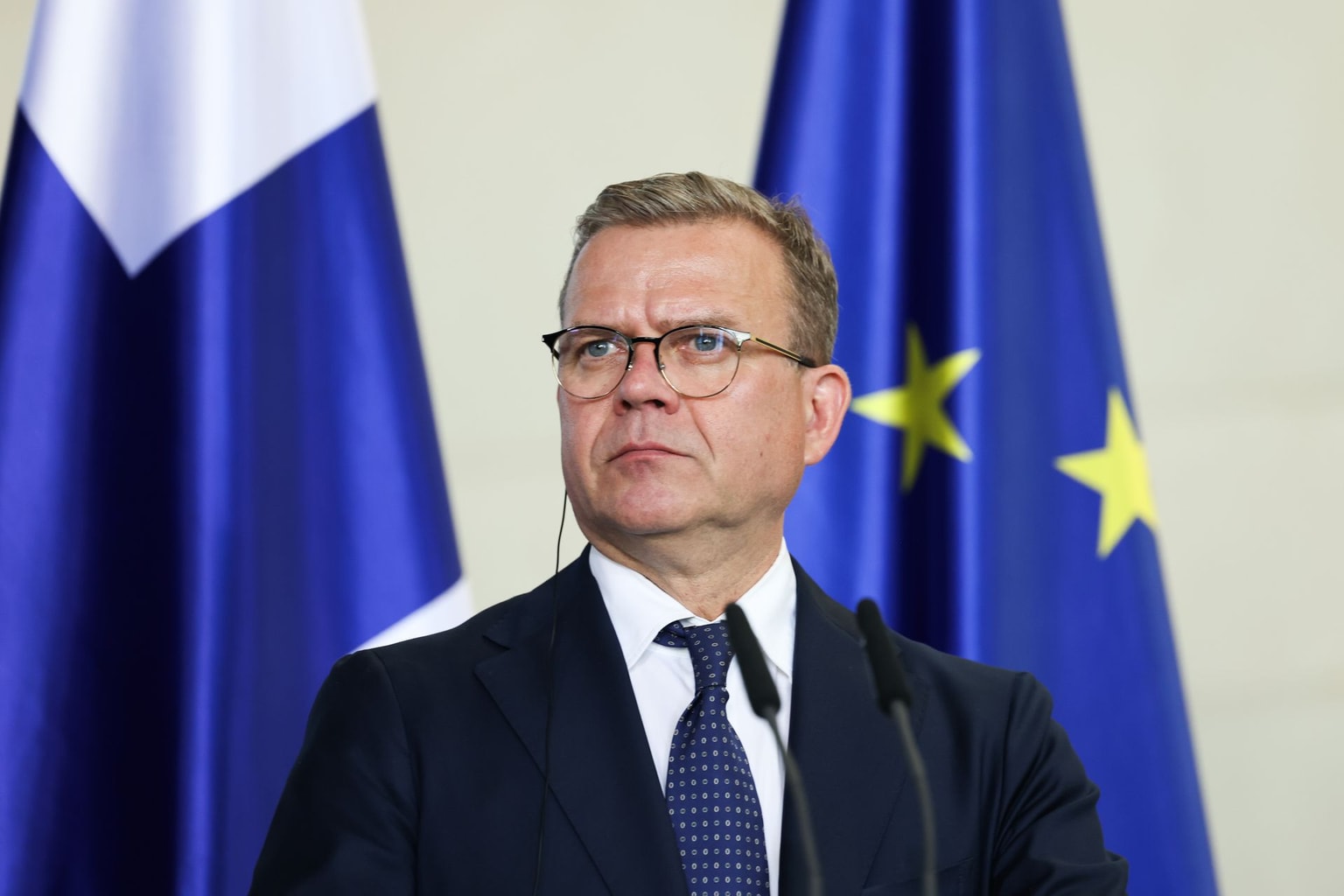
Polish Prime Minister Donald Tusk urged both countries not to allow historical disputes to damage current relations.
"If we quarrel about the past, someone else will win the future," Tusk wrote on May 29. "The president of Ukraine should finally understand this. The Poles, too."
Ukraine's Foreign Ministry said the honorary title was not intended "to offend the friendly Polish people."
"Our history confirms that only Moscow benefits from disputes between Ukrainians and Poles," Foreign Ministry Spokesperson Heorhii Tykhyi said.
"Today, Ukrainian military personnel defend not only Ukraine, but also all of Europe. By initiating the awarding of an honorary title to their unit, our soldiers certainly did not intend to offend the friendly Polish people. For them, the UPA struggle symbolizes exclusively the opposition to Moscow's imperial policy — and is in no way directed against the Poles."
Tykhyi expressed gratitude for Poland's longstanding support of Ukraine's fight against Russia and called for continued dialogue and cooperation.
"We cannot allow quarrels over the past to undermine our resistance to the common enemy," he said.