Budanov denies reports of Russian Trinity Sunday ceasefire
 on Google


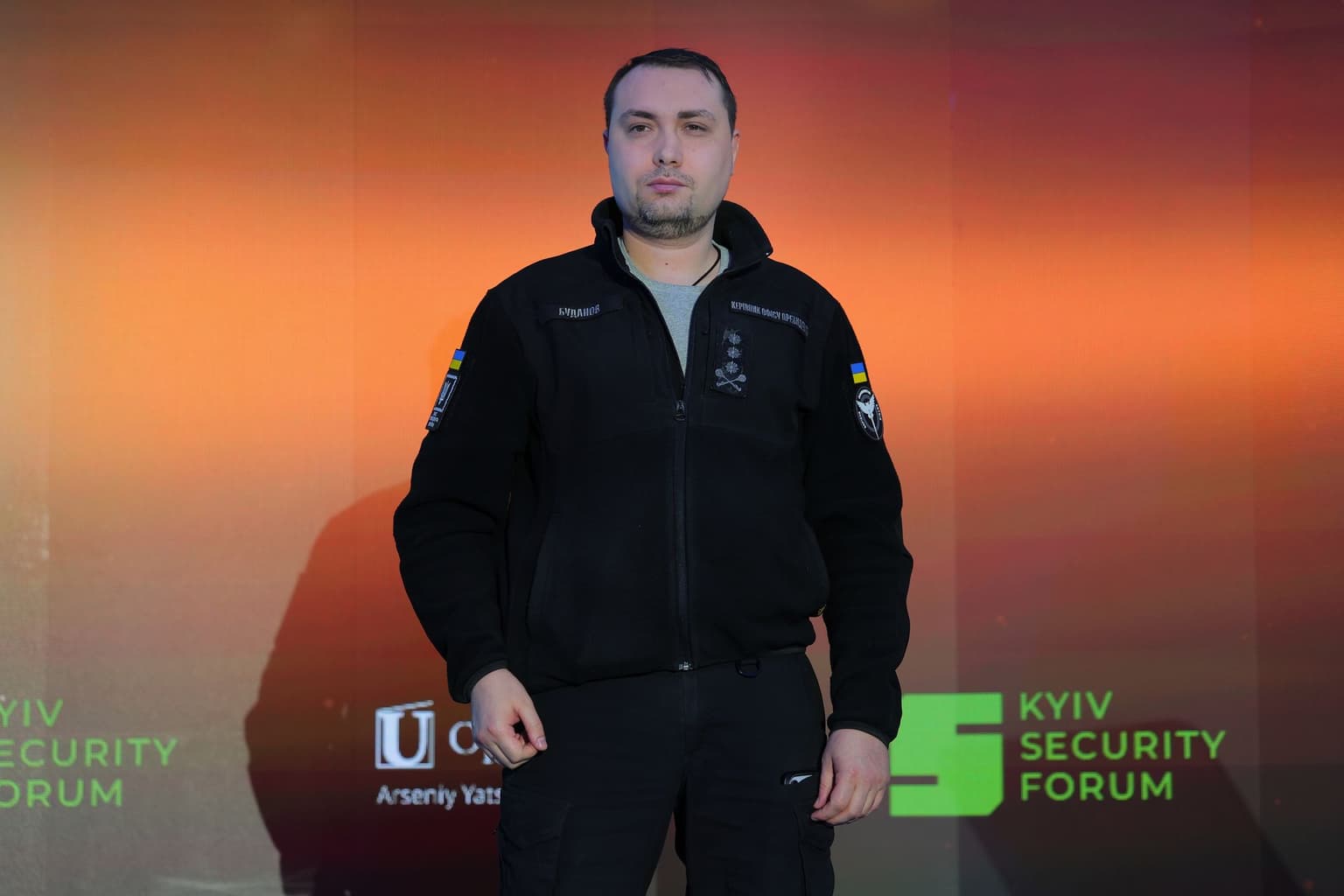
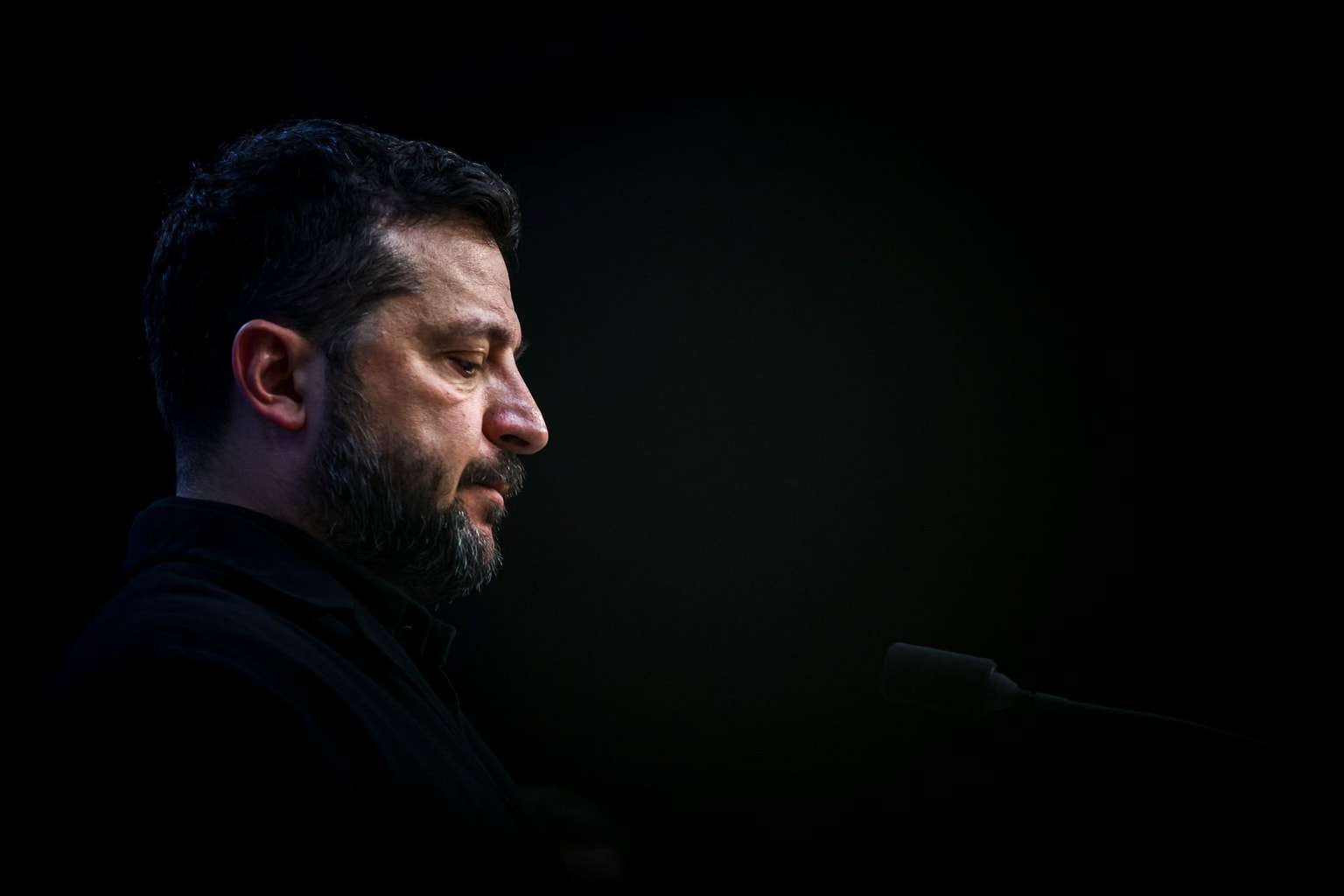
Ukraine's President's Office Head Kyrylo Budanov on June 1 denied media reports that an anticipated mass Russian missile and drone attack on Kyiv was postponed due to a Kremlin-proposed ceasefire to mark Trinity Sunday.
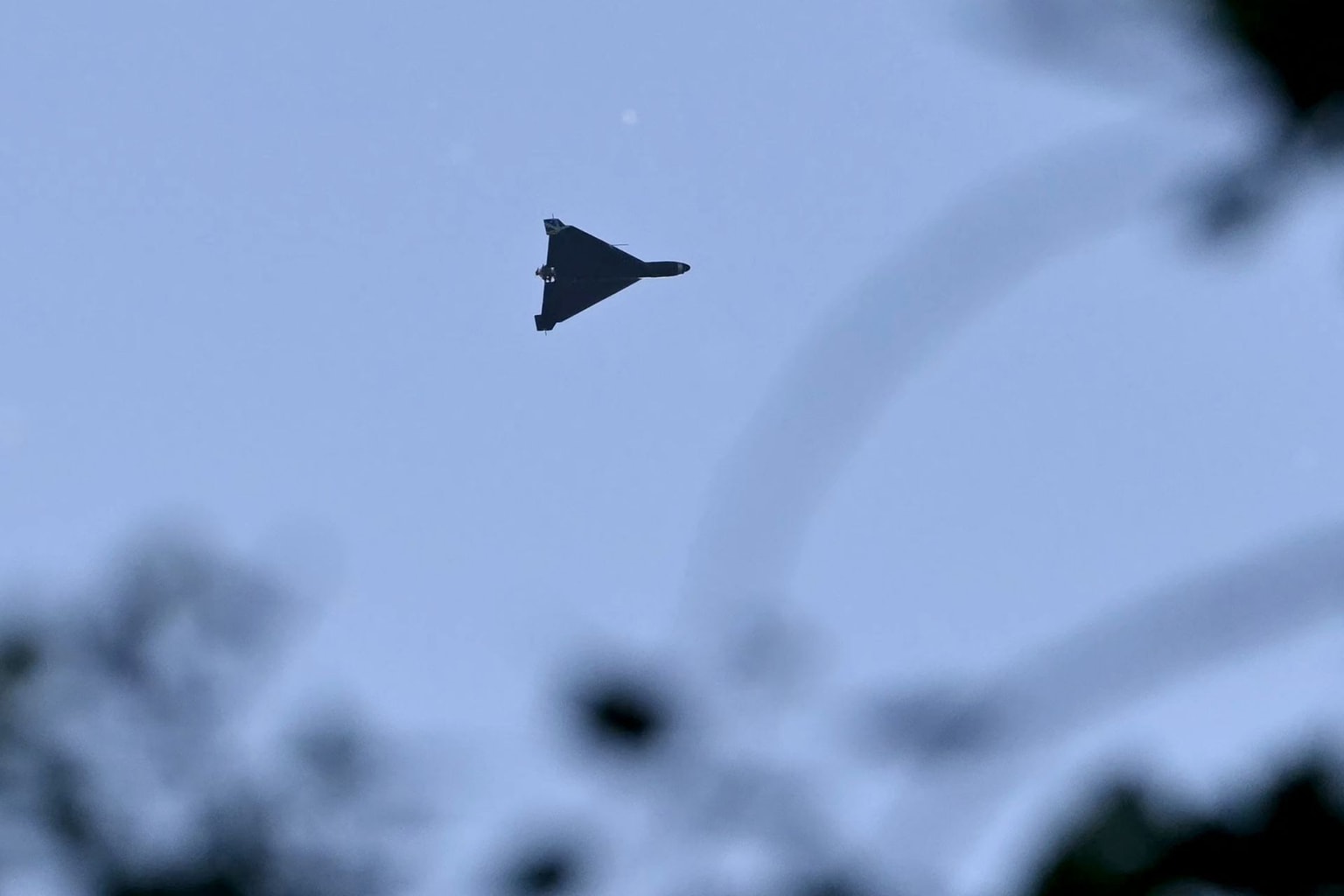
Ukrainian monitoring channels that track Russia's strategic aviation activity warned on May 30–31 of an elevated risk of long-range strikes against Ukraine.
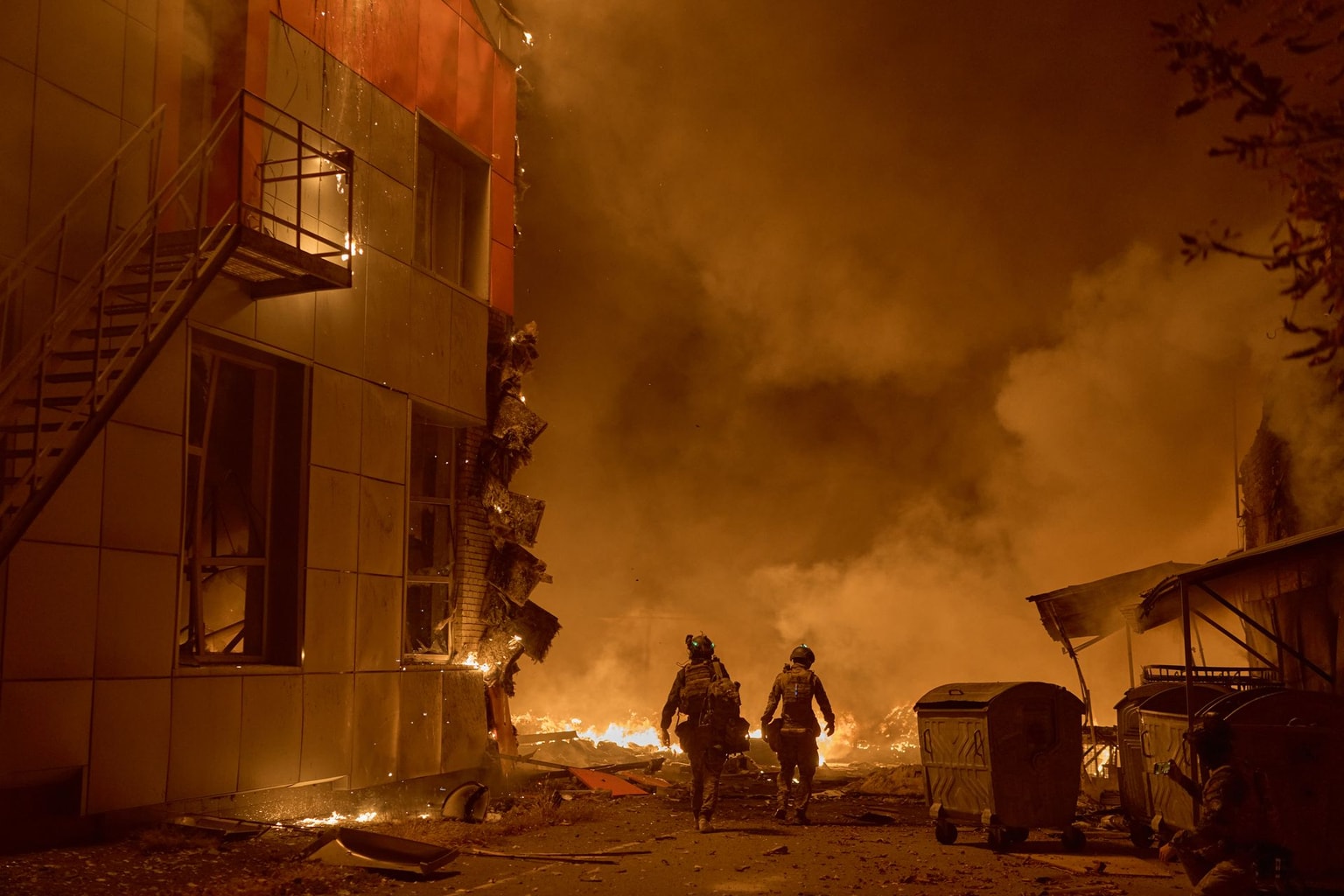
It followed Moscow's announcement on May 25 that Russian forces would conduct "consecutive and systematic strikes" against Ukrainian defense industry facilities in Kyiv, a statement which came a day after a large-scale attack on the capital that killed three people and wounded more than 90 others.
The anticipated large-scale attack did not occur, and several Ukrainian media outlets reported on May 31 that Kremlin aide Yuri Ushakov had said Russian President Vladimir Putin proposed a Trinity Sunday truce under which no orders for long-range strikes would be issued.
The reports attributed the claim to Russian media, but no corresponding reports could be found in major Russian news outlets.
Neither Moscow nor Kyiv had officially confirmed a ceasefire had been proposed or in place for Trinity Sunday.
Speaking to reporters at the Architecture of Security Forum in Kyiv on June 1, Budanov said he had received no information regarding a possible ceasefire during the holiday period.
"I have not received any information regarding a ceasefire for Trinity Sunday," Budanov said. "Moreover, you can look at how much was struck by the Russian Federation yesterday (May 31), and how many casualties there were."
Russian Foreign Minister Sergey Lavrov informed U.S. Secretary of State Marco Rubio on May 25 that Moscow planned to strike Ukrainian "decision-making centers" and urged Washington to consider withdrawing personnel from its embassy in Kyiv.
Russia's Foreign Ministry also advised foreign citizens, including diplomatic staff, to leave the Ukrainian capital. No foreign embassies in Kyiv publicly announced any evacuation of personnel following the warning.
President Volodymyr Zelensky told Austrian Chancellor Christian Stocker on May 29 that Ukrainian intelligence indicated Russia was preparing a new large-scale attack on Ukraine. The president said the response should be coordinated with Ukraine's partners, particularly through the supply of anti-ballistic weapons.
Ukrainian military intelligence spokesperson Andrii Yusov told journalists on June 1 that Moscow's threats of possible attacks were intended as psychological pressure and formed part of Russia's broader tactics.
"It is clear that this is the enemy's tactic, including combining military pressure with psychological pressure on Ukrainians, who have been living under the stress of war for more than four years," Yusov said.
"And it is clear that the fatigue and strain (experienced by Ukrainians) are also part of the enemy's pressure (campaign)," he added.
Yusov said Ukrainian forces are preparing for all potential scenarios, while intelligence services continue to collect information and relay it to military and political leadership. Yet he also urged civilians to take air raid alerts seriously and "be ready to react."