4 years later, the reality checks on Ukraine's EU candidacy are pouring in
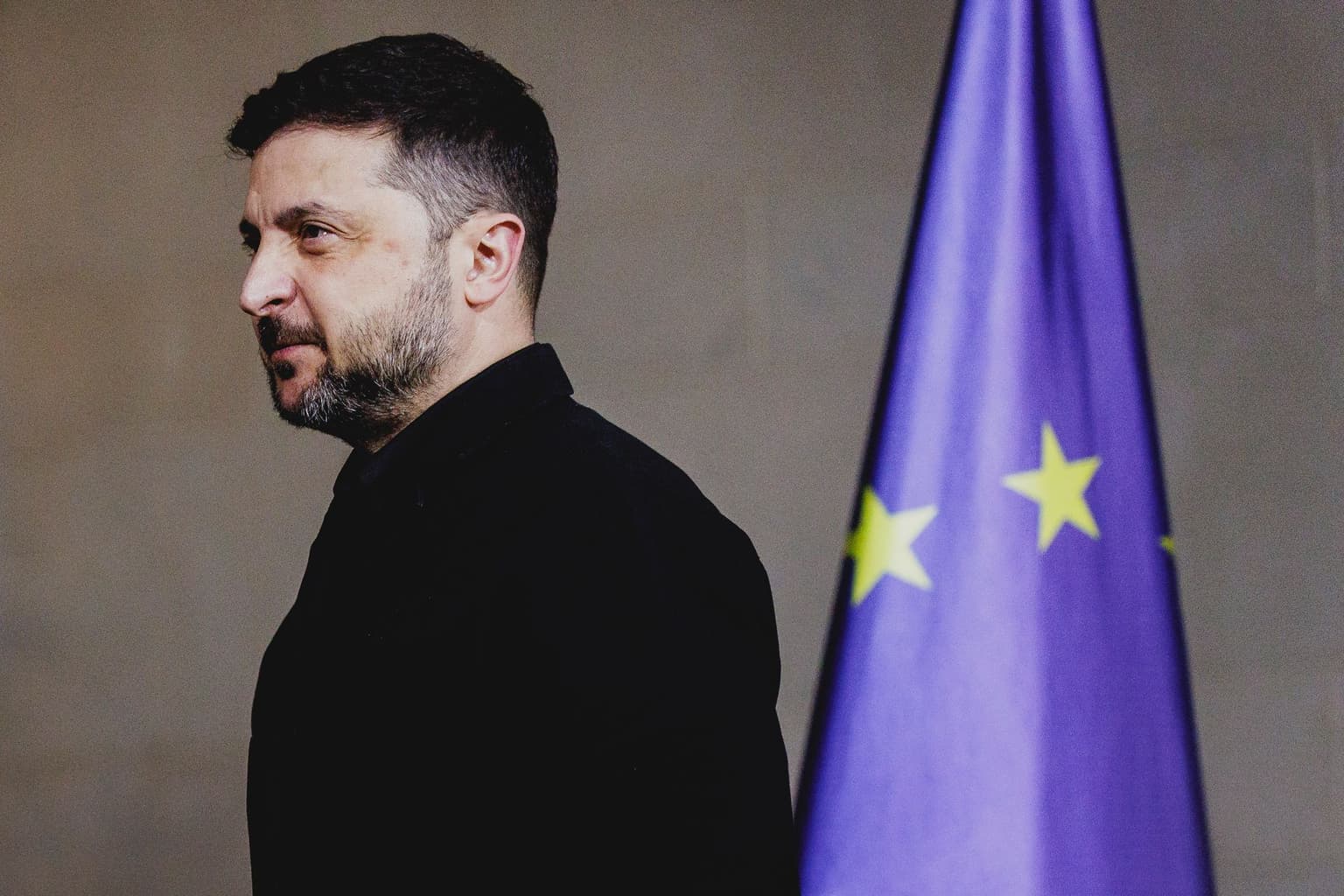
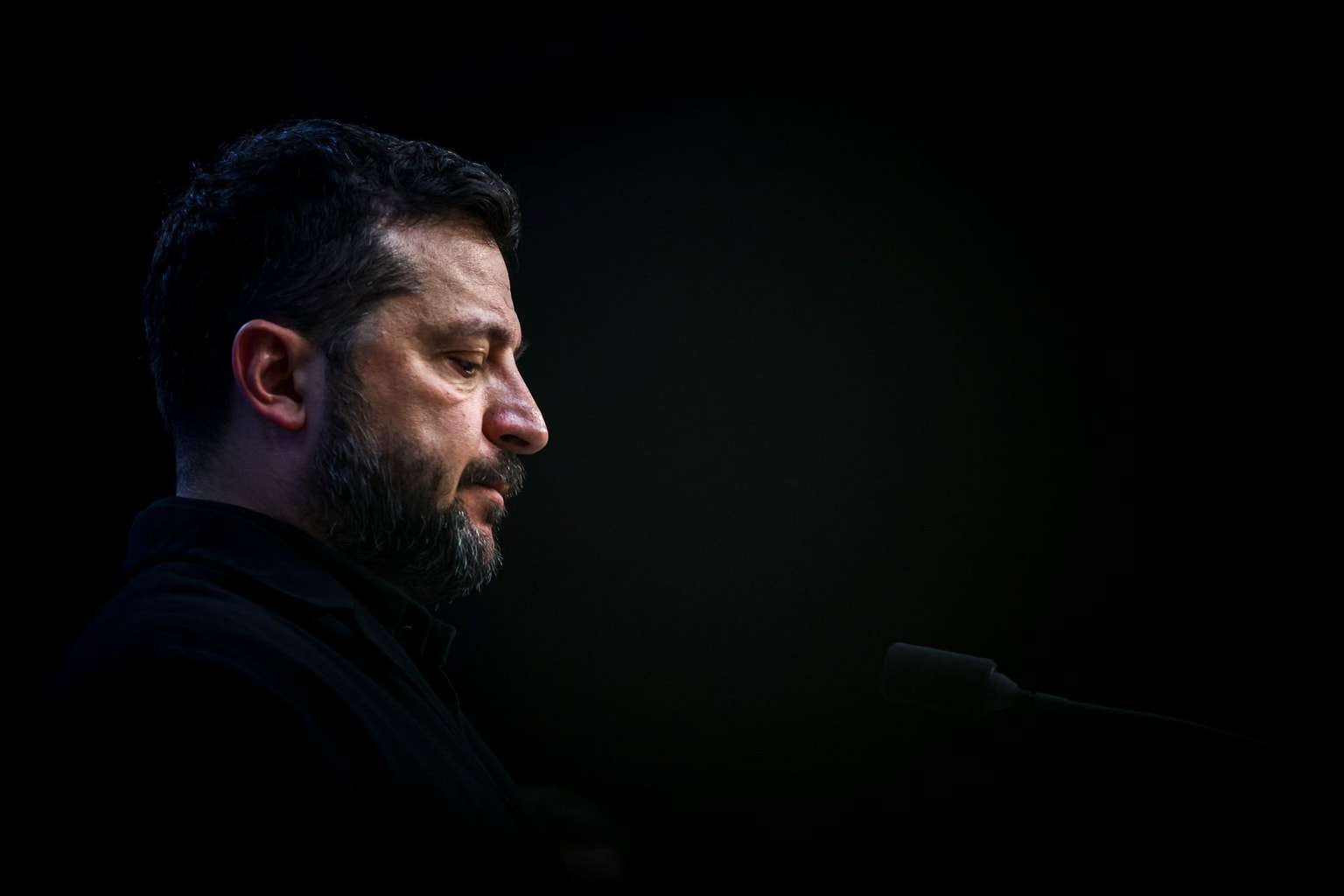
President Volodymyr Zelensky in Berlin, Germany, on Dec. 15, 2025. (Florian Gaertner / Photothek / Getty Images)
 on Google
BRUSSELS, Belgium — June 23 marks four years since the EU formally agreed to grant Ukraine, Moldova, and Georgia candidate status for future membership, a path that President Volodymyr Zelensky thought the country would be able to progress down rapidly, but which has turned out to be fraught with obstacles.
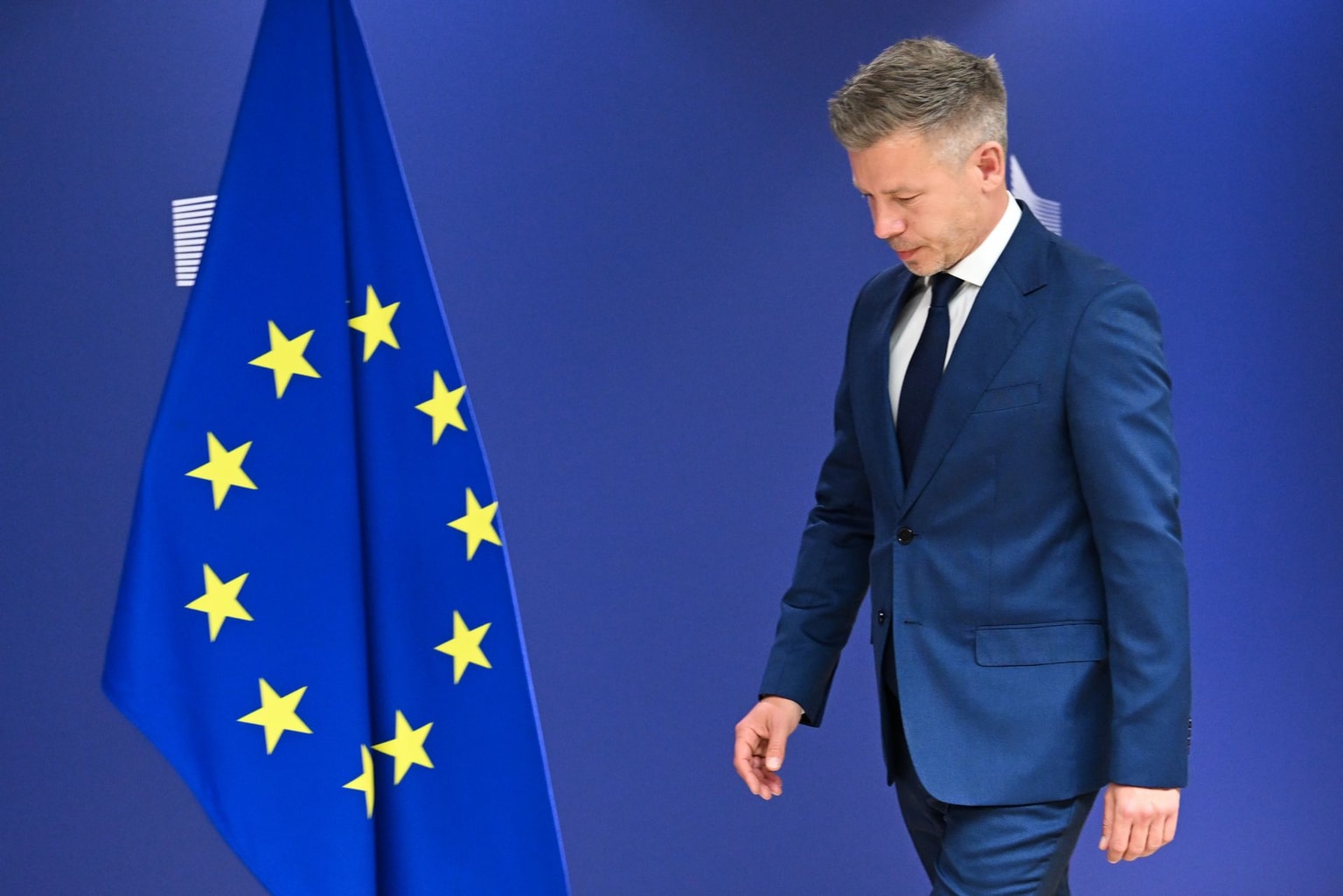
In early 2026, Zelensky was repeating 2027 as a target date for Ukrainian entry to the EU, whereas new Hungarian Prime Minister Peter Magyar said on June 3 he thinks 10-15 years is the timescale within which Ukraine can finish all the preparatory work, showing significant discrepancies over how quickly Ukraine might yet progress.
The Ukrainian public tends to lean more towards Magyar's estimate, according to a new survey published by the EU Neighbors East program, which finds 19% of Ukrainians think Kyiv could join the bloc within five years, but 41% expecting it to take five to 15 years.
"The promise to Ukrainian society was different" in previous years, said Ivan Nagornyak from the European Policy Institute in Kyiv (EPIK) think tank, during a panel discussion in Brussels.
Nagornyak criticized the 2027 mantra as creating hopes which could not be delivered on, saying he would "recommend to Ukraine to maybe start being more realistic about the dynamic of Ukraine's accession."
That dynamic has also been going through lots of change.
Since 2025, the entire EU accession process has been held back by Magyar's predecessor, Viktor Orban, who vetoed anything that would advance Kyiv's membership prospects.

However, that did not stop the European Commission from proceeding with work on a technical basis while they waited for the political climate in Hungary to change.
In December 2025, the EU's Enlargement Commissioner Marta Kos, together with European Integration Minister Taras Kachka, issued a 10-point letter outlining rule of law reforms that need to be passed by Ukraine's parliament, the Verkhovna Rada, in order to join the EU.
As of June 2026, progress on those reforms is lower than expected, according to two EU officials who spoke on the condition of anonymity.
"Member states do not have any political will to make enlargement a reality."
Kos' advisor on Ukraine, Alberto Fernandez-Diaz, said the EU "saw a bit of a loss of steam in the Rada at the beginning of the year," at the above-mentioned panel event.
He also added that within "some (EU) member states there is more scepticism about accession," adding that "we have some homework to do."
While Ukraine was able to open the first so-called enlargement cluster on June 15 — the formal to-do lists of reforms that Ukraine has to comply with in order to join the EU — after Hungary lifted its veto, there remain five other clusters still to open.
And for each opening and subsequent closing of a cluster, unanimity of the 27 EU countries is required, which means any national capital can hold back the entire process over its particular concerns.
Poland was previously reported to be blocking clusters four and five for Ukraine, owing to fears that Kyiv will be able to decimate Warsaw's agricultural and trucking industries without further safeguards.

Multiple countries, most recently Hungary and Slovakia, at a summit of EU leaders on June 18-19, have also claimed that it would be unfair to admit Ukraine before countries in the Western Balkans, who have been waiting to join for much longer.
Those potential objections led EU countries to agree to delete wording in their June 18 conclusions that referred to Ukraine progressing in its accession process "as soon as possible," another sign that the momentum behind Ukraine may be slowing.
And for Tinatin Akhvlediani, head of the enlargement program at the Center for European Policy Studies (CEPS), new proposals by EU countries to change the accession process is also a problem.
"What these non-papers really show us is that member states do not have any political will to make enlargement a reality," she said.
"The political willingness is not where it should be," she added.
Even so, the European institutions remain hopeful of continued progress for Ukraine.
There is a "clear track to advance and open all the clusters," said Paloma Hall Caballero, who heads the Ukraine team at the European External Action Service.
And European Council President Antonio Costa said, "for Council, enlargement is the most important geopolitical investment. We should deliver as soon as possible," at a press conference following the June 22 EU-Moldova summit.
Whether or not specific EU countries slow progress at any given moment, the work of carrying out reforms rests with Ukraine, and for Kyiv, the stakes are clear.
Pursuing EU membership is in Ukraine's constitution, and two EU diplomats told the Kyiv Independent that the part of the European Commission responsible for enlargement hears from Ukraine essentially every day.
Ultimately, "accession is a matter of the survival of our statehood," Nagornyak said.
read also