'Russia managed to influence some in White House,' Zelensky tells Time magazine
 on Google

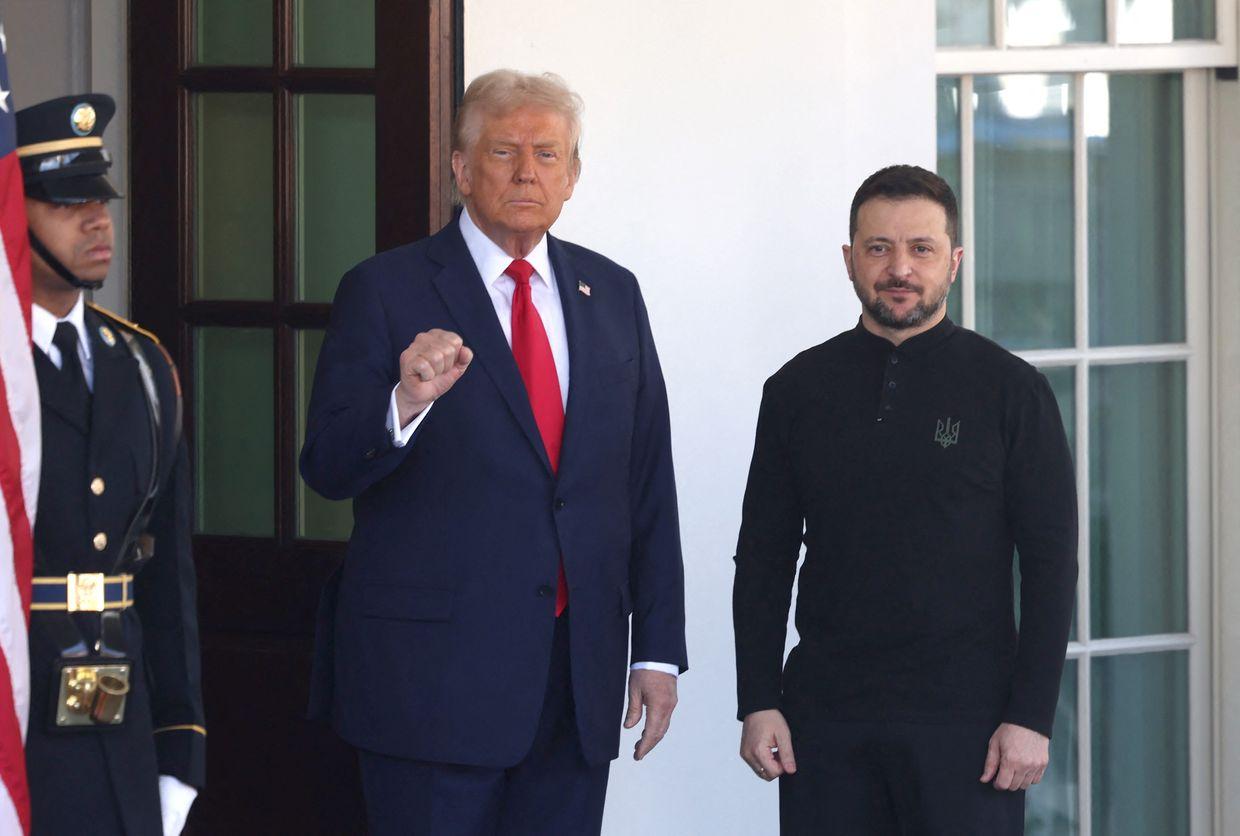
Russian propaganda is successfully influencing the American leadership, President Volodymyr Zelensky said in an interview with Time magazine published on March 24.
According to Zelensky, some in the White House have begun to trust Russian President Vladimir Putin's word more than their own intelligence.
"I believe Russia has managed to influence some people on the White House team through information," Zelensky said. "Their signal to the Americans was that the Ukrainians do not want to end the war, and something should be done to force them."
The U.S. has suspended military aid and intelligence to Ukraine after a meeting between Zelensky, U.S. President Donald Trump, and U.S. Vice President JD Vance in the White House ended in a heated argument.
The freeze on military aid has drawn criticism even from members of Trump's own party. Republican Senator Lindsey Graham said that pulling aid from Ukraine amid Russia's war would "be worse than Afghanistan."
In an interview on March 21 with American far-right political commentator Tucker Carlson, U.S. special envoy to the Middle East, Steve Witkoff openly parroted Russian propaganda and agreed with most of the Kremlin's talking points, further casting doubt on whether Ukraine can expect to gain a ceasefire on its terms.
"(Russia) reclaimed these five regions. They have Crimea, and they've gotten what they want. So why do they need more?" Witkoff said.
Another instance that the Ukrainian president said was part of the Russian narrative was Trump's comments about the encirclement of "thousands" of Ukrainian troops in Kursk Oblast.
"That was a lie," Zelensky said.
Trump made his comments about the alleged encirclement ahead of a planned call with Putin on March 18, in which the two leaders discussed a possible peace deal with Ukraine.
The call was intended to secure Russia's agreement to the U.S.-proposed 30-day ceasefire, which Ukraine had already accepted on the condition that Moscow also complied.
On March 13, Putin initially signaled readiness to agree to a ceasefire but followed up with a list of demands, including a halt to foreign military aid and intelligence sharing with Ukraine.
During the call with Trump, Putin once again declined to commit to a full ceasefire but did agree to a limited 30-day halt on energy infrastructure strikes, which Russia immediately violated.