Russia 'ripping off' Ukraine's drone forces success, Unmanned Systems Forces commander says
 on Google
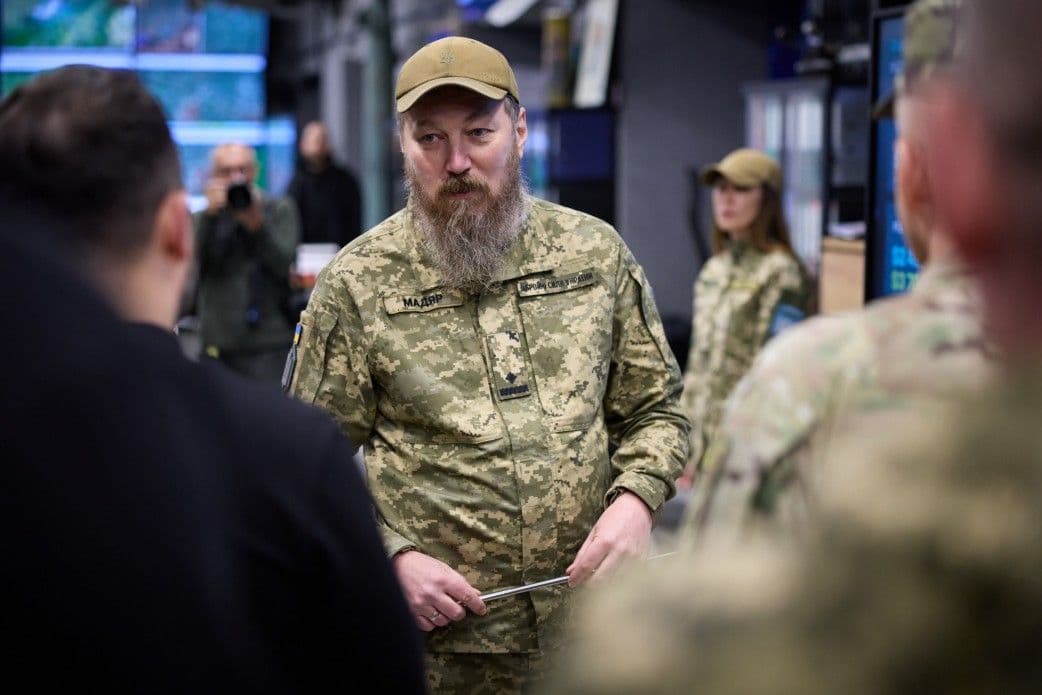
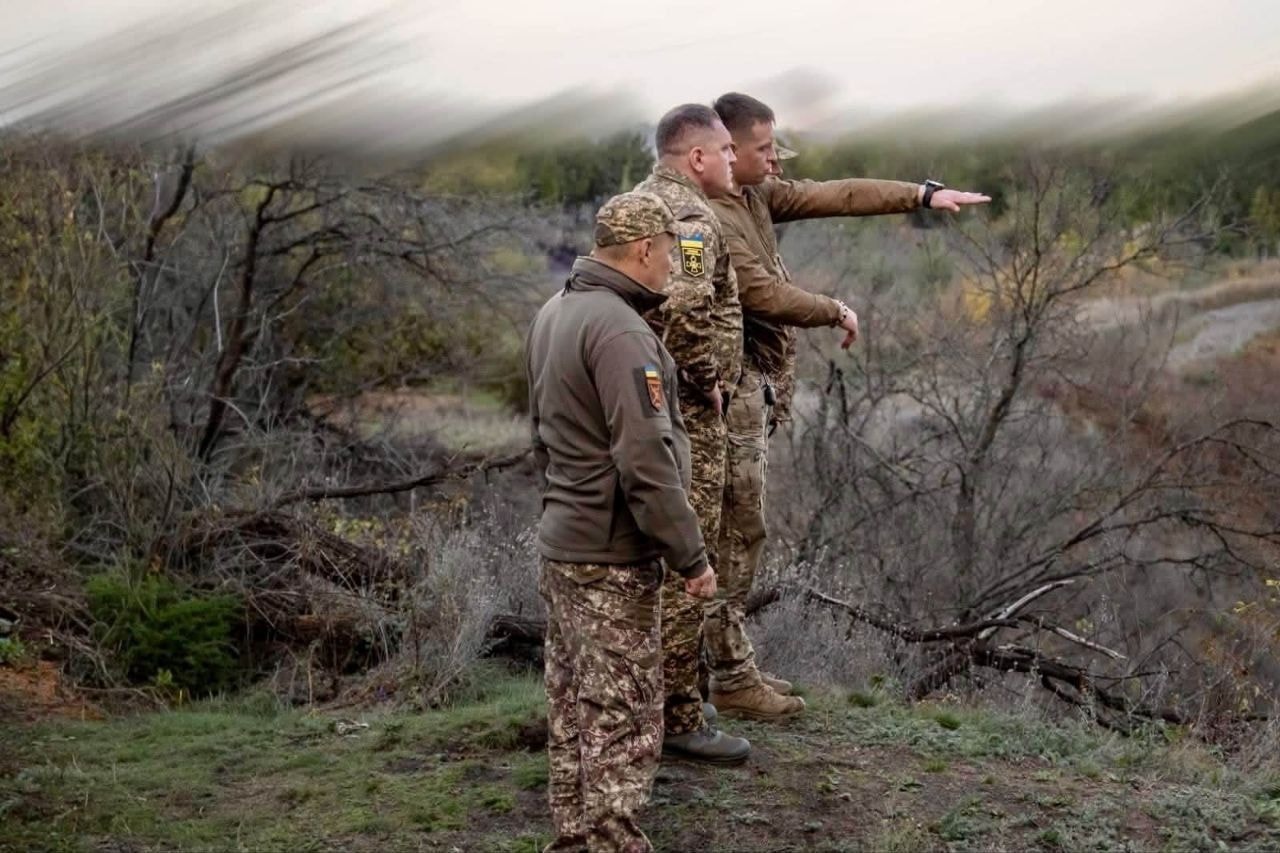
Moscow is copying the example of Ukraine's expanding drone force, with the number of personnel in Russian drone crews and units passing 100,000 over spring 2026, Unmanned Systems Forces commander Robert "Magyar" Brovdi said.
As the battlefield is dominated by unmanned systems more and more with every passing year of Russia's full-scale war, gaining and maintaining the upper hand in the drone fight has become critically important for strategic success.
At the beginning of the year, the size of Russia's drone component stood at only 86,000, and by May 1, had grown to 114,000, Brovdi said in an interview to Ukrainska Pravda published on May 14.
By the end of the year, Brovdi added, the drone force is set to hit Moscow's reported target of 168,000.
"They are effectively copying the existing franchise of Ukraine's Unmanned Systems Forces grouping," Brovdi said.
"They do have their own experience in certain areas, but for the most part they are trying to steal something from us, to rip it off, to take a ready-made, already-solved path."
Since the first year of Russia’s full-scale war against Ukraine, Kyiv has tended to innovate faster with drones, developing new technologies and battlefield adaptations that were later copied and scaled up by Russia.
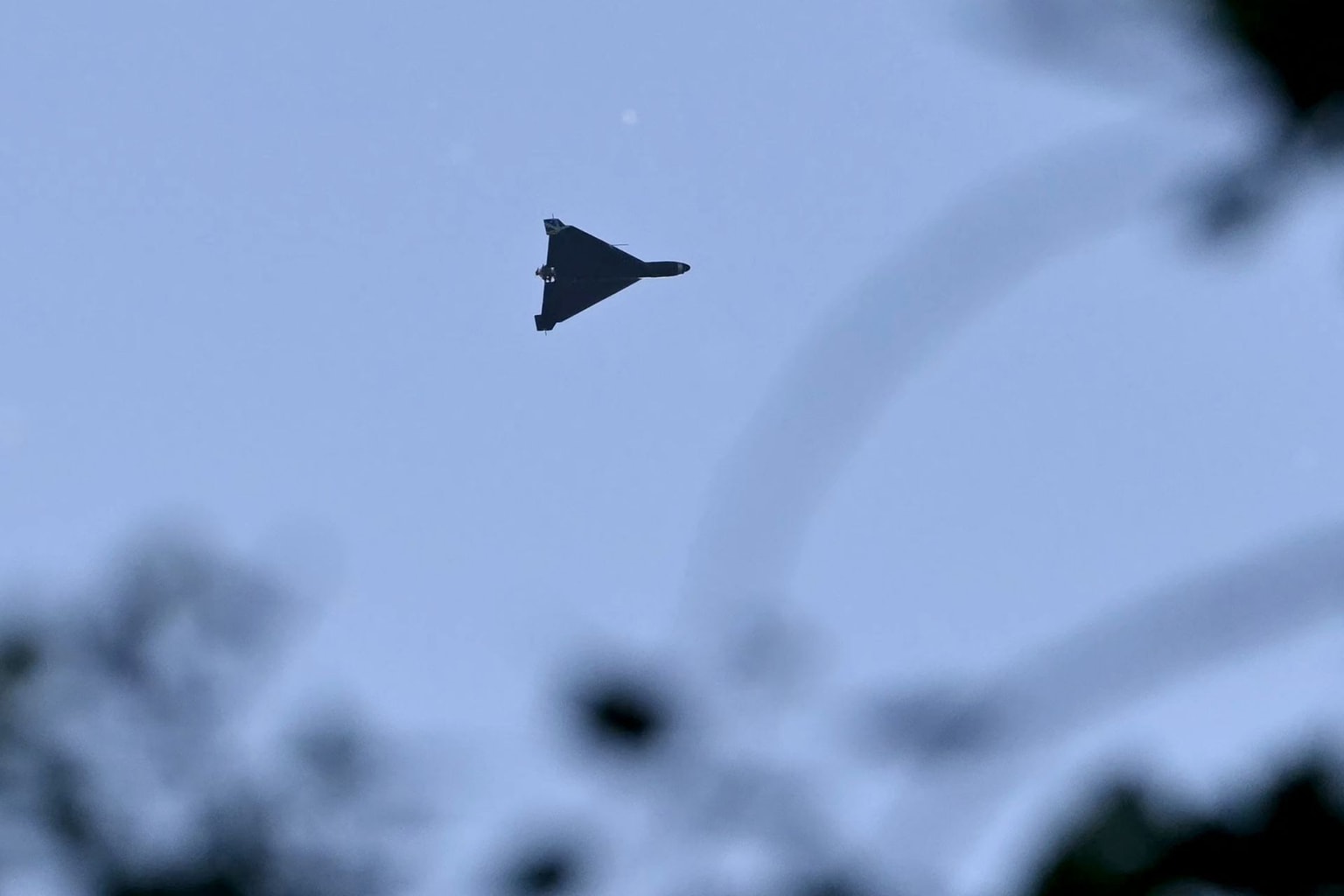
But after first-person view (FPV) drones began to dominate the battlefield in 2024, Russia’s own strike drone force quickly grew into a formidable organism, saturating the front line with FPVs while using fixed-wing strike drones like the cheap Molniya, the high-tech Lancet, and long-range Shahed-type drones to strike targets at operational depth.
By 2025, the rise of the Rubicon Center for Advanced Unmanned Technologies marked the emergence of an elite Russian drone ecosystem, with combat teams deployed across the front line to strike Ukrainian logistics, intercept reconnaissance drones, and hunt down Ukrainian drone operators.

Rubicon itself, often seen as Russia’s answer to Brovdi's own drone unit Magyar’s Birds, has continued to expand, though not without a reported dilution in quality.
"Can Russia command their drone force remotely and centrally? No," said Brovdi.
"But by raising the level of command over those groupings to the level of Deputy Chief of the General Staff of the enemy army, they will take millions from the Russian budget, of which a portion will be stolen, and a portion will be directed toward centralized production of equipment. Overall, the density of assets on the front line will increase."
Also crucial to the drone matchup across the front line is access to technology — and more specifically, communications networks.
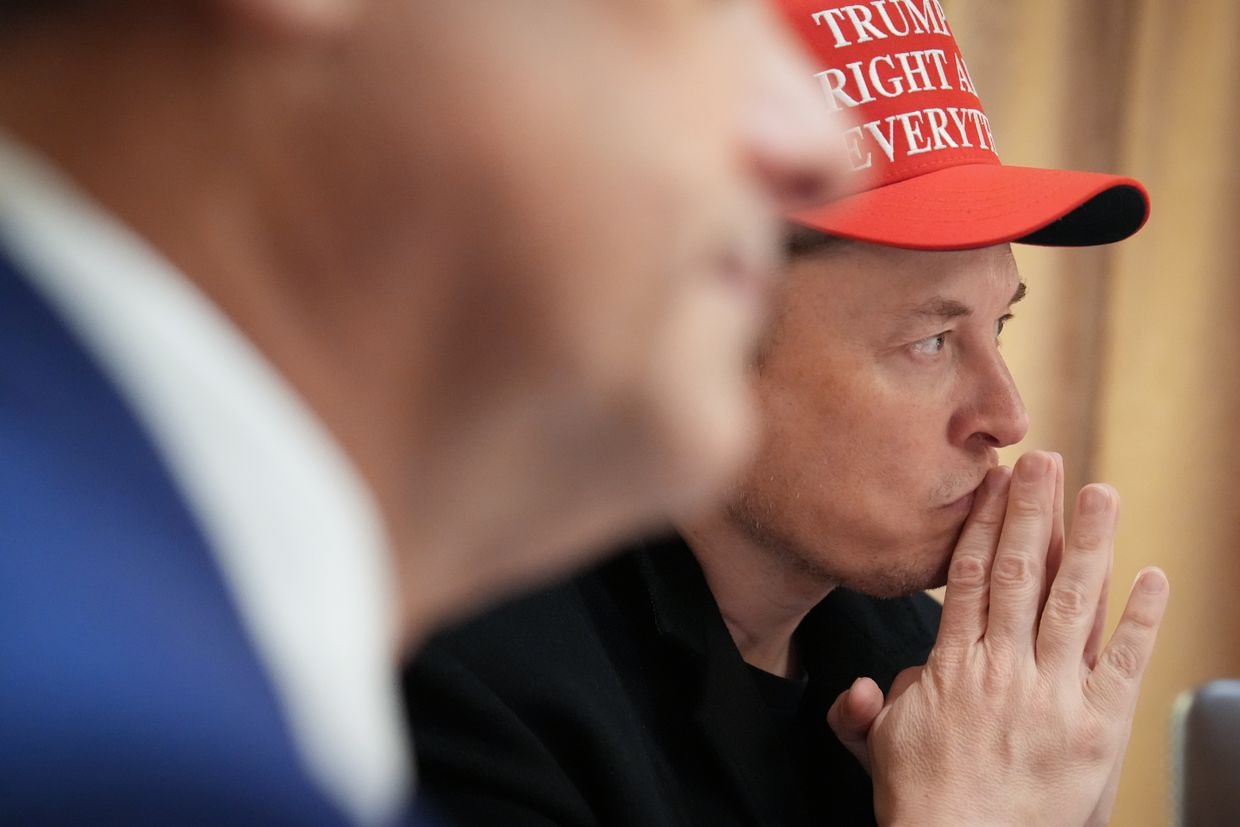
Here, Ukraine secured a major long-term technological edge over Russia in February this year, when newly appointed Defense Minister Mykhailo Fedorov convinced Elon Musk to disable Starlink internet terminals being used by Russian forces.
The effects can now be felt across many aspects of the war: from battlefield command and control, especially real-time situational awareness and communication with drone teams, to the use of Starlink terminals mounted on unmanned aerial and ground vehicles, allowing them to operate even in environments where radio signals and GPS are heavily suppressed.
But Russia is working on its own equivalent to Starlink satellite internet, Brovdi warned, which — while much inferior — will still be able to once again fulfill some of the U.S. technology's functions.
Since taking over career officer Vadym Sukharevskyi as Unmanned Systems Forces commander in June 2025, Brovdi has continued to aggressively expand the pioneering new branch of the military, leaning in heavily to the gamification principle where top drone units are rewarded for successful with points, which can be used to buy more drones and other equipment.