Could Trump's Iran war save Russia's economy? Report says math doesn't add up
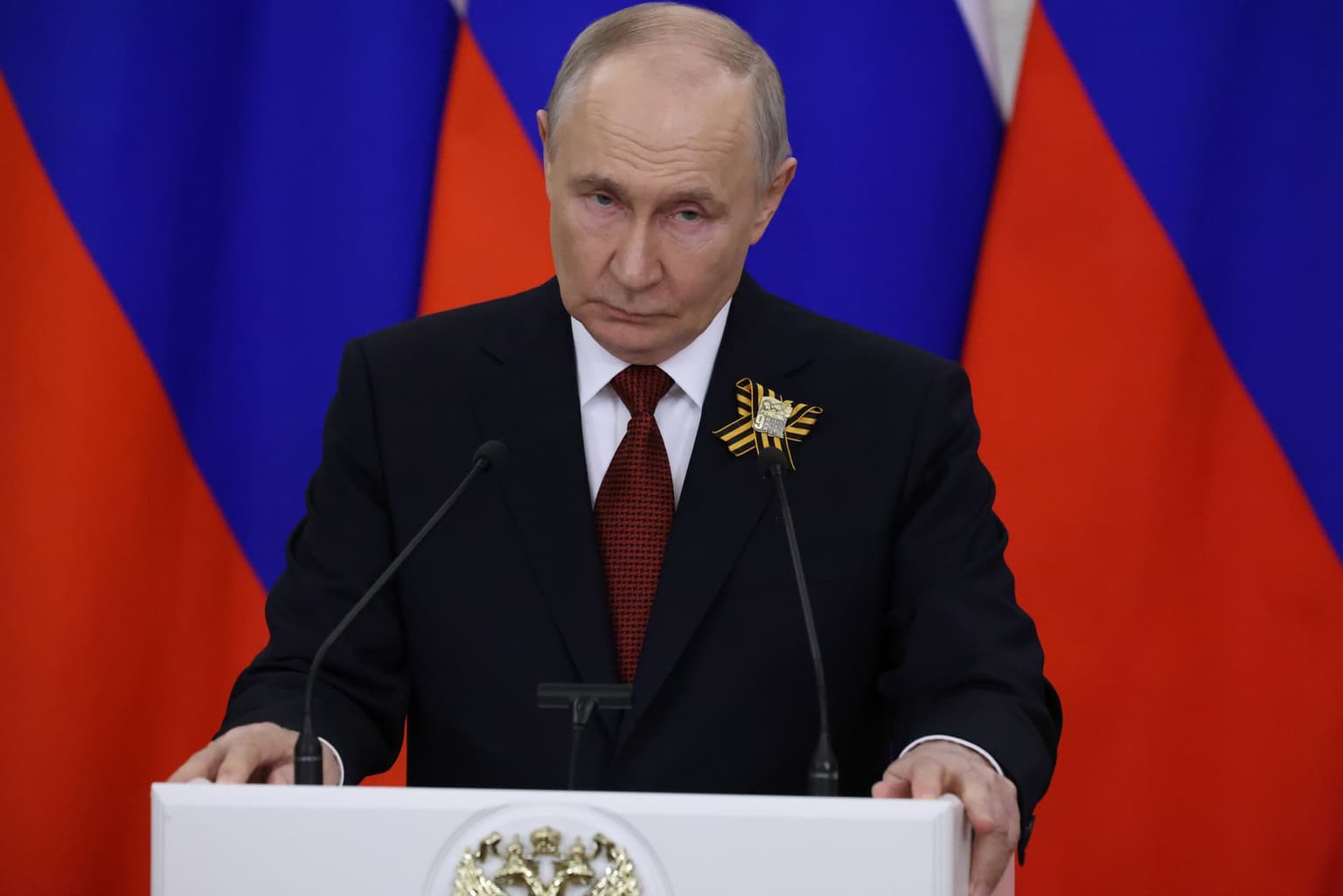
Russian President Vladimir Putin speaks during his press conference in Moscow, Russia, on May 9, 2026. (Contributor / Getty Images)
 on Google
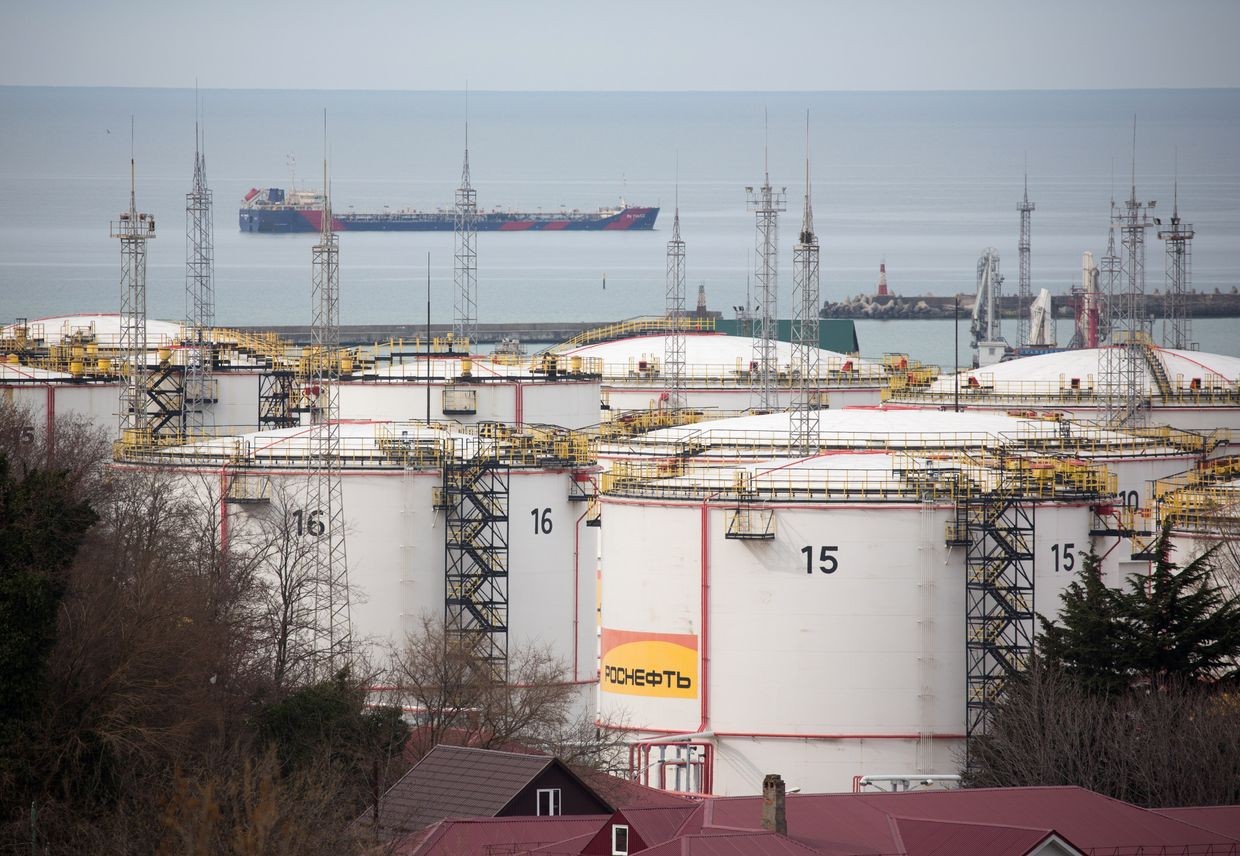
High oil prices driven by the U.S. operation against Iran are not sufficient to save the Russian economy, according to estimates from the Free Russia Foundation shared with the Kyiv Independent.
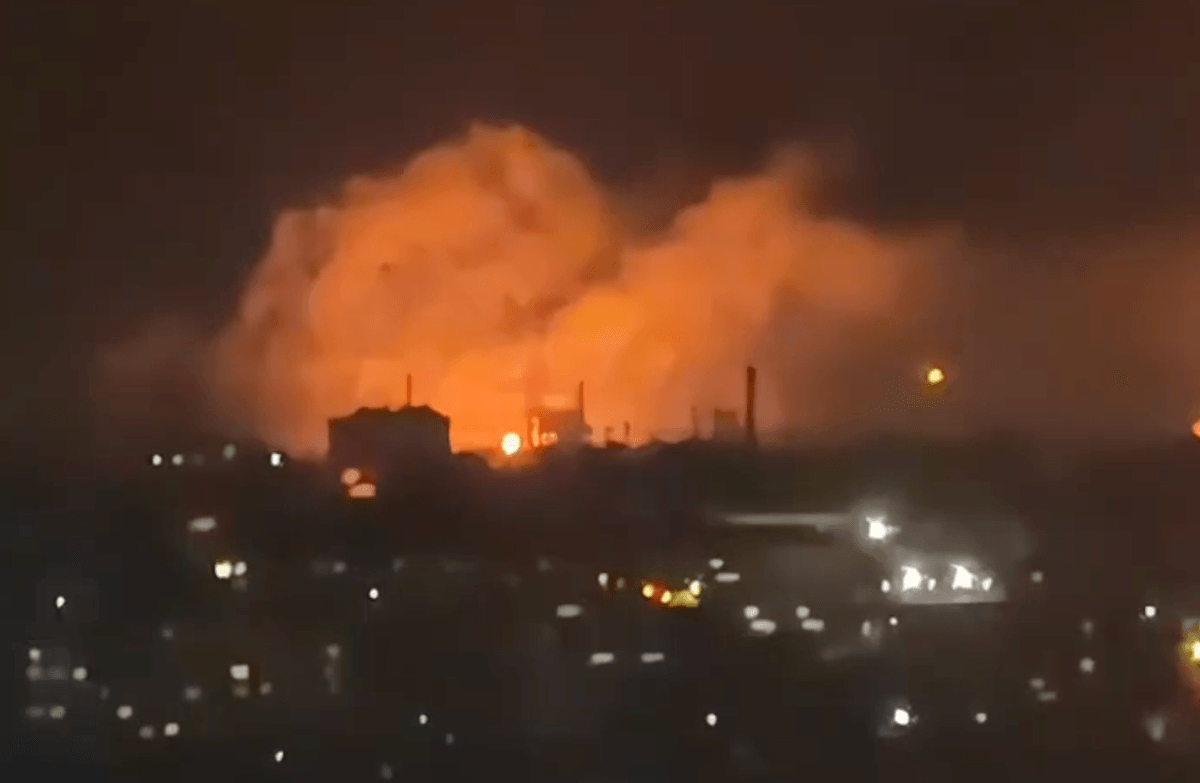
The U.S. operation disrupted traditional supply routes and triggered a sharp rise in global oil prices, prompting Washington to issue sanctions waivers on Russian oil in an effort to stabilize the market.
U.S. Secretary of State Marco Rubio acknowledged on May 13 that higher oil prices had effectively emboldened Russia, giving Moscow a sense of "optimism" and reducing pressure to move back toward peace talks on ending the war in Ukraine.
But Russian opposition politician Vladimir Milov, the report's author, argued that the additional oil revenue "cannot serve as (Vladimir) Putin's savior."
Ballooning budget deficit
Russia's budget deficit is one of the signs of mounting problems.
Russia's federal budget deficit reportedly reached around $79 billion, or 2.5% of GDP, in the first four months of 2026. That figure already exceeds the government's target by 62% and is slightly higher than the total deficit recorded during all of 2025.
The pace of deterioration is accelerating.
By the end of April, the deficit had grown by roughly $17.5 billion compared with the end of March, marking a 21% month-on-month increase.
At the same time, Russia is facing growing pressure at the regional level.
The country's regional budget deficit could approach $30 billion this year — potentially a record figure — something Russian Finance Minister Anton Siluanov publicly acknowledged in the parliament in April.
The rapidly widening deficit shows deepening financial pressure caused by soaring wartime expenditures and weakening economic growth.
Oil windfall brings limited relief
Despite the surge in oil prices, the Kremlin's additional energy revenues remain relatively modest compared with the scale of the fiscal crisis.
In April 2026, Russia's federal budget received around $11.5 billion in oil and gas revenues, including roughly $3.1 billion in so-called "additional" revenues collected above the government's planned baseline.
Even those figures represented a decline compared with the previous year. In March and April of 2025, the revenues stood at around $12.5 billion to $13 billion.
Milov said Russia's oil revenues are likely to increase somewhat in May as higher global prices begin feeding into export taxation with a delay.

In April, however, the sector was still being taxed largely based on March export prices, when Russian oil averaged just $77 per barrel for taxation purposes.
Russia's Economic Development Ministry later said the average export oil price in April climbed to $95 per barrel.
This means Moscow could see higher oil and gas income in May.
Still, Milov argued the gains are nowhere near enough.
"As can be seen... $2-3 billion of extra revenues at this stage is nothing compared to the ballooning deficit of nearly $80 billion," he said.
Structural weaknesses deepen
The report argues that Russia is increasingly facing not only a spending problem, but also a revenue crisis as economic growth slows.
According to Russia's Central Bank, GDP contracted by 0.5% in the first quarter of 2026, a first sign of a looming recession, amid falling investment and worsening business conditions.
The slowdown is especially significant because domestic tax collection — not oil and gas exports — forms the backbone of Russia's budget system. More than 70% of federal revenue comes from domestic economic activity.
Weaker tax collection has offset the benefit of the higher oil prices.
In the first four months of 2026, Russian federal expenditures also rose by nearly 16% year-on-year, compared with the 2.7% increase anticipated.
Russia's Finance Ministry attributed the spike to "traditional advance payments for state contracts" early in the year.
But the report notes that Moscow had already attempted to slow spending growth in the second half of 2025 in an effort to stabilize public finances, reducing annual expenditure growth to below 7%.

That tightening, however, exposed broader weaknesses in the economy.
Once fiscal stimulus was reduced, GDP growth slowed sharply to around 1% in 2025 before contracting in early 2026.
The cuts also created liquidity problems across the Russian industry.
According to the Russian Union of Industrialists and Entrepreneurs, non-payments became the biggest obstacle for 42% of large Russian companies in late 2025, largely due to arrears from state-linked corporations, including defense-sector firms.
By early 2026, the share of companies citing non-payments as their main problem fell to 34%, but weak demand rose to 38%, suggesting that pressure inside the economy merely shifted rather than disappeared.
Iran war failed to change trajectory
The Kremlin is now facing a difficult balancing act.
Maintaining massive wartime spending risks further destabilizing public finances, while reducing expenditures threatens to deepen the economic slowdown.
Even elevated oil prices, the report argues, provide only limited relief.
Russian Central Bank Governor Elvira Nabiullina warned that the size of the deficit itself has become a major source of inflationary pressure.

Russia's fiscal reserves are also shrinking rapidly.
The size of the country's National Wealth Fund has steadily declined, with liquid assets falling to around $48 billion in April, down roughly $8.2 billion in just three months.
Even during a period of relatively high oil prices, Moscow has continued drawing from the fund to cover budget gaps, leaving its remaining reserves increasingly insufficient compared with the scale of the deficit.
Unable to access international financial markets due to sanctions — and failing to secure substantial outside financing, including from China — Russia has increasingly relied on expensive domestic borrowing.
The government is now issuing debt internally at yields of roughly 14–15%, while debt servicing already accounts for around 10% of federal spending.
Taken together, the data suggest that higher oil prices alone are far from enough to resolve Russia's fiscal and economic problems.