How Europe can succeed in post-American world, and why Ukraine is part of answer
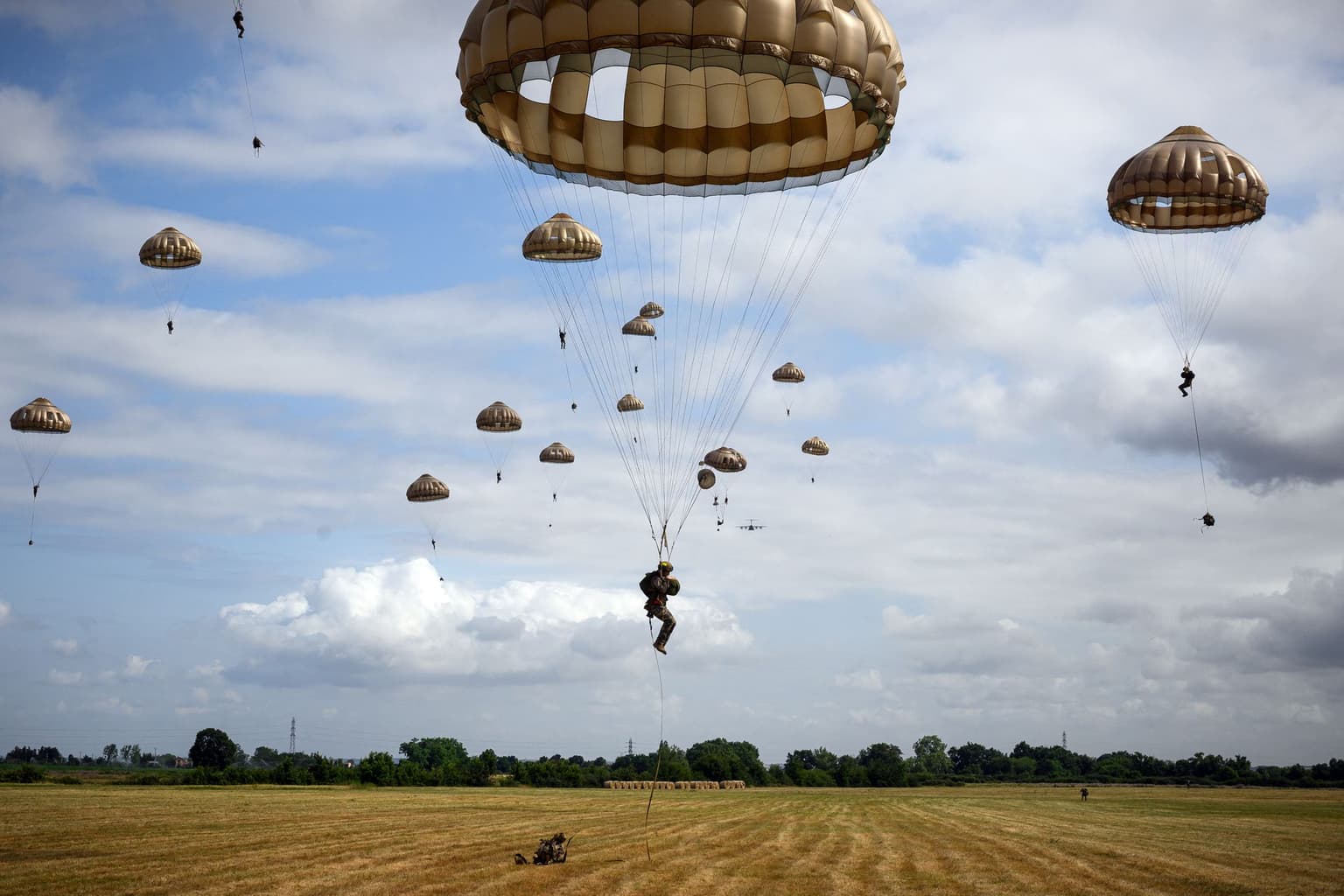
Soldiers jump from a French military Airbus A400M aircraft during the military exercise "Cathare 25", involving over 800 active and reserve military personnel, near Pamiers, France, on June 26, 2025. (Lionel Bonaventure / AFP / Getty Images)
 on Google
Dalibor Rohac
Senior Fellow at the American Enterprise Institute
"I believe we sometimes missed opportunities to listen," Emmanuel Macron told an Eastern European audience at the GLOBSEC Forum held in Bratislava in June 2023, in a speech that sought to bridge the gap between "old" and "new" members of the EU.
Quite ironically, Macron's words would be as relevant today as it was back then. Three years on, Europe's "conceptual and strategic awakening," announced by the French president, has yet to materialize. For Europe, habituated to America's security umbrella and to a world governed by predictable rules, navigating the dog-eat-dog geopolitics of the present moment is a distinct challenge.
The EU is not the largest, wealthiest, or best-armed bloc in the world. It is, furthermore, marked by chronic divisions — including between "old" and "new" members — and does not include some key European powers, such as the United Kingdom and Ukraine.
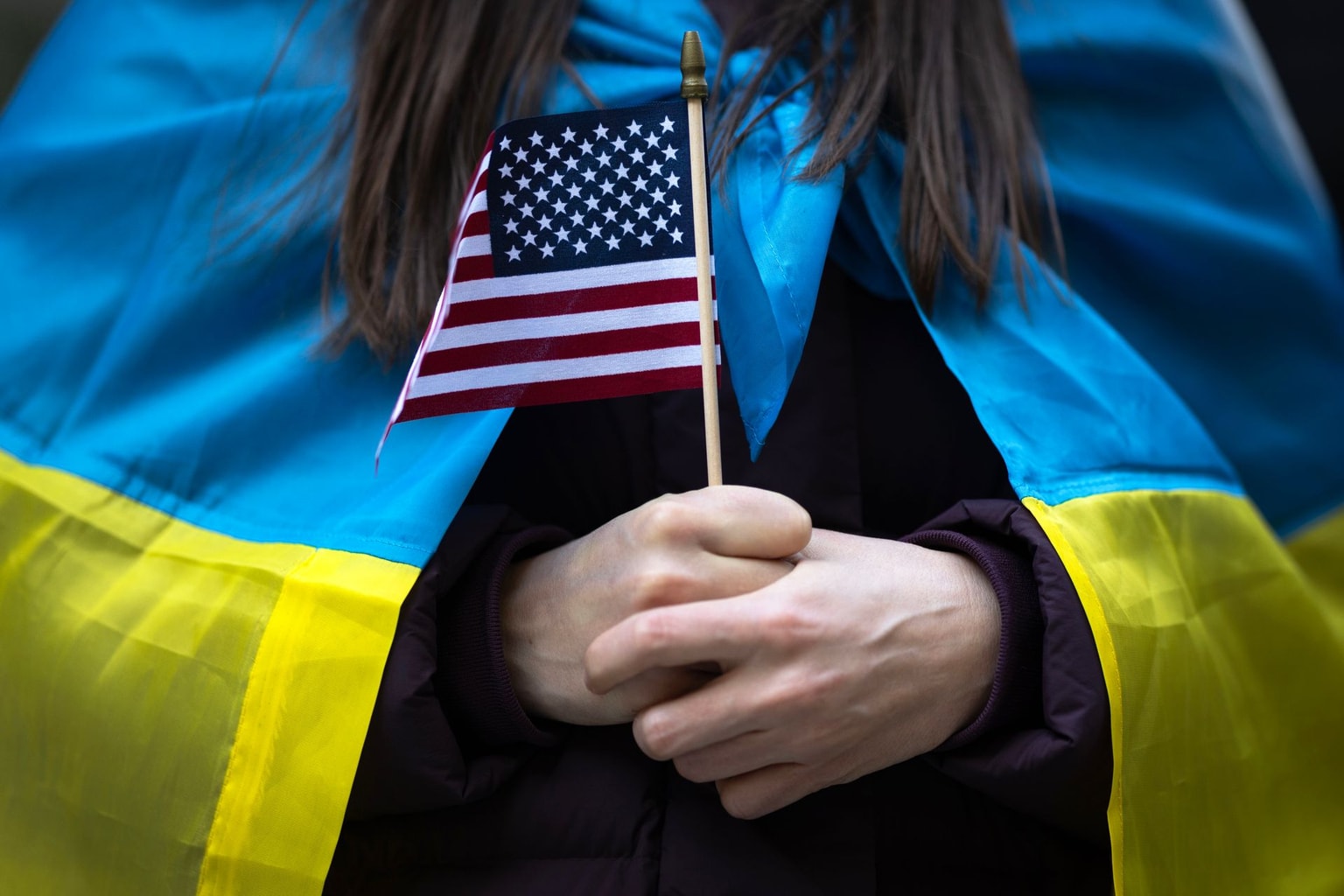
If Europe is to regain its mojo, one of the first steps it must take is to bring Ukraine into its fold and learn from its example. Having fought an adversary several times its size to an apparent stalemate, there is no other country in the world that knows more about being the underdog and yet surviving in an increasingly dangerous world.
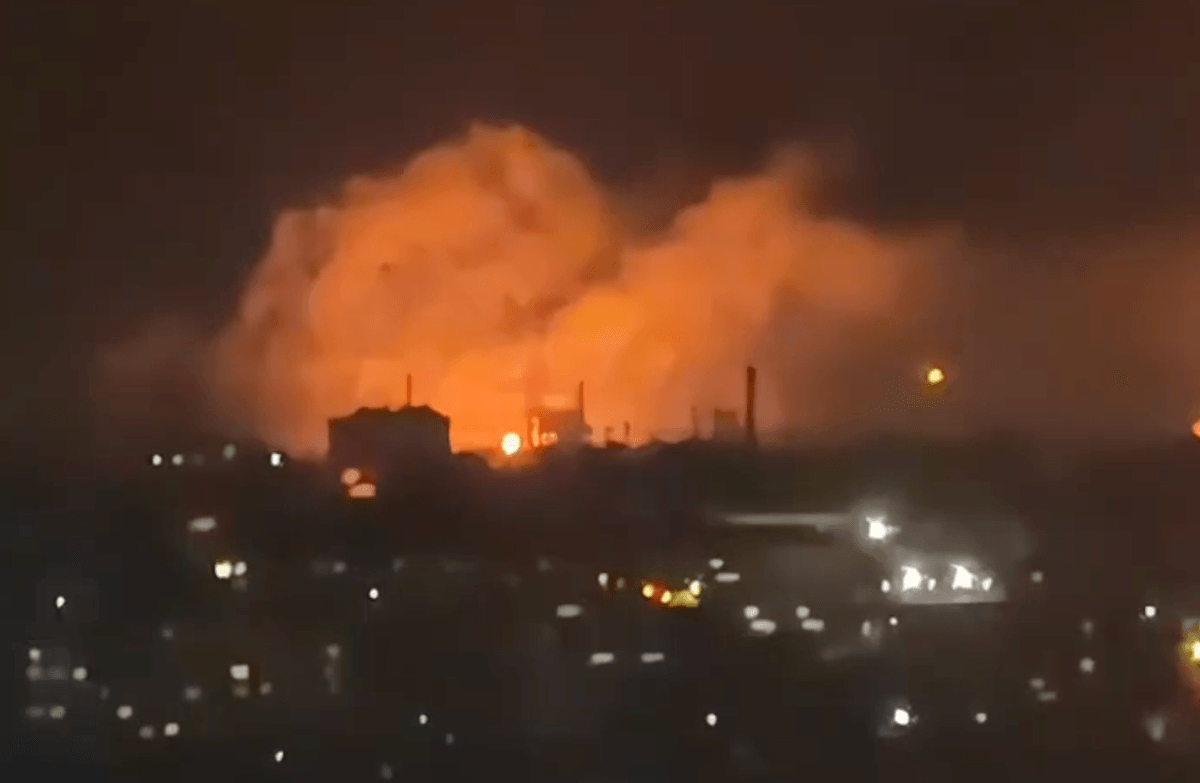
With its low-cost, high-precision strikes, Kyiv has brought the war to Russia's heartland, striking oil refineries and forcing the Kremlin to divert air defenses to protect its cities.

With no navy of its own, it has neutralized Russia's Black Sea. It has forged new partnerships by exporting key defense technologies to the Gulf states, as well as Germany and the United States.
The lesson for Europe is simple. It too must compete on its own terms, not on those set by its adversaries. Trying to match China or the United States in economic size, industrial capacity, or military prowess is a fool's errand. Instead, the EU must identify its own strengths and leverage them – and, conversely, it must find others' vulnerabilities.
Europe is not without its problems, but it is far from being a basket case. It offers legal stability and the rule of law — assets not to be taken for granted in an age of populist politics — as well as a considerable market size. It is home to the world's most advanced photolithography, a key input into semiconductor manufacturing, as well as to leading chemical and pharmaceutical industries.
The progress seen since Macron's speech has not been enough, in part for structural reasons.
An aging continent with an overstretched social safety net does not provide an ideal background for ambitious calls for jointly financed European initiatives — on defense or energy independence — particularly not from a lame-duck president who has failed to bring order to public finances in his home country.
Yet the bigger reason is psychological. Partly out of complacency, partly because of the magnitude of the challenges ahead, many are still clinging to an illusion of a comfortable, Atlanticist past.
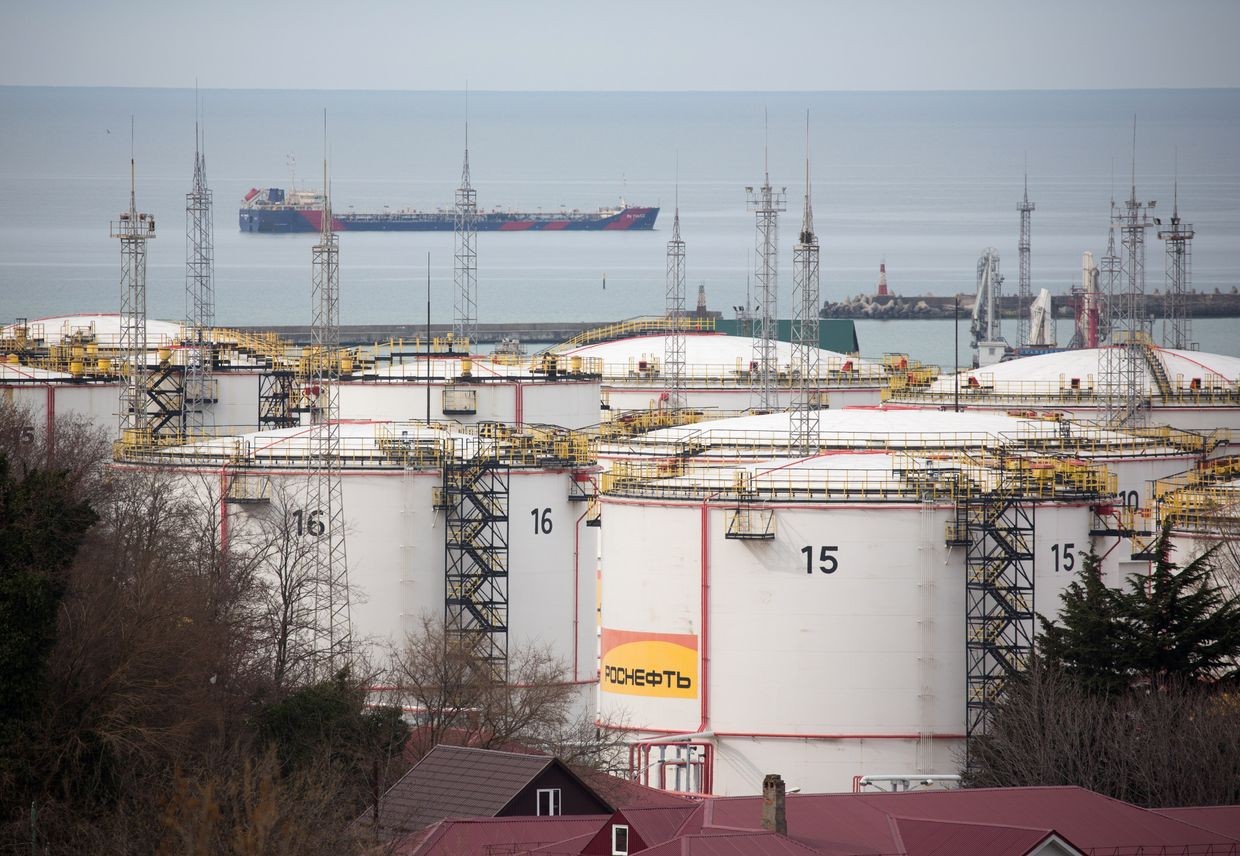
While Europeans have made strides to reduce their dependence on Russian fossil fuels, the continent remains hostage to global oil and gas markets — as the war in Iran painfully reminds them.
Efforts to build a genuine European defense industrial base are progressing slowly and unevenly, slowed down by a fear of pushback from Washington, which simultaneously demands that European allies step up but reacts with palpable irritation when they do so on their own terms.
Some of the existing legacy dependencies are here to stay, for lack of better alternatives — think U.S. technology and AI solutions, or the ubiquity of U.S. platforms in NATO militaries, not to speak of the alliance's operational plans.
Yet, as Ukraine's example shows, the EU does not need a European answer to every question as it confronts its unhealthy dependencies, especially its perilous reliance on "the choices of American voters," as Macron said in the same 2023 speech.
What it does need is a coherent strategic mindset that will make Europe indispensable to its erratic partners and ready to inflict real costs on its adversaries across policy domains, if need be.
If the current unsettling era offers one silver lining, it is that a true European "strategic awakening" can only occur through a joint management of crises, turbulence, and conflict,something that Ukrainians know about better than anybody.
Unsettling as it was at times, recent European experience offers hope.
Defying doomsayers, the Eurozone survived the turbulent years of the early 2010s. Faced with a withdrawal of U.S. support for Ukraine, Europeans have been able to fill the void by bankrolling the PURL initiative and by extending a 90-billion-euro ($104,6 billion) loan to Kyiv — almost twice as large as the total financial assistance from the United States. Faced with Donald Trump's threats against Greenland, the EU also did not blink — if anything, it established effective deterrence against some of the administration's wilder projects.
This experience must translate into a permanent, sustained mindset, with policies to match, and urgently so.
Editor's note: The opinions expressed in the op-ed section are those of the authors and do not purport to reflect the views of the Kyiv Independent.