How a Ukrainian air assault on Russia led to the resignation of a Latvian prime minister
 on Google
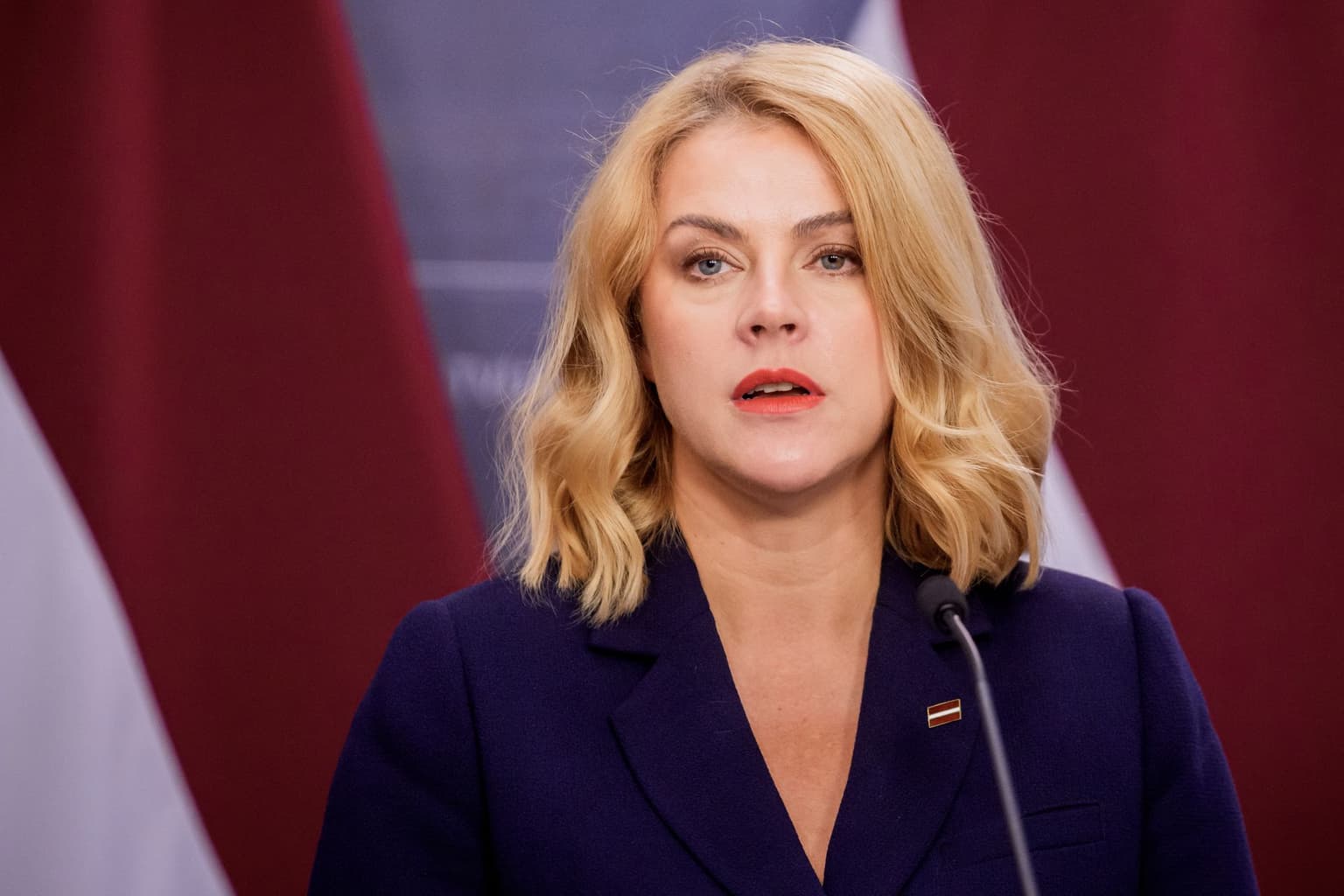
Latvian Prime Minister Evika Silina announced on May 14 that she would resign after a political crisis triggered by the incursion of Ukrainian drones into Latvian airspace exposed deep tensions inside the country's ruling coalition.
"I led this government because people needed stability," Silina said. "I am stepping down, but I am not giving up. And I am not leaving."
Her resignation plunged Latvia into political uncertainty.
The incident quickly evolved into a full-scale political crisis, exposing frustration over the country's air defense readiness and the handling of the crisis.
"The government is incapable of acting, and there is no turning back," Andris Suvajevs, leader of the Progressives party and Silina's coalition partner, said on May 13.
The drone incident
The political crisis began with what initially appeared to be another cross-border security incident connected to Russia's war against Ukraine.
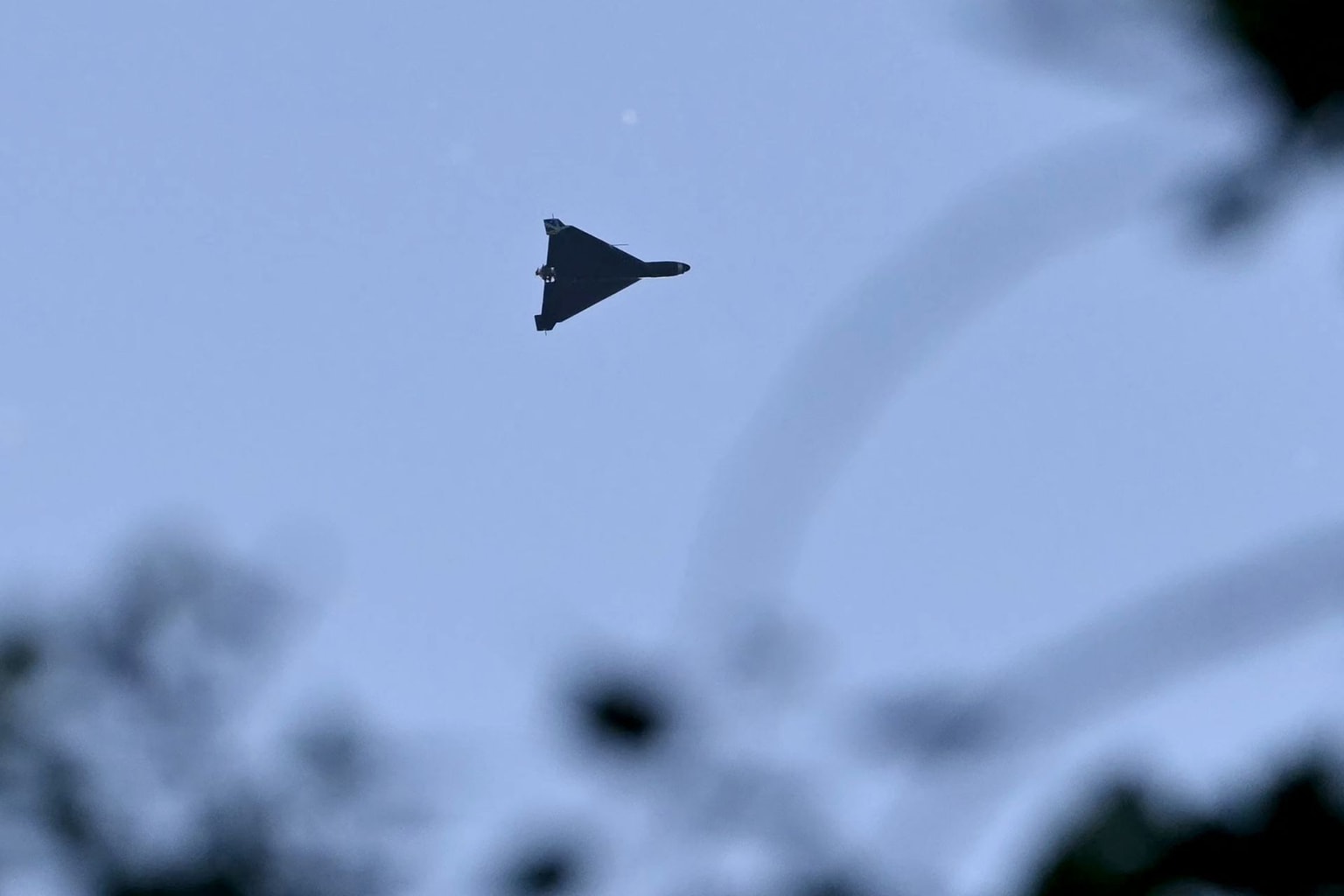
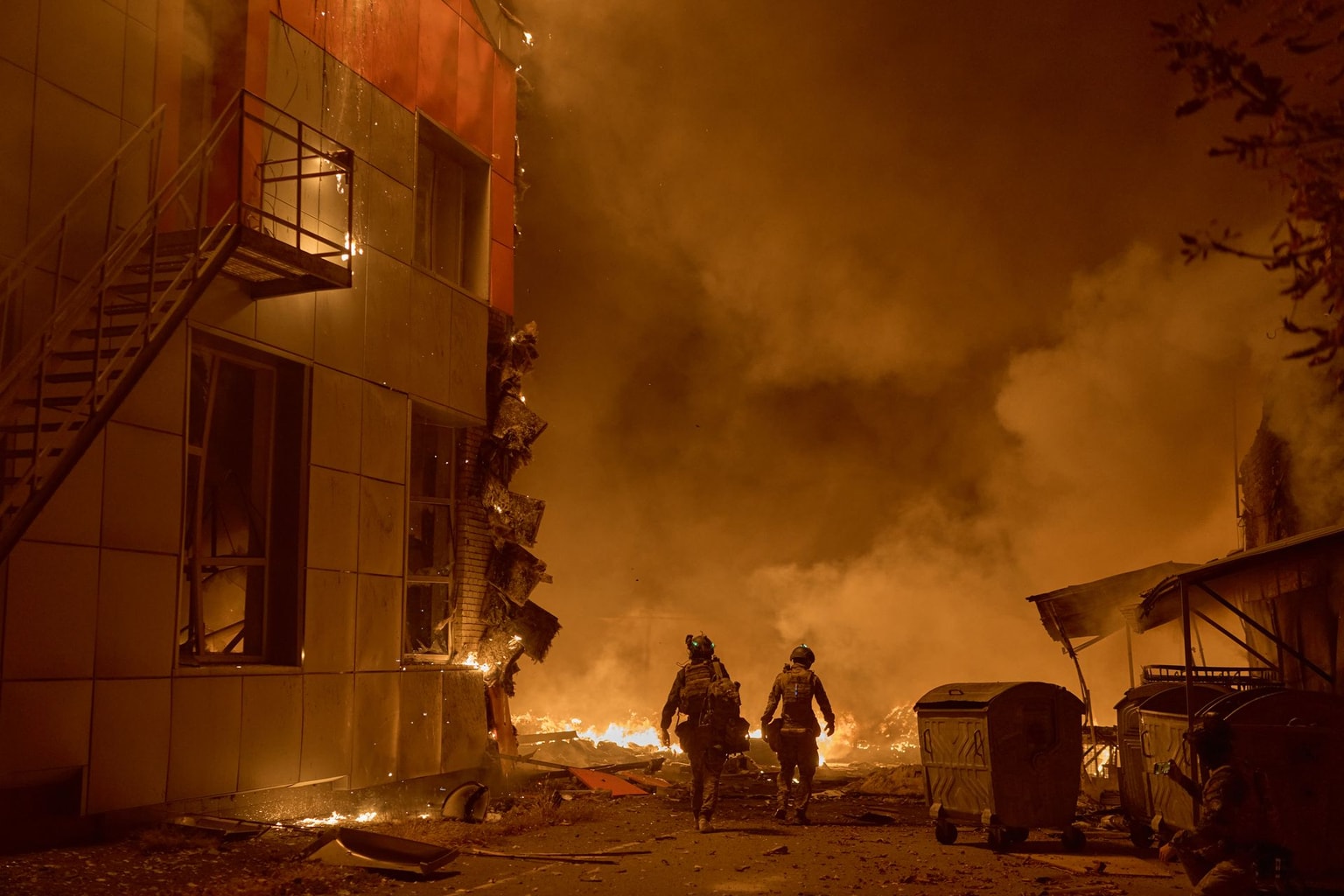
Several drones entered Latvian airspace from Russia on May 7, with two crashing into an oil storage facility in the city of Rezekne close to the Russian border.
Kyiv attacked military targets in Russia overnight on May 7 using drones.
Russian drones and missiles have repeatedly violated the airspace of Latvia and other NATO members during attacks on Ukraine.
But until now, Ukrainian drones had never struck targets inside Latvia.
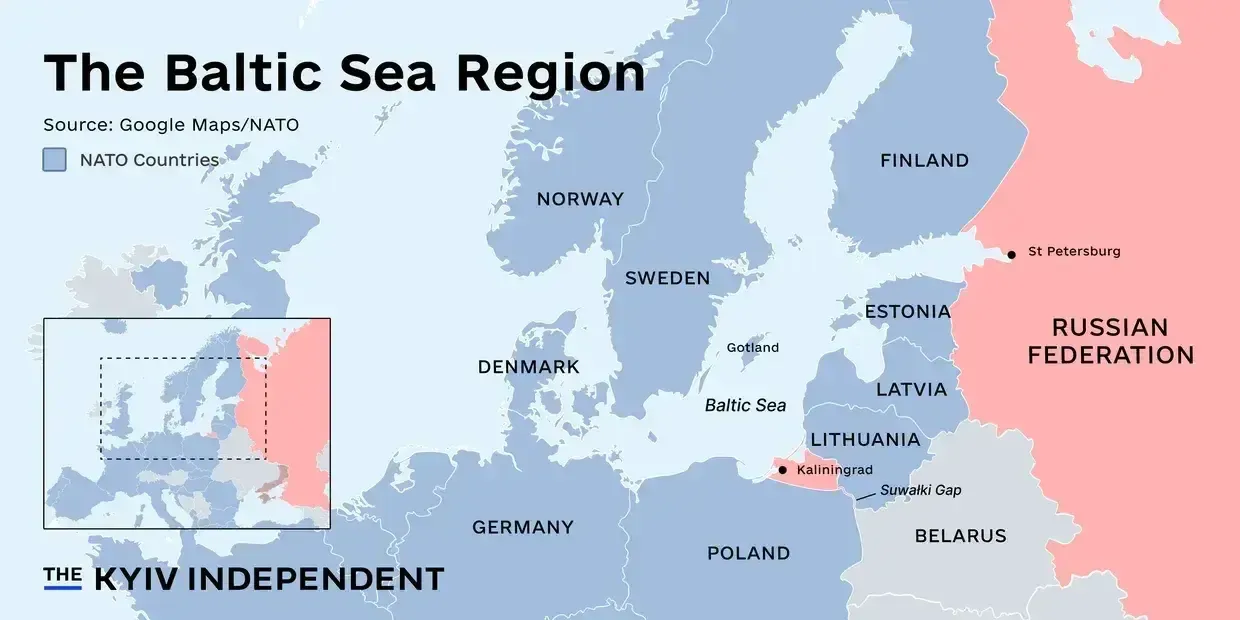
Officials acknowledged on May 7 that the drones were not intercepted because the military could not guarantee the safety of civilians or surrounding infrastructure if they attempted to shoot them down over populated areas.
Latvian Defense Minister Andris Spruds said authorities must weigh multiple factors before deciding to engage aerial targets, especially near civilian areas.
For several days, Latvian officials avoided publicly confirming the drones' origin despite reportedly possessing evidence about where they came from.
It was ultimately Ukraine that clarified the situation.
Ukrainian Foreign Minister Andrii Sybiha said on May 10 that he discussed the incident with Latvian Foreign Minister Baiba Braze.
"The investigations proved that this was the result of Russian electronic warfare deliberately diverting Ukrainian drones from their targets in Russia," he said.
Sybiha said Kyiv was prepared to cooperate with Latvia, Finland, and other Baltic countries to prevent similar incidents in the future.
The explanation aligned with earlier warnings from Kyiv.
Back in March, Sybiha said Ukrainian intelligence believed Russia was deliberately attempting to redirect drones toward Baltic countries and Finland as part of an effort to undermine support for Ukraine.
Defense minister forced out
The political fallout inside Latvia escalated rapidly.
Defense Minister Spruds resigned on May 10 after Silina requested his resignation, arguing that the drone incident revealed failures in defense capabilities.
"The incident... demonstrated that the political leadership of the defense sector has failed to fulfill its promise of safe skies over our country," Silina said.
Spruds faced criticism on multiple fronts.
First, Latvia's military failed to intercept the drones. Second, residents reportedly received air raid alerts only after the danger had already passed.
The episode fueled concerns that Latvia — one of NATO's most vocal supporters of Ukraine and one of the alliance's front-line states — was unprepared for aerial threats.
Spruds defended the military but said he chose to resign to avoid dragging the armed forces into political infighting.

Silina later proposed Latvian army Colonel Raivis Melnis as the new defense minister.
The move triggered the collapse of her parliamentary majority.
Spruds's Progressives party withdrew from the coalition, accusing Silina of mishandling the crisis and failing to provide answers about the response.
According to Suvajevs, a meeting with Silina on May 13 only deepened the rift.
"I did not receive any answers," he said afterward.
What happens next
The Progressives later announced they would begin preparing a no-confidence motion against the government and seek support from other parliamentary factions.
At present, however, opposition forces still lack sufficient votes to immediately bring down Silina's government.
Even if a no-confidence vote ultimately succeeds, Latvia is unlikely to face snap parliamentary elections.
With less than six months remaining before scheduled national elections, parliament is not expected to dissolve early. Under Latvian law and political practice, Silina could remain in office as acting prime minister until a new government forms.
The crisis, therefore, appears more likely to weaken the government politically.
Despite internal disagreements, Latvia's major political forces — from liberals to right-wing populists — broadly share consensus on key strategic issues.
Support for Ukraine, NATO membership, and continued integration with the European Union remains widely supported across Latvia's political spectrum.
That consensus has become especially important as Baltic states increasingly view Russia's war against Ukraine as a direct regional security threat.
The drone incident reinforced those fears.