Analysis: How Ukraine gained the upper hand in the drone war against Russia
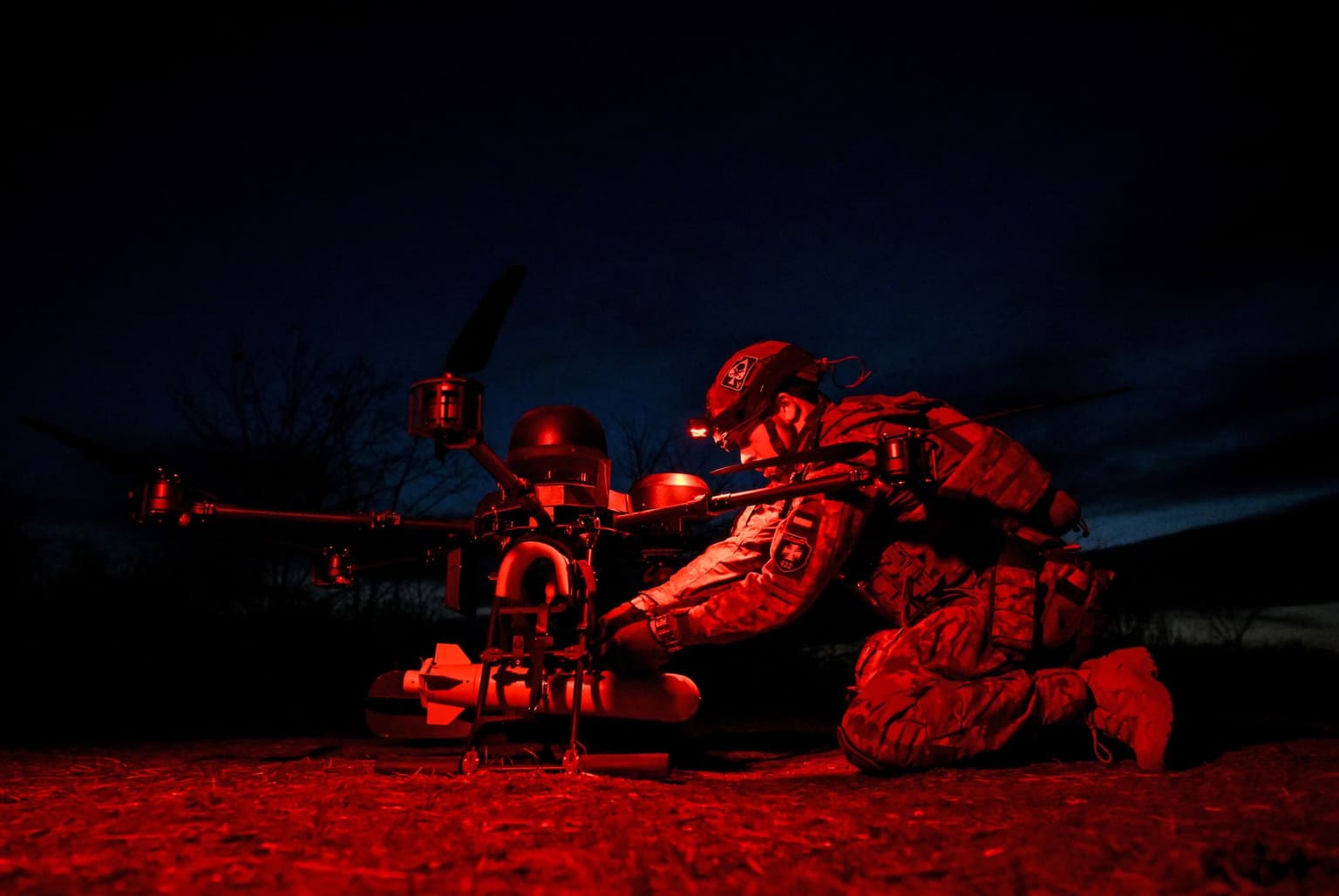
A Ukrainian soldier prepares a Baba Yaga heavy bomber drone before a nighttime training flight in the Zaporizhzhia Oblast, Ukraine, on March 23, 2026. (Dmytro Smolienko / Ukrinform / NurPhoto / Getty Images)
 on Google
More than four years into a full-scale war Russia started but has no clear plan to win or even stop, the balance of power in the drone war has taken a significant shift in favor of Ukraine.
Ukrainian drone programs at every level have begun to outperform Russia’s, and in a war that is increasingly defined by these unmanned platforms, this shift has started to produce tangible results not only on the battlefield, but also now in the skies above Russia.
"Moscow from now on never sleeps," Robert Brovdi, commander of Ukraine’s Unmanned Systems Forces, posted on Telegram on May 17.
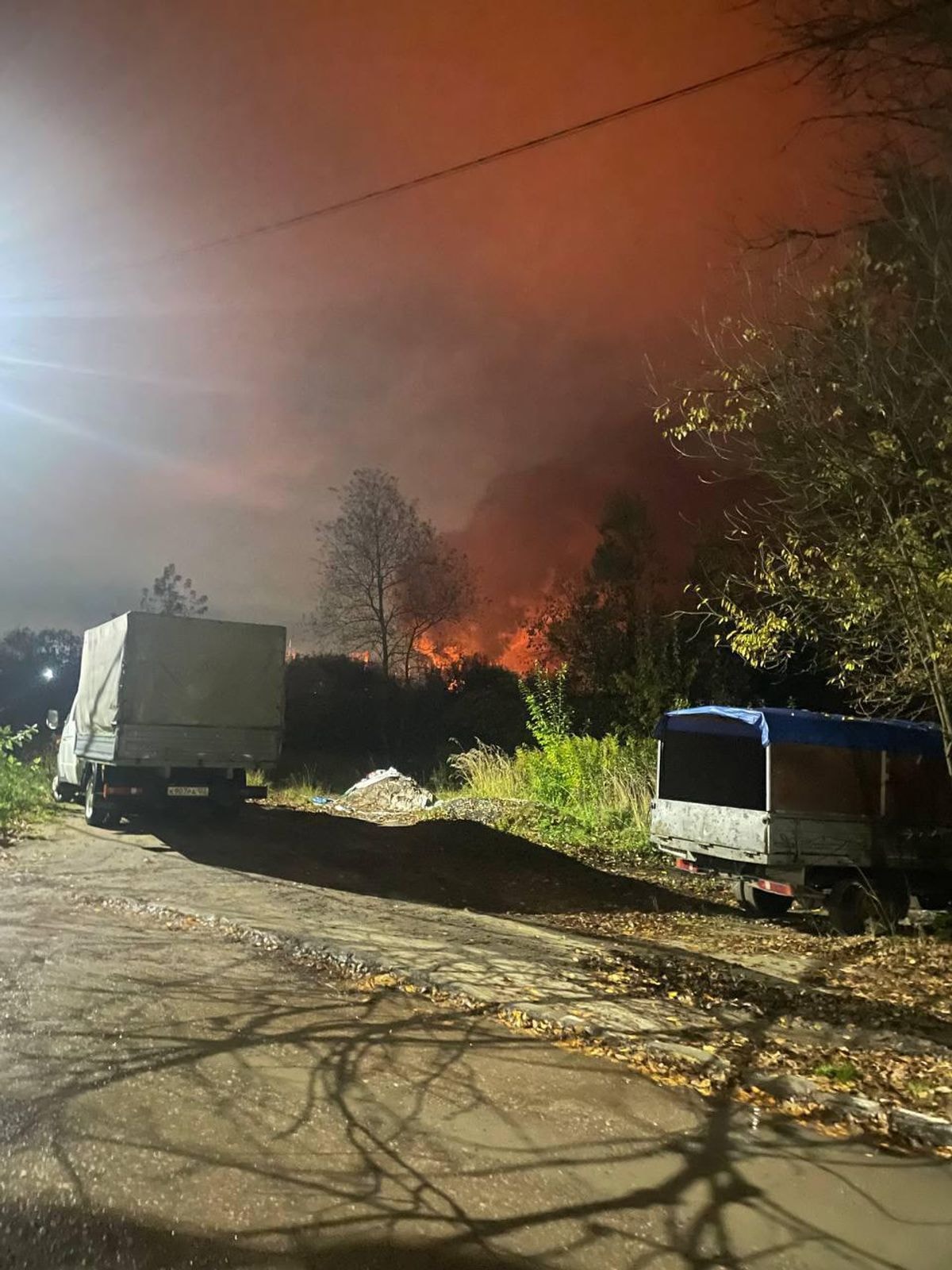
Ukrainian forces had just launched one of their largest aerial raids of the war against targets in Moscow, with drones and cruise missiles striking targets across the Russian capital, including the heavily defended Moscow Refinery.

Footage posted to Russian social media showed Ukrainian drones impacting the refinery, while the Solnechnogorsk oil loading station was seen engulfed in flames, and Russian aviation authorities once again implemented the "carpet" plan, grounding all flights at Moscow’s airports.
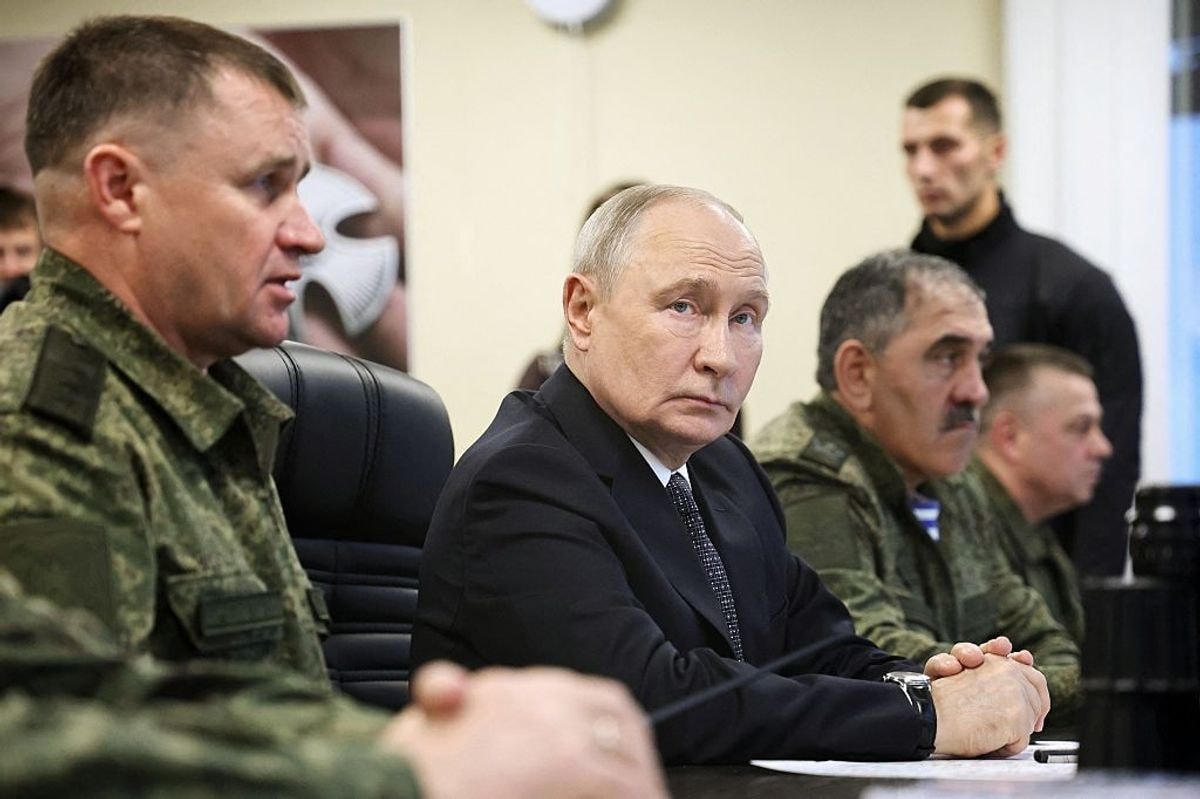
The reach of the Ukrainian drone program and the ability to strike even heavily defended targets around the Russian capital explains the extreme precautions Vladimir Putin’s Russia took to hold its Victory Day parade on May 9th.
Held without the usual array of tanks and armored vehicles, and without the attendance of foreign dignitaries of any significance, the parade was a sorry reflection of the grandiose military parades of former years. Broadcast with a 20 minute delay and under a ceasefire brokered by the United States, an event traditionally viewed as a showcase of Russian military strength instead starkly illustrated Russia’s vulnerability.
"'Thank you for the peaceful sky above our heads' is a customary Russian sentiment expressed every Victory Day," Hanna Notte, an expert on Russian foreign policy, at the Center for Strategic and International Studies told the Kyiv Independent.
"And this year the skies are no longer peaceful, and this is entirely Russia’s own doing."
Tactical
Russia’s myriad of problems with Ukrainian drones start at the tactical level on the front lines. Small drones carrying explosives now account for around 80% of all casualties on the battlefield, and each side uses them extensively for both offensive and defensive operations.
"Russia achieved literally nothing during their spring offensive," Dmytro Putiata, a drone operator with Ukraine's 20th Unmanned Systems Brigade and an expert in drone warfare, told the Kyiv Independent.
Russian advances on the battlefield have largely stalled in 2026, as the Ukrainian military has learned to counter Russian infiltration tactics and Ukrainian drones continue to reap a terrible toll on its advancing infantry. Critically, Ukraine is now killing or seriously wounding more Russian soldiers than the Kremlin can recruit.
According to Ukrainian Defense Minister Mykhailo Fedorov, 35,203 Russian soldiers were "eliminated or seriously wounded" during April for which Russia only managed to occupy an additional 141 square kilometers of Ukrainian territory, according to Ukrainian monitoring group DeepState.
This is due to Ukraine "surging ahead" in certain aspects of their tactical level drone usage, as well as developing techniques to counter Russian infiltration tactics, Rob Lee, senior fellow at the Foreign Policy Research Institute and an expert on the Russian military, told the Kyiv Independent.
The consistently high losses Ukrainian drones inflict on Russian infantry for every kilometer Russia advances has also led to their military starting to suffer deficiencies in manpower, with the corresponding decrease in military effectiveness.
"Russian tactics rely on a significant manpower advantage. And if that manpower advantage decreases somewhat then they're going to have less advantage on the battlefield," Lee explained.
The effectiveness of all elements of the Ukrainian drone program has also been enhanced by their ability to use Elon Musk’s Starlink satellite communications system, an ability Russian forces now lack after they were effectively cut off, compounding Russia’s woes.
There is no comparable Russian equivalent to Starlink, which is relatively cheap, almost impossible to jam, and provides extremely fast connection speeds, Lee told the Kyiv Independent, describing the near total removal of Russia’s ability to use the system as truly game changing.
The combination of Russia’s loss of the usage of Starlink, improved Ukrainian tactics, and missteps as Russia attempts to scale its own drone forces have tilted the drone balance of power in favor of Ukraine, both Putiata and Lee argue.

"I don't think they ever surpassed Ukraine, but I think that for a while, Russia had closed the gap last year," Lee believes, which was partly responsible for Russian offensive successes in 2025. Russia’s goal of rapidly scaling their own unmanned systems forces have stalled as attempts to recruit younger and tech savvy graduates for their Unmanned Systems Forces (VBS) have largely failed, leaving the Russian military lacking pilots, Putiata says.
"They had a plan to recruit a lot of students, because they're young, and that's what you need for drone operators. But for four months they only managed to recruit 16% of their target," he said.
Joining the Russian military is simply not an attractive prospect for educated young Russians, who are deterred by the well known brutal conditions at the front and the lack of any enforceable guarantees they won’t be used as expendable assault infantry.
Russia’s attempt to expand their premier "Rubicon" drone unit, previously the most capable drone unit on the Russian side, has resulted in a much larger but less elite formation, as entry standards have dropped. The centralization of Russia’s drone units under the VBS has meant many Russian units losing their own organic drone units, to the detriment of overall Russian military effectiveness.
"Russian maneuver brigades are losing their drone capabilities. And maneuver brigades are, in their case, responsible for defense and for advance," Putiata says.
"They have less drones, less drone operators, less capabilities in general to handle UAVs."
Also impacting Russian FPV drone operations is the soaring cost of fibre optic cable. Russia has heavily invested in fibre optic controlled FPV drones, which are immune to jamming but cost significantly more than radio controlled equivalents.
A 50 kilometer spool of fibre optic cable, which used to cost around $300, now costs around $2500, reducing the ability of Russian drone units to use them en masse — for comparison, a typical radio controlled FPV can cost as little as $350.
Both sides import the majority of their cable from China, often from the same suppliers, but Ukraine is far less reliant on cable controlled drones, making Ukrainian drone operations less impacted by external supply chain shocks.
Middle strike
Russia’s problems at the front are increasingly compounded by a determined and increasingly effective Ukrainian middle strike campaign, hitting targets at the operational level, between 20 and 200 kilometers from the frontline.
Air defense systems, command posts, fuel and ammunition depots, and logistics vehicles are all targets of this campaign.
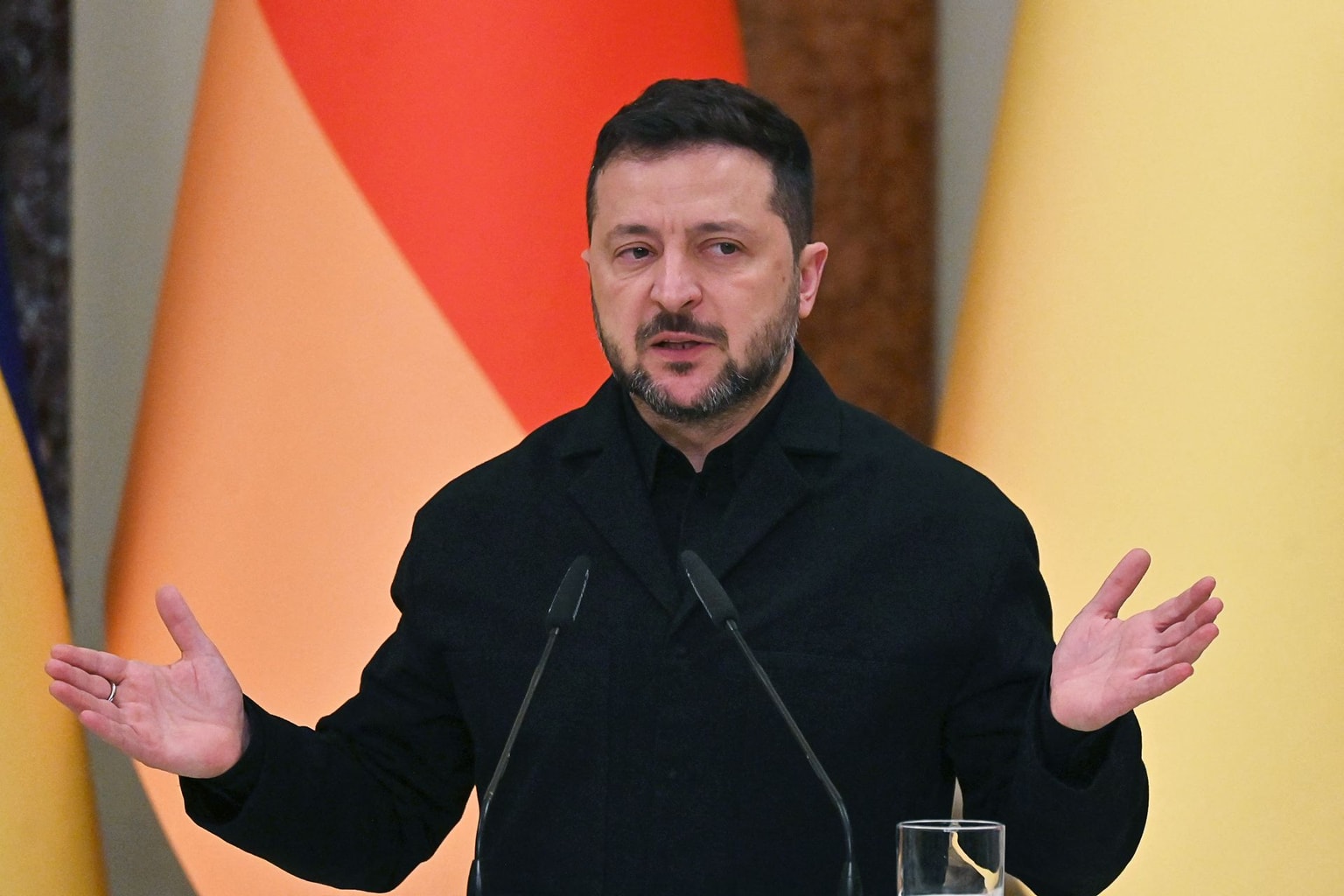
"The number of middle strikes has also grown significantly," President Volodymyr Zelensky announced on X on May 5th.
"There are now twice as many strikes at distances of 20+ kilometers compared with March, and four times as many compared with February. And there will be even more. This is a priority area."
When German Defense Minister Boris Pistorius was given a tour of front-line command centers in May, he was shown dramatic footage of Firepoint FP-2 drones demolishing Russian air defense systems.
The FP-2, a shorter range version of the earlier FP-1, trades the ability to penetrate deep into Russia for a brutally effective 107-kilogram warhead, which is capable of destroying or at least disabling any Russian armored vehicle.

Kyle Glen, an investigator at the Centre for Information Resilience, told the Kyiv Independent they had tracked a 300% increase in Ukrainian attacks on Russian air defense and electronic warfare assets — a key target for Ukraine’s mid-range drones — in March and April, with nearly 80 such systems targeted. Such assets are not only expensive and slow to manufacture, but their continuing attrition makes Russia more vulnerable to subsequent drone raids.
"The danger for Russia is these collective losses of air defense systems effectively leading to a cascading failure, as each individual loss makes further Ukrainian drone raids more effective," Glen told the Kyiv Independent.
Ammunition dumps, fuel depots, and command posts are also targets of Ukraine’s medium-range drones, forcing the Russians to move them ever further from the front line, putting pressure on already strained Russian logistics and complicating command and control.
Some Russian units have been decreasing their use of diesel by up to 20% as a result of this campaign, Putiata claims.
"Before this middle strike campaign, they held everything at approximately 60 to 80 kilometers from the front line. Right now it's 100 kilometers, 120 kilometers, and in some cases much more. In some cases they have moved their ammunition depots and command posts literally back into Russia, out of occupied Ukraine."
Situating supply depots so far away from the front-line makes supplying troops far more complicated and making it more difficult for Russian commanders to effectively control the battle.
The reach of Ukraine’s middle-strike campaign — and the inability of Russia to seemingly do anything about it — was dramatically illustrated by footage published by the National Guard’s Azov Corps on May 8, showing their Hornet drones flying unmolested above the Russian occupied Ukrainian cities of Donetsk and Mariupol.

Developed by former Google CEO Eric Schmidt’s Perennial Autonomy, and only costing around $5,000 (for comparison, the Russian Zala Lancet X-51, which has a similar range and sized warhead costs around $68,000) the Hornet has a range of up to 200 kilometers, can carry a five kilogram warhead, and is capable of semi-autonomously engaging targets.
In the footage shared by Azov Corps, Hornet drones can be seen hunting for Russian logistics vehicles along the H20 and M14 highways around Mariupol, up to 160 kilometers behind the front line, a development that was greeted with extreme displeasure by Russian military commentators, who are well aware of its dire consequences.
"I would say this is an extremely alarming signal for the military group and civilian logistics, but since the war is almost over, I think there's nothing to worry about," Russian military blogger Alexey Zhivov posted on Telegram, in a sarcastic reference to Putin's recent public comment on May 9th that the war was "coming to an end."
Komsomolskaya Pravda war correspondent Dmitry Steshin predicted that unless urgent action was taken about Ukraine's new drones, "in the coming months, logistics will collapse."

Deep strike
Ukrainian long-range drone strikes have become a routine fixture of Russian life, targeting economic and military sites across the country. The lack of one centralized long-range drone program initially meant Ukraine lagged behind Russia, which purchased "Shahed" drones and the technology to manufacture them from in Iran in 2022 and now mass produces them at the "Alabuga Special Economic Zone" in Tatarstan.

The various Ukrainian drone programs, developed from scratch since mid-2022, have matured into a fearsome capability that frequently sees hundreds of drones attacking Russian targets simultaneously, something Russian commentators are well aware of.
"The enemy is on the rise," ex-FSB officer and convicted war criminal Igor Girkin posted on Telegram on May 11th. "They have completed preparations for their strategic program to marginalize our economy through massive drone and missile strikes."
A key target for Ukrainian drones has been targeting Russian oil infrastructure, reducing the Kremlin’s ability to benefit from surging oil prices in the wake of the war in Iran.
Most dramatically, the Tuapse oil terminal in Krasnodar Krai, was struck by a series of four large scale drone strikes between April 16 and May 2, causing extreme damage to the facility, and black, oily rain to fall on the city of Tuapse.

This was just one of a series of similar strikes — on April 29, Ukrainian drones hit the Perm Linear Dispatch and Production Station, 1,500 kilometers from the Ukrainian border, causing six out of ten storage tanks to burn down, and heavily damaging the rest of the facility.
On May 15 "hundreds" of Ukrainian drones targeted the Ryazan oil refinery, according to Russian authorities, causing a major fire. Earlier in 2026, Ukraine waged a campaign against Russian oil infrastructure near the Baltic Sea, hitting and seriously damaging oil loading facilities at the ports of Primorsk and Ust-Luga, as well as causing extensive damage to Kirishi refinery.
Analysis by Reuters assessed Ukrainian drone strikes on Russian oil infrastructure during 2026 caused Russia to have cut oil production by between 300,000 to 400,000 barrels per day in April, the sharpest monthly decline in oil output since the Covid pandemic, although revenues were still up year on year due to increases in the global price of oil due to the war in Iran and temporary American sanctions waivers.
Industrial targets have also been key targets. On the morning of May 8, Ukrainian drones hit the "Radar" Scientific and Technological Center in Rostov, destroying a significant part of the facility.
On May 16, Ukrainian drones struck the Nevinnomyssk Azot plant in Stavropol Krai, one of Russia’s largest producers of chemicals used in manufacturing explosives, setting the facility ablaze.
FPV interceptors
The effectiveness of the Ukrainian deep strike program comes at a time when Ukraine has made significant strides in countering the threat from Russia’s own long-range drones.
Although Russia is still launching record numbers of one-way-attack drones against Ukraine — 1,567 attack drones of various types were launched at the country during Russia’s massive attack that took place on 13 and 14 of May — Ukraine is shooting record numbers of them down.
According to the Ukrainian Air Force, 1,473 drones of various types were shot down or suppressed, an interception rate of 94%.
"We have survived one of the most severe attacks in recent times," advisor to Defense Minister Fedorov Serhiy "Flash" Beskrestnov posted on his Telegram channel, adding that interceptor drones had shot down around 30% of Russian attack UAVs.
"This is a significant percentage that continues to grow."
Interceptor drones have also been used to great effect in combating Russian tactical level reconnaissance and strike drones, again contributing to Russia’s overall malaise on the battlefield.
Ukrainian interceptors regularly destroy Russian Lancet loitering munitions before they can hit Ukrainian targets, and have knocked down thousands of Russian mid-sized reconnaissance drones, severely hampering Russian battlefield surveillance.

Ukrainian interceptor drones have neatly reversed the so-called "cost-exchange problem" where the cost of an air defense interceptor significantly exceeds the price of the munition it is used to shoot down.
A Ukrainian "Sting" interceptor, which was responsible for shooting down over 300 drones during Russia’s aerial assault on 13 and 14 of May, costs around $2,300, a fraction of the cost of a Russian Shahed-type drone, which are believed to cost at minimum $35,000 for the most basic models.
Even more important than the simple cost is the fact that while Russia’s Shahed-type drones can be built on an industrial scale, Ukraine’s FPV interceptors like the "Sting" are even more scalable, manufactured from commercially available parts using 3D printed fuselages.

Ukrainian success in countering these drones has not gone unnoticed outside of the country. By March, over 200 Ukrainian drone pilots had already deployed to the Persian Gulf, according to Zelensky, to help combat Iranian drones, and Kyiv inked a series of defense agreements with Saudi Arabia, the United Arab Emirates and Qatar, with a historic drone deal between Ukraine and the United States "currently being reviewed by both sides at different institutional levels" according to Ukrainian Ambassador to the United States Olha Stefanishyna.
Despite President Trump confidently asserting in March that "we don't need their help in drone defense. We know more about drones than anybody," Ukraine is already helping the U.S. military counter Iranian drones, deploying the "Sky Map" anti-drone command and control platform at Prince Sultan air base in Saudi Arabia after Iranian Shahed drones caused more than a billion dollars worth of damage to U.S. facilities in the Gulf.
Impact on Russia
"Ukraine has a greater ability to inflict pain on Russia than at any point previously, and that ability is not going to go away," Notte told the Kyiv Independent.
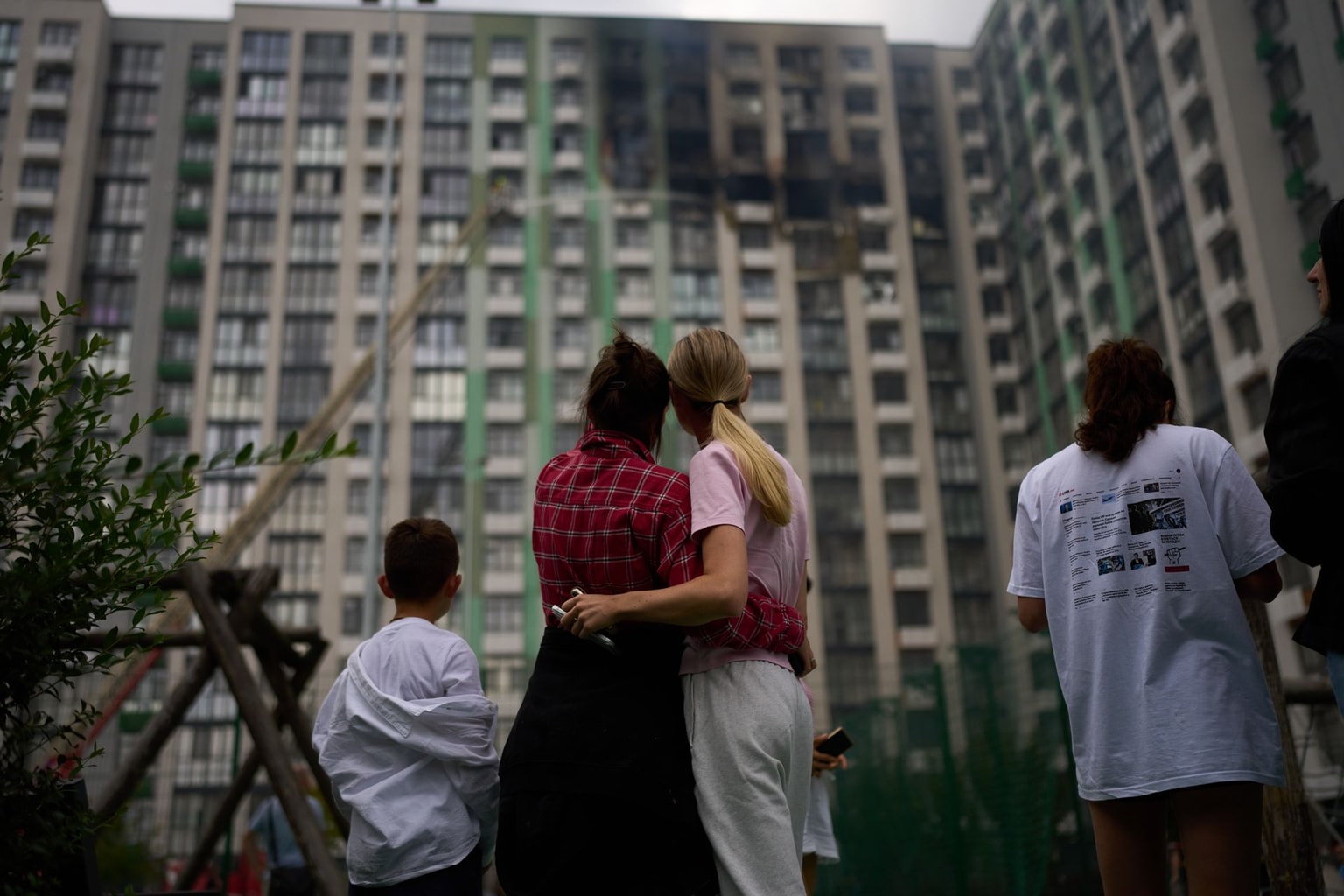
Ukraine’s program of deep strikes particularly have brought the war home to Russian citizens in a way they can no longer ignore, and the Kremlin’s response to the threat of Ukrainian drones — including introducing a raft of restrictions on mobile internet usage — have inconvenienced ordinary Russians while not having any apparent impact on the ability of Ukrainian drones to find and hit their targets.
"Our long-range capabilities are significantly changing the situation — and, more broadly, the world’s perception of Russia’s war," Zelensky said in his daily address on X, after May 17’s massive Ukrainian drone strike on Moscow.
The Ukrainian strikes have definitely changed the perception of the war inside Russia. The grand bargain Putin made with Russian society at the start of his "special military operation," that Russians didn’t need to support the war, but they could effectively ignore it if they wanted, has now been resoundingly broken.
"There’s a growing sense in Russian society that there's no clear endgame," Notte argues. "Russia is now in the fifth year of this war and Russians don’t really understand where it's going."

"The tide on the battlefield is definitely starting to shift in Ukraine's favor," Michael Carpenter, former United States Ambassador to the Organization for Security and Cooperation in Europe, told the Kyiv Independent.
"Ukraine's innovation in uncrewed defense technologies, doctrine, and operational concepts have negated Russia's two major strategic advantages: its much larger population and vast geographic depth. With refineries now being hit hundreds of kilometers from the front lines and with 35,000 casualties a month, Moscow now has to ask itself whether the continued prosecution of the war is bringing net advantages or simply piling up unsustainable losses that will leave Russia strategically exposed and spent," he said.
Ukraine’s advances in the drone technology race presents a series of compounding problems for the Russian military. Effective Ukrainian middle strikes targeting Russian air defenses increases the impact of the Ukrainian deep-strike campaign, while middle-strikes against command points and logistics centers decreases Russian military effectiveness at the tactical level, helping Ukraine’s ever more effective FPV teams to hold back the Russian advance. And Ukraine’s drone capability will only continue to get stronger.
"All of this together suggests that the strategic picture for Russia in Ukraine is looking increasingly bleak," Notte says.
Author's note:
Hi, this is Jimmy. Thanks for reading this analysis.
Ukraine’s growing advantage in the drone war is one of the most important shifts in the conflict, but tracking it is not straightforward. It means following battlefield tactics, shifts in production and technology, and the pattern of strikes deep inside Russia.
If you value this kind of analysis from Kyiv, please consider joining the Kyiv Independent’s community and supporting our work.