Is Vladimir Putin getting tired of Russia's war in Ukraine?
Facing mounting military and economic strain, Putin is reshaping the narrative around Russia’s war in Ukraine without abandoning his maximalist demand.
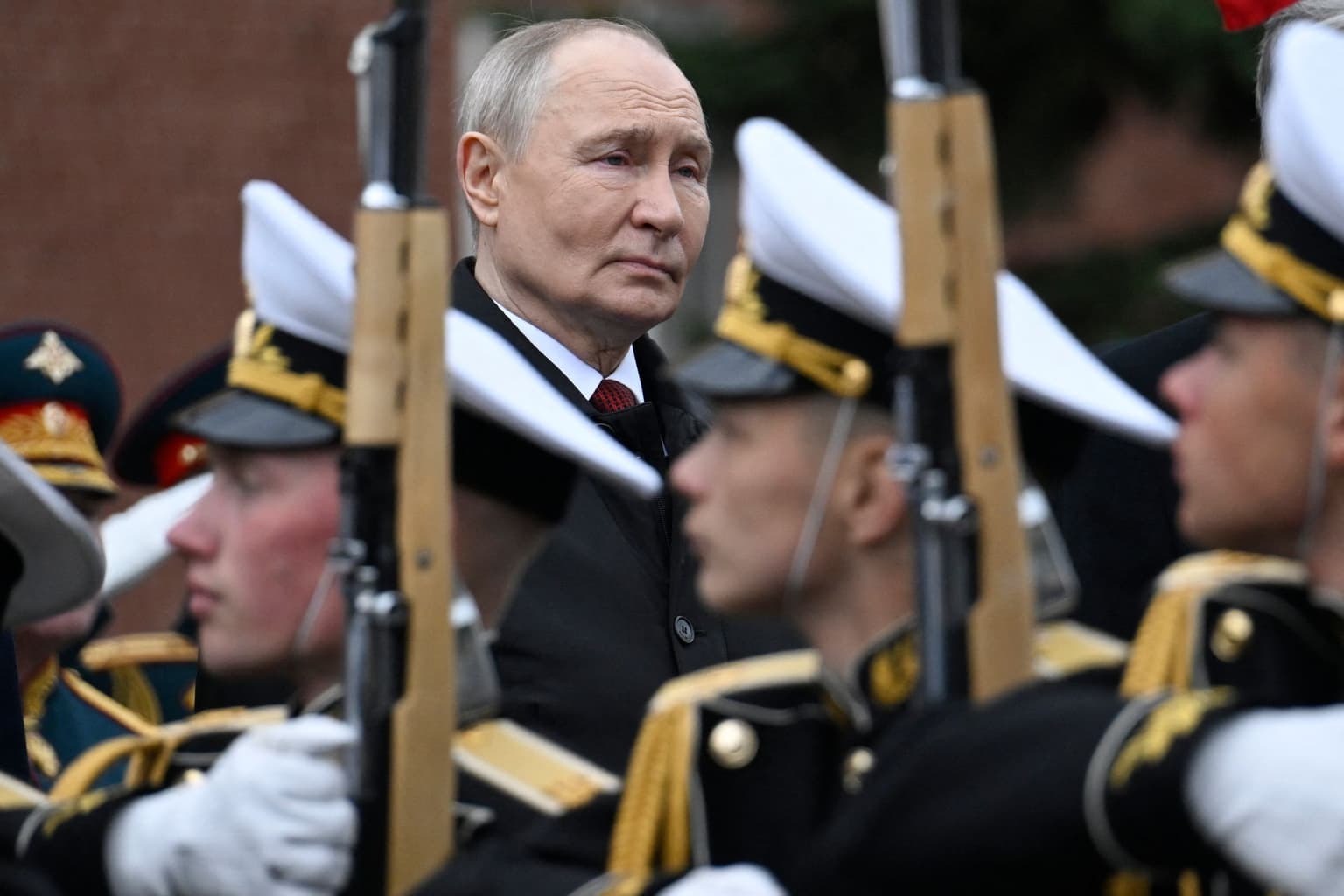
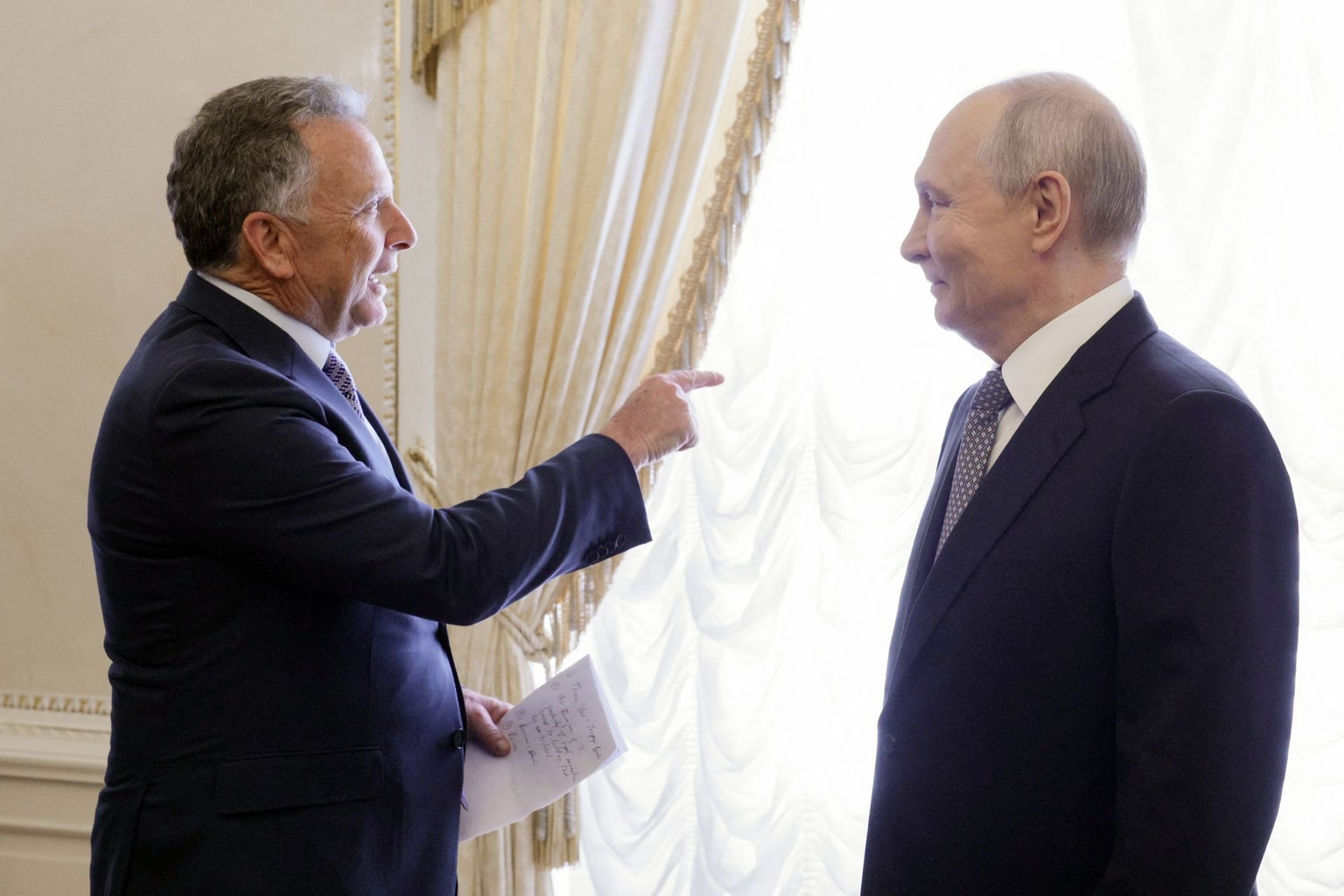
Russian President Vladimir Putin attends a ceremony to lay flowers at the Tomb of the Unknown Soldier by the Kremlin wall in central Moscow, Russia, on May 9, 2026. (Alexander Nemenov / POOL / AFP / Getty Images)
 on Google
After presiding over the smallest Victory Day parade of his rule, Russian President Vladimir Putin shifted tone on his country's war against Ukraine.
"I think (the war in Ukraine) is coming to an end," Putin told journalists on May 9 — a statement that drew attention because it was the first of its kind in four years.
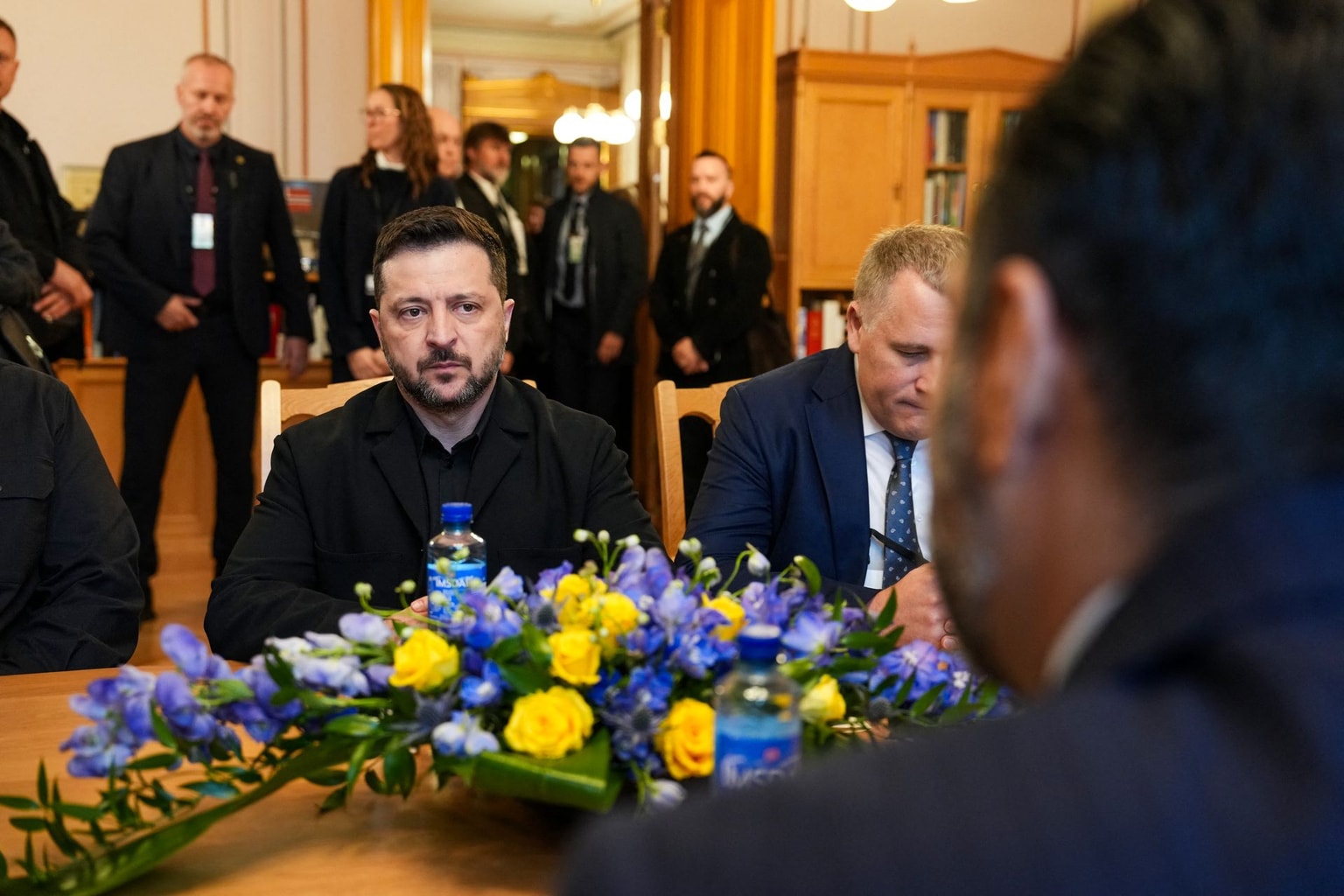
Putin also avoided many of the triumphalist talking points that have defined his public appearances. And for perhaps the first time in years, he publicly referred to President Volodymyr Zelensky as "Mr. Zelensky."
"This is slightly new language from Putin," said John Lough, senior research fellow and head of foreign policy at the New Eurasian Strategies Center. In previous years, Putin routinely described the Ukrainian president as a "neo-Nazi drug addict."
The remarks came at a moment when Russia faces mounting military, economic, and political pressure despite continuing offensive operations in Ukraine.
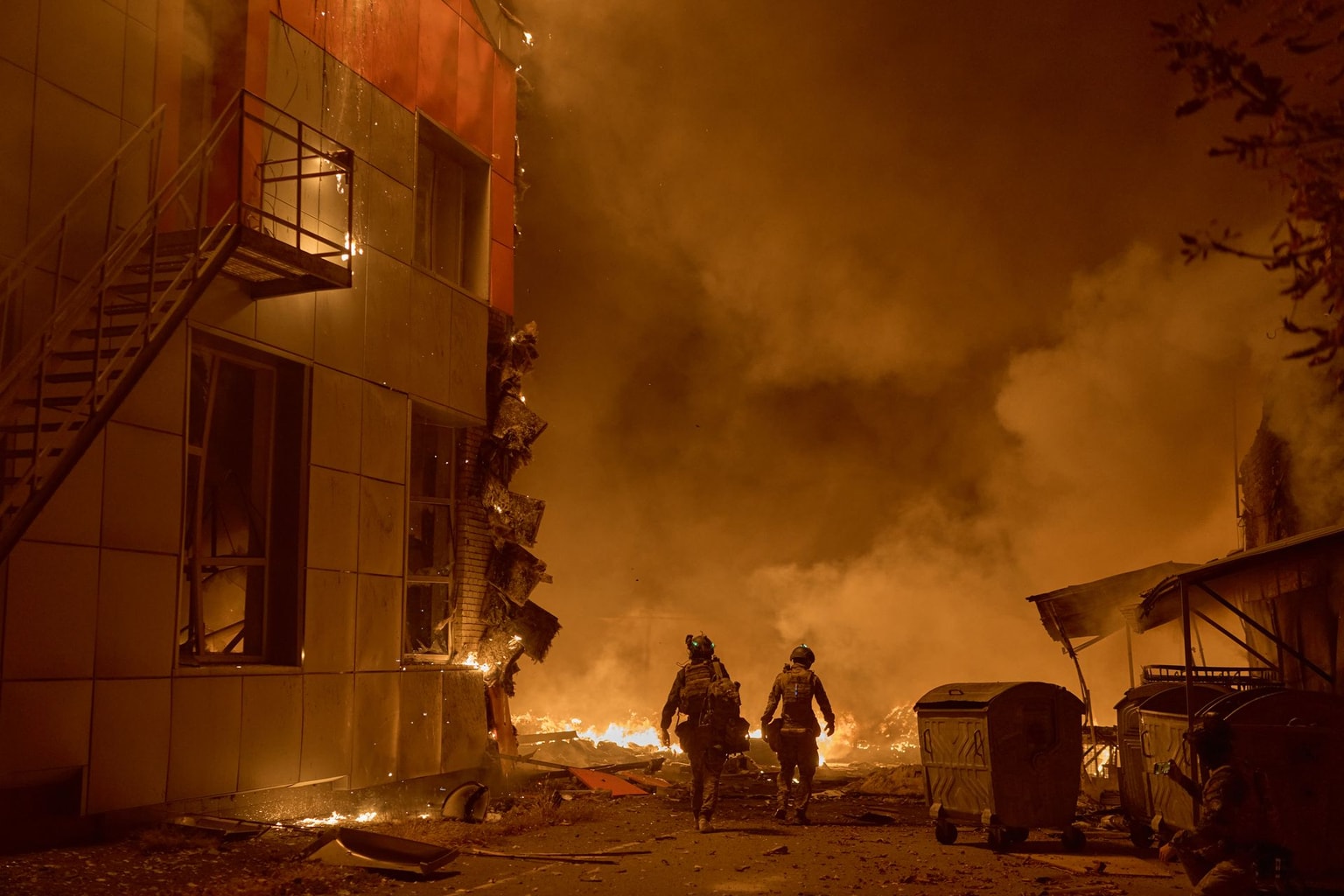
A few days later, however, Russia launched another mass missile attack against Ukraine, killing and injuring dozens of civilians in Kyiv.

"His statement is therefore best read as tactical populism: telling Russians that the end is visible, while telling Ukraine and the West that the price of that end remains political surrender," said Gregoire Roos, director of the Europe, Russia and Eurasia programs at Chatham House.
Russia's system revolves around Putin
Understanding the importance of Putin's comments requires understanding how power functions in modern Russia.
Russia is described as a personalist autocracy — a system where political authority is concentrated almost entirely in the hands of one individual.
In practice, this means one thing above all else: Russia's war continues because Putin personally wants it to continue.
That reality also explains why U.S. President Donald Trump has failed to secure any meaningful breakthrough in peace talks despite repeated outreach to Moscow.

Trump's approach — centered around dealmaking, sanctions relief, and diplomatic incentives — ultimately ran into the same obstacle: Putin himself.
The Russian president has rejected proposals that would require compromise while continuing to insist on maximalist demands that Ukraine considers unacceptable.
Putin himself has, at times, openly hinted at the psychological logic behind the Kremlin's wartime mentality.
"When everything is calm… we get bored — we want some action," he said during his annual press conference in 2024.
The Kremlin launched the invasion expecting a quick victory. Instead, it received a prolonged war with no clear end and security concerns inside Russia itself.
"As soon as the action starts, though, everything whistles past your head — shells and bullets flying by — and suddenly it's scary, terrifying. But not absolutely terrifying."
That worldview helps explain why even substantial concessions floated by Washington — including discussions about sanctions relief and recognition of Russia's occupation of Ukraine's Crimea — failed to move Moscow closer to ending the war.
For Putin, critics argue, Trump's transactional diplomacy was unlikely to fundamentally alter the Kremlin's calculus.
The war does not directly threaten Putin's personal wealth or grip on power yet.
What changed?
The battlefield reality, however, facing Russia today differs from the ambitions Moscow had at the start of the full-scale invasion.
When Russia launched its all-out war in February 2022, Putin expected a rapid collapse of Ukrainian resistance. Russian troops advanced toward Kyiv, Kharkiv, and southern Ukraine under the assumption that the government would quickly fall.
Instead, Russia was pushed back.
Russian forces withdrew from northern Ukraine in spring 2022 after failing to capture Kyiv, and since then, Moscow has struggled to secure any breakthrough capable of changing the course of the war.
More than four years into the all-out invasion, the front line has largely hardened into a grinding war of attrition.
Recent months have brought little territorial movement despite Russian losses.
At the same time, Ukraine significantly expanded its long-range strike campaign against Russian infrastructure.
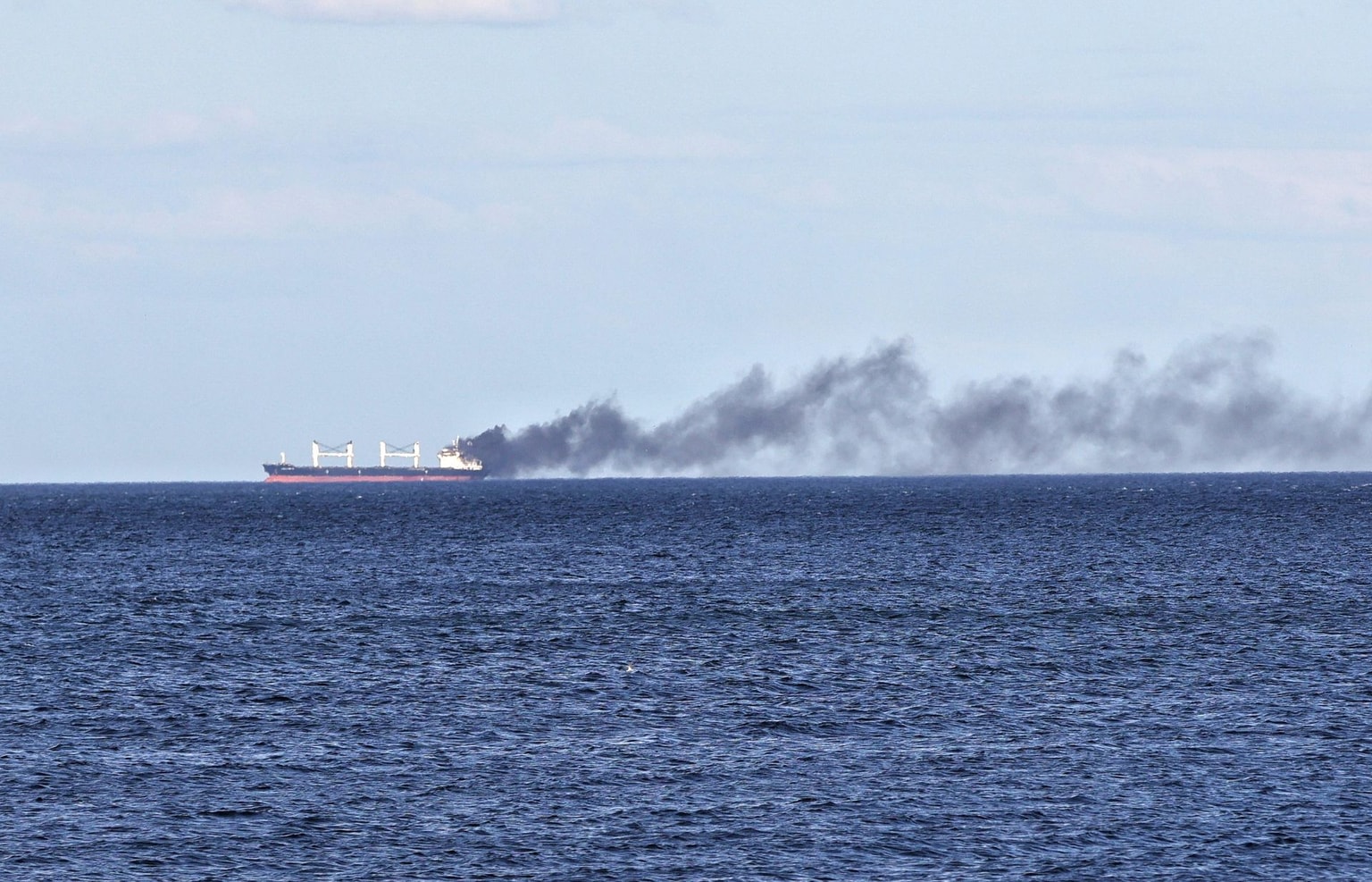
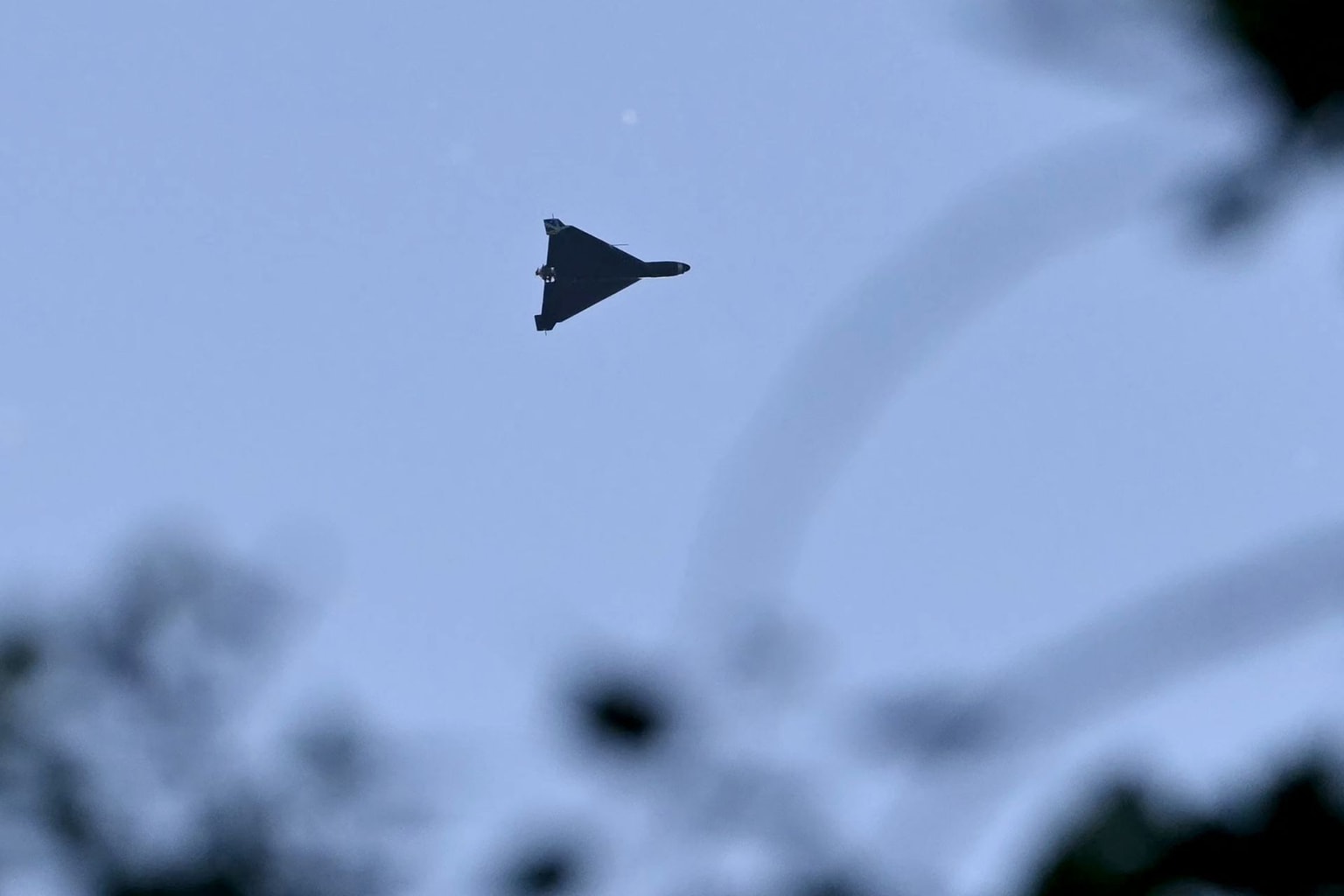
Almost nightly, Ukrainian drones target oil refineries, military airfields, ammunition depots, and industrial facilities deep inside Russia.


One of the Kremlin's central wartime strategies — attempting to break Ukrainian morale through systematic attacks on energy infrastructure during winter — failed to produce the collapse Moscow hoped for.
David Marples, a distinguished professor at the University of Alberta, said Russia increasingly faces pressure both on the battlefield and inside its economy.
"Russia is losing more troops than it can replace without opting for full conscription," Marples said.
According to him, the Kremlin relies on prisoners, short-term contract recruits, foreign fighters, and financially incentivized volunteers to sustain offensive operations.
"Ukrainian drones are hitting Russian oil refineries with regularity, which is far more effective in slowing its economy than sanctions are," Marples added.
The Kremlin launched the invasion expecting a quick victory. Instead, it received a prolonged war with no clear end and security concerns inside Russia itself.
Putin's growing fears
One of the clearest signs of the Kremlin's anxiety has emerged online.
Following the killing of the Iranian leadership and the capture of Venezuelan dictator Nicolas Maduro, Russian authorities intensified restrictions on internet access.
Since May 2025, Russia has experienced recurring fixed-line and mobile internet shutdowns across multiple regions.
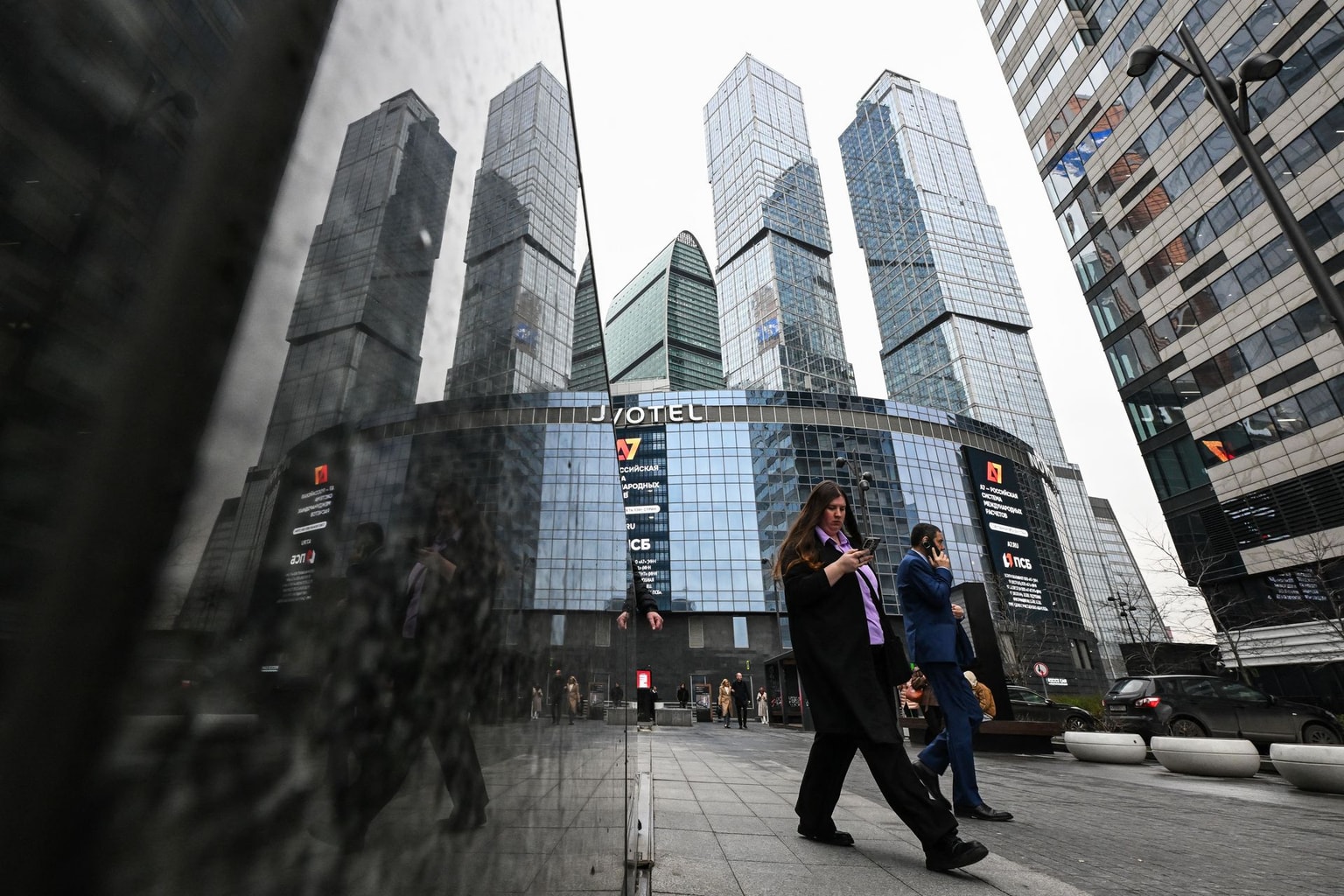
In March 2026, authorities started cutting off mobile internet and public Wi-Fi in Moscow itself. Similar restrictions later spread across Moscow Oblast.
According to Russian independent outlet the Bell, control over internet infrastructure has shifted toward the Second Service of the Federal Security Service (FSB), the branch responsible for counterterrorism and "protecting the constitutional order."

The shift coincided with wider crackdowns on VPN services and disruptions to WhatsApp and Telegram.
Sources cited by the Bell described the development as a major transformation in the Kremlin's approach to digital governance.
Previously, technical divisions oversaw internet regulation. But now, according to reporting, politically oriented security structures dominate the system.
That fear became especially visible ahead of Russia's Victory Day parade.
Authorities shut down mobile internet services in Moscow and St. Petersburg beginning on May 5, citing fears of Ukrainian drone strikes.
Just days before the parade, a drone struck a building in the Russian capital, reinforcing fears that even the Kremlin's most symbolic event could not be fully secured.
Victory Day remains central to Putin's political mythology.
"Kremlin is thinking seriously about finding a way out."
The parade is meant to project Russian military strength. Yet any disruption — or a strike nearby — could produce a less controlled image: security services rushing to evacuate the Russian president, hardly the symbolism the Kremlin aims to project.
Moscow sought U.S. involvement to help ensure the parade proceeded safely.
Trump later announced a temporary ceasefire surrounding the event, while Zelensky formally signed an order "allowing" the parade to proceed without Ukrainian strikes.
At the same time, Ukraine secured a prisoner exchange agreement with Moscow.
"They traded the absence of drones in Moscow (on May 9) for 1,000 prisoners," one senior Ukrainian official told the Kyiv Independent.
Putin later reserved special praise for the "courageous" foreign leaders who, despite fears of attacks, still chose to appear on Moscow's main square for the parade.

Such developments also appear to shape public sentiment inside Russia.
While approval ratings in authoritarian states offer limited insight into genuine support for national leaders, broader indicators can be more telling.
The share of Russians who say people around them are feeling anxious has risen to 53%, according to Russia's pro-government Public Opinion Foundation, amid internet restrictions and renewed discussion of a possible mobilization.
The figure is notable because it is seven percentage points higher than in August 2024, when Ukraine launched its incursion into Russia's Kursk Oblast.
That atmosphere formed the background for Putin's softer rhetoric.
What Putin's remarks actually signal
Analysts caution against interpreting Putin's comments as evidence that the Kremlin abandoned its war aims.
Russia's core negotiating demands remain largely unchanged.
Moscow still insists on Ukrainian territorial concessions, recognition of occupied territories, and addressing what the Kremlin calls the "root causes" of the war.
Russia continues to send infantry to storm Ukrainian positions across the entire front and launch waves of missiles and drones targeting civilian infrastructure in the rear.
Still, experts believe the Kremlin increasingly recognizes that the current phase of the war carries risks.
Lough said signs of war fatigue are becoming more visible inside Russia.
While the Russian economy is "not about to collapse," he noted that Russian forces are advancing "at half the speed compared to last year" while struggling to replenish losses.
"It's becoming less comfortable for Putin to fight the war," Lough said.
According to him, the Kremlin appears to be searching for ways to eventually frame an exit from the war as a victory despite failing to achieve its objectives.
Lough noted reports that Russia's presidential administration has already begun preparing domestic messaging to present any future settlement as a success.
"This suggests that the Kremlin is thinking seriously about finding a way out," he said.
Marples similarly argued that the rhetoric may partly target Trump by portraying Russia as open to negotiations while framing Ukraine as the obstacle to peace.
The Kremlin itself has since attempted to temper expectations.
Asked on May 12 whether Putin's remarks meant the war could soon end, Kremlin spokesperson Dmitry Peskov said Moscow sees signs the war is approaching its conclusion but declined to discuss concrete timelines.
"At this point, we cannot talk about any specific details in this context," Peskov said.
Roos said Putin is not signaling surrender or exhaustion so much as attempting to politically manage growing public fatigue.
"He knows that the Russian society increasingly wants an end to the war, but largely on terms that do not feel like defeat," Roos said.
"The Kremlin may be reassessing the management of the war, but not yet its core objectives."
read also
Note from the author:
Hi, this is Tim Zadorozhnyy, the author of this article.
From our newsroom in Ukraine, we report on the issues that matter to a global audience, without outside influence. Independent journalism is only possible with reader support. If you value our work, please consider supporting us — it makes a real difference.