Montenegro to expel founder of Russian war blog Rybar, citing security reasons
 on Google

Editor's note: The story has been updated with the latest details.
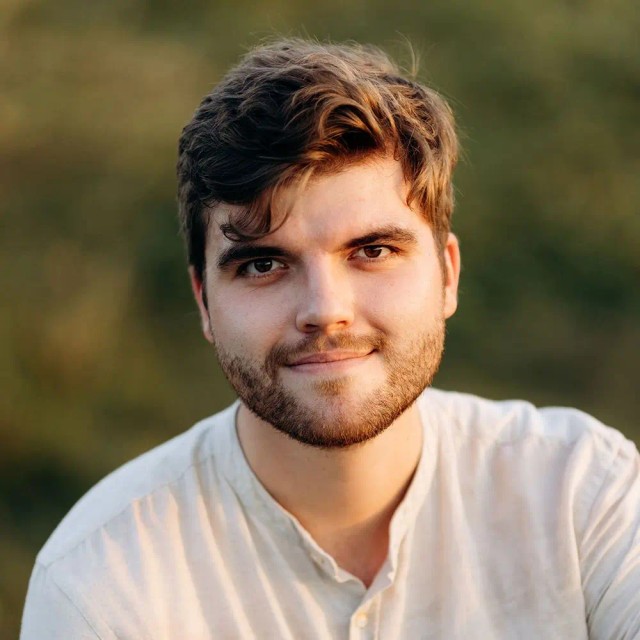
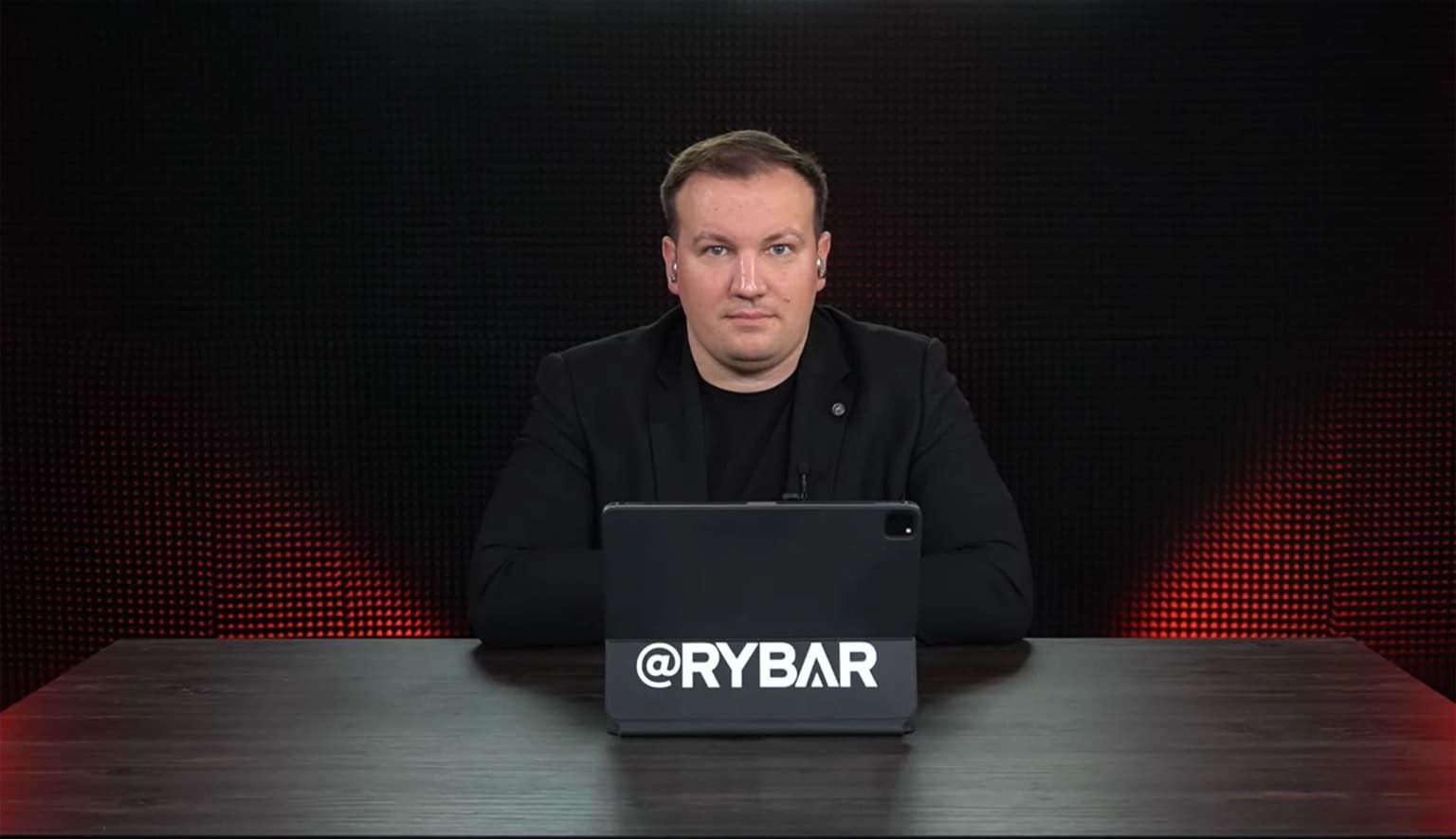
Montenegrin authorities decided to expel Mikhail Zvinchuk, the founder of the pro-Kremlin war blog Rybar, and four other Russian citizens for national security reasons, the local newspaper Vijesti reported on Oct. 9.
The blogger, his wife Valeria Zvinchuk, and three other associates — reported to be Sergei Belous, Pavel Lekatorchuk, and Kira Doroshenko — were detained earlier on Oct. 9 by Montenegrin law enforcement and security authorities in the town of Risan.
Zvinchuk is the founder of Rybar, one of Russia's most popular pro-war blogs, with over 1.5 million followers on Telegram. It focuses on battlefield developments in Ukraine while promoting pro-Russian propaganda about the war.
The channel's staff has been subject to U.K. and EU sanctions, and the U.S. announced a $10 million reward in 2024 for information on Rybar's activities.
"Today, employees of the Police Department, together with the National Security Agency and with the support of international partners, conducted a targeted and coordinated operation aimed at preventing, detecting, and neutralizing illegal activities on the territory of Montenegro," the Balkan country's police said.
The swift response prevented "potentially harmful actions" by the group on Montenegrin territory, according to the law enforcement agency.
The group was said to have arrived in the country less than two days ago. During the investigation, the Montenegrin police seized sophisticated digital equipment, including a drone, cameras, and several phones.
"Following the results of the criminal, operational, and intelligence investigation, it was established that these individuals cannot continue to stay in Montenegro, and in accordance with the Law on Foreigners, a decision was made to expel them for reasons of national and internal security," the police said.
Montenegrin Prime Minister Milojko Spajic previously confirmed Zvinchuk's detention, without disclosing further details about the operation.
"Montenegro is protecting its interests, and no one will jeopardize our European future," Spajic said on X.
Montenegro, a small nation in the Western Balkans, joined NATO in 2017 and is currently leading talks to join the EU.
Russia's Embassy has requested that Montenegro's authorities clarify the reasons for the detention of Zvinchuk and other Russian citizens, Russian state news agency TASS reported earlier on Oct. 9.
Separately, Kremlin spokesperson Dmitry Peskov said that Russian diplomats will work to protect Zvinchuk's rights.
Dmitry Medvedev, the deputy chairman of Russia's security council and former president known for his inflammatory rhetoric, issued threats against the West over the propagandist's detention.
"Now we will quite likely have to replenish our exchange pool with European and American morons to get our own people out," Medvedev said on his Telegram channel.