EU sanctions Xenia Fedorova for brainwashing France with Russian propaganda
 on Google
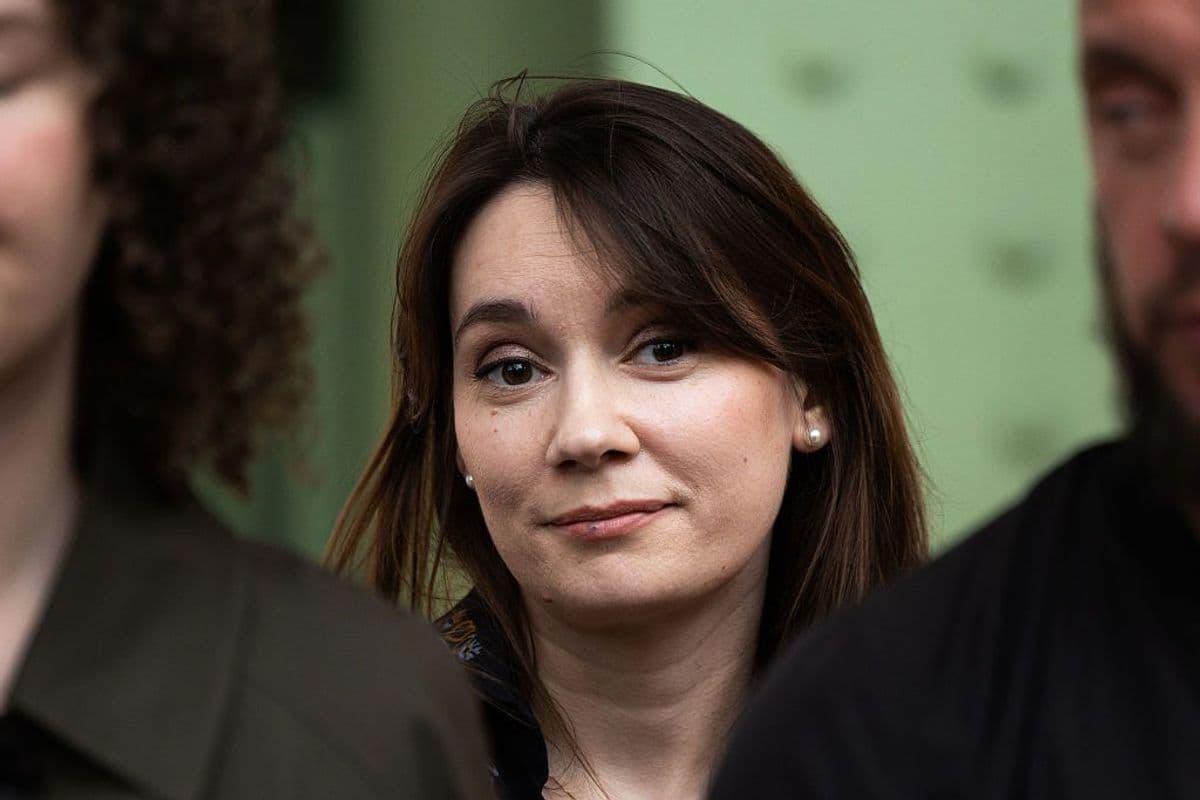
The EU agreed to sanction the former head of the Kremlin media outlet RT France, Xenia Fedorova, on Sept. 24, for spreading pro-Russian narratives and supporting Moscow's hybrid war on Europe.
Fedorova ran RT France from 2017 until it was forced to shut down by EU sanctions.
Since then, she has "continued to disseminate in French media such as CNews, Europe 1, and Le JDNews, narratives aligned with those promoted by the Russian authorities," reads an EU press release announcing the sanctions.
"Our determination is total: those who think they can carry out hostile moves against our democracy with impunity will face consequences," French Foreign Minister Jean-Noel Barrot wrote on social media as the new sanctions were adopted.
Fedorova portrayed European support for Ukraine as prolonging the war; presented Russia as seeking peace with a confrontational Europe; cast doubt on Russia's abduction of Ukrainian children; and portrayed European and NATO policies as threats to European security, reads the official EU sanctions listing.
French authorities also said that her "conduct undermines the fundamental interests of the state," and her continued presence on French territory "therefore constitutes a particularly serious and immediate threat to public order, in a July deportation order to Fedorova."
The sanctions mean that Fedorova's assets in Europe will be frozen, and EU citizens and companies are forbidden from making any funds or economic resources available to her.
Foreign Information Manipulation and Interference (FIMI) by propagandists such as Fedorova has become an increasingly important issue for EU policymakers as Russia steps up its hybrid war on Europe.
In addition to the 101 actors sanctioned so far by the EU for FIMI efforts, the bloc has partnered with Ukraine to analyze Russia's attempts to distort the information space; established a Hybrid Rapid Response Team to help third countries counter FIMI — most recently deployed in Armenia; and is setting up a Center for Democratic Resilience to protect democracy in the EU.
Concerns are high, especially for 2027, when many EU countries, including France, Spain, Italy, Poland, and Greece, are set to hold elections.
And the campaign for France's presidential election, not set to take place until April 18, 2027, is already underway, with candidates making support for Ukraine a key issue.