At least 1,144 children killed or injured in Ukraine during Russia's war this year, UNICEF says
 on Google

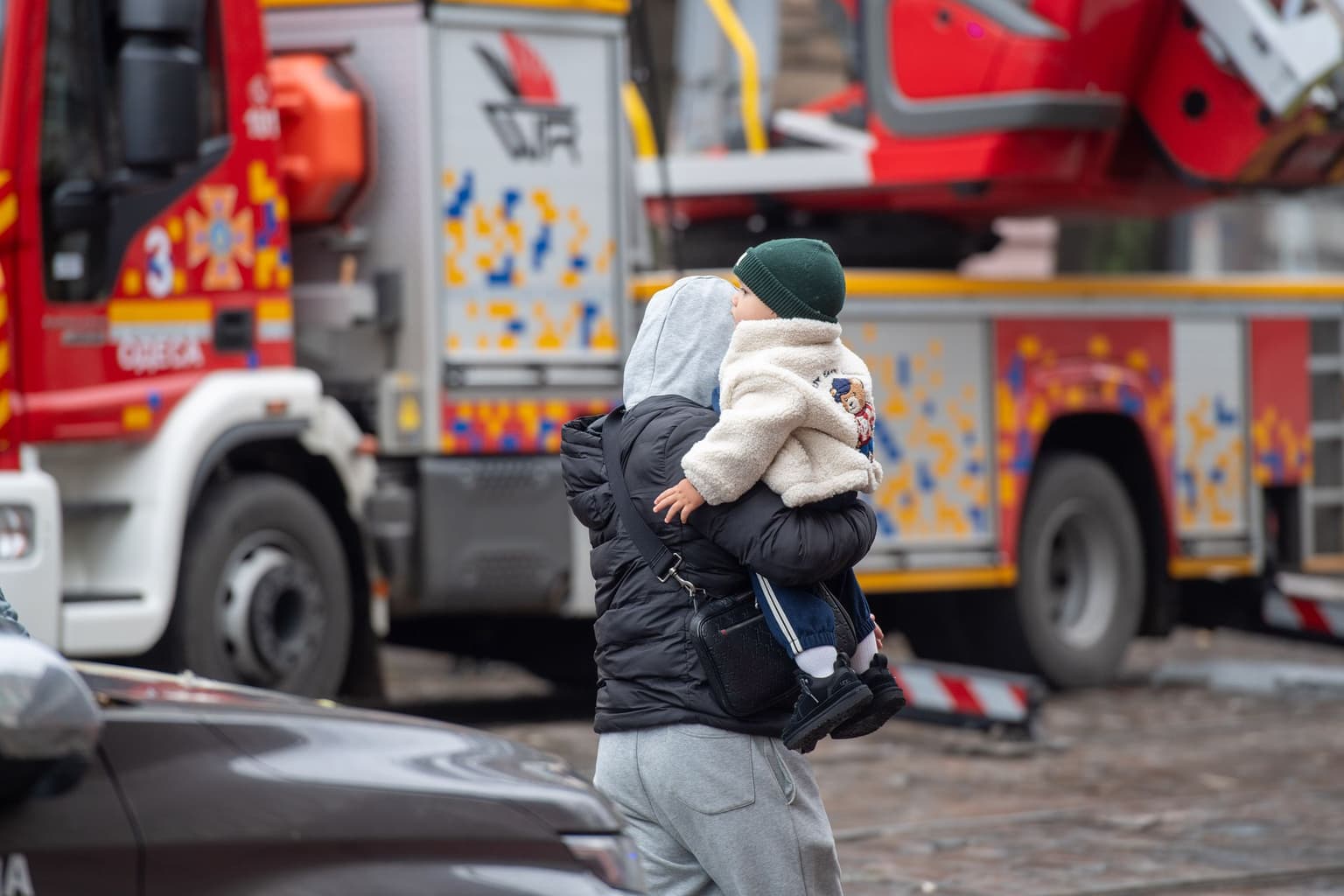
At least 1,144 children were killed or injured in Ukraine between January and October 2026, the highest number of verified child casualties in the last three years of Russia's war, UNICEF said on Nov. 20 — recognized as World Children's Day.
As fighting along the front line remains largely entrenched, Russia's long-range strikes continue to hit Ukrainian cities and civilian infrastructure across the country, putting children, including those far from the front lines, at risk.
UNICEF published its numbers on World Children's Day as a huge, hours-long Russian missile and drone attack on Ukraine overnight on Nov. 20 killed at least nine people, disrupted electricity, heating and water supplies, and damaged three bridges in Kyiv.
"Children have been paying an unacceptable price for this war for too long. Every child killed is a life and future lost, and every child injured may face lasting physical and psychological consequences. Children must be protected, wherever they are," said UNICEF Representative in Ukraine, Anne-Claire Dufay.
The figures, verified by the UN Human Rights Monitoring Mission in Ukraine, include 114 children killed and 1,030 injured, an average of more than three children killed or injured every day.
The number of children killed in Ukraine this year has already exceeded the total for all of 2025 by more than 20%, while the number of injured children has risen by almost 60%, UNICEF said.
In October alone, child casualties rose by 150% compared with the same month last year, reaching at least 146, UNICEF said.
On Nov. 7, a Russian ballistic missile attack on Kyiv damaged a kindergarten in the capital's Solomianskyi District, where 60 children were enrolled. The building was left unusable, forcing the children to attend elsewhere, UNICEF said.
UNICEF also explicitly mentioned the Russian strike on the village of Komyshuvakha in Zaporizhzhia Oblast that killed at least 72 people on Nov. 2.
On Nov. 2, Russian forces carried out ten aerial bomb strikes, first using FAB-500 bombs, before deploying a FAB-3000 — a 3-ton bomb containing nearly 1.5 tons of explosives with a blast radius of up to 250 meters to attack a school building serving as a humanitarian aid center while residents were receiving aid.
For weeks, as police and rescue workers dug through the rubble searching for survivors and to recover bodies, Russian forces shelled Komyshuvakha eleven times. Nine of those attacks were directly on the site of the rescue operations, Ukraine's Internal Affairs Minister Ivan Vyhivskyi said. These subsequent attacks injured three police officers and four rescue workers.
The threat extends beyond direct attacks. Verified strikes on energy infrastructure in Ukraine have reached their highest level since the start of the full-scale war, with 78% more attacks recorded in 2026 than throughout 2025, UNICEF said.
Last winter, nearly 2 million children in Ukraine were left without heat, electricity, and water as temperatures fell below minus 20 degrees Celsius, the agency added.
In honor of World Children's Day, Ukrainian President Volodymyr Zelensky met with children from different parts of Ukraine, talked with them, and presented them with the Golden Heart and Future of Ukraine awards, the President said on Nov. 20.
"Ukraine fights and lives on because the country has our children — our future, our present, and our life. I thank every one of you for your compassion, courage, and kindness. I am grateful to the parents who support their children and raise them this way," Zelensky said.
UNICEF is the United Nations agency dedicated to protecting the rights, health, and well-being of children worldwide.