Komyshuvakha rescue operations cease two weeks after Russian strike, 72 dead, 4 still missing
 on Google

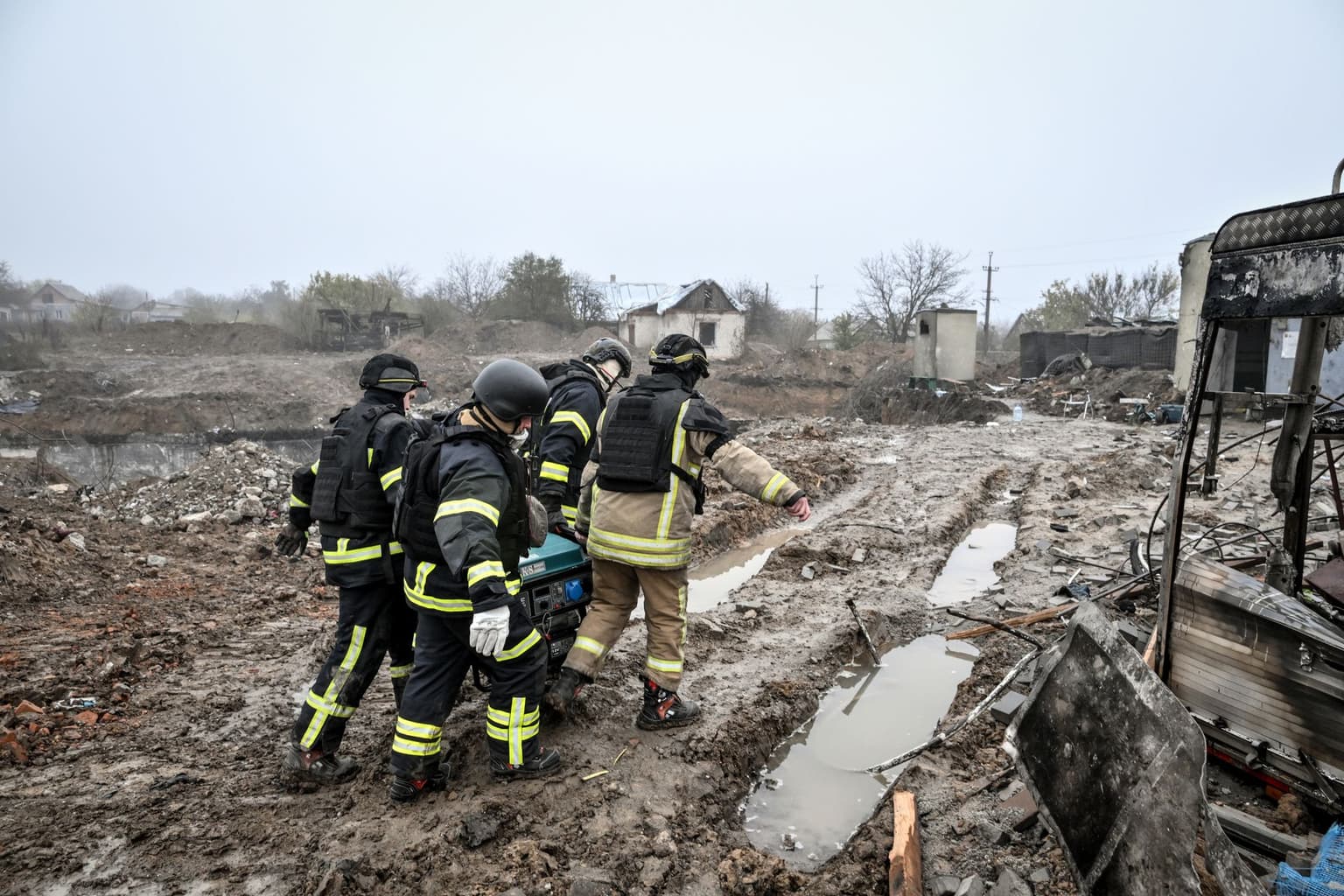
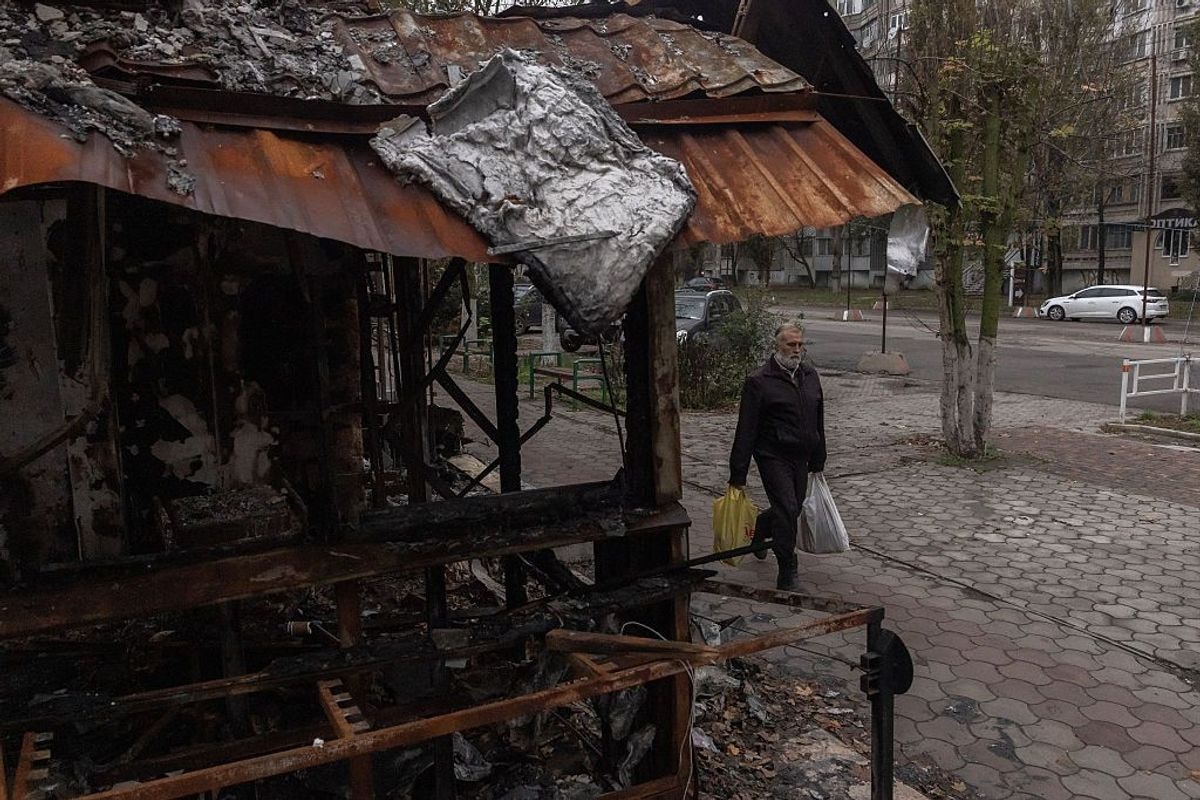
Two weeks after Russian forces struck a school used as a humanitarian aid distribution center in Komyshuvakha, Zaporizhzhia Oblast, search and rescue efforts were halted on Nov. 16.
In total, 72 people were killed by the Russian attack, and four people still remain missing, as Russian forces continue to target civilians across Ukraine.
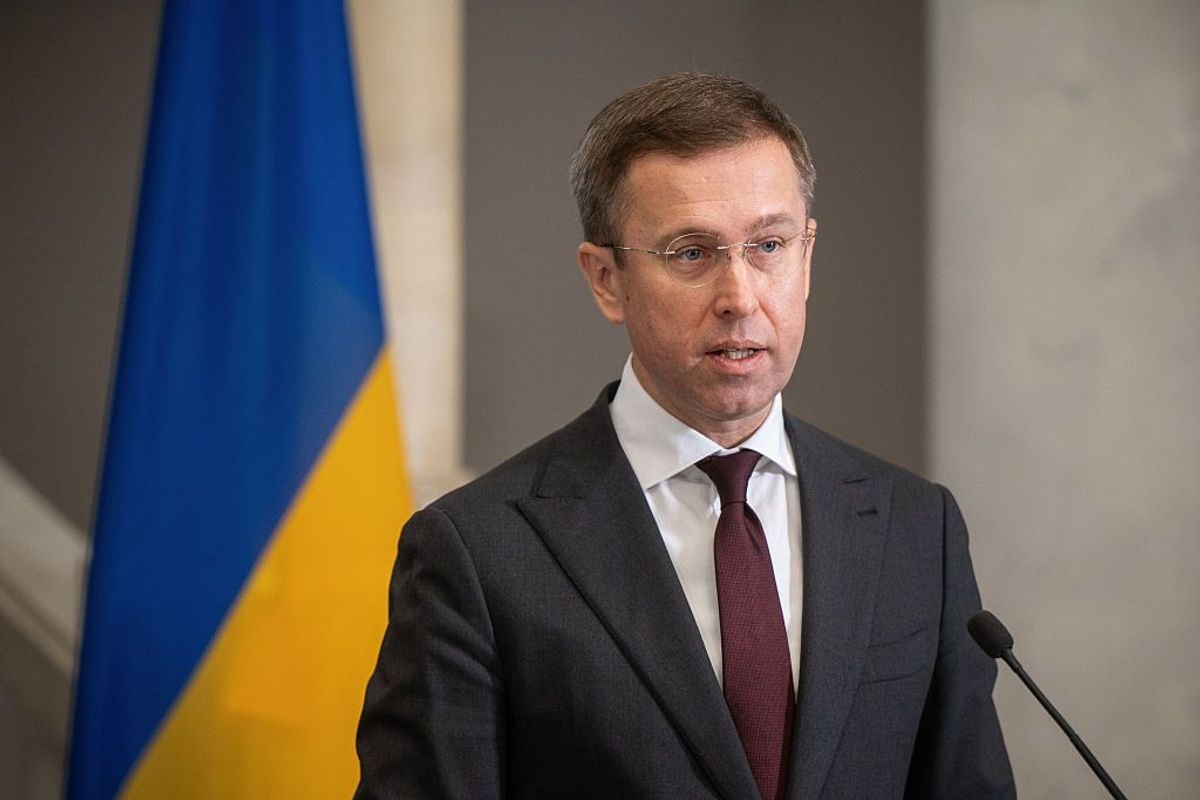
"Unfortunately, the shelling of Komyshuvakha on November 2, 2026, was one of the most tragic events during the full-scale war," Ukraine's Internal Affairs Minister Ivan Vyhivskyi said. "Eternal memory to all those who died as a result of this brutal attack."
Located about a 30-minute drive from Zaporizhzhia, Komyshuvakha is about 20 kilometers (about 12 miles) from the front and was home to around 5,000 people before the full-scale war.

On Nov. 2, Russian forces carried out ten aerial bomb strikes, first using FAB-500 bombs, before deploying a FAB-3000 — a 3-ton bomb containing nearly 1.5 tons of explosives with a blast radius of up to 250 meters to attack the humanitarian aid center as residents were receiving aid.
When police officers and rescue workers rushed in to help the injured, Russia struck again, Ukrainian authorities said. In this double-tap attack, nine more bombs struck a shelter where people were taking cover, President Volodymyr Zelensky said. A direct hit caused the shelter's underground concrete structure to collapse.
For weeks, as police and rescue workers dug through the rubble searching for survivors and to recover bodies, Russian forces shelled Komyshuvakha eleven times. Nine of those attacks were directly on the site of the rescue operations, said Vyhivskyi. These subsequent attacks injured three police officers and four rescue workers.
"We thank the police officers, rescuers, volunteers, and military personnel who worked at the site of the search and rescue operations for these two weeks – just a few kilometers from the front line and with a constant threat to their own lives," Vyhivskyi said.
Among the killed were rescuers, police officers, school staff, employees of the local government service center, utility workers, and medical personnel.
"Among the victims was a teacher who came to the shelter every day to conduct online lessons for children who had left the community," Vyhivskyi said.
Some of the bodies rescuers found were reportedly so badly damaged that authorities have to collect DNA samples from relatives to identify them.
Four people who were rescued in the first hours of the initial shelling are still being treated in a hospital.
Nov. 7., Ukraine's military intelligence (HUR) identified Russian military personnel allegedly involved in the attack.
HUR identified Cl. Fedor Zubakov, head of the fire-strike planning group at the headquarters of Russia's Dnepr Group of Forces, as the officer who planned the attack. HUR also identified six Russian pilots allegedly responsible for carrying out the bombing, including Cpt. Sergei Yeliseyev, Cpt. Dmitry Zverev, Sr. Lt. Rodion Plotnikov, Sr. Lt. Nikita Ignatyev, Sr. Lt. Maksim Sokolenko, and Lt. Vadim Perekhrest.