'It was simply my turn' — Buryat activist brushes off prison sentence for research on Russian losses
 on Google

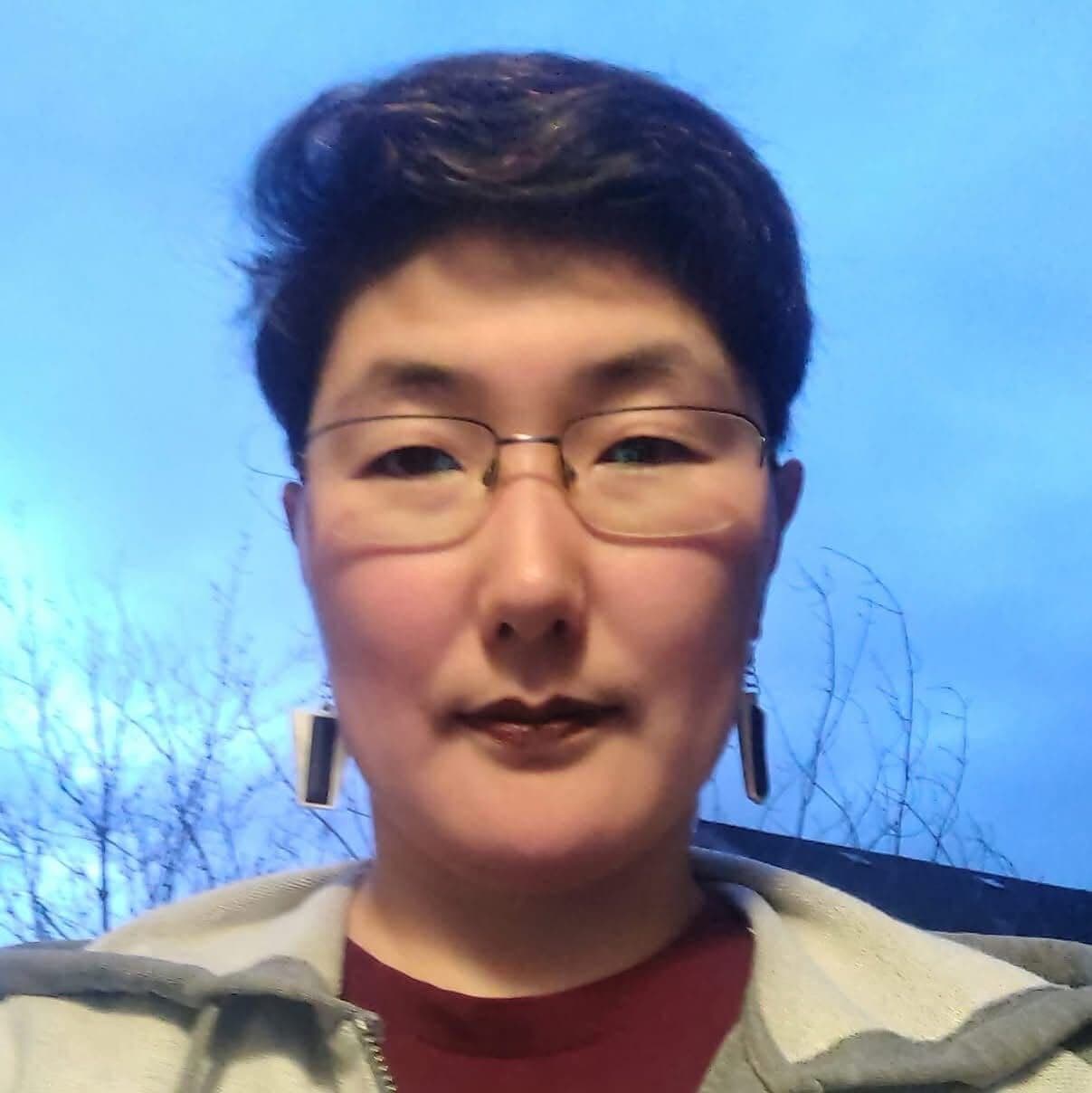
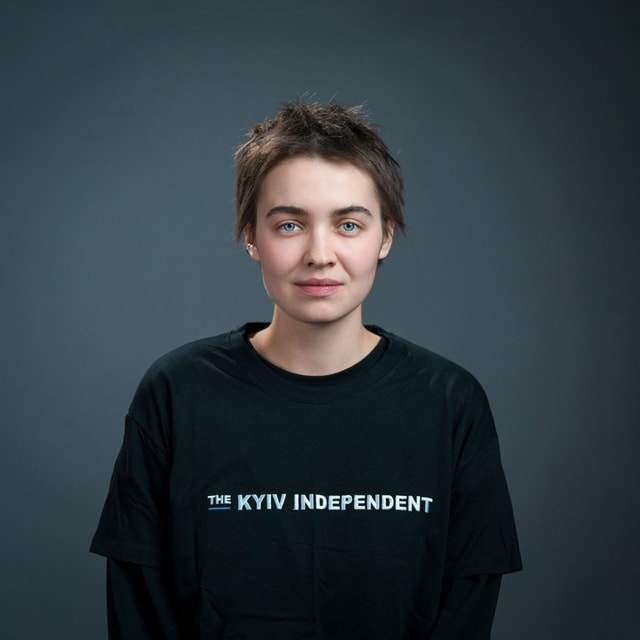
A U.S.-based researcher and Buryat activist sentenced to prison in absentia by Russia for her work on Moscow's military recruitment and losses has brushed off the case against her, saying it was "simply my turn."
Maria Vyushkova, 45, received the six-year sentence on Nov. 10 over comments she made during a summer 2023 interview with independent Buryat journalist Anna Zueva about which Russian military units were present when Russian atrocities were committed in Bucha, Kyiv Oblast, in 2022.
Russian authorities alleged she was spreading "false information" and also added her to their list of terrorists and extremists.
"The fact that three years passed between the interview and the opening of the criminal case shows that it was merely a pretext, not the real reason for the prosecution," Vyushkova told the Kyiv Independent.
Vyushkova, a U.S. citizen who has lived outside Russia for 16 years, said the sentence poses no immediate threat to her but shows how far Russia's crackdown on dissent over its war in Ukraine has expanded.
"I don't consider myself a particularly important or influential activist or public figure. I'm a researcher," she said. "At some point, it was simply my turn."
"If the Russian authorities and security agencies even remembered me, someone who hasn't lived in Russia for 16 years and doesn't have a large audience, it means repression has reached a new level and has now been put on an assembly line," she added.
Vyushkova is a researcher on ethnic inequality in Russia's armed forces and a co-founder of the Free Buryatia Foundation, an anti-war organization designated "extremist" and "terrorist" by Russian authorities. Her work focuses on the disproportionate impact of Russia's war against Ukraine on ethnic minorities and Indigenous communities.
She previously shared her research with the Kyiv Independent on the disproportionate losses suffered by ethnic minorities serving in Russia’s military. In a separate March article, she explained how returning war veterans are perceived in Buryatia, a mountainous Russian republic located in eastern Siberia.

'Badge of honor'
Vyushkova said her case is part of a wider crackdown on ethnic and regional activists in Russia, and that more such prosecutions are likely to follow.
She pointed to Marina Khankhalayeva, co-founder of the Buryat independence movement Tusgaar Buryat-Mongolia, who in August was sentenced to 20 years in prison in absentia on terrorism- and extremism-related charges.
She also cited Vasilisa Shishkina, a journalist at the Buryat newspaper Nomer Odin, who was sentenced to 12 years in prison on treason charges despite not being an opposition figure.
"These days, you don't even have to be an opposition activist to end up in prison on political charges," Vyushkova said. "The very fact that Tatyana Montyan (a pro-Russian Ukrainian blogger), was designated an extremist before I was shows that these labels are now being handed out on a mass scale and for all kinds of reasons."
Vyushkova said that being labeled an extremist in Russia was once seen as a "badge of honor" among activists, but that is no longer the case as repression spreads.
"Some of my acquaintances are congratulating me, saying it's a 'badge of honor,' almost an award for an anti-war activist," she said.
"But that's no longer the case, precisely because political repression has reached a new level. Even those who have never spoken out against the war or Putin can now be caught up in it."