'We need more money' — Zelensky says Kyiv needs to produce hundreds more drones per day to pressure Russia into peace
 on Google
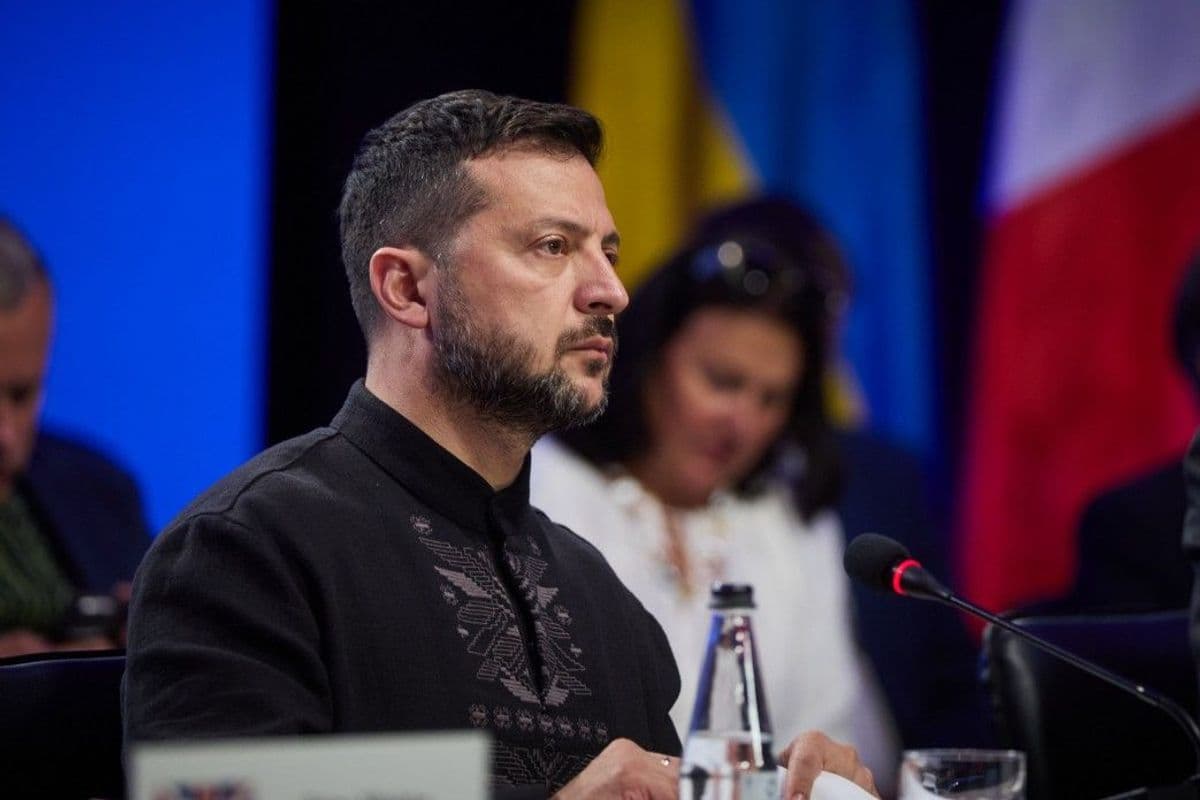
Ukraine needs additional financing in order to dramatically increase its daily drone production and maintain a competitive edge with Russia, President Volodymyr Zelensky said on Aug. 24 during a press conference at the Coalition of the Willing summit in Kyiv.
Thirty officials and leaders from the European Union and NATO countries gathered for a meeting in support of Ukraine on the country's 35th Independence Day — its fifth since the start of Russia's full-scale war.
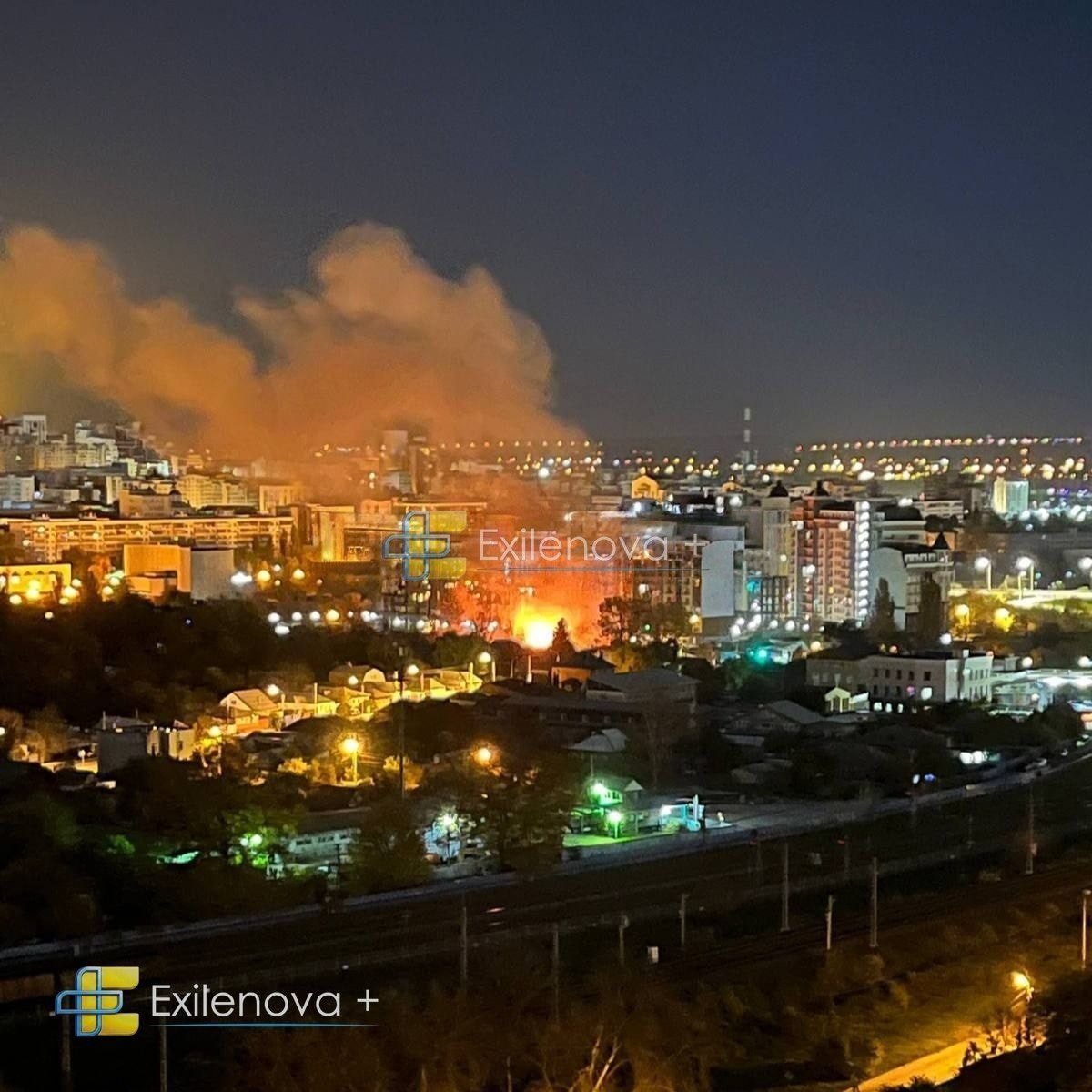
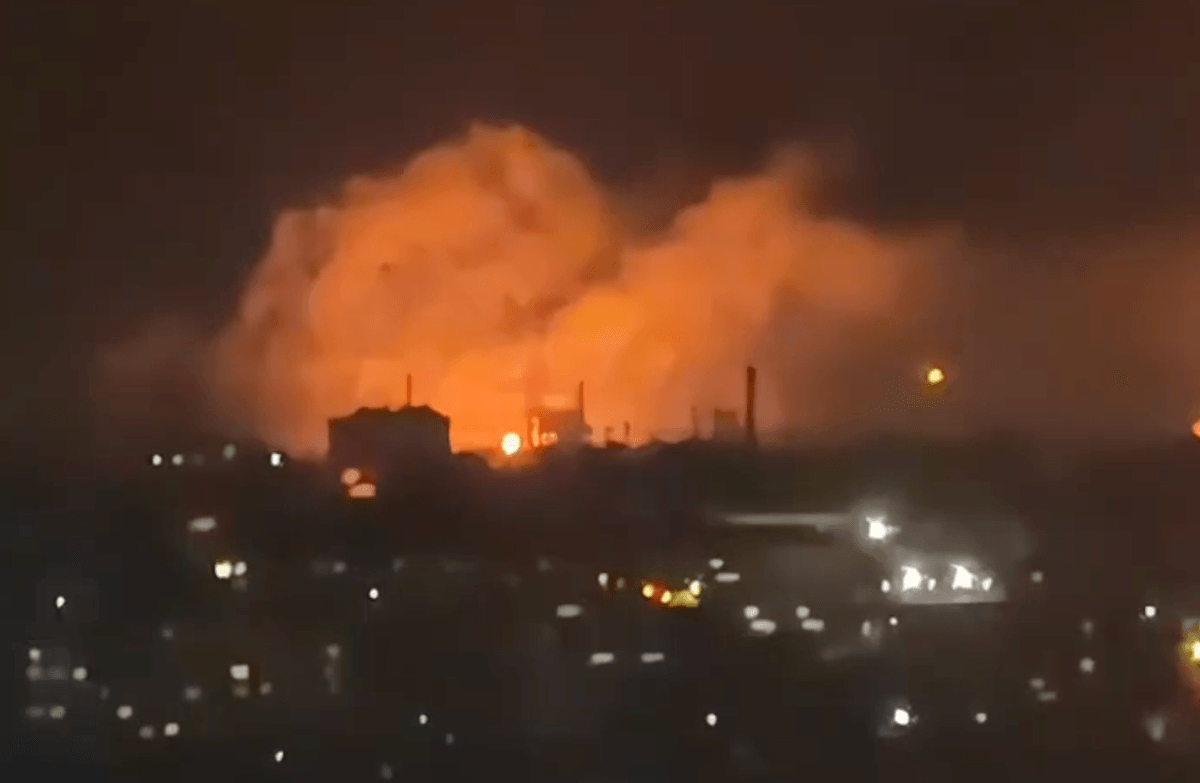
When asked about Ukraine's capacity to continue launching deep strikes against Russia to pressure the Kremlin to the negotiating table, Zelensky said Kyiv's challenge is not capacity, but funding.
"We have enough capacity, of course, to increase the production, and if we will increase the production, we will be able to attack more. ... but we don't have enough financing for this," the president said.
Russia has increased the number of Shahed-type drones it launches at Ukraine, now attacking with up to 1,000 UAVs a day in mass strikes, Zelensky said. In order to "bring back this war to Russia and make it painful," Kyiv needs to scale up its daily production to match Moscow.
"We need the same competitive number," he said.
Ukraine is currently producing around 200-300 drones per day, according to Zelensky. Kyiv can triple that total with less money than Moscow uses for its drone industry — 140 million euros compared to Russia's 340 million — but that still requires a bigger budget than Ukraine has now.
"We need more money, much more," Zelensky said.
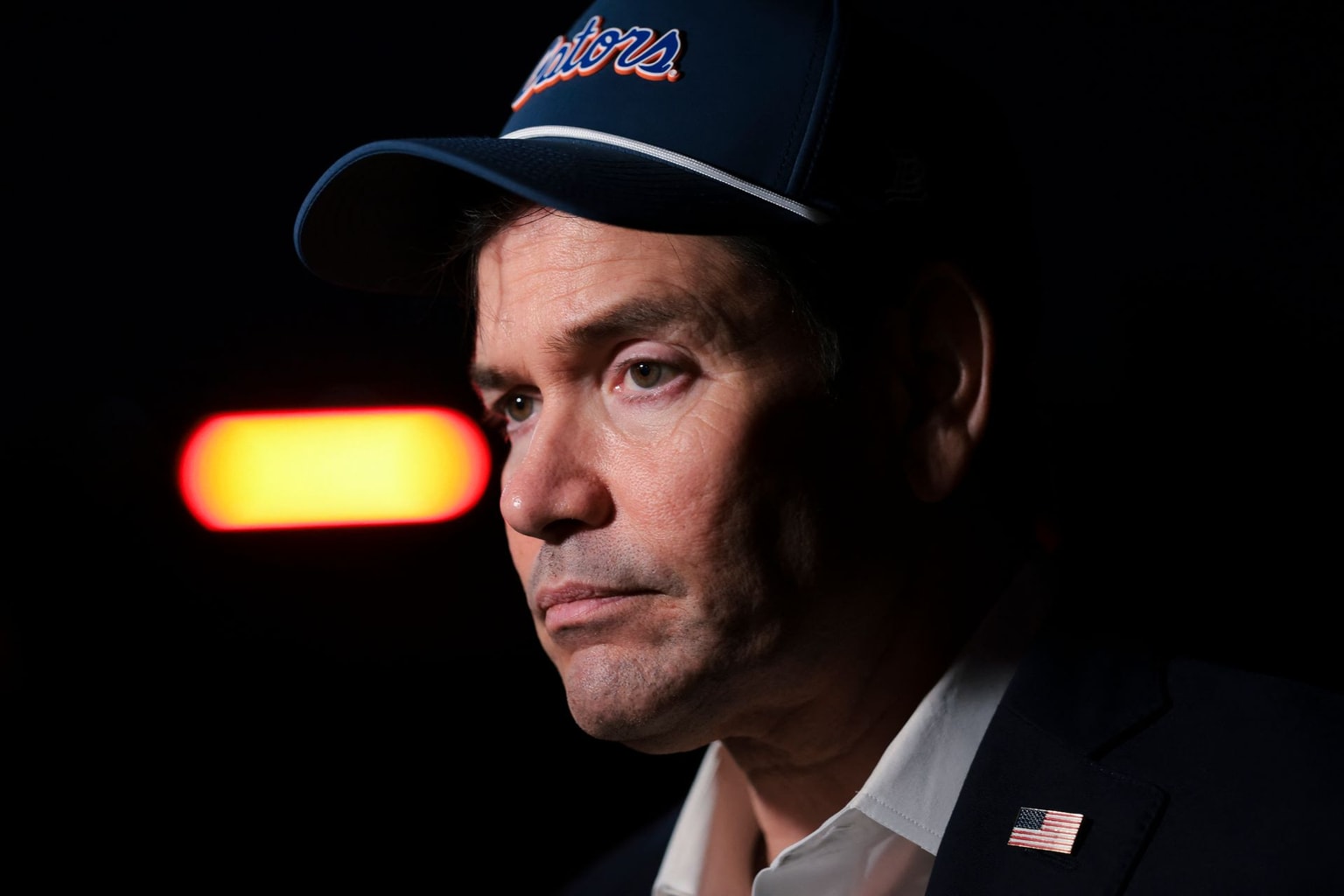
Finnish President Alexander Stubb, who participated in the Coalition of the Willing meeting, said he agreed that Ukraine needs more funding to increase deep strikes against Russia, and that continuing to launch deep strikes was "a sensible military strategy."
To end the war, Kyiv's allies will need "to give military and financial support to Ukraine to increase its capacity for deep strikes, whether with missiles or with drones," Stubb said.
"And the reason for this is very simple. It increases the cost and the price of the war for Russia. ... this is the only way we're going to get into the peace negotiations at the table."
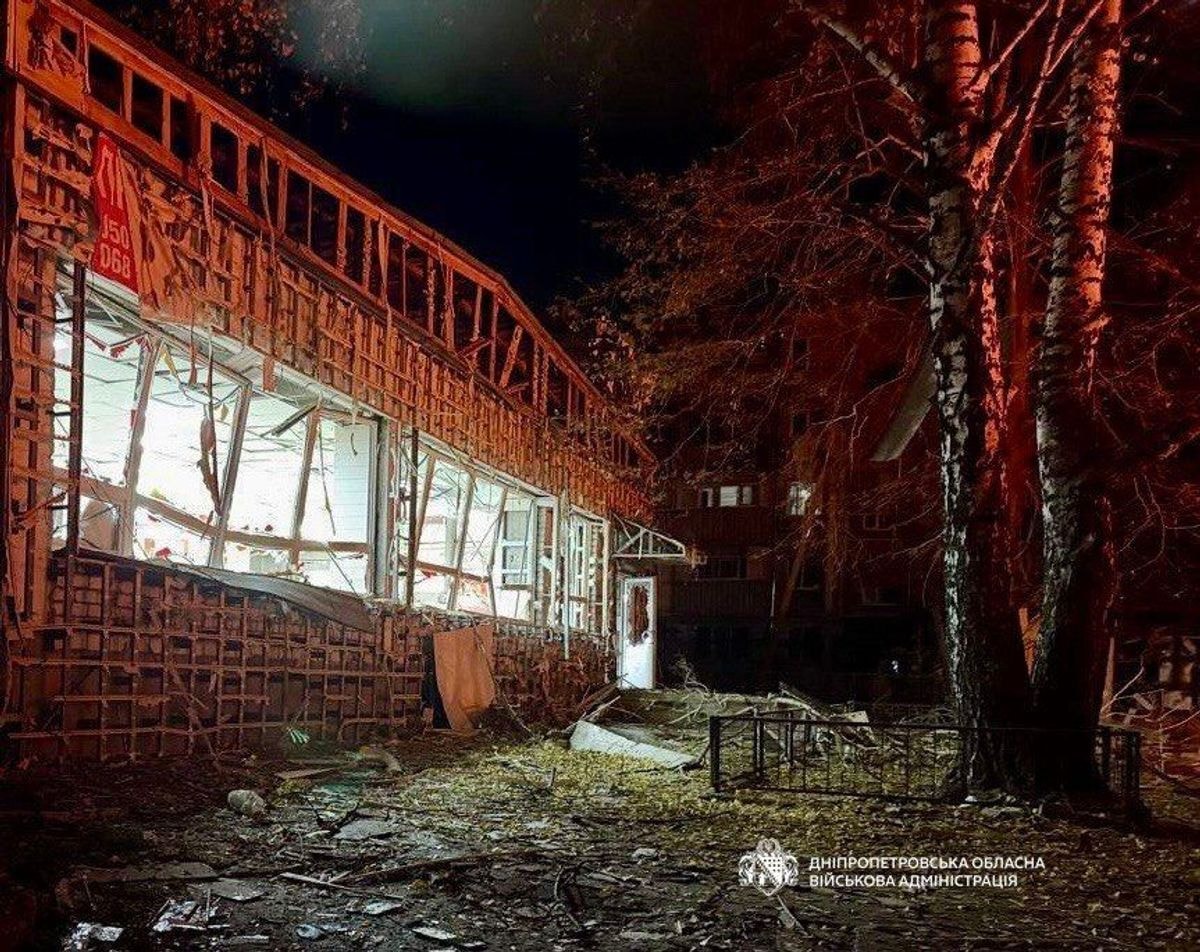
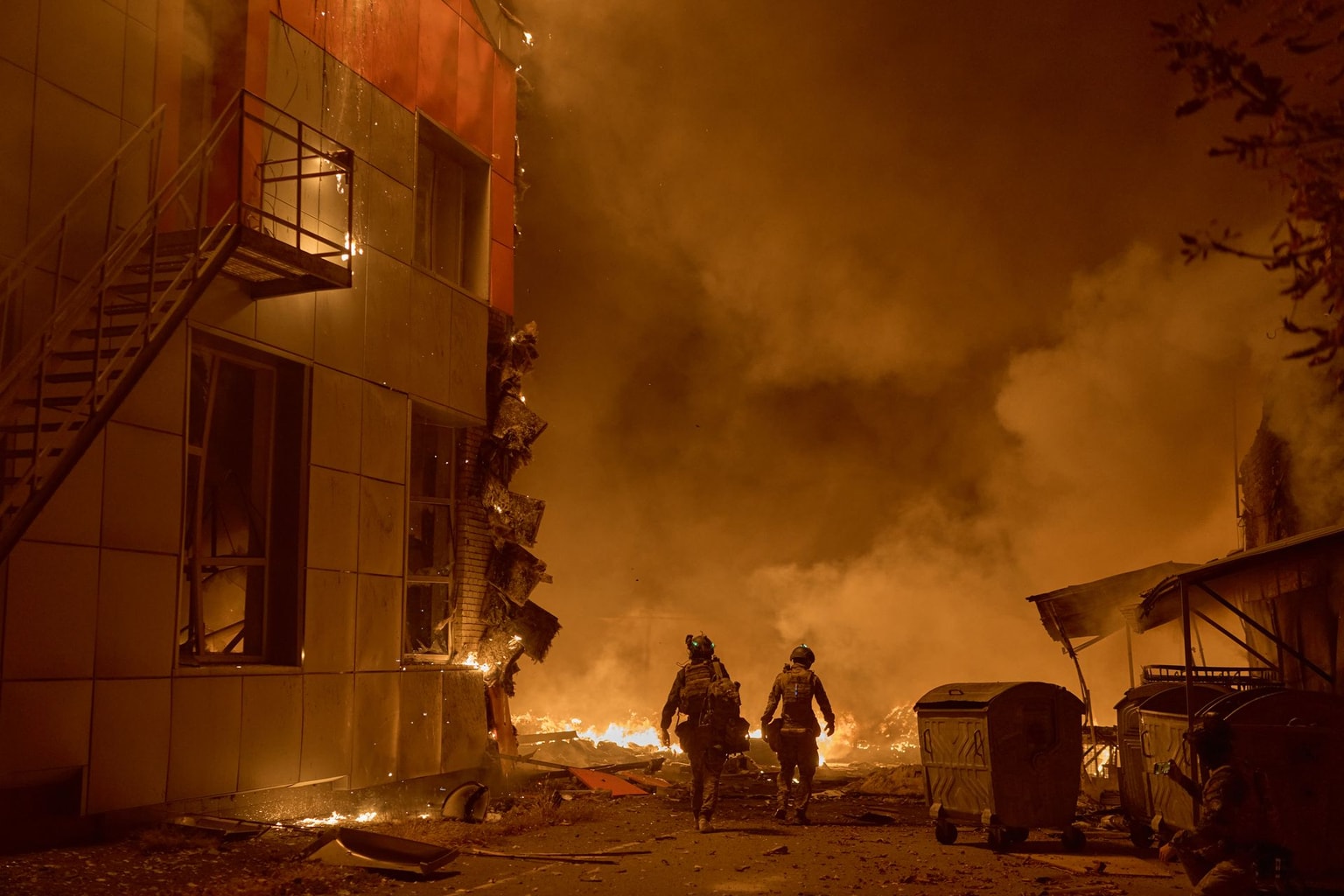
Russia has intensified the scale and frequency of its mass missile and drone attacks against Ukraine in spring and summer 2026, making this period one of the deadliest for civilians since the first days of the full-scale invasion.
In late March 2026, Russia for the first time launched nearly 1,000 drones at Ukraine in one day, breaking its previous record.
Recent mass strikes against Ukrainian cities have seen 500 Shahed-type drones launched in a single attack.
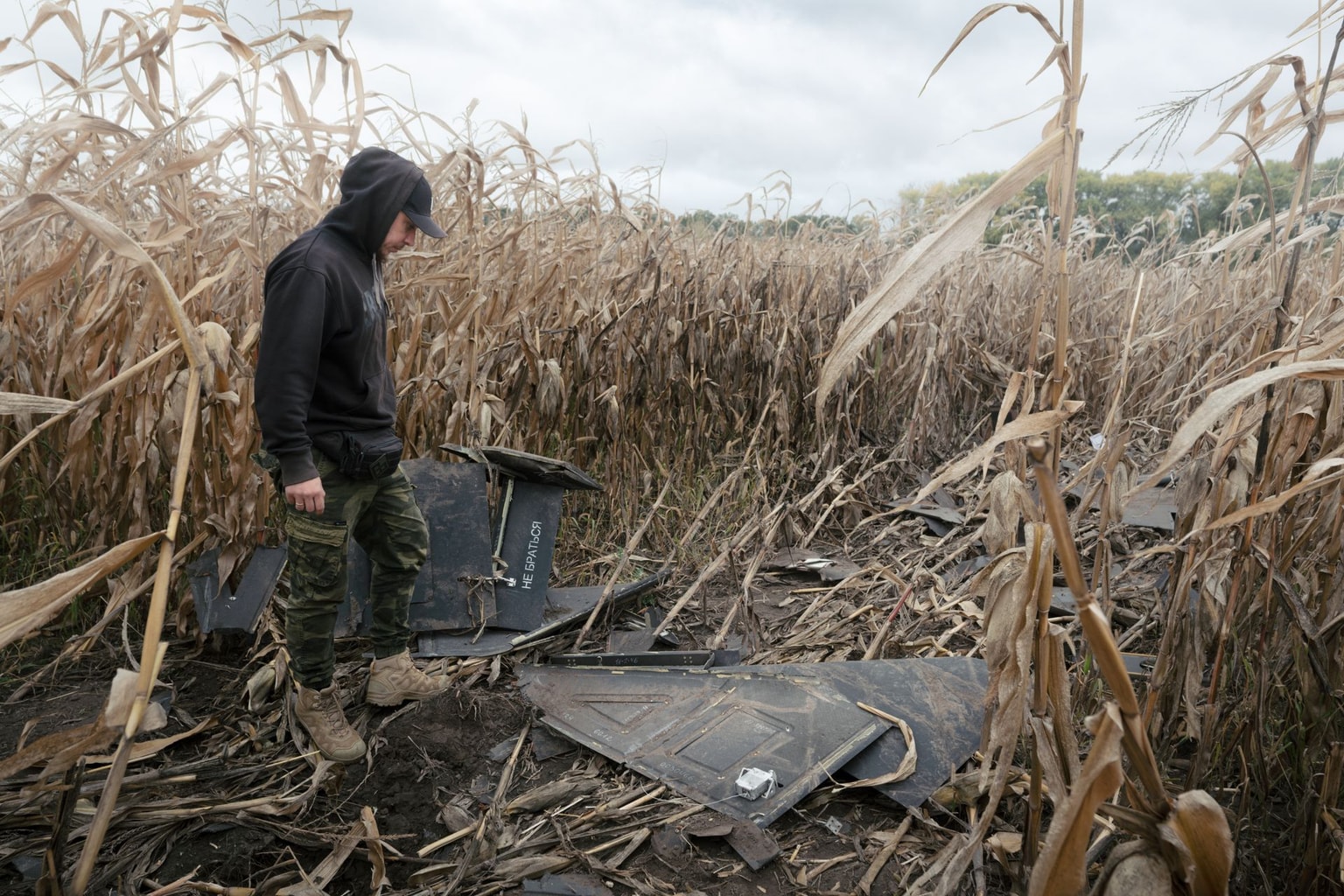
Shahed-type drones — Iranian-designed, with a Russian-produced version known as Geran-2 — have become a central weapon in Moscow's strike arsenal, valued for their ability to carry large warheads.
Often painted black to make them less visible at night, Gerans can cover about 2,500 kilometers (1,554 miles) and reach speeds of up to 180 kilometers per hour (112 miles per hour), according to Ukraine's military intelligence.
Russia has continued modifying and modernizing the Shahed model throughout the full-scale war, now escalating its use of deadlier, more destructive jet-powered drones in aerial bombardments.