As Russian drone incursions escalate, NATO weighs costs of shooting back
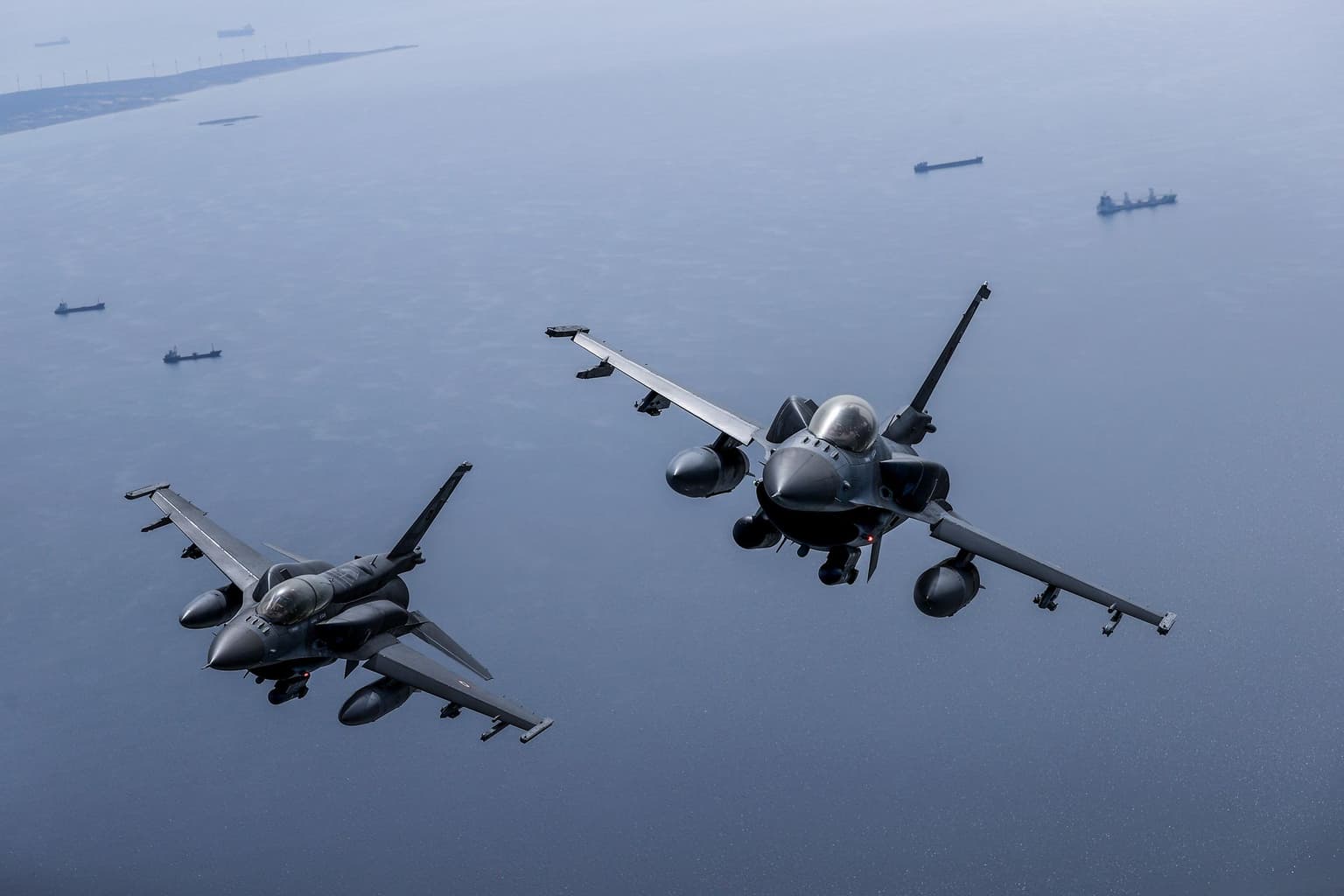
F-16 fighter jets from the Turkish Air Force fly over Canakkale, Turkiye, on May 11, 2026. (Ali Atmaca / Anadolu via Getty Images)
 on Google
For years, NATO countries have watched Russian drones breach their airspace, reluctant to shoot them down for fear of escalation. That restraint is now beginning to erode.
After Russian drones injured civilians in Romania, while Russian electronic jamming continued diverting Ukrainian drones toward critical infrastructure in the Baltic region, NATO fighter jets finally began shooting intruders down.

But using expensive air-to-air missiles to destroy cheap, one-way Geran and Gerbera drones is hardly a sustainable solution. Europe, therefore, faces a pressing challenge: building a new, cost-effective drone shield capable of protecting its eastern flank from persistent Russian incursions.
Turning that ambition into reality, however, will be far from easy.
European capitals will need to overcome significant technological hurdles, improve coordination across borders and military services, and — perhaps most importantly — demonstrate the political will to invest in a defensive architecture designed for a threat that is already evolving faster than traditional air-defense systems.
Drones test NATO's frontier
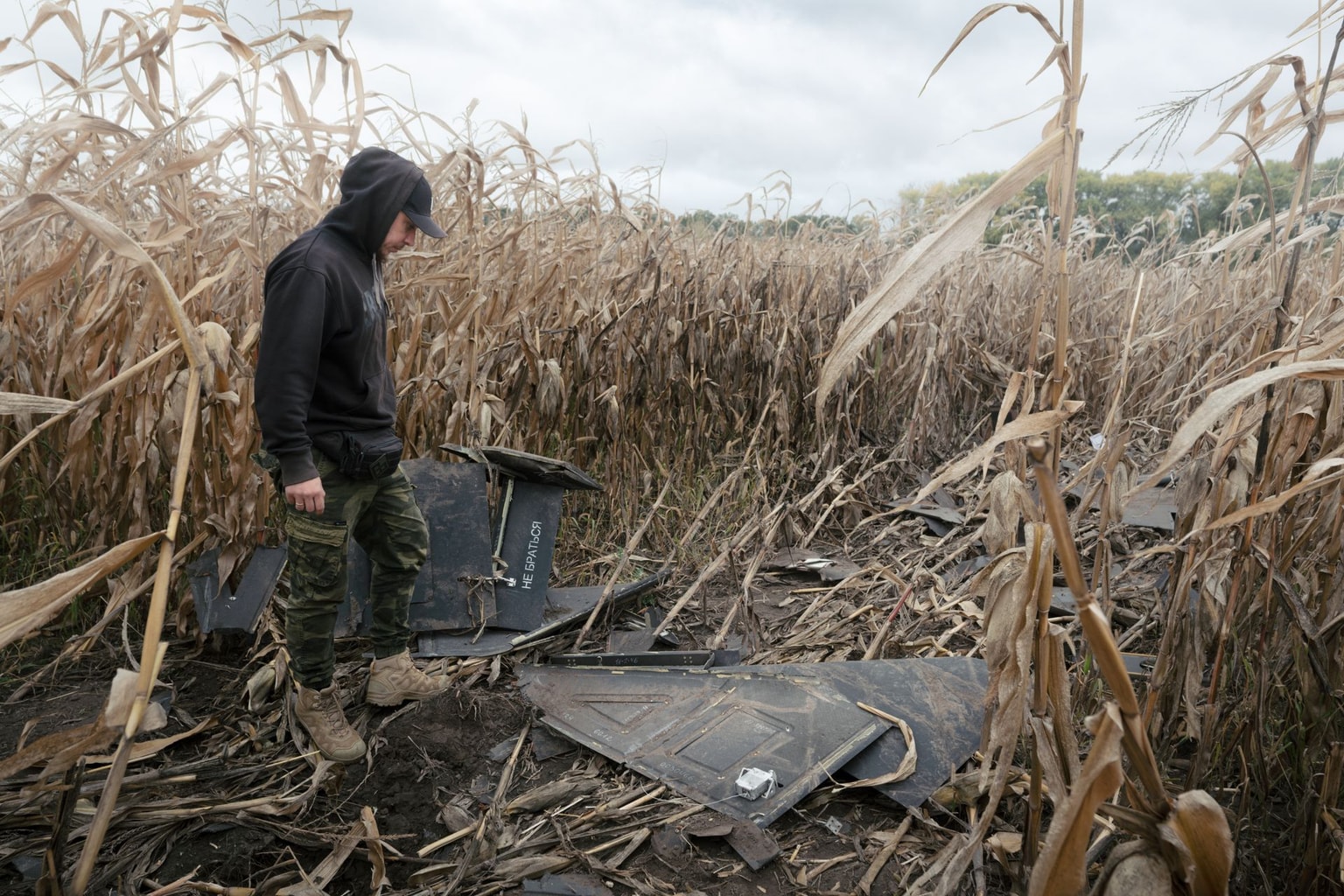
Since 2023, Russian drones have been crashing on the Romanian side of the Danube River border during Moscow's attacks against Ukrainian ports. Moldova, a non-NATO neighbor of Romania and Ukraine, has also come under fire.
Further north, drones and missiles have repeatedly strayed into Polish airspace — but it was only in September 2025 when, for the first time, allied jets downed four of about 20 Russian drones in an unprecedented incursion.
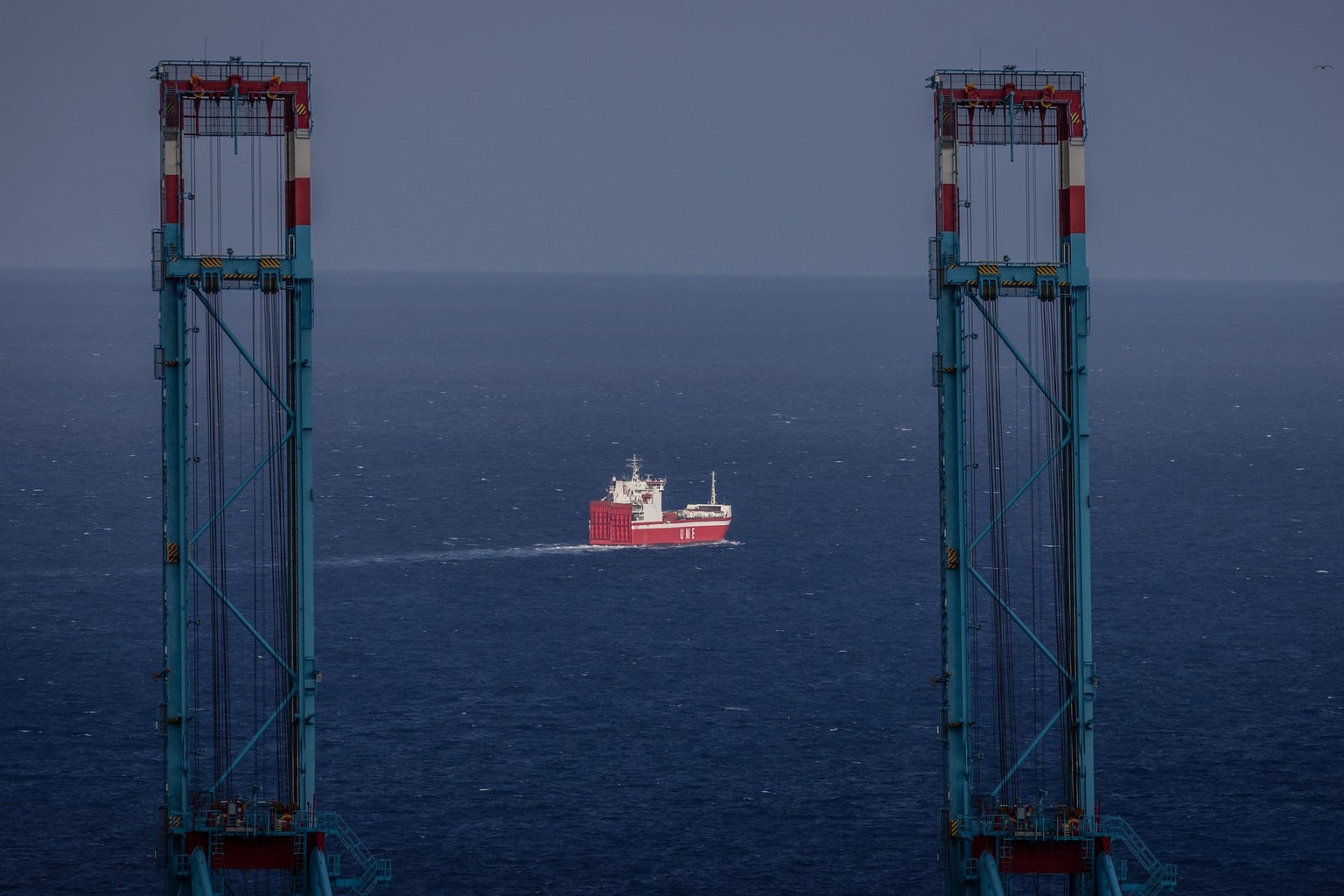
In December that year, Turkey downed a drone approaching its airspace across the Black Sea — a key battlefield for both aerial and naval drones.
After a Russian drone struck a residential building and injured two civilians in the Romanian city of Galati on May 29, Bucharest hardened its response as well.
A Romanian F-16 shot down a Shahed-type drone on July 24, with three more drones downed in the following weeks.
Only in the first half of the year did Romanian authorities record over 40 incursions, and more are reported every week — most recently when Romanian jets destroyed a suspected Russian naval drone near the Black Sea gas project Neptun Deep on Aug. 20.
Western officials suspect at least some incursions to be intentional provocations, while other drones have likely simply veered off course by mistake or after being hit by Ukrainian defenses.
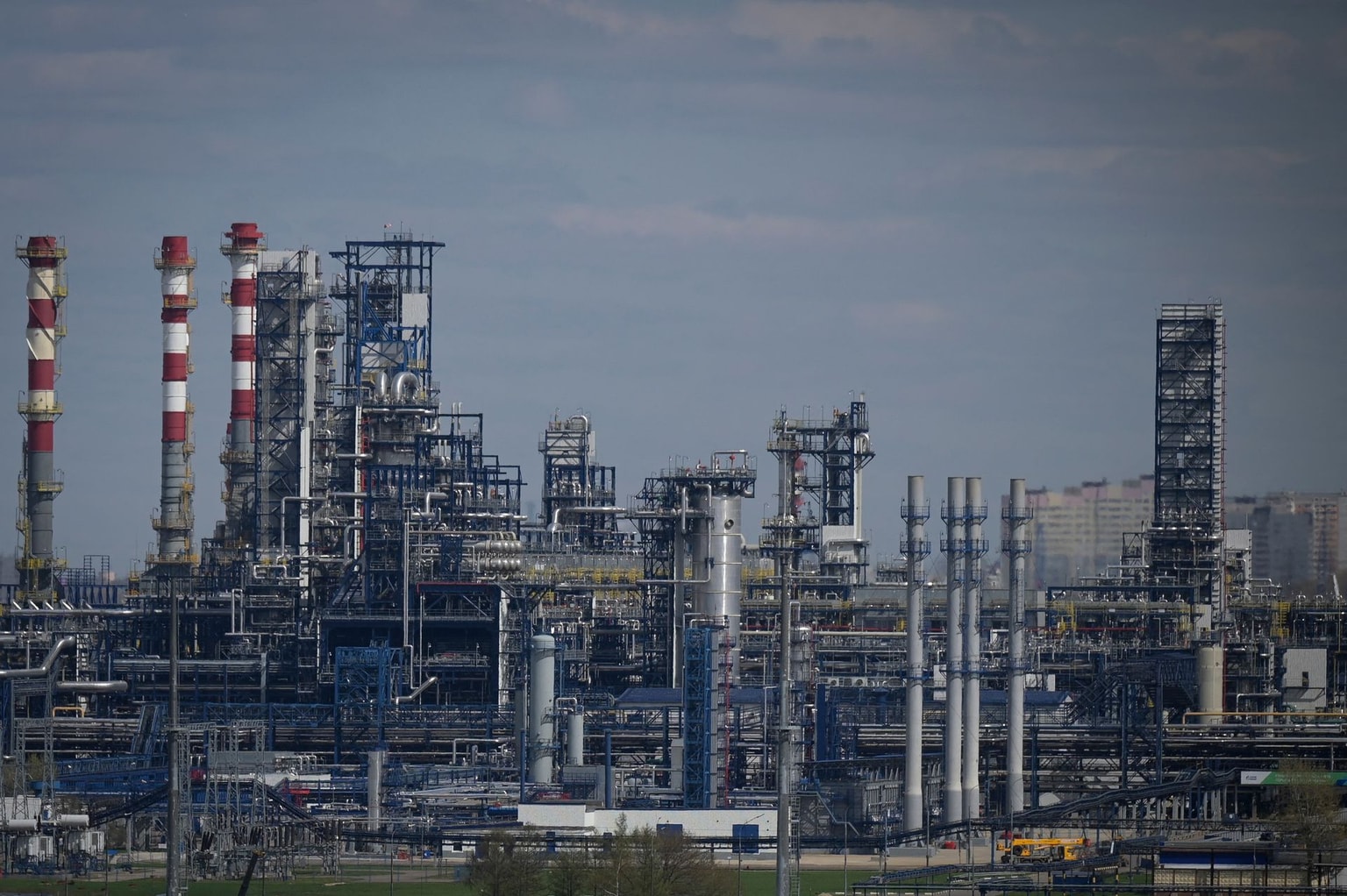
And NATO's northeastern flank has also felt the impact of the drone war as Russian jamming and spoofing increasingly diverts Ukrainian strike drones — targeting Russian ports and refineries — into the Baltic and Finland.
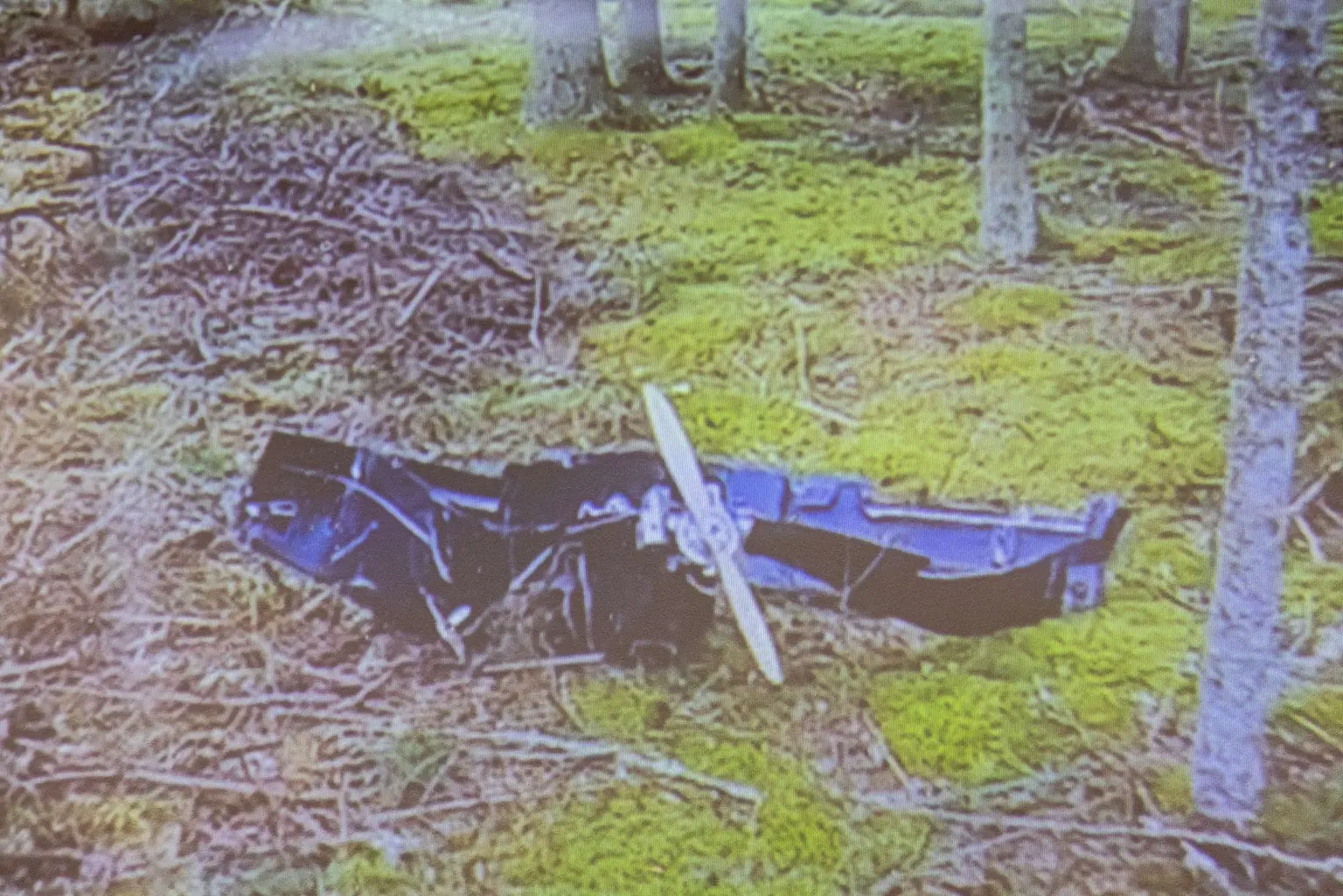
The first downing of a drone by a NATO jet over Estonia took place on May 19, and two were downed over Latvia on June 8 and Aug. 14.
Europe's drone wall(s)
The incursions have spurred a cascade of national and transnational initiatives meant to reinforce Europe's response.
While NATO's Eastern Sentry strengthens the flank with existing hardware like fighter jets, the EU's European Drone Defense Initiative (EDDI) — often dubbed the "Drone Wall" — aims to roll out a multi-layered defense of radars, jammers, and advanced interceptors tailored more specifically to counter unmanned systems.
On top of that, Poland is developing a new dedicated anti-drone system as part of its Eastern Shield project, while also participating in the "Baltic Drone Wall" initiative alongside Finland, Latvia, Lithuania, and Estonia.
The task at hand is not only to secure the skies, but to do so in a cost-effective way.
If an F-16 fires an AIM-9X Sidewinder missile against a Shahed drone, it applies a $400,000 solution to a $35,000 problem. And that price tag does not include other costs of operating the plane.

One Ukraine-tested answer is interceptor drones.
In November 2025, Poland announced it had received its first U.S.-designed Merops: light, AI-driven systems that launch Surveyor interceptor drones worth around $15,000.
The system has been praised for its performance on Ukrainian battlefields, with U.S. Army Brigadier General Curtis King saying Merops was responsible for about 40% of Shahed drone interceptions.
Romania first tested the system in April, while Lithuania is rushing to buy its first test batch of 48 Surveyor drones through a fast-tracked procurement procedure.
Others turn to homegrown solutions, with the Baltic Drone Wall integrating Latvia's Blaze interceptor drones with Estonia's Eirshield drone platform.
Anti-aircraft cannons, cheaper missiles, and electronic warfare systems are also on the shopping lists of NATO countries.
Romania is buying 24 Skyranger systems and seven Skynex systems under a 5.7 billion-euro ($6.6 billion) contract with Rheinmetall, in addition to six Israeli short- and medium-range Spyder missile launchers.

Meanwhile, Polish defense companies, in collaboration with Norway's Kongsberg, have unveiled what is vaunted as Europe's largest and most complex counter-drone system — SAN.
Announced as part of the Polish Eastern Shield, SAN is set to field 18 counter-drone batteries in layered defenses encompassing 30 mm anti-air guns, interceptor drones, and guided APKWS rockets.
Why jets are not going anywhere
Yet all the recent interceptions were handled by fighter jets rather than by the new counter-drone systems.
Part of the reason is simple timing.
SAN is expected to start operations only in late 2026; the European Drone Wall should be fully functional next year, and Romania's larger batteries will start arriving only by the end of the decade.
And the cost of taking down the drone is not the only factor in the calculation.
The cost of an air-to-air missile is ultimately small compared with the potential human and economic toll of allowing a drone to get through and cause casualties or damage critical infrastructure, according to Federico Borsari, a security expert at the Center for European Policy Analysis (CEPA).
For Ukraine, intercepting hundreds of drones on an almost daily basis has become part of the reality of war. Even with extensive air defenses, some drones are inevitably going to get through.

A country at peace is likely to view the risk differently. A single drone killing a civilian or striking critical infrastructure such as a power plant can have an outsized impact, making governments more inclined to use the most reliable interception methods available — even when they are considerably more expensive.
Furthermore, "asset availability, operational conditions, and the type of target also play a role" when responding to an incursion, Borsari adds.
Justin Bronk, an air power expert at the Royal United Services Institute (RUSI) think tank, notes that dispatching fighters to stop individual drones is simpler than tackling the "huge personnel and logistics requirements of fielding thousands of individually cheap short-range systems like Merops" across the whole border.
Experts agree that fighter jets remain an important part of counter-drone infrastructure. The focus, Bronk notes, should be on acquiring cheaper munitions for them, "such as APKWS II and Thales laser-guided rockets."
Gaps to overcome
While the number of new counter-drone initiatives is impressive, some analysts warn of pitfalls.
Ulrike Franke, a researcher at the European Council on Foreign Relations, writes that this "hotch-potch" of projects may disperse focus and lead to duplication of efforts.
The EU should rein in its ambitions for the Drone Wall to "do just about everything" and focus on the most successful national initiatives in Poland and the Baltics, Franke argues. The bloc, she writes, should also prod other frontier states to step up.
Both she and Borsari see interoperability among individual allies and industry players as a key obstacle to overcome.
And while Borsari lists other weaknesses — such as insufficient training, experimentation, and, in some cases, funding — he acknowledges progress.
The EU is opening the tap for drone investment, with its 150-billion-euro ($175-billion) SAFE loans helping fund air defense acquisitions in Poland and Romania.
The NATO summit in Ankara, in turn, saw allies pledge to invest $40 billion in counter-drone capabilities over the next five years.
Since spring 2026, the alliance has been holding regular LCI-X Crucible exercises focused on countering drones, with Ukrainian soldiers participating.
"I expect (counter-drone) capabilities across the alliance to improve significantly in the near future, though for some areas, especially training and full operational capability… may require time," Borsari predicts.
Finding the will
Barring physical constraints, countering drone incursions is still hitting political obstacles.
Only last May did Romania adopt a law authorizing its military to shoot down drones and aircraft that violate its airspace in peacetime.
Lithuania's parliament adopted similar legislation in September, a few weeks after the incursion into Poland.
And there is still the question of the readiness to pull the trigger.
The obstacles here are two-fold, says Iulian Chifu, a Romanian security analyst and president of the Center for Conflict Prevention & Early Warning, a research institute in Bucharest.
Firstly, the allies worry that the downing — or an attempt at it— may cause more collateral damage than if the intruding drone is allowed to leave the airspace or crash in an empty area.
Secondly, many fear that opening fire will bring Russia to view European countries as co-belligerents — an idea Moscow "succeeded in putting into the heads of European leaders," Chifu adds.
But the recent incidents seem to be changing the risk calculus for European nations.
In Romania, the breaking point was when the Russian drone hit the residential building, according to Chifu.
And in Latvia, a crash of stray Ukrainian drones at a local oil facility in May led to the fall of the Latvian government.
The political cost of letting the drones slip through may begin to outweigh the cost of shooting them down.
Editor's note: The article mistakenly said that a Russian drone killed civilians in Romania. The drone strike against a residential building in Galati injured two people, with no fatalities recorded. The mistake has been corrected.
Note from the author:
Hi, this is Martin Fornusek.
I hope you enjoyed this article. In our team, we believe fact-based and truthful reporting should be available to all — that's why we don't use any paywall.
If you want to see more in-depth coverage of regional politics and how it shapes Ukraine's struggle against Russian aggression, please consider joining the Kyiv Independent community.