Why Russian losses in Ukraine are surging — again
 on Google

As the U.S., Ukraine and Russia wrap up trilateral talks in Abu Dhabi aimed at ending the war, Russian battlefield losses continue to mount for another week.
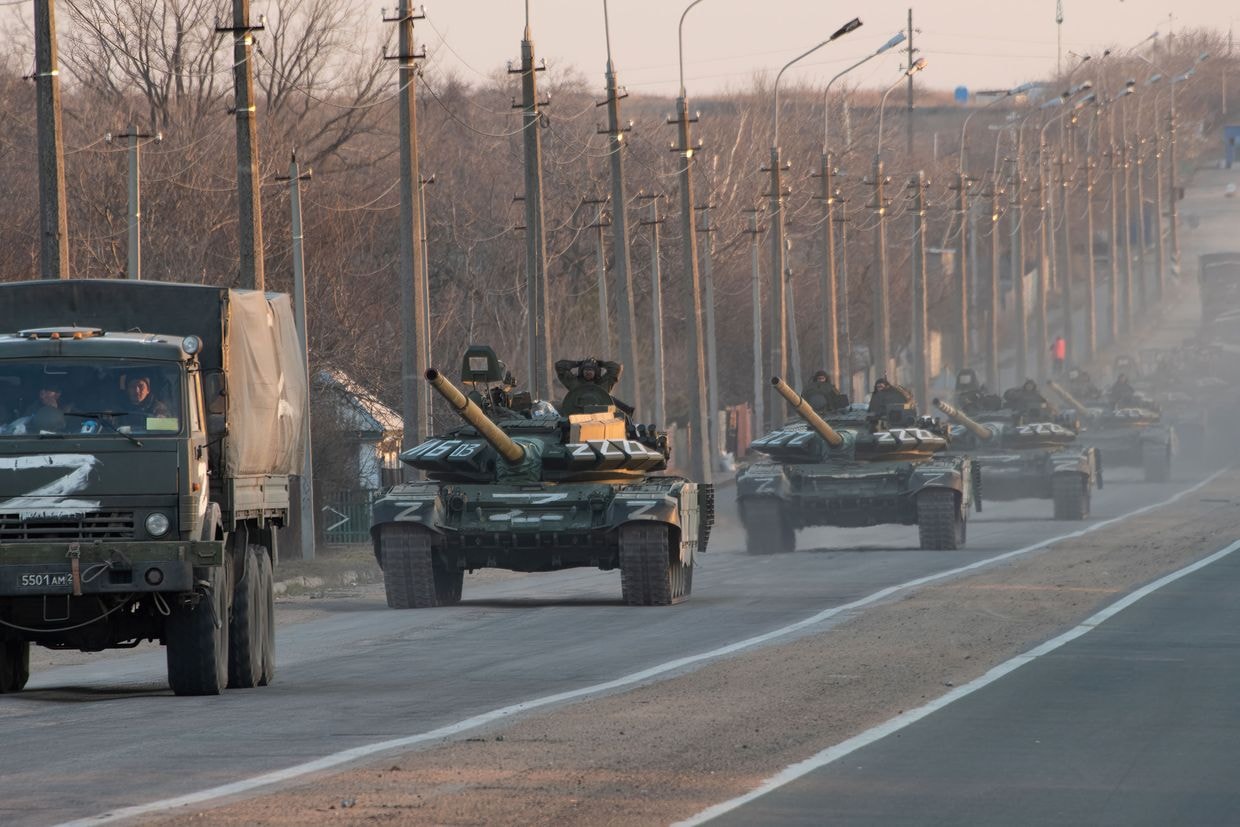
After October saw Russian forces suffer their highest monthly personnel losses since the start of the full-scale invasion, the Kremlin set another grim record in November, losing 2,980 troops in a single day on Nov. 8. The intensification of Russian military operations ahead of renewed peace efforts is far from unprecedented, following a pattern Moscow has repeated throughout the war.
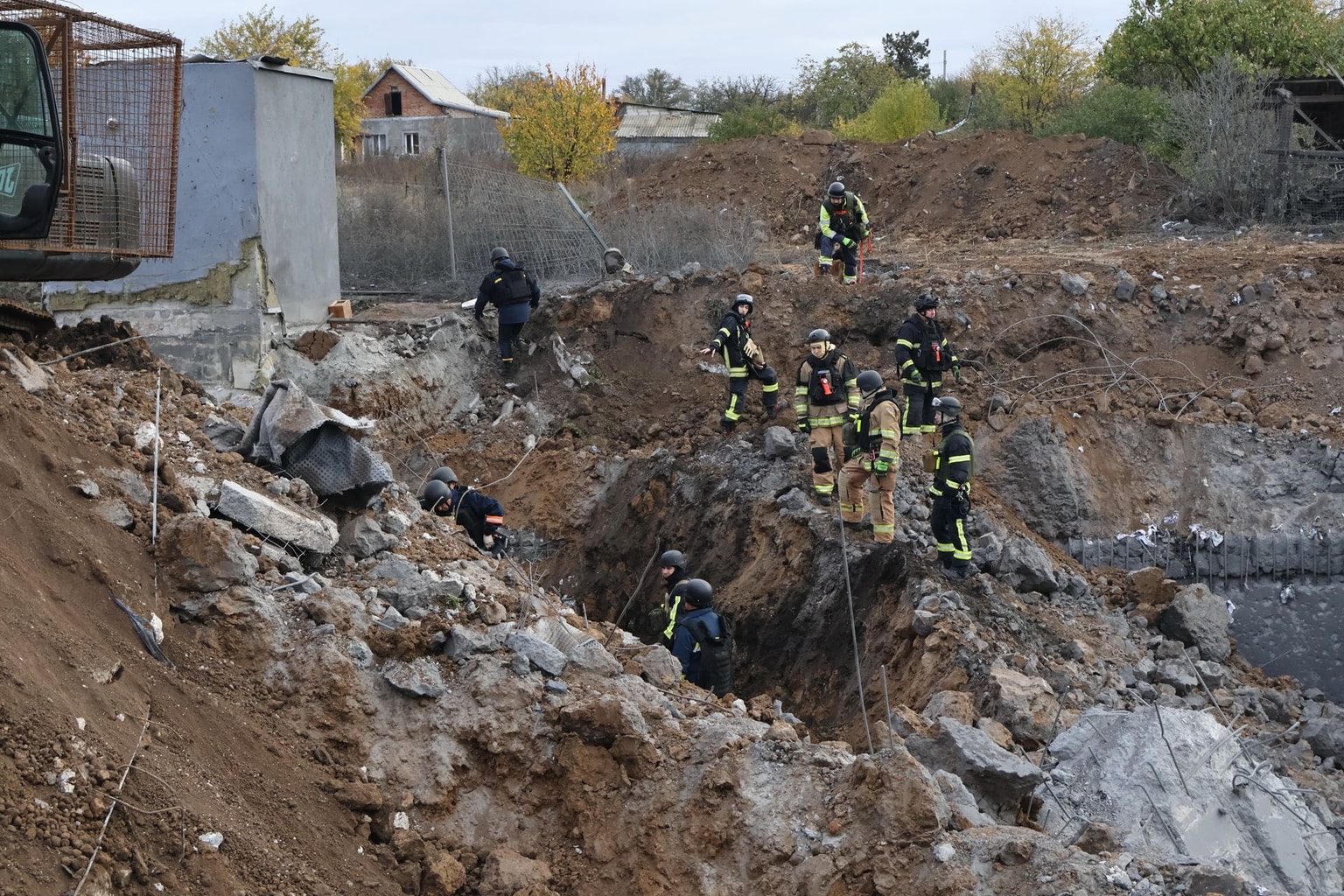
Russia is taking particularly heavy losses around the city of Dobropillia in Donetsk Oblast, the 1st Azov Corps told the Kyiv Independent. Russian forces were losing around 200 troops killed per day in this sector of the front line in October alone, President Volodymyr Zelensky said in his Oct. 12 evening address.
This is partly due to inflexible orders given to lower-level commanders as Moscow seeks to project an image of battlefield success and territorial gains while negotiations continue. Subordinates, the corps said, are unable to challenge or modify orders from their superiors.
"When a lower-level commander is given a deadline, he loses the ability to stop an unsuccessful attack," the 1st Azov Corps said in a statement shared with the Kyiv Independent.
"Large losses of manpower and equipment usually indicate that the enemy is willing to sacrifice resources to achieve immediate political or strategic goals."
The 1st Azov Corps added that this is a classic example of a "take-by-date" order, in which assaults are repeatedly launched along the same, previously targeted routes. Unrealistic deadlines imposed by commanders are a key reason for the high number of casualties, the corps said.
Dr. Jade McGlynn, a senior research fellow and head of the Ukraine and Russia Program at King's College London's Center for Statecraft and National Security, said "Russia has a history of timing offensives around summits," referring to the talks held in Abu Dhabi on Nov. 10 and 11, the first such meeting in nine months.
McGlynn also pointed to previous instances of intensified Russian offensives ahead of similar diplomatic meetings, including the Minsk-1 talks in August–September 2014, the Astana-Berlin diplomatic track in January 2015, and the period leading up to and during the Minsk-2 talks in January–February 2015.
"This is a good negotiating tactic," McGlynn said, "Especially in 2014-15 when Ukraine was much weaker than it is now."
One of Russia's main goals is to portray ultimate Russian control of the entirety of Donbas as inevitable, attempting to persuade Ukraine — and U.S. President Donald Trump's envoys Steve Witkoff and Jared Kushner — that agreeing to surrender the territory in peace talks is not fundamentally a concession.
"If the loss of territories is inevitable, does it make sense to cling to them?" Russian President Vladimir Putin said during a speech at the Valdai Discussion Club's plenary session in October.
As Russian soldiers are pushed to achieve unrealistic territorial gains by any means possible, the Russian military has also been systematically lying about the extent of the territory they control, Ukrainian President Volodymyr Zelensky said during a press conference on Nov. 10.
"The Russians reported that they occupied half of the territory of Donbas, which we control," Zelensky said. "The problem is that Putin lives in a slightly different information space — a different reality — and, of course, he declares to America: 'Listen, I need one, two, three months, and we will completely occupy the eastern part of Ukraine,'" he said.
As Russia has taken such extreme losses, the quality of the troops Ukraine faces and the training they're given before being sent to the front has decreased, the 1st Azov Corps told the Kyiv Independent.
Active Russian advances are often caused by adverse weather conditions that reduce the effectiveness of Ukrainian drone units, it said.
"Low cloud cover and fog periodically limit the reconnaissance and strike capabilities of the Defense Forces' drones, which allows enemy infantry groups to advance more actively."
The Ukrainian General Staff claimed on Nov. 12 that Russia has suffered 1,616,330 losses since the start of the full-scale invasion, losing 54,400 in October alone, the largest monthly figure since February 2022.
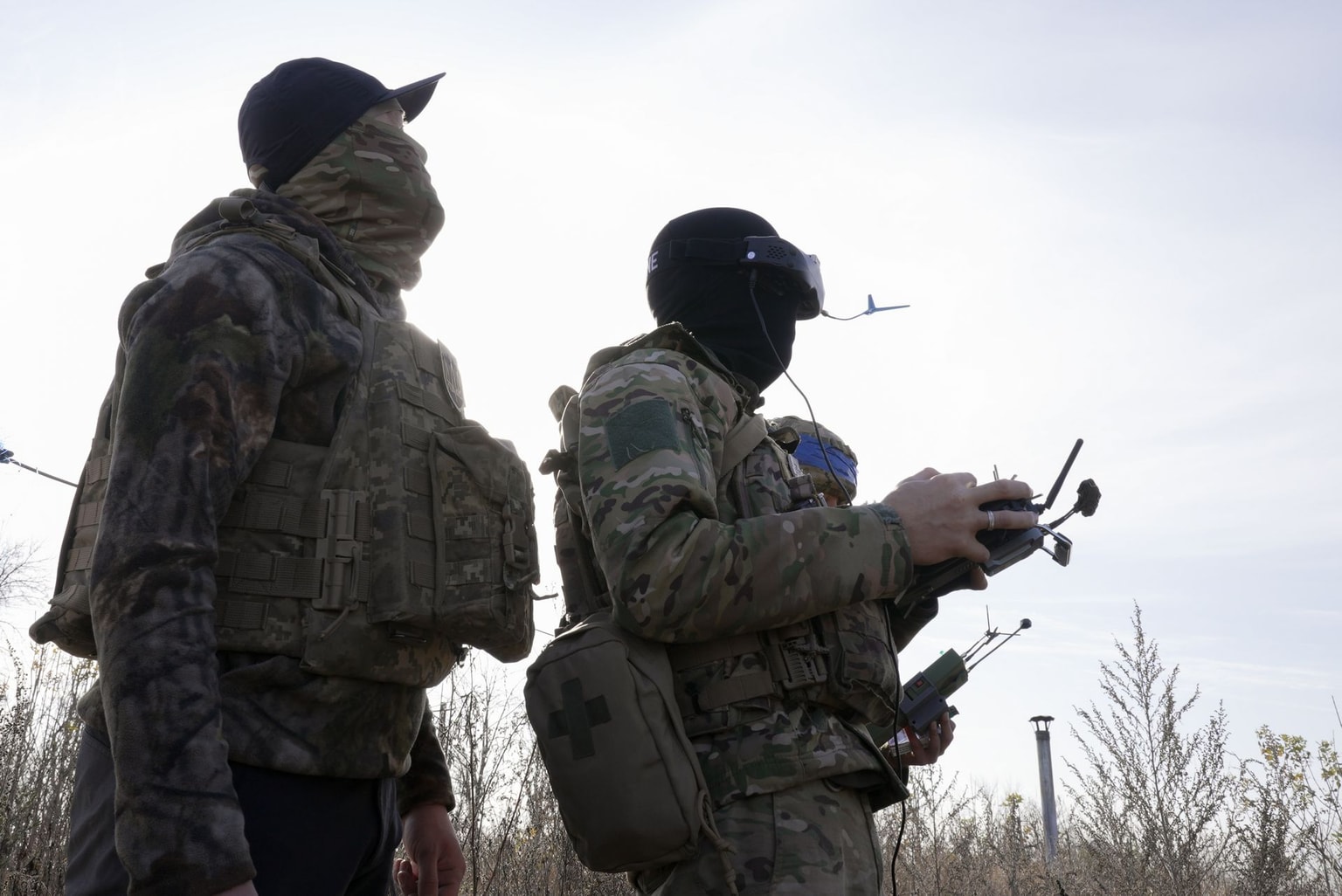
Russian losses are typically calculated by reviewing video footage from Ukrainian drone teams. Drones of all types cause around 80% of all casualties on both sides, and Ukrainian drone teams are rewarded for the confirmed destruction of Russian manpower and materiel with additional military supplies on an internal marketplace.
External estimates of Russian casualties vary. In September, British intelligence assessed that around 500,000 Russian troops had been killed in action since the start of the full-scale invasion. Meanwhile, records obtained by Belarusian hacker groups indicated that the number of Russian soldiers killed in Ukraine ranged from 394,000 to 450,000.
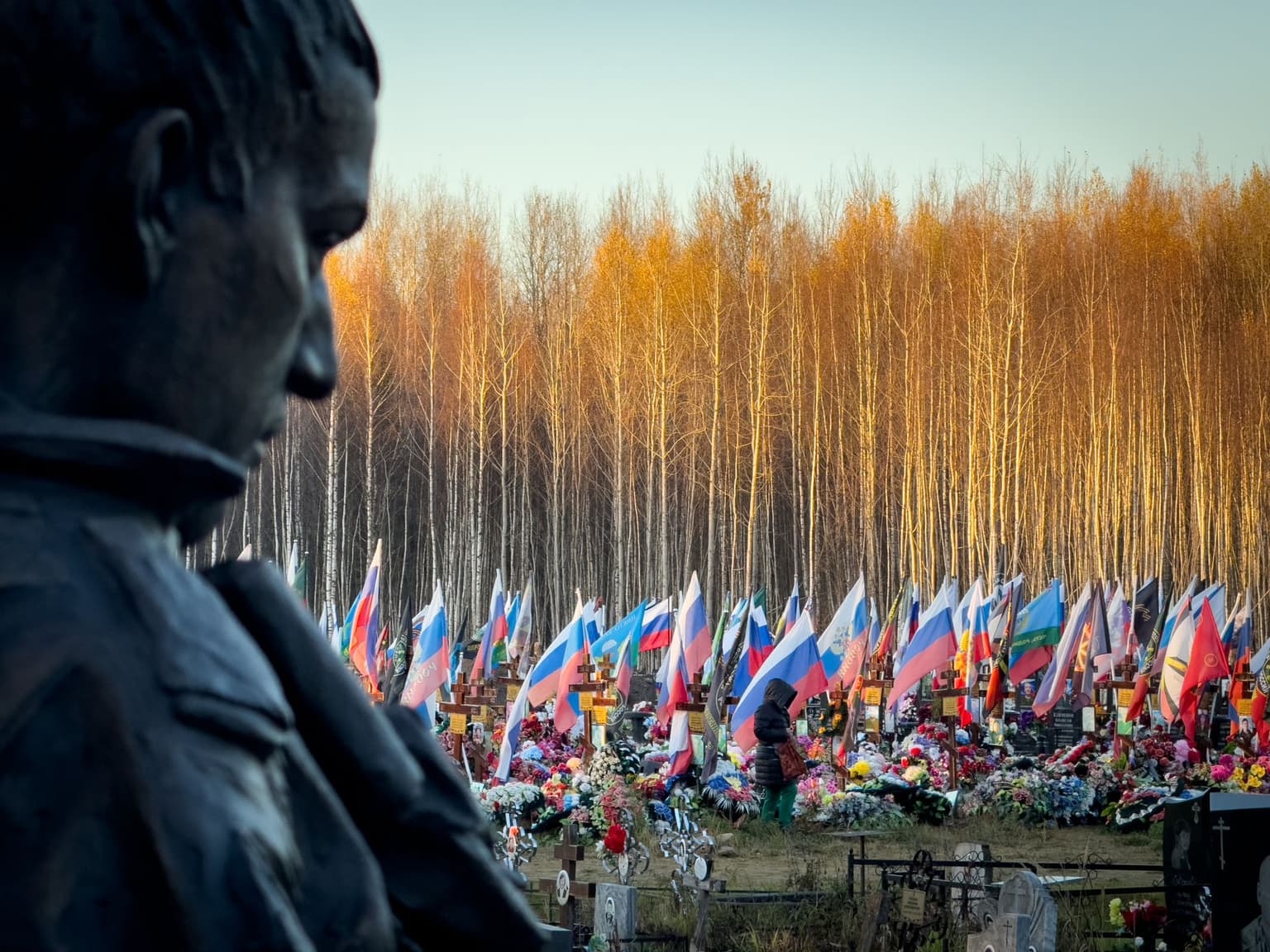
Even by the most conservative estimates, Russian deaths in Ukraine are staggeringly high; nearly four times higher than the total number of U.S. combat fatalities across all wars since 1945, estimated at approximately 101,885, according to figures from the U.S. Department of Defense.
Francis Farrell has contributed to the story.