Moscow youth raids spark mobilization fears as Russia struggles to recruit soldiers
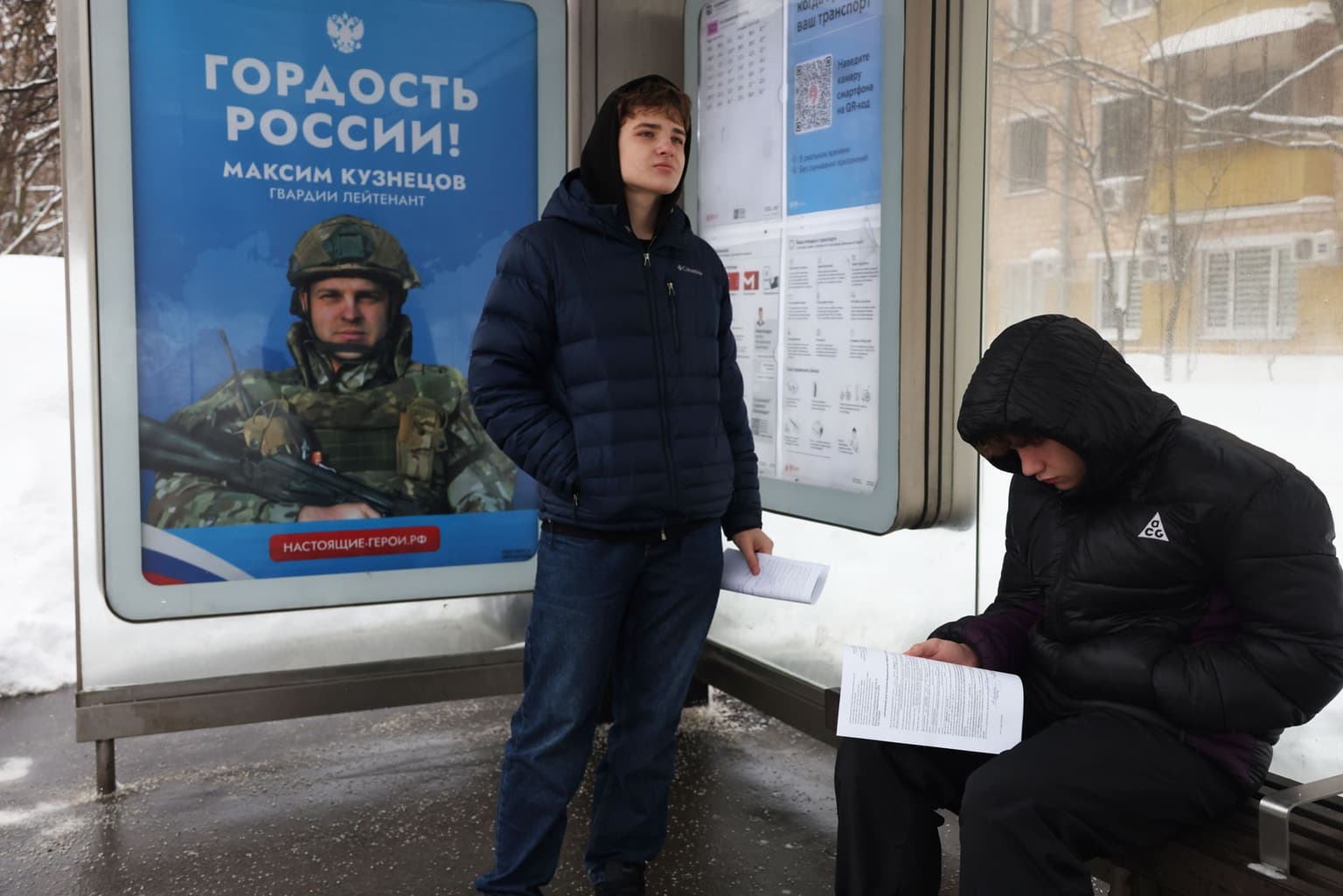
Russian students wait at a bus stop next to a military propaganda poster reading "Pride of Russia" in Moscow, Russia, on Feb. 25, 2026. (Contributor / Getty Images)
 on Google
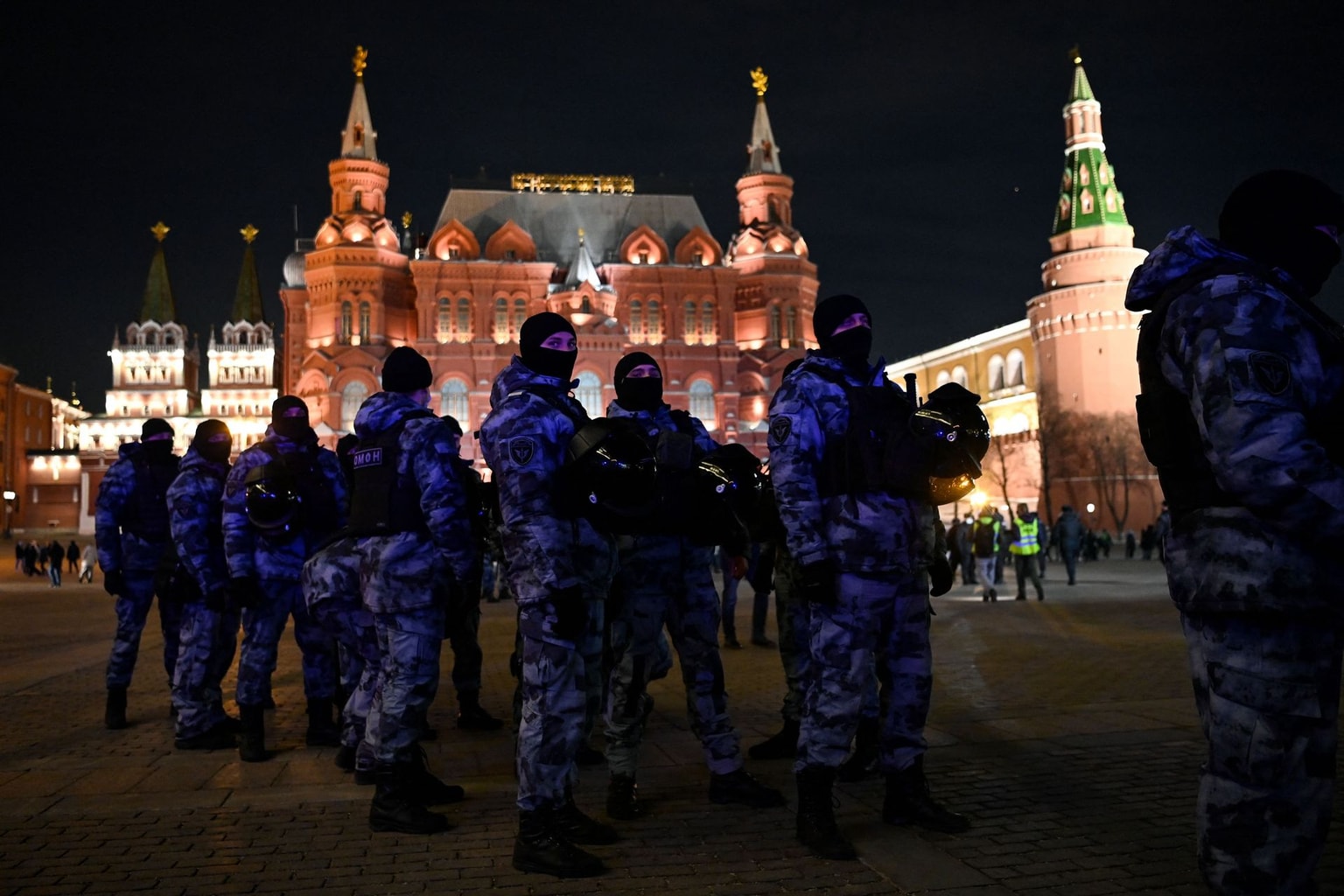
Russian police detained hundreds of young people in Moscow on Nov. 7, handing some of them military summonses, as Russia struggles to recruit enough men for its war against Ukraine.
While the raid sparked questions about whether the Kremlin is trying to recruit more soldiers through its crackdown on youth gatherings, experts say the raids may be another tool to control young Russians.
Russia has developed several ways to pressure people into joining the military, including offering military contracts to those facing fines or financial problems, said Oleksii Melnyk, co-director of the foreign relations and international security programs at the Ukrainian Razumkov Center.
Moscow, however, is not a priority area for military recruitment, he said.
Russia has relied heavily on men from poorer regions and remote areas of Siberia and the Far East, where financial incentives play a major role, and communities suffer disproportionately high casualties per capita.
"I would not view these raids primarily as a mobilization measure," Melnyk told the Kyiv Independent.
"Above all, they are part of a broader repressive policy and an effort to tighten control over young people. But military registration and the possibility of subsequently recruiting them into the army fit perfectly into this system."
read also
Why is Russia targeting young people?
Over 200 people were detained on Nov. 7 near the Kitay-Gorod metro station in central Moscow, a popular gathering spot for alternative youth subcultures, according to Russian media and Telegram channels. Witnesses reported violent arrests and people being offered military contracts.
"They simply cast a wide net, and whoever gets caught gets caught."

Similar raids also btook place efore Russia's full-scale invasion, including in 2019, when police detained young people gathering at Khokhlovskaya Square.
Melnyk links such operations to the Kremlin's promotion of what it calls traditional values, and its hostility toward Western influence.
"This is part of broader trends in Russia's domestic politics: (defending) so-called traditional values; the fight against Western influence and youth subcultures," he said.
He compared the crackdown to Soviet-era campaigns against hippies and other informal youth movements, which authorities viewed as manifestations of Western influence they deemed harmful.

Young Russians tend to be somewhat less supportive of the Kremlin and its war against Ukraine than older generations.
According to an October 2026 poll by the independent Levada Center, 49% of Russians aged 18–24 said the country was heading in the right direction, compared with 60% of the overall population.
Among young Russians, 55% supported Russia's military actions in Ukraine, compared with 69% of the overall population, and 76% supported peace talks, compared with 65% across all age groups.
Why military notices?
The practice of police handing out military notices during raids dates back to at least September 2022, when Russia announced its first wave of mobilization, Russian human rights lawyer Artem Klyga, who lives in exile, said.
"I do not associate this raid with mobilization in the slightest," Klyga told the Kyiv Independent.
Klyga said he received one request for help after the Nov. 7 raid, but he knew of no cases in which detainees were later forcibly sent to fight in Ukraine.
Ivan Chuvilyaev, spokesperson for the Russian anti-war group Idite Lesom (Get Lost), which helps people avoid military service, said his organization received several requests for help from people detained in Moscow.
"One involves putting a young man in a position where he faces a choice: either risk administrative penalties or other consequences, or sign a contract with the Defense Ministry."
According to him, police officers handed out notices that did not appear in Russia's electronic military registry.
The notices themselves did not order people to report for immediate military service, but required people to visit a military recruitment office to check their personal information.

Such notices, however, can still lead to military recruitment. Once people show up at a recruitment office, they may be pressured to sign military contracts.
Chuvilyaev said similar tactics have been used in Penza and other Russian regions.
"They simply cast a wide net, and whoever gets caught gets caught," he told the Kyiv Independent.
Chuvilyaev calls this part of Russia's "hybrid mobilization" — recruiting men through pressure and other methods without announcing another formal mobilization.
Russia's recruitment efforts already target people across different age groups and backgrounds, including students, conscripts, foreigners, prisoners, and those facing financial and other difficulties.
"One [method] involves putting a young man in a position where he faces a choice: either risk administrative penalties or other consequences, or sign a contract with the Defense Ministry," Melnyk said.