Ukraine's energy giant wants to build oil storage sites in Hungary, Magyar refuses
 on Google
Editor's note: The story has been updated after Hungarian Prime Minister Peter Magyar rejected the project.
Naftogaz Group's agreement with the Hungarian energy company Mol to build oil products storage facilities in Hungary is in doubt after Budapest's stern rejection of the project.
Naftogaz's acting head, Serhii Fedorenko, first announced the signing of a memorandum on the deal on Sept. 20 during the Carpathian 8 Summit in Ukraine's Ivano-Frankivsk Oblast.
"Amid ongoing Russian attacks on our fuel infrastructure, diversifying supply routes and creating additional storage capacity outside the areas facing attacks is a matter of stability for the entire market," Fedorenko said on Facebook.
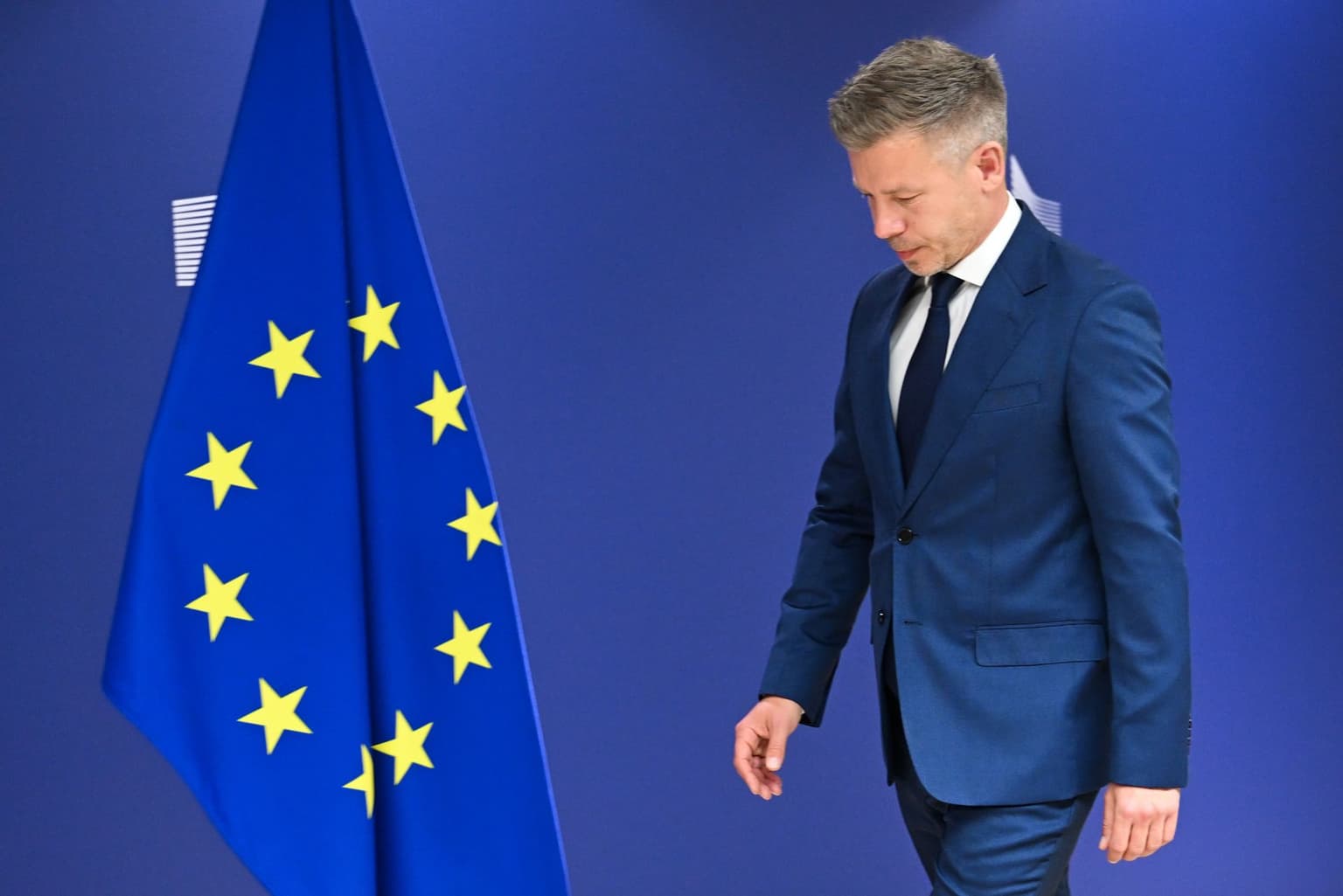
However, the next day, Hungarian Prime Minister Peter Magyar rejected the construction of the facilities on Hungarian territory, chastising Mol for allegedly negotiating with the Ukrainian side without consulting the Hungarian government.
Magyar claimed that Mol launched the negotiations during the tenure of Hungary's then-Prime Minister Viktor Orban. Speaking in parliament, he pledged that "no Ukrainian oil storage facility will be built in Hungary as long as there is a Tisza government."
Mol later clarified that the talks are in very early stages and that the process could still take years, which is why it did not inform the government, Hungarian media reported.
The news comes as Ukraine braces for a new wave of Russian drone and missile attacks against the country's energy infrastructure over the winter months.
The facilities were expected to be built near the Ukrainian border and serve Ukraine's needs, while also strengthening mutually beneficial cross-border energy infrastructure, Fedorenko explained.
Naftogaz also signed two separate memoranda with the Polish energy company Orlen during the Carpathian summit.
One agreement concerned shipments of liquefied natural gas (LNG) during the first quarter of 2027, and the second, concluded between Orlen and Ukrnafta, Naftogaz's subsidiary, provided for the supply of oil products for Ukraine worth over $500 million.
Relations between Ukraine and its EU neighbor, Hungary, saw a partial thaw after Magyar took office in May, replacing Kremlin-friendly Orban.
While Magyar has ruled out providing military aid to Ukraine or accelerating Kyiv's EU accession bid, he has signaled interest in resetting mutual ties and pursuing a more constructive relationship with Hungary's war-torn neighbor.
Nevertheless, relations continue to hit obstacles as Budapest renewed its blockade of Ukraine's EU accession talks over minority rights issues.