Merz decries 'disaster' as far-right AfD party set for big win in regional German elections
 on Google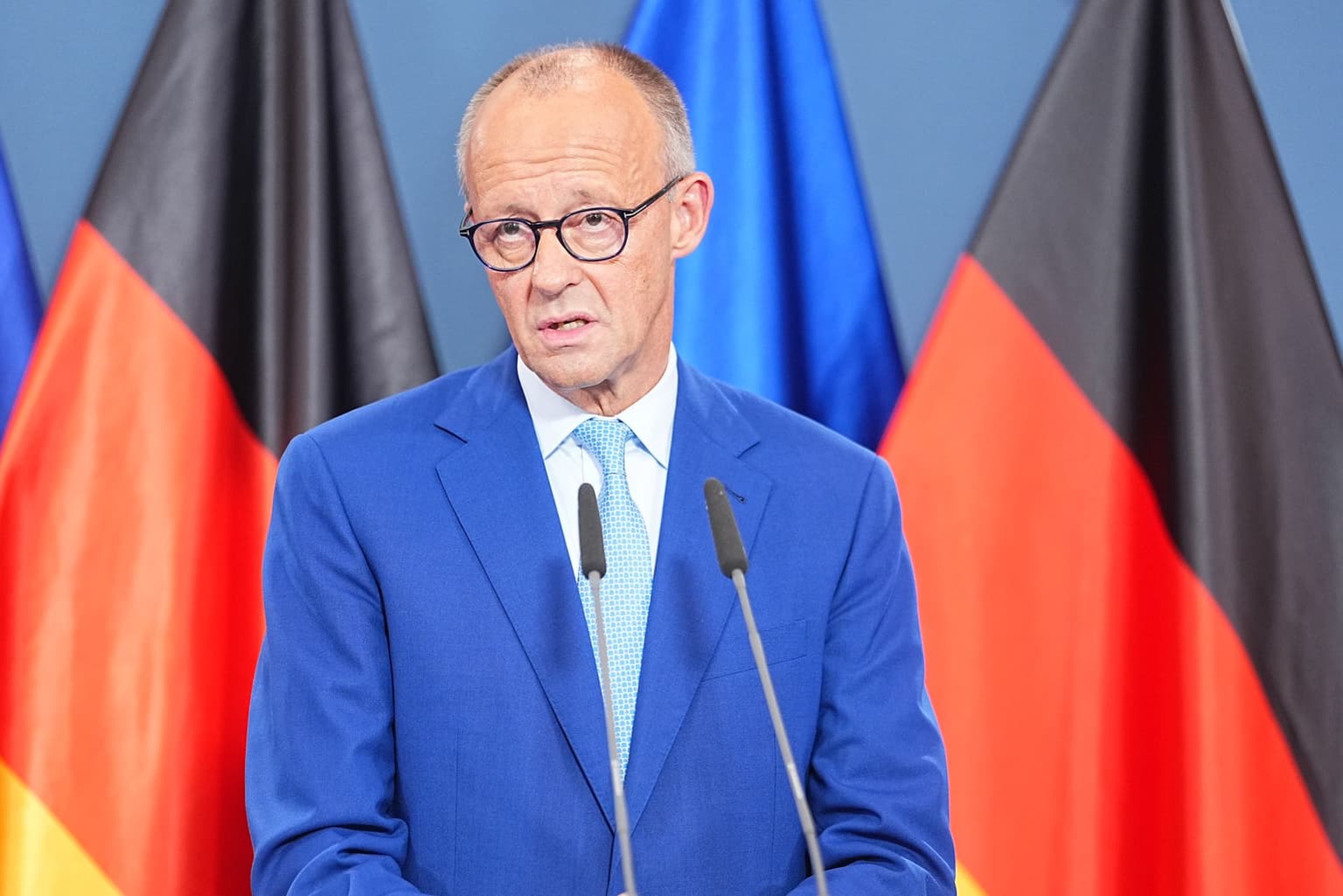
The far-right, Kremlin-friendly Alternative for Germany (AfD) party was projected to take first place in another regional election in Germany on Sept. 20, delivering a stinging defeat for German Chancellor Friedrich Merz's center-right party.
In regional elections in the northeastern state of Mecklenburg-Western Pomerania, the AfD was projected to earn 38.2% of the vote, edging out the center-left Social Democrats (SPD) at 35.4%, according to the German news program Tagesschau.
Chancellor Merz's Christian Democratic Union (CDU) received just 4.9% of the vote, according to preliminary data, threatening to fall below the 5% threshold needed to enter the state parliament, as the full election results continue to roll in. The results were the party's worst showing since it won Germany's first post-war federal election in 1949.
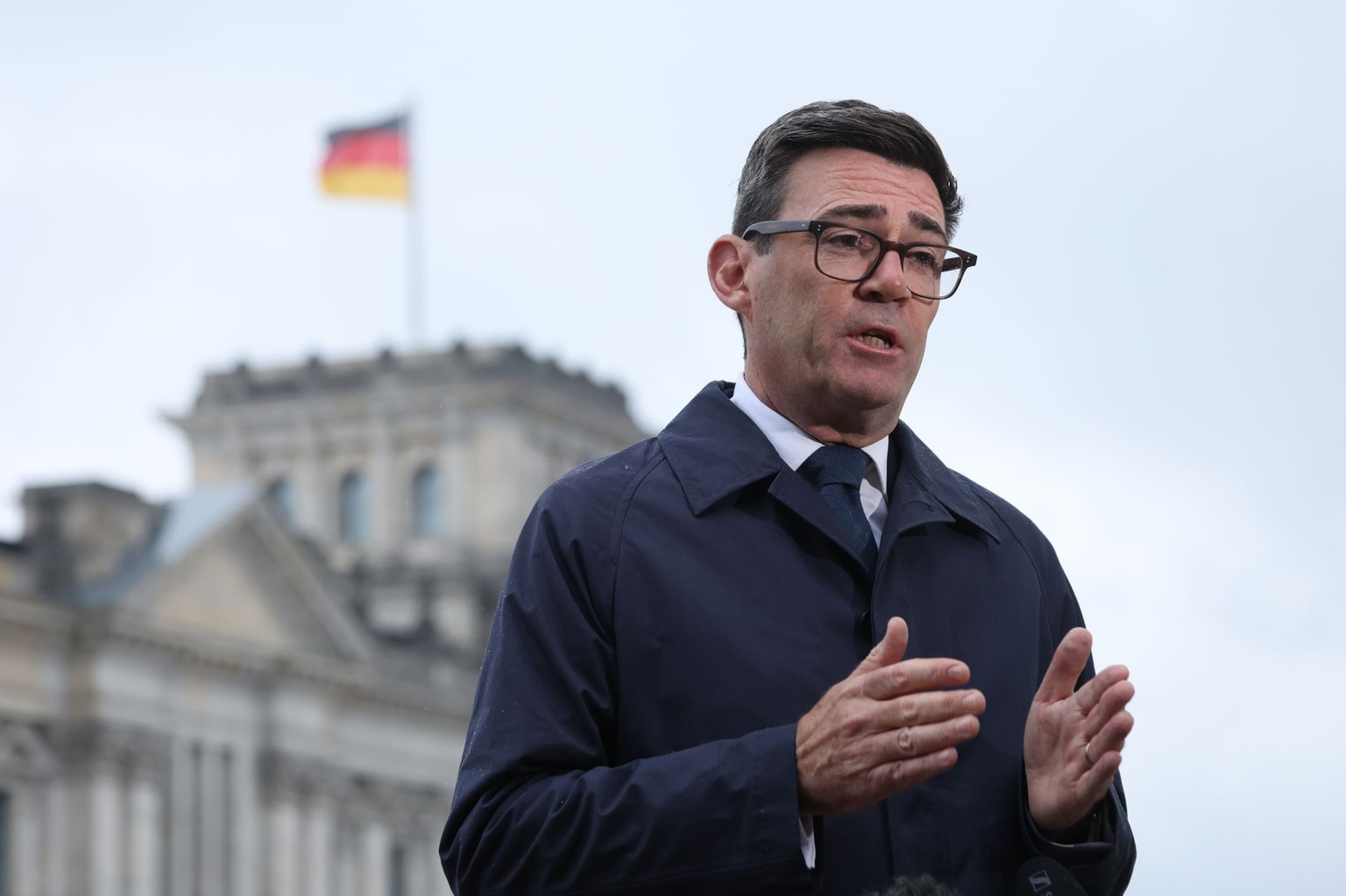
"It's a disaster," Merz said following the release of exit poll data for the elections.
Despite winning the most votes, the AfD appears unlikely to form a state government as the remaining parties set to enter the regional parliament have ruled out a coalition with the nationalists.
In another election held in Berlin on Sept. 20, the left-wing Die Linke party received the most votes. At 16.1% of the vote, the AfD secured third place in the capital.
The victory in Mecklenburg-Western Pomerania marks the AfD's second state election win this month, following its success in Saxony-Anhalt on Sept. 6.
Nationwide, the AfD's ultimate goal remains to unseat the increasingly unpopular Merz and his governing coalition, a result that would alter Europe's political map and leave Kyiv without a vital backer.
As part of its party platform, the AfD has called for cutting assistance to Ukraine and resuming economic cooperation with Russia.
On Sept. 18, Reuters reported that Kremlin economic envoy Kirill Dmitriev and AfD leadership were preparing to meet as early as March to discuss a possible resumption of Russian gas supplies to the EU country, citing two undisclosed sources.
Despite the loss, Merz said he would not resign and would continue to push his agenda.
"Trust in our country’s institutions is waning and is being actively undermined by radical parties on both the left and the right," Merz said.
"Germany is capable of reform. I would even go so far as to say that these reforms are the antidote to the poison of authoritarianism, which is penetrating ever deeper into our society as the fascination with authoritarianism grows."