Ukraine war latest: Zelensky offers deep-strike ceasefire to Moscow
 on Google
Key developments on May 11:
- Zelensky proposes deep-strike ceasefire with Moscow.
- Germany teases more defense deals with Ukraine.
- Ukraine gives Russia new POW exchange list.
- As Victory Day ceasefire ends, Russian attacks kill three and injure 16.
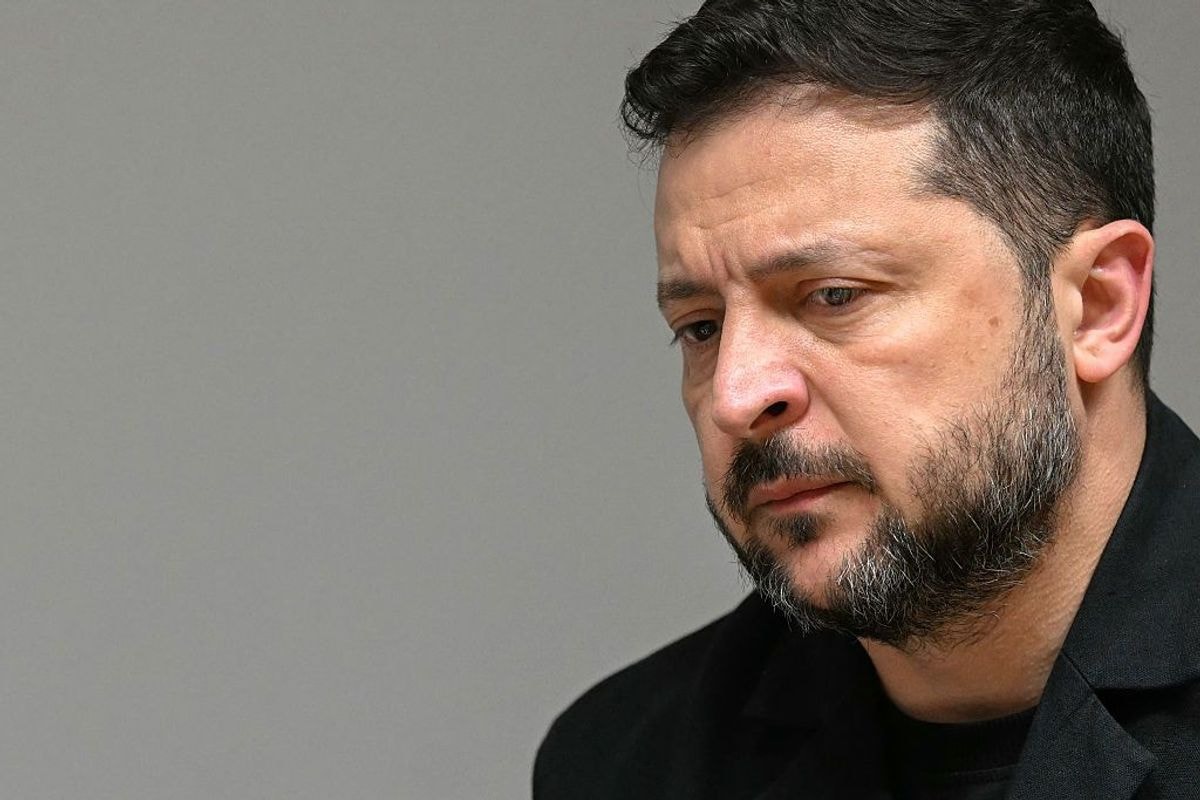
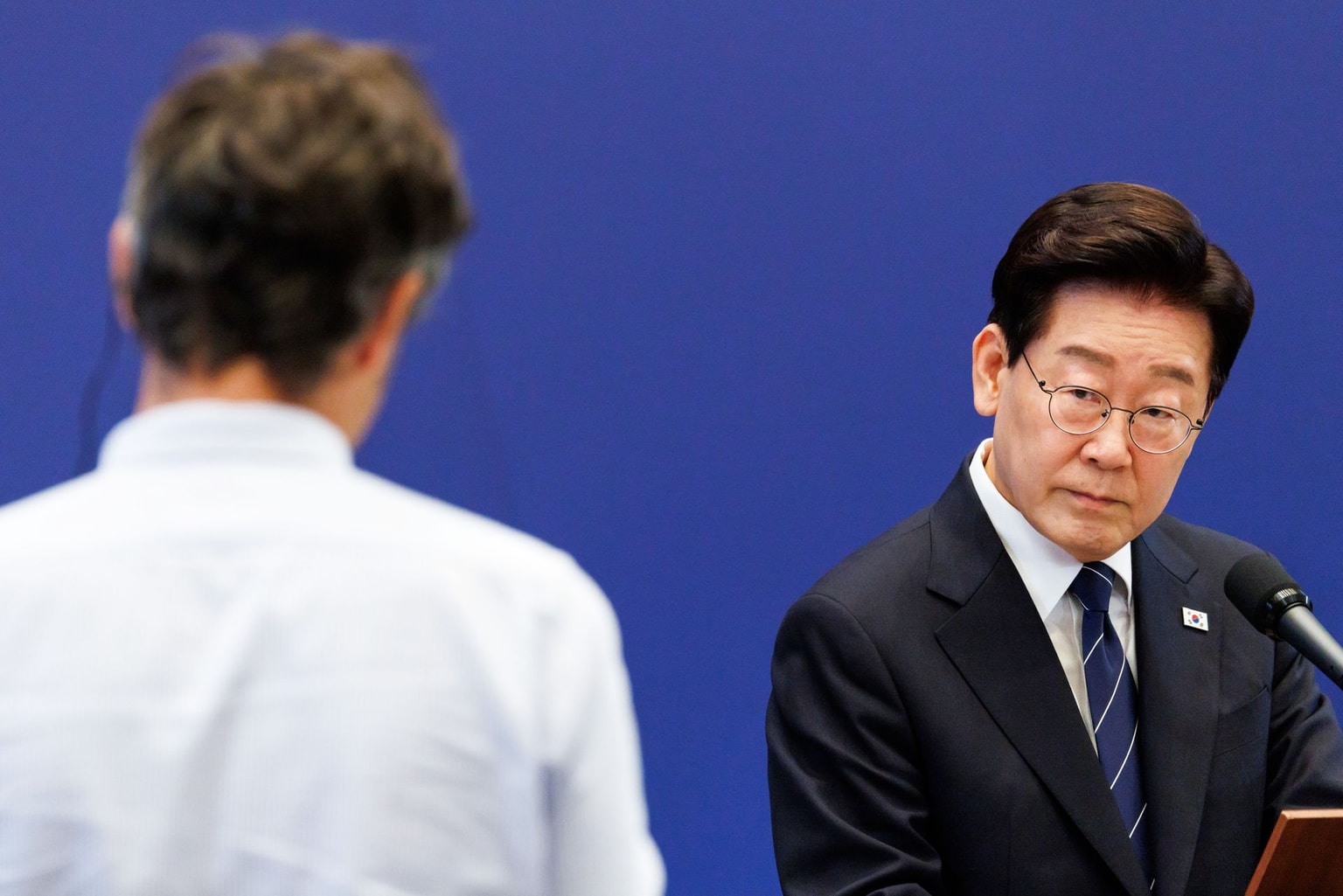
Ukraine will hold back "long-range sanctions," strikes on Russian military targets if Moscow continues to avoid launching mass attacks, President Volodymyr Zelensky said.
"As for our long-range sanctions, yesterday and today, Ukraine refrained from long-range actions in response to the absence of massive Russian attacks. Going forward, we will respond in kind. And if the Russians decide to return to full-scale warfare, our sanctions for this will be immediate and tangible," Zelensky said in an evening address.
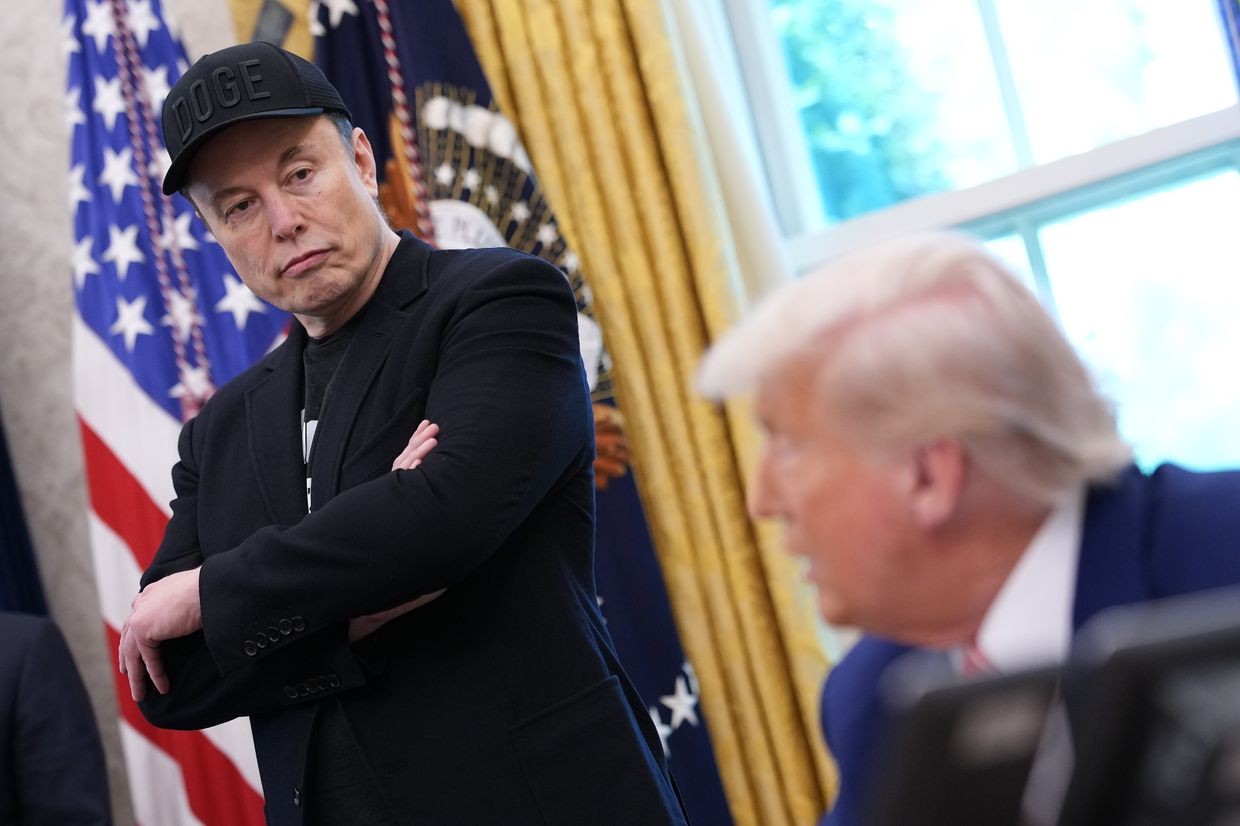
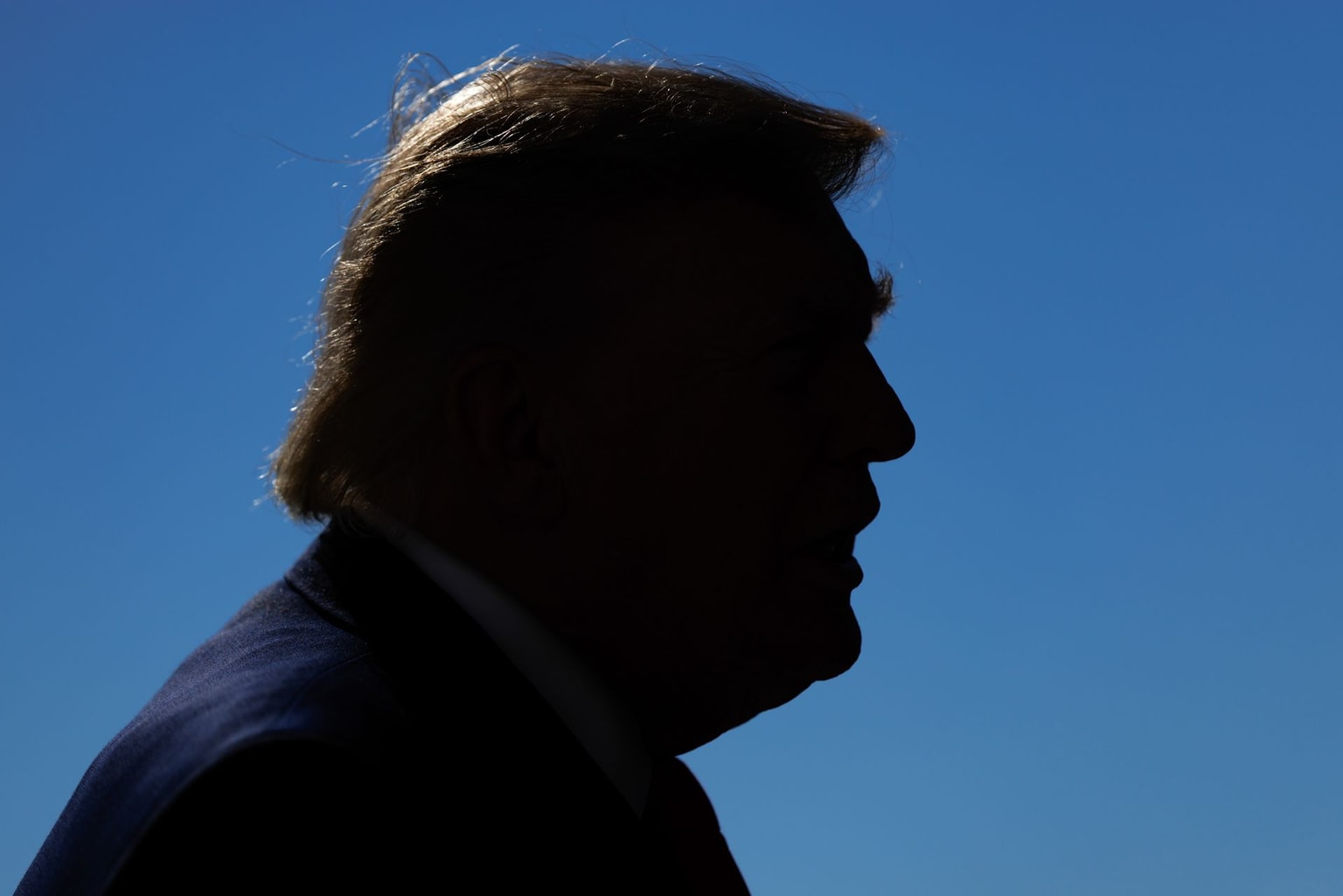
On May 8, U.S. President Donald Trump announced a surprise prisoner exchange and three-day ceasefire in Russia's war against Ukraine from May 9-11 after two ceasefires declared by both sides did not hold.
On May 4, Zelensky announced that Ukraine is declaring a ceasefire beginning at midnight on May 6 after Russian President Vladimir Putin said a temporary two-day "Victory Day ceasefire" on May 8–9 would take place.
Despite no mass drone and missile attacks over the past day, Ukraine recorded more than 150 Russian assault actions, more than 100 shelling attacks, and nearly 10,000 kamikaze drone strikes in front-line areas over two days, Zelensky said.
"In other words, the Russian army is not observing any silence on the front and is not even particularly trying to. All of our Ukrainian units are responding in kind and defending our positions exactly as necessary," he said.
Russia regularly strikes Ukrainian cities and civilian infrastructure as it continues to wage its war.
Overnight on May 9, a Russian drone slammed into a residential building in the northwestern city of Kharkiv, less than 24 hours into Trump's three-day ceasefire between Russia and Ukraine.

Ukraine, Germany sign agreement in Kyiv to deepen defense cooperation, plan joint drone production
German Defense Minister Boris Pistorius and Ukrainian Defense Minister Mykhailo Fedorov signed a letter of intent on May 11 to deepen cooperation in the development of defense technologies, Ukrainian news agency Ukrinform reported.
The signing came on the same day Pistorius arrived in Kyiv on an unannounced visit, which was set to focus on expanding defense cooperation between the two countries.
The participants announced the launch of "Brave Germany," a joint initiative aimed at advancing defense technologies and supporting innovative startups, according to Ukrinform.
Backed by Ukraine's Brave1 defense-tech platform, the project will provide grants to Ukrainian and German companies operating in the defense sector, Ukraine's Defense Ministry told the Kyiv Independent.
"Today, Germany is the world's leading provider of security assistance to Ukraine, accounting for about one-third of all aid to our country," Fedorov said.
"I would also like to express my gratitude for the quality of this support and for the assistance provided in key areas of our defense — first and foremost, air defense."
Speaking about future defense cooperation with Germany, Fedorov said Kyiv and Berlin signed a major contract on April 14 for the procurement of hundreds of missiles for Patriot air defence systems, with Germany already beginning to finance the deal.
"Next year we will begin receiving these missiles, and this is an unprecedented aid package for us," Fedorov said, thanking Germany for its support in other areas of air defense as well, including funding for interceptor drones, IRIS-T systems and missiles for them.
Fedorov added that Germany has also begun funding capabilities for medium- and long-range strikes against Russian targets supporting the war against Ukraine, while allocating initial funding for Ukraine's drone assault units.
According to Fedorov, Ukraine remains interested in German Taurus missiles, which have a range of up to 500 kilometers (310 miles), though Kyiv already possesses weapons with similar capabilities.
"You can never have too many of these weapons," Fedorov said.
"We have all seen strikes against Russia from 1,500 kilometers (930 miles) away. That is why Ukraine is doing its homework well," the Ukrainian minister added, without specifying the weapons systems involved.
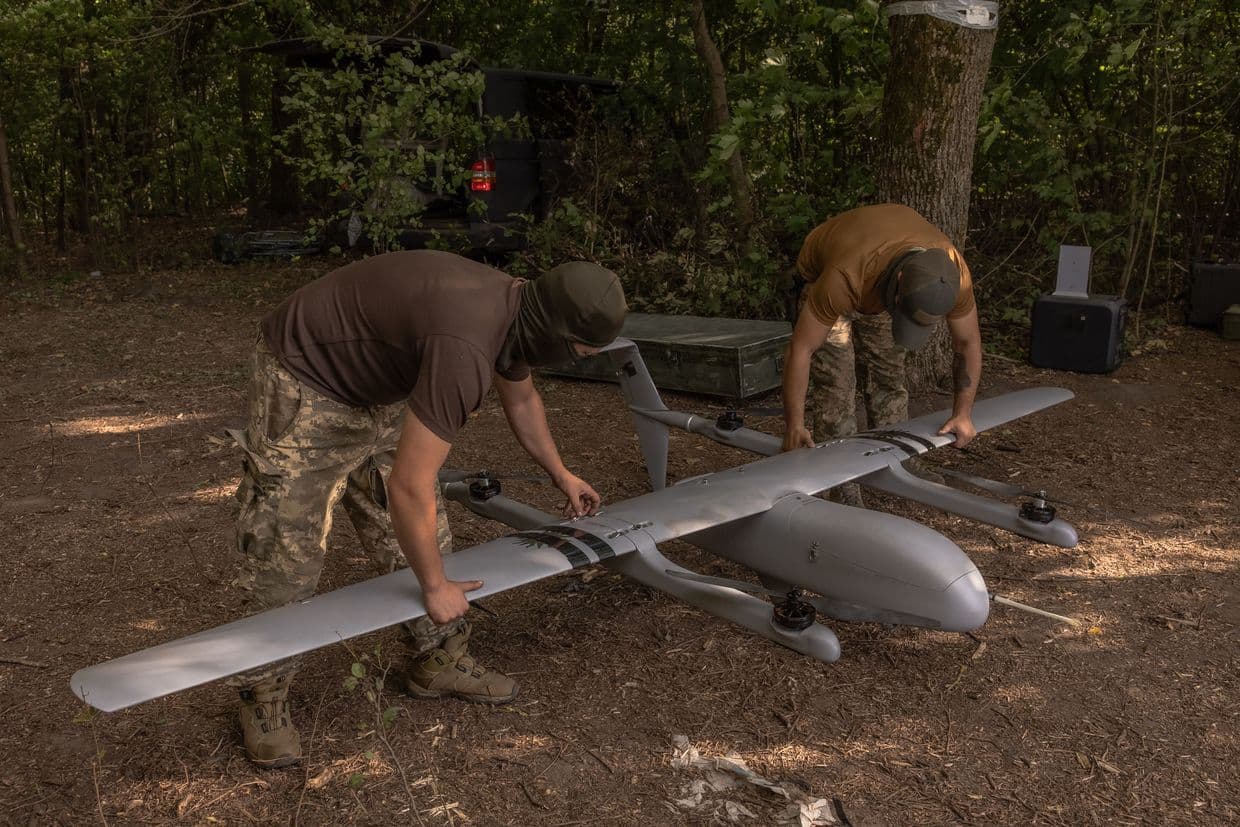
Germany and Ukraine also plan to jointly develop drones with varying ranges, including systems capable of traveling up to 1,500 kilometers (930 miles).
Pistorius said that for Ukraine, "the development of long-range drones is of immense importance for striking back at Russian military infrastructure."
The German defense minister also pointed to Ukraine's extensive use of drones capable of overwhelming enemy air defenses — a capability "that NATO is also working intensively on."
Pistorius added that Berlin also plans to conduct a detailed study of Ukraine's DELTA battle management and situational awareness system in the second half of the year, exploring the possibility of integrating it or using specific components for the Bundeswehr's needs.

Ukraine gives Russia POW exchange list, seeks US guarantees for deal, Zelensky says
Ukraine has transferred lists of prisoners of war to Russia for a planned exchange and expects the United States to help ensure the deal is carried out, President Volodymyr Zelensky said on May 11.
The statement comes amid uncertainty surrounding the proposed exchange after Russian President Vladimir Putin claimed on May 9 that Kyiv had not submitted any proposals regarding a swap.
"The lists have been submitted, and we expect the American side to be active in ensuring the implementation of this agreement," Zelensky said following a briefing from Rustem Umerov, secretary of Ukraine's National Security and Defense Council.
U.S. President Donald Trump announced on May 8 a surprise prisoner exchange and temporary ceasefire in Russia's war against Ukraine for May 9–11, timed around Russia's Victory Day celebrations.
"The Celebration in Russia is for Victory Day, but, likewise, in Ukraine, because they were also a big part and factor of World War II," Trump wrote. "This Ceasefire will include a suspension of all kinetic activity, and also a prison swap of 1,000 prisoners from each Country."
Umerov traveled to Miami on May 7 for talks with U.S. envoys Steve Witkoff and Jared Kushner focused on the exchange and broader efforts to revive stalled peace negotiations with Russia.
The visit took place as U.S.-mediated peace talks between Kyiv and Moscow have remained frozen for more than two months, with Washington increasingly focused on the conflict with Iran.
According to Zelensky, Umerov also discussed possible formats for future high-level negotiations aimed at ending Russia's full-scale war during his visit to the U.S.
Putin said on May 9 that he would be willing to meet Zelensky in a third country, marking a shift from previous invitations for the Ukrainian president to travel to Moscow for talks.

As Victory Day ceasefire draws to a close, Russian attacks kill 3 civilians, injure 16
Russian attacks killed three civilians and injured 16 others as the third and final day of the Victory Day ceasefire came to an end, local authorities said on May 11.
U.S. President Donald Trump announced on May 8 that Ukraine and Russia had agreed to a bilateral ceasefire from May 9 to May 11, a move confirmed by both countries.
During the ceasefire, there were no large-scale airstrikes, though the Ukrainian Air Force reported Russian drone launches and the firing of one Iskander-M ballistic missile from occupied Crimea.
"It is encouraging that, as of now, there have been no massive attacks today – no missile strikes or air attacks. But in frontline areas and in communities near the front, there has been no quiet," President Volodymyr Zelensky said on May 10 in his evening address.
The deadliest attacks against civilians were reported in southern Ukraine. In Kherson Oblast, Russia targeted 12 settlements, including the regional center of Kherson, killing two people and injuring two others, according to the local military administration.
Russian strikes in Zaporizhzhia Oblast killed one person and injured two others in the Zaporizhzhia district, as Russian forces launched 785 attacks on 36 settlements, the local military administration said.
In Mykolaiv Oblast, first-person-view (FPV) drones and a Molniya drone struck two communities, injuring a married couple — a 68-year-old man and a 62-year-old woman — as well as a 19-year-old man. All three victims were hospitalized in moderate condition, Governor Vitalii Kim said.
To the north, in Kharkiv Oblast, Russian forces targeted eight settlements, including the regional center of Kharkiv. At least five people were injured over the past day, with the youngest victim a 22-year-old man and the oldest a 74-year-old man, Governor Oleh Syniehubov said.
In Donetsk Oblast, in the east, Russian attacks injured four people in the villages of Oleksiievo-Druzhkivka and Kindrativka, as well as in the city of Sloviansk, Governor Vadym Filashkin said.
Ukraine's General Staff said on May 11 that over the past day, including while the ceasefire was still in effect, 180 combat engagements took place across various sectors of the front line. Meanwhile, on May 10, Russia launched 8,037 kamikaze drones and carried out 6,380 attacks, including 25 from multiple launch rocket systems, against Ukrainian military positions and settlements.