Authorities to introduce 'fuel vouchers,' restrict gasoline sales in occupied Crimea amid shortages linked to Ukrainian strikes
 on Google
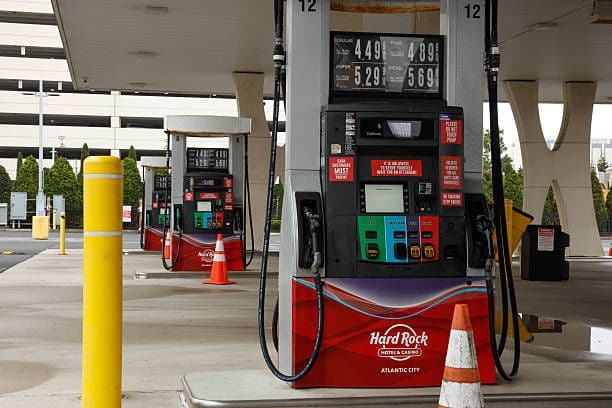
Russian proxy authorities will implement the use of "fuel vouchers" across occupied Crimea, as well as set limits to the amount of gasoline residents of the peninsula can purchase, amid ongoing fuel shortages in the region caused by Ukrainian strikes.
Sergey Aksyonov, the Russian proxy head of occupied Crimea, announced the decision on May 30 in a post on Telegram, telling residents that as of May 31 "sales of 95-octane gasoline at ATAN and TES gas stations will be carried out only via vouchers," referring to the two largest fuel service chains on the Crimean peninsulas.
Aksyonov added that the distribution of 95-octance fuel, the most frequently used gasoline grade in occupied Crimea, will be prioritized for "municipal and social transport." Details around the distribution of fuel vouchers were not immediately provided.
Restrictions on the purchase of 92-octane gasoline, the grade use most commonly in older vehicles, were also announced, with residents allowed to purchase "no more than 20 liters" of the fuel grade per vehicle, with refueling cannisters "prohibited."
The latest measures come as the peninsula continues to experience fuel shortages stemming from a combination of Ukrainian strikes on supply routes as well as on oil infrastructure.
In recent weeks, Ukrainian forces have significantly expanded their medium-range strike capabilities, regularly hitting Russian military targets 20 to 300 kilometers (10 to 180 miles) behind the front line, both inside Russia and in occupied Ukrainian territories.
The attacks, some of which target Russian fuel shipments, have been concentrated in occupied Ukrainian regions north-east of Crimea that form a so-called "land bridge" with Russian-controlled areas of Ukraine. In April, Ukrainian forces also damaged railway infrastructure leading to occupied Crimea.
Defense Minister Mykhailo Fedorov said on May 27 was launching a "logistical lockdown" program, intensifying its medium-range strike campaign in the region.
The latest strikes place additional pressure on an already strained Russian oil industry. Kyiv considers oil refineries and infrastructure to be valid military targets, as the energy sites provide fuel and funding for the Kremlin's war machine.
Since the start of Russia's full-scale war in Ukraine, Kyiv's forces have struck Russian oil refineries at least 158 times through a combination of missile and drone attacks.
According to data compiled by Bloomberg, Ukraine's strikes on Russian oil infrastructure reached a four-month high in April, with at least 21 attacks on refineries, pipelines, and oil assets at sea recorded.
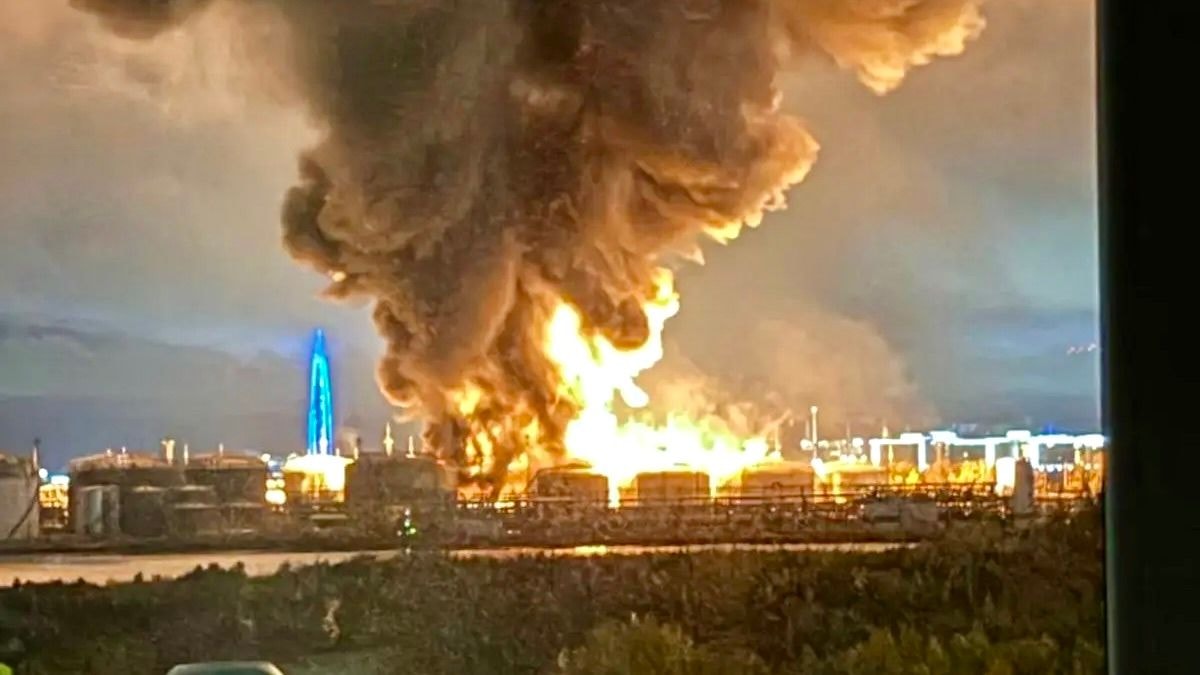
Ukrainian forces continued their strikes on oil depots in occupied Crimea overnight on May 30, reportedly striking an oil depot near the city of Feodosia.
Occupied Crimea has previously experience fuel shortages resulting from Ukrainian drone strikes. In October 2025, proxy authorities introduced similar measures to stabalize gas supply.
Aksyonov claimed that the latest shortages are expected to stabilize "within 30 days."