Russian region establishes new 'drone defense ministry' as Ukrainian strikes change balance of war
 on Google
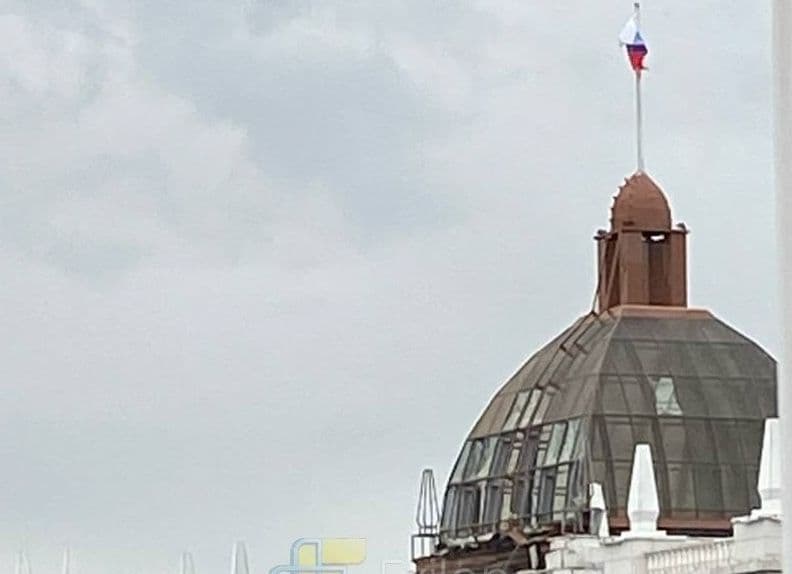
Russia's Nizhny Novgorod Oblast has established a new ministry for drone defense, according to a decree signed by Governor Gleb Nikitin on May 30.
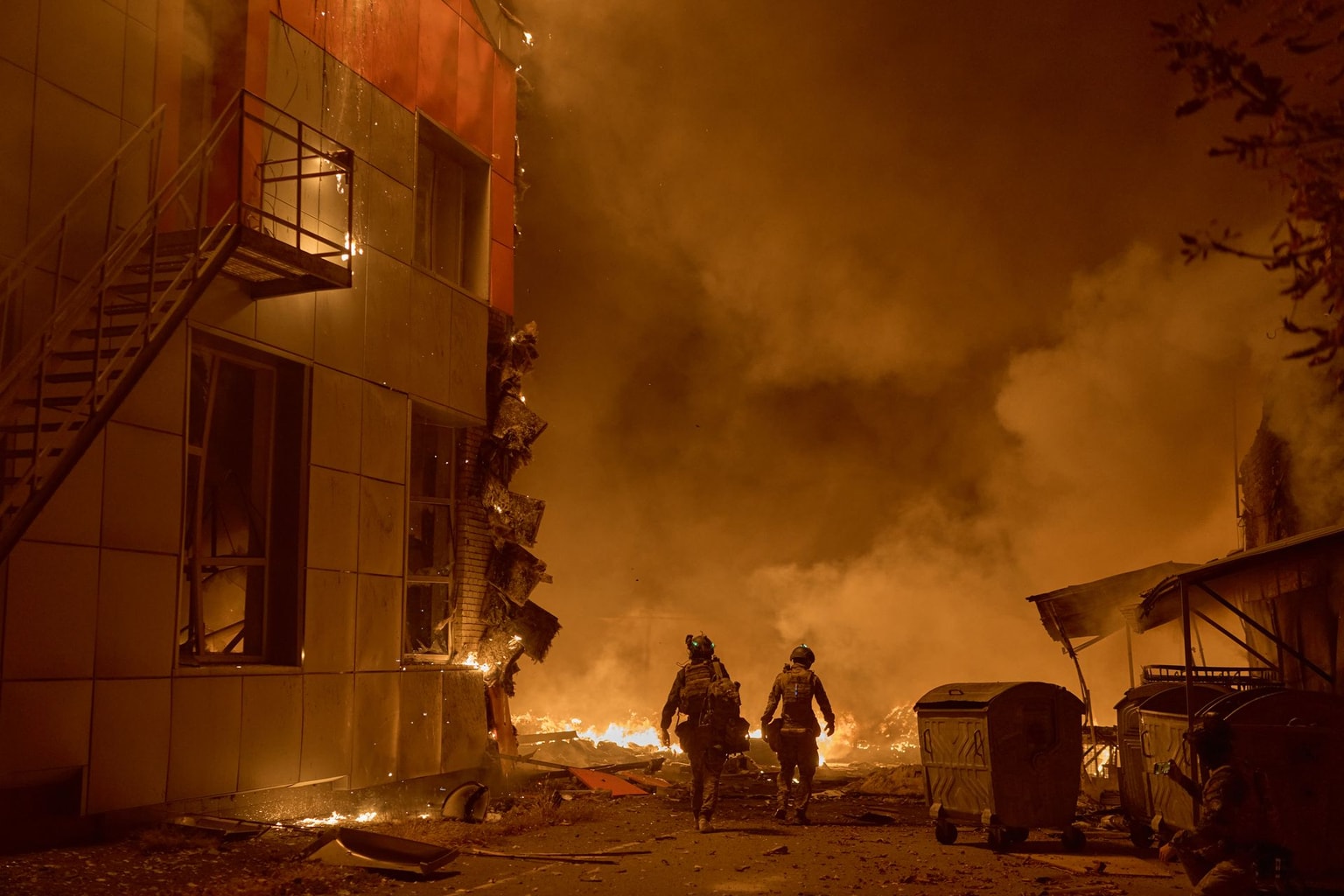
The move follows a series of Ukranian attacks against the region, including a reported strike on May 28 that allegedly damaged the courthouse in the regional capital.
The ministry will be tasked with "the protection of the region's airspace and its utility and energy infrastructure, which are among the primary targets of enemy drone attacks," according to Nikitin.
The new drone defense body will be part of a single executive structure along with Nizhny Novogorod's energy, housing, and utilities ministry.
Nizhny Novgorod lies over 600 kilometers (about 373 miles) from the Ukrainian border. The creation of the drone defense ministry reflects Ukraine's increasingly effective deep strike campaign against targets in the Russian rear.
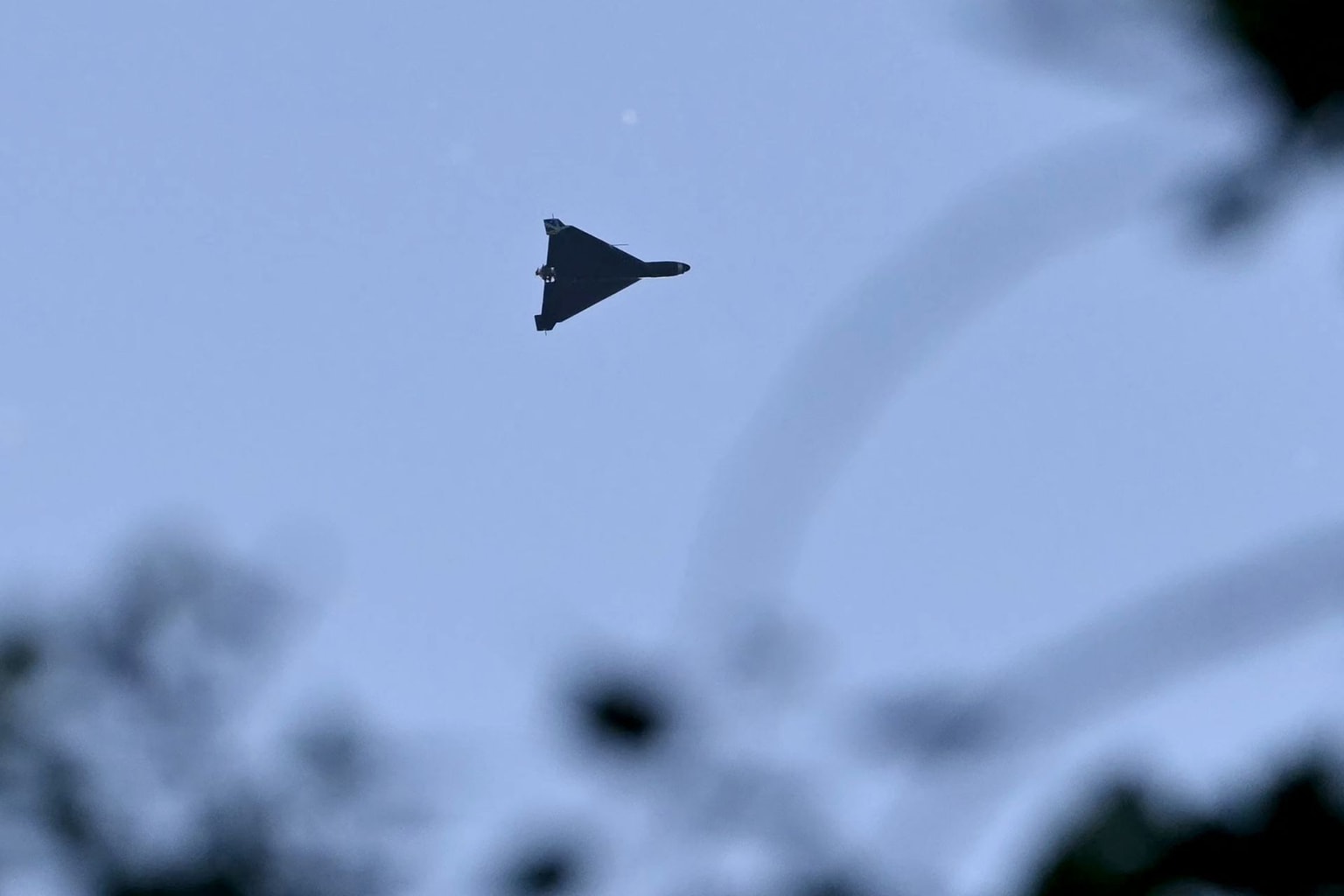
Ukraine regularly uses its homegrown weapons to attack military and industrial targets in Russia, particulary oil refineries and defense production facilities. As Ukraine has scaled up its domestic drone program, the frequency and effectiveness of these strikes has intensified.
In May 2026 alone, the Ukrainian military reported multiple successful hits on the Lukoil-Nizhegorodorgsintez refinery in Nizhny Novgorod Oblast, one of the largest oil refineries in Russia.
Residents of the city of Nizhny Novgorod also claimed that a Ukrainian drone flew into the Regional Court building the morning of May 28, according to the Telegram monitoring channel Exilenova-Plus.
Ukraine's attacks have disrupted Russia's energy production and export operations, air travel, and vacation plans. The Kremlin has cracked down on internet usage amid the uptick in strikes, further impacting daily life for Russians in the fifth year of the full-scale war.
Poll results published May 15 show that for the first time since 2022, Russians are more worried about Ukrainian deep strikes than they are about events on the front lines.
President Volodymyr Zelensky has referred to Ukraine's strike campaign as "long-range sanctions," a justified response to Russia's ongoing aggression and mass missile attacks against Ukrainian cities.