Ukraine war latest: Russia suffers record daily losses for 2nd time in a month
 on Google

Key developments on Nov. 9:
- 2 soldiers a minute — Russia suffers record losses on Nov. 8, General Staff says
- Ukrainian parliament backs creation of Space Forces in first reading
- Russia imposes gasoline sales restrictions amid Ukrainian oil refinery attacks, Russian media report
- Ukraine strikes St. Petersburg plant producing missile fuel, General Staff says
- Police identify 30 of 55 bodies recovered from Komyshuvakha airstrike
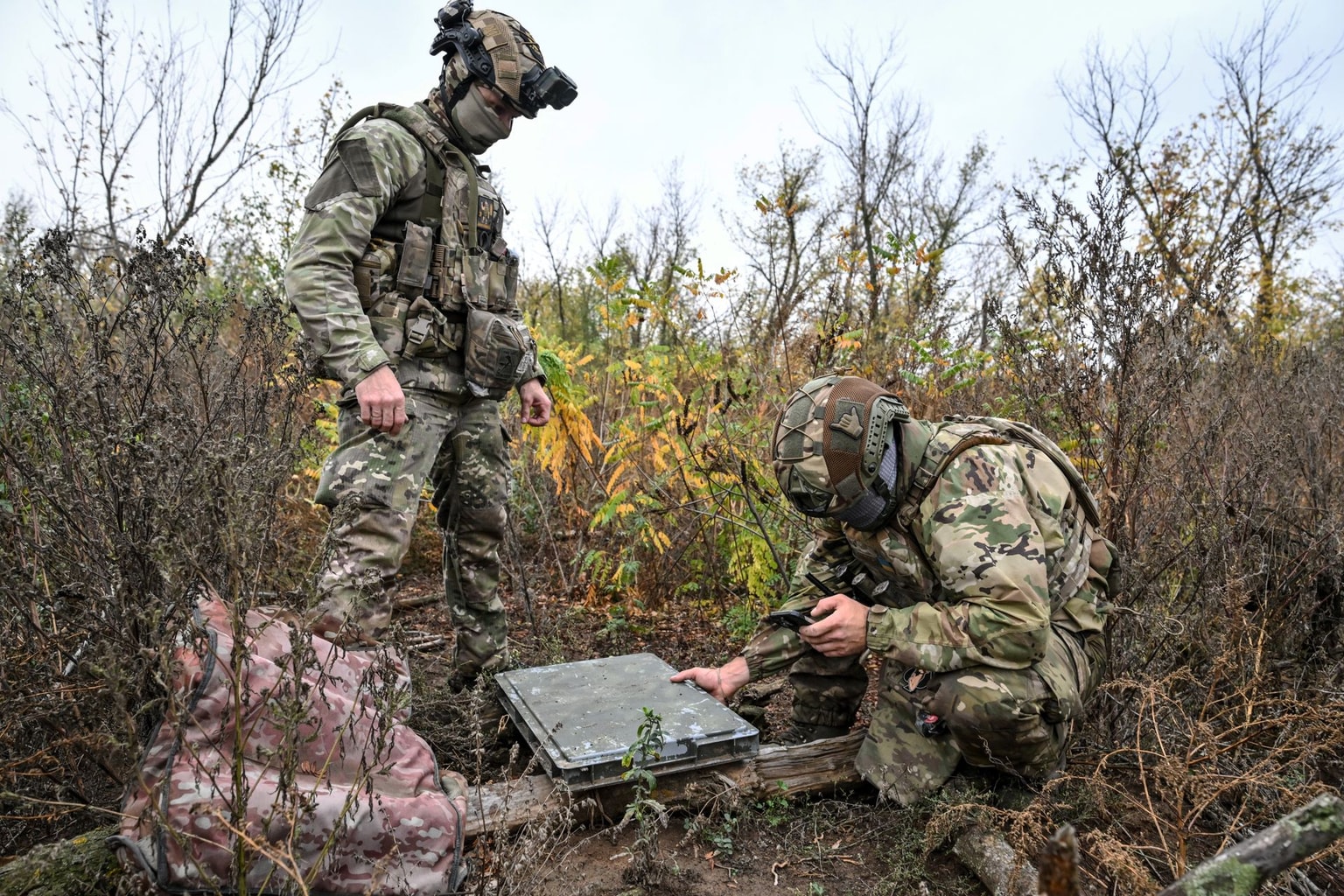
Russia suffered a record-breaking number of casualties on the front lines on Nov. 8, totaling 2,980 soldiers either killed or seriously injured in a day, Ukraine's General Staff said.
"One less invader every 29 seconds," the General Staff said on its Telegram on Nov. 9.
The report comes a day after the General Staff reported Russian casualties reaching 400,000 since the beginning of the full-scale invasion in 2022.
The previous record for Russian daily personnel losses was 2,500, reported just a week prior on Nov. 1, 2026. October 2026 was the deadliest month for Russian troops since the start of the full-scale invasion, according to Ukraine's General Staff.
"The Russian command continues to send units on suicidal assaults, while our soldiers repel these attacks day after day," the General Staff said.

The rise in the reported Russian casualty figure signals that the Ukrainian military has adapted "very well" to the current costly Russian tactics, which Moscow has been deploying since 2025, according to Emil Kastehelmi, an analyst at the Finland-based Black Bird Group, which closely analyzes the war using open-source footage.
Meanwhile, Russia appears not to have tried to change its tactics, even after suffering increasing losses, despite constantly achieving "less and less" on the battlefield, Kastehelmi said.
Russia's patrol-and-infiltration-heavy tactic would likely become more costly in the coming months, which could further increase the daily casualties, according to the analyst. But he believes that there would come a point where it becomes unsustainable for Moscow without a mobilization.
"Russia has been continuing these kinds of attacks and tactics; Ukraine has been adapting, Ukraine has been especially developing unmanned warfare, focusing on lowering the casualties," Kastehelmi, who recently visited the front lines, told the Kyiv Independent.
Ukrainian parliament backs creation of Space Forces in first reading
Ukraine's parliament voted to advance legislation proposing the creation of Space Forces as a new branch of Ukraine's Armed Forces, with 252 lawmakers supporting the bill on Nov. 9, according to the Verkhovna Rada, Ukraine's parliament.
"The document envisages the development of space technologies to strengthen Ukraine's defense capabilities," the announcement said.
The bill was first registered in parliament on May 2, 2025, according to parliamentary records. Draft law No. 13255 was approved in its first reading on Nov. 9. It must now return to parliament for a second reading before lawmakers can give it final approval.
The legislation seeks to strengthen Ukraine's ability to defend against threats originating from space, according to the explanatory note published by parliament. It would provide the legal basis for establishing a dedicated military branch and integrating it into the structure of the armed forces.
Among the proposed measures are a national early-warning system to detect incoming missile launches and develop ways to counter such attacks, according to the Verkhovna Rada. The bill also envisages secure satellite communications for Ukraine's security and defense forces.
Russia imposes gasoline sales restrictions amid Ukrainian oil refinery attacks, Russian media report
Russia's state-controlled oil company, Rosneft, introduced gasoline sales restrictions in multiple Russian regions amid continued Ukrainian attacks on oil refineries, Russian media reported on Nov. 9.
Rosneft customers in Krasnoyarsk Krai, Siberia, are limited to 30 liters of AI-95, 50 liters of AI-92 gasoline, and 100 liters of diesel per customer, while filling canisters is not allowed, Russian state-controlled media Kommersant said on Nov. 9.
Similar restrictions are reportedly in place in the Republics of Karelia and Buryatia, as well as Zabaykalsky Krai and Novosibirsk Oblast, allowing each customer to purchase only 30 liters of gasoline in cities and up to 50 liters on highways, according to independent Russian media Current Time, citing the Russian Telegram channel "Not Moscow speaking."
Russia has introduced gasoline sales restrictions in many regions across the country since June, when Ukraine ramped up its long-range drone strikes on oil refineries in early summer.
Ukraine strikes St. Petersburg plant producing missile fuel, General Staff says
Overnight, Ukrainian forces struck the Morozov plant near St. Petersburg, which produces fuel for 9M723 Iskander-M ballistic missiles, damaging three production workshops "at once," Ukraine's General Staff said on Nov. 9.
"Each such strike makes it more difficult for the enemy to produce missiles for the 'Iskander' systems, which it uses to strike our cities," the General Staff said.
"The chain is broken at the very beginning, long before the launch pad."
The extent of the damage at the Morozov plant, which produces solid-fuel charges for the Iskander-M missiles, is being assessed, according to the General Staff. The plant also produces explosives and has developed solid propellants for the engines of Topol-M intercontinental missile systems, it added.
The Morozov plant, part of Russian state defense conglomerate Rostec Corporation, is "one of the key links in the chain that supplies the Russian Federation's military with ballistic missiles," according to the General Staff.
Rostec is subject to international sanctions. Ukraine also sanctioned the plant in August.
The Russian Defense Ministry did not comment on the incident. The Kyiv Independent could not independently verify the claim.

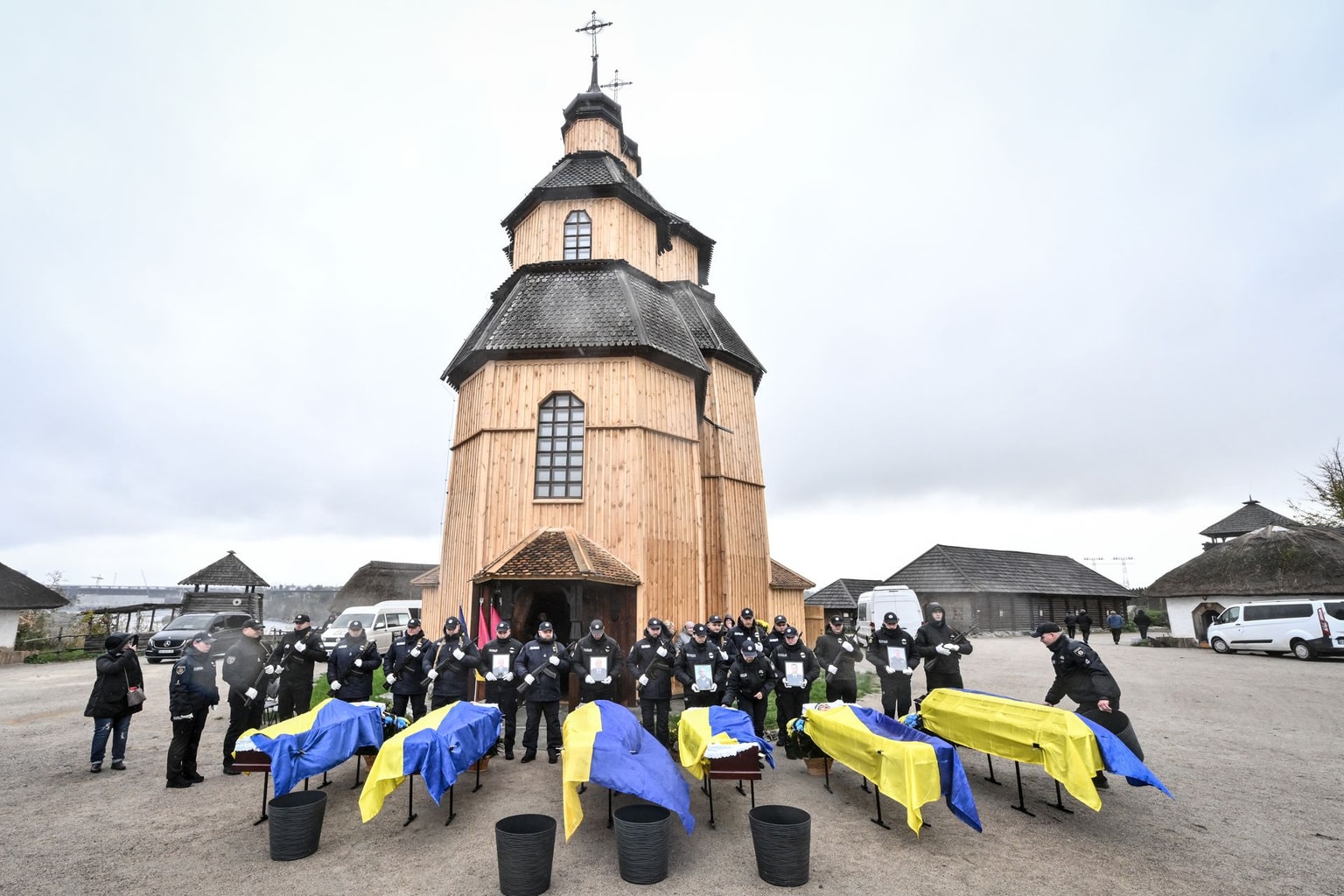
Police identify 30 of 55 bodies recovered from Komyshuvakha airstrike
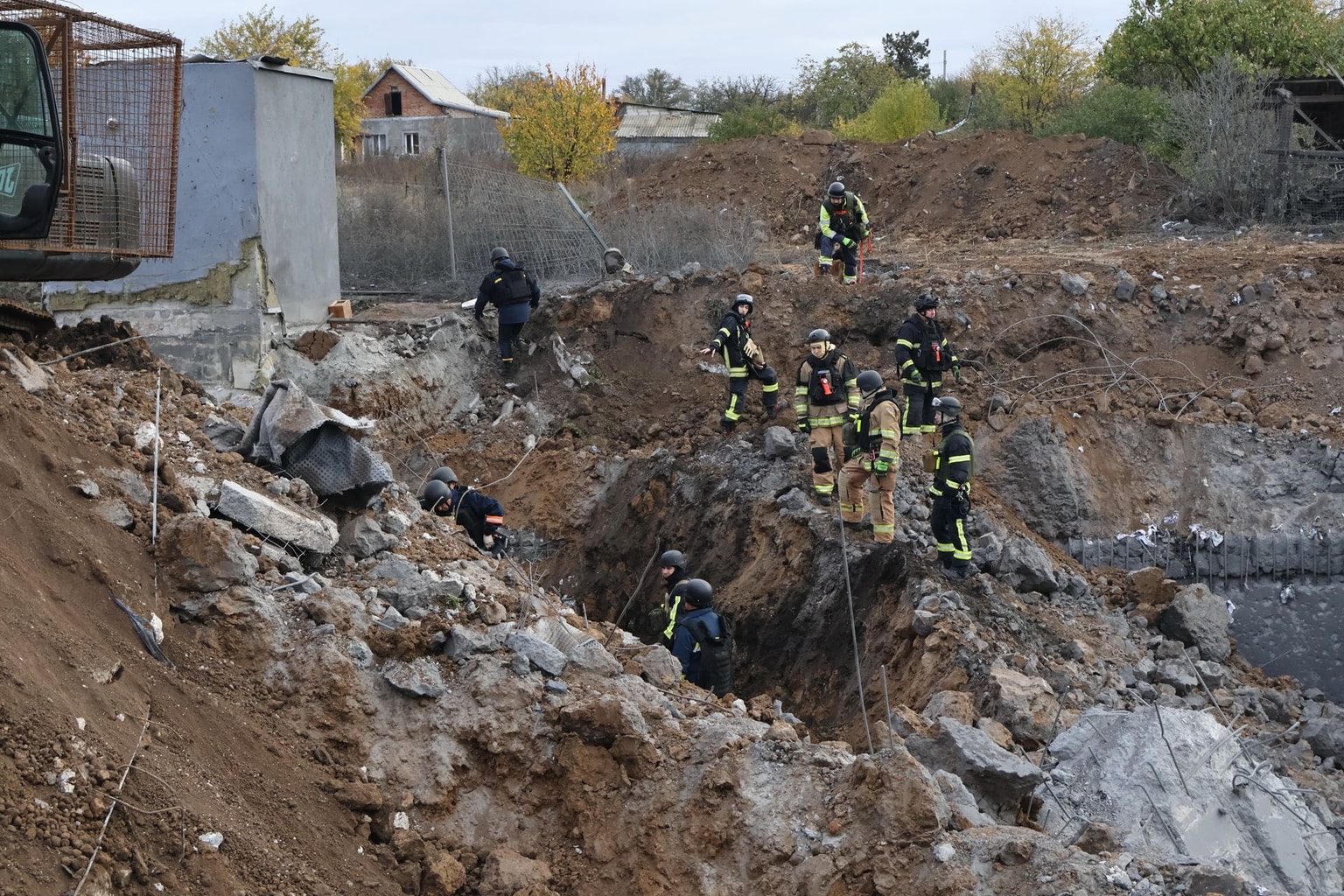
Thirty of the 55 bodies of victims recovered from the rubble of a Nov. 2 Russian airstrike on Komyshuvakha, Zaporizhzhia Oblast, have been identified so far, as the rescue operation to recover more bodies continues, the oblast's police department said on Nov. 9.
Nineteen more bodies could still be under the rubble, according to the regional police. The final death toll is yet to be established.
One week ago, Russian forces struck the front-line village of Komyshuvakha several times.
Russian forces struck a humanitarian aid center — a school building — with guided aerial bombs as residents were receiving aid. When police officers and rescue workers rushed in to help the injured, Russia struck again, Ukrainian authorities said. In this double-tap attack, nine more bombs struck a shelter where people were taking cover, President Volodymyr Zelensky said.
According to Ukrainian officials, Russian forces carried out ten aerial bomb strikes, first using FAB-500 bombs, before deploying a FAB-3000 — a 3-ton bomb containing nearly 1.5 tons of explosives with a blast radius of up to 250 meters. A direct hit caused the shelter's underground concrete structure to collapse.
Located about a 30-minute drive from Zaporizhzhia, Komyshuvakha is about 20 kilometers (about 12 miles) from the front and was home to around 5,000 people before the full-scale war.
The search and rescue operation remains difficult due to the high threat of Russian aerial bombs and first-person view (FPV) drone attacks in the village.