Everyone is talking about World War III. Sweden is preparing for it
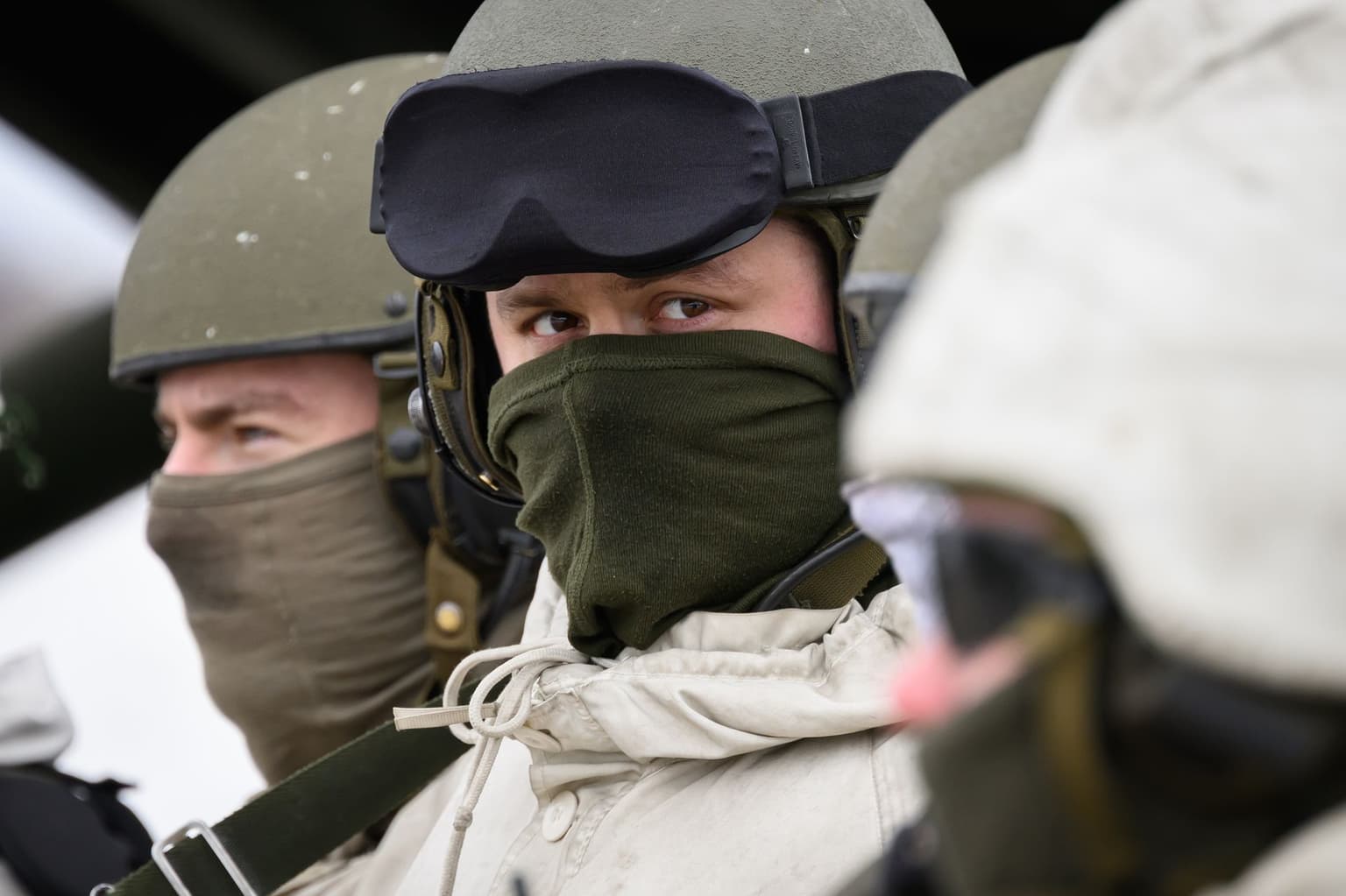
Swedish soldiers take part in a training exercise near the Finland-Norway border during the Nordic Response military exercise in Kivilompolo, Finland, on March 9, 2024. (Leon Neal/Getty Images)
 on Google

Yelyzaveta Nechyporuk
Social media manager at the Kyiv Independent
Ukraine's wartime experience is becoming a source of practical lessons for countries trying to strengthen their own resilience and defense.
In today's Europe, talk of a wider war no longer sounds remote or unlikely. The anxiety is real, and governments are reassessing their security and defense. That's where Ukraine's experience is becoming both a warning and a guidebook, showing what happens to a modern society under sustained attack, what systems come under pressure first, and what helps a country keep functioning.
"Ukraine still depends heavily on international support, but the exchange is no longer one-way."
As I work in social media, I spend hours every day tracking international conversations — especially in the West. Lately, World War III pops up a lot. People wonder aloud if we're already headed that way or use humor and memes to mask their unease about just how unprepared they'd all be if it happened.
"My first WW3 kinda nervous," or so goes one of the trends.
A recent interview with historian Sarah Paine on The Diary of a CEO touched on this fear. Excerpts of the nearly 2-hour video went viral everywhere. Paine talks about the importance of "negative objectives," or in other words, the importance of governments taking proactive action to prevent disasters.
I had similar thoughts during my trip to Sweden in October. What interested me there was not only how seriously the country now takes the possibility of war, but also how much of the work focuses on being ready before a crisis reaches it.
A member of both NATO and the EU, Stockholm seemingly has no reason to borrow trouble. Yet Russia's full-scale invasion of Ukraine changed Sweden's approach to its own security dramatically.
After more than 200 years of staying out of military alliances, Sweden applied to join NATO in May 2022 — and by March 2024, it was a member.
Sweden now describes Russia as the most serious threat to its national security through 2030. Its National Security Strategy also calls the Ukrainian front "the first line of defense of our freedom."

Sweden is also making its largest investment in total defense since the Cold War. Its 2025–2030 defense plan includes more than SEK 170 billion (around $17.4 billion), in additional funding for military defense and SEK 37.5 billion (around $3.8 billion), for civil defense.
And civil defense covers much more than the military. Sweden is investing in food and medical reserves, shelters, cybersecurity, critical infrastructure, communications, and the ability of municipalities and essential services to keep working during a crisis or war.
"Sweden's updated "If Crisis or War Comes" guidance asks households to be able to manage for at least a week if electricity, water, communications, or access to basic goods is disrupted."
Even without military intervention, Russia and other countries can disrupt civilian life, as happened during a recent hacker attack on supermarkets across several countries in Europe. The Nov. 2 cyberattack raised temperatures in refrigerators and freezers at dozens of European stores.
While it's hard to connect the attack directly to Russia, some experts believe it "could be attributed to a Russian state-sponsored threat actor," said Xavier Bellekens, CEO of cybersecurity firm Lupovis, to Politico.
People are expected to play a role, too. Sweden's updated "If Crisis or War Comes" guidance asks households to be able to manage for at least a week if electricity, water, communications, or access to basic goods is disrupted.

As a Ukrainian, I immediately recognized many of the scenarios Sweden is preparing for.
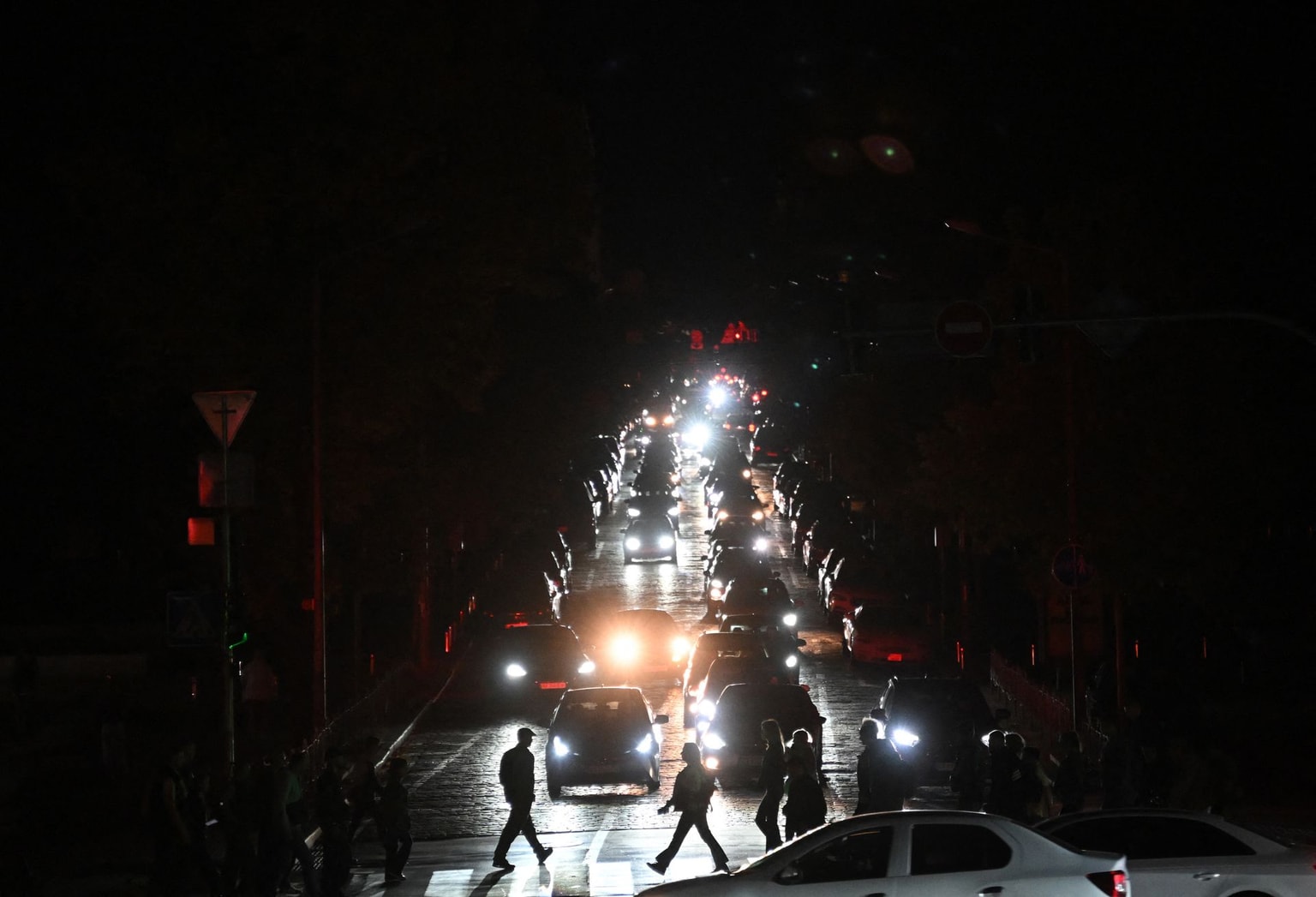
Blackouts, attacks on energy infrastructure, disrupted communications, air raid alerts, relentless information attacks, the struggle to keep businesses, schools, and the media running is not just a scenario we imagine. It's daily life for Ukrainians, and it has been for years now.
Seeing these issues framed as something another country can study and prepare for also made me think about how Ukraine's experience is often discussed abroad.
I'm glad to see less of the usual romanticizing of Ukrainian resilience and strength.
We've adapted to extraordinary circumstances because we had no choice. Admiring that from afar is one thing; learning what actually worked (and what didn't) is far more useful.
"Russia’s war is not a problem limited to Ukraine, and its consequences do not end at Ukraine's borders."
Sweden's 2025–2030 defense plan says that lessons from the war in Ukraine should inform the development of Swedish defense at the operational, tactical, and technical levels.
I heard the same from Ukraine's ambassador to Sweden, Svitlana Zalishchuk, who told us that Swedish defense officials regularly work with Ukrainian counterparts and "constantly learn from Ukrainians."
For me, this also shows how Ukraine's relationship with Europe has changed since 2022. Ukraine still depends heavily on international support, but the exchange is no longer one-way. European countries are also looking at Ukraine and asking what they can learn from its experience.
Swedish strategy directly links Ukraine's ability to resist Russia with Sweden's own safety.
Supporting Ukraine and strengthening Sweden's own preparedness therefore come from the same basic assessment: Russia's war is not a problem limited to Ukraine, and its consequences do not end at Ukraine's borders.
This is where I think the broader conversation about World War III becomes more useful.
No one can know exactly what the next major conflict will look like, or whether Europe will ever call it World War III.
Countries can, however, assess existing threats and decide how seriously to prepare for them.

As I went through Sweden's "If Crisis or War Comes," I stopped at sections on where to shelter during an air raid, how to prepare for water shortages, how to stay safe online, and even how to care for pets during a crisis.
For someone who has never had to think about any of this, a brochure like that could easily feel alarming. But context changes how you read it.
Sweden follows the war in Ukraine closely, and there is a strong awareness of what Ukrainians have been living through for years. We see that interest ourselves at the Kyiv Independent, including among our large community of members in Sweden.
Once you know what prolonged attacks on energy infrastructure can mean, why people need to understand where the nearest shelter is, or what happens when basic services are disrupted, these recommendations start to read like practical instructions that may one day matter, not an attempt to scare people.
That is also why Ukraine needs to remain part of Europe's conversation about preparedness.
Editor's note: The trip to Stockholm was organized as part of the Women Leaders in Media program by the NGO Women in Media, with support from International Media Support (IMS). The opinions expressed in the op-ed section are those of the authors and do not purport to reflect the views of the Kyiv Independent.