The Kyiv Independent Live in London:

Trump faces bipartisan pushback over possible Russia sanctions relief
 on Google
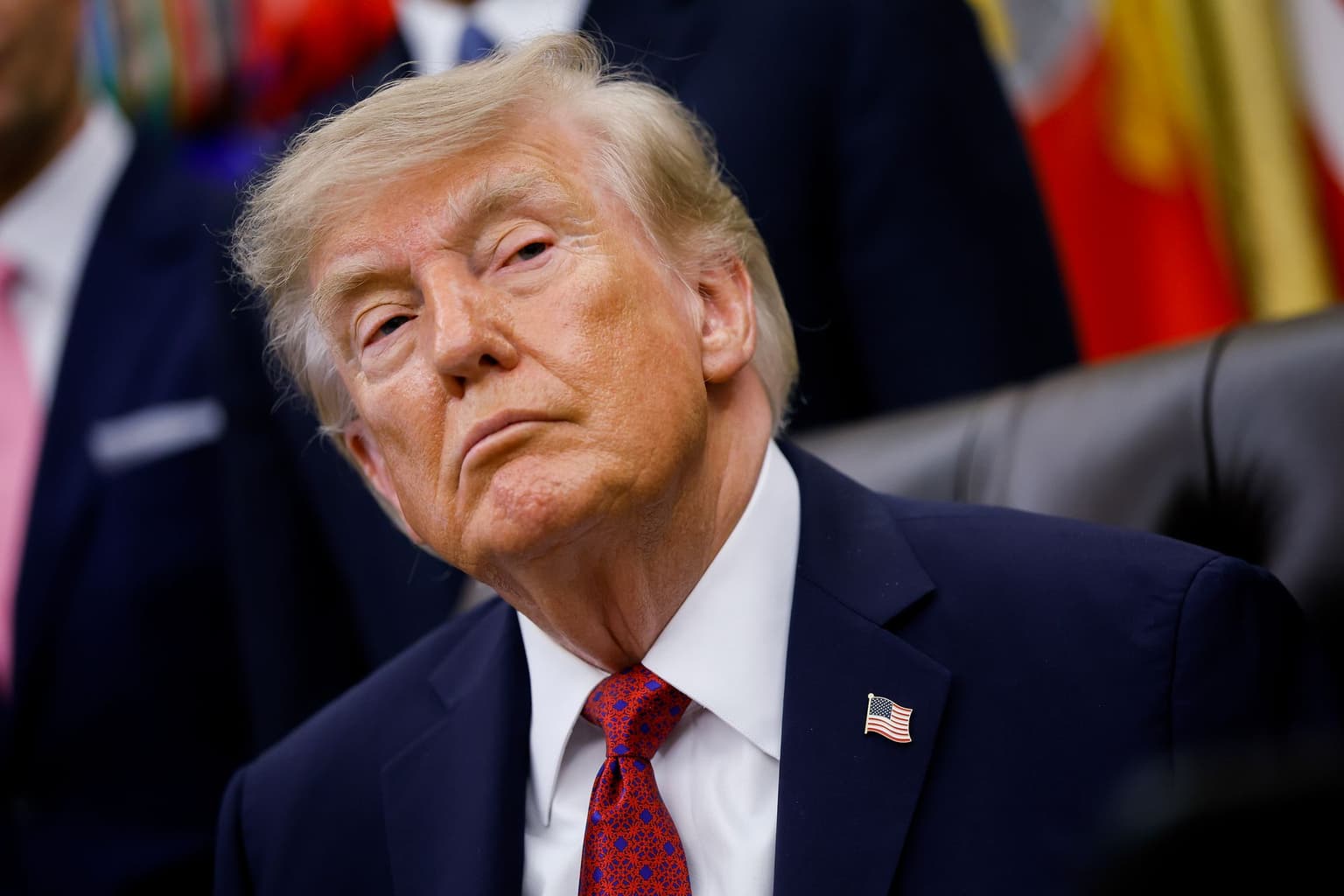
A bipartisan group of U.S. lawmakers urged President Donald Trump on Sept. 29 not to ease sanctions against Russia, amid reports that his administration is considering sanctions relief in exchange for the release of political prisoners.
Democratic Representatives Marcy Kaptur and Mike Quigley, along with Republicans Brian Fitzpatrick and Joe Wilson, called on the administration to maintain pressure on Moscow over its war against Ukraine. The lawmakers' statement comes as Washington considers using sanctions relief as leverage to encourage Russia to take steps toward ending the war.
The proposal, first reported by the Atlantic and confirmed to the Kyiv Independent by people familiar with the matter, would involve pressing Moscow to release political prisoners in exchange for easing sanctions and restoring some economic ties with Russia.
"Sanctions relief will embolden Russia and prolong the war," the lawmakers said.
The representatives also pointed to legislation that Congress recently passed, which significantly expands U.S. sanctions authority against Russia.
"Two weeks ago, Congress passed the most significant Russia sanctions legislation since 2017," they said. "We look forward to the Administration's first round of new sanctions designations ahead of Oct. 18, the first deadline in the Lindsey O. Graham Sanctioning Russia and Iran Act."
The legislation, spearheaded by the late Sen. Lindsey Graham and signed by Trump on Sept. 19, authorizes the president to impose tariffs of up to 100% on the five largest buyers of Russian oil.
The U.S. president said on Sept. 22 that he would use the tariff authorities granted by the legislation if necessary to help end Russia's war against Ukraine.
The debate over sanctions relief comes as Russia's economy faces mounting pressure from long-term Western restrictions. Sanctions relief has become one of Moscow's main objectives, while some U.S. officials see easing sanctions as an incentive for Russia to agree to a ceasefire.
The latest push comes as Washington seeks to revive efforts to end the war. Those efforts stalled earlier this year amid Russia's territorial demands and the U.S.-Iran war.
Moscow has continued its attacks against Ukraine while clearly showing no indication that it is prepared to accept a ceasefire or make concessions in negotiations.