Trump signs sweeping Russia sanctions bill into law
 on Google
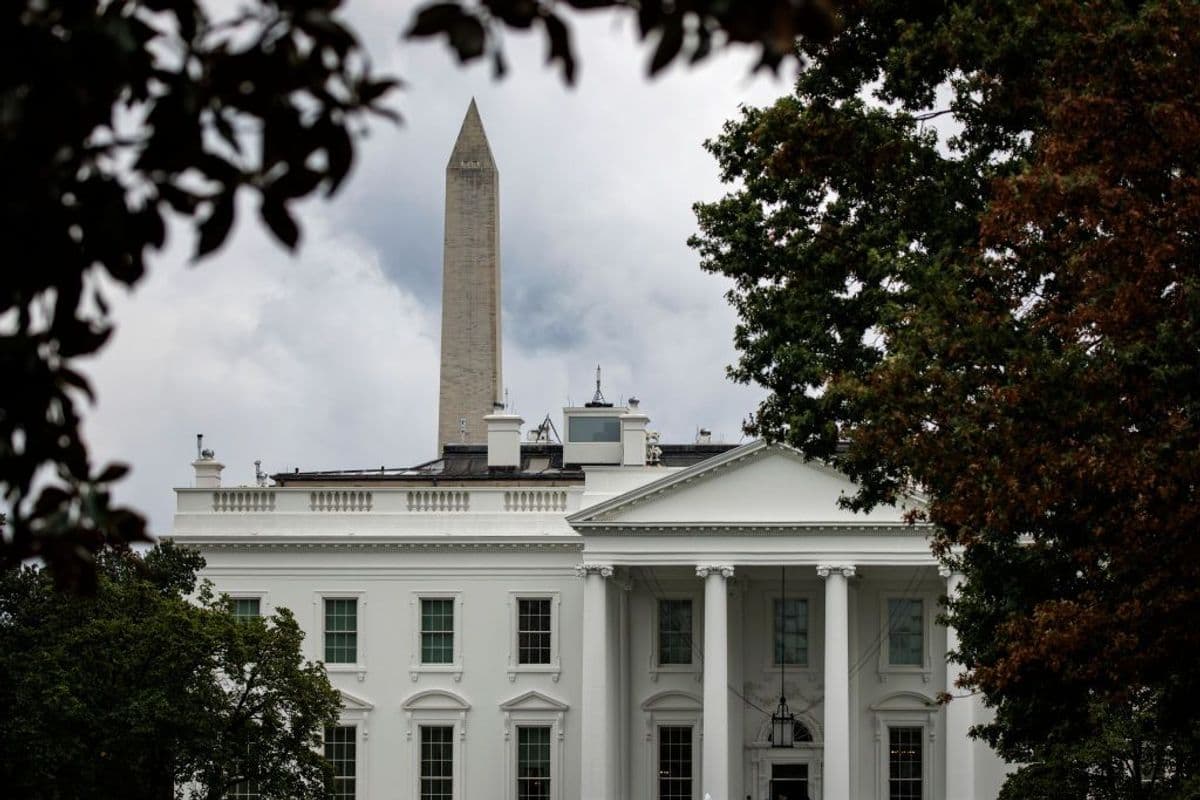
U.S. President Donald Trump signed sweeping legislation targeting Russia with new sanctions and tariff measures on Sept. 18, the White House announced.
The Lindsey O. Graham Sanctioning Russia and Iran Act of 2026 expands sanctions and other restrictions targeting Russia while extending the Iran Sanctions Act for another five years. The Trump administration had formally backed the legislation before its passage.
Among its provisions, the law requires the president to impose tariffs of up to 100% on goods from countries that fall within specified categories, including the largest buyers of Russian crude oil and natural gas and countries identified as major facilitators of Russian oil sanctions evasion. The measures are to be introduced within 30 days, although the legislation also provides the president with waiver authority.
The law also provides for tariffs of up to 500% on goods imported directly from Russia and contains sanctions targeting Russian officials, financial institutions, state-controlled entities, the energy sector, and vessels involved in circumventing existing sanctions.
President Volodymyr Zelensky welcomed Trump's decision, thanking him as well as members of both chambers of Congress who backed the measure.
Zelensky recalled that Graham had repeatedly called for increasing economic pressure on Moscow, including by targeting purchases of Russian oil, financial services provided to Russia, and international business ties with Russian companies linked to the Kremlin and its war against Ukraine.
"The best way to honor Lindsey's memory will be the full and swift implementation of the provisions of this law," Zelensky said.
He added that Graham had believed the United States had sufficient leverage to confront authoritarian governments if it acted decisively. "Peace comes through strength. Calm comes through security. And the best guarantee of security is resolve," Zelensky said.
The House of Representatives passed the legislation on Sept. 16 by 262 votes to 159, sending it to Trump's desk. The measure had already cleared the Senate in August by an 86-11 vote, receiving substantial bipartisan support.
The bill faced opposition from some lawmakers over the broad tariff authority it grants the president. The legislation does not name individual countries, but China and India are among the world's largest purchasers of Russian oil and could be affected by its provisions.
Graham, a Republican senator from South Carolina and a prominent advocate for additional sanctions against Moscow, had pushed the legislation for more than a year. He died on July 11 at the age of 71 from a heart condition, a day after meeting Zelensky during a visit to Kyiv.
The legislation was subsequently renamed in Graham's honor.