South Korea to recall Ukraine envoy amid North Korean POWs dispute
 on Google

Editor's note: This article has been updated to include a comment from Ukraine's Foreign Ministry.
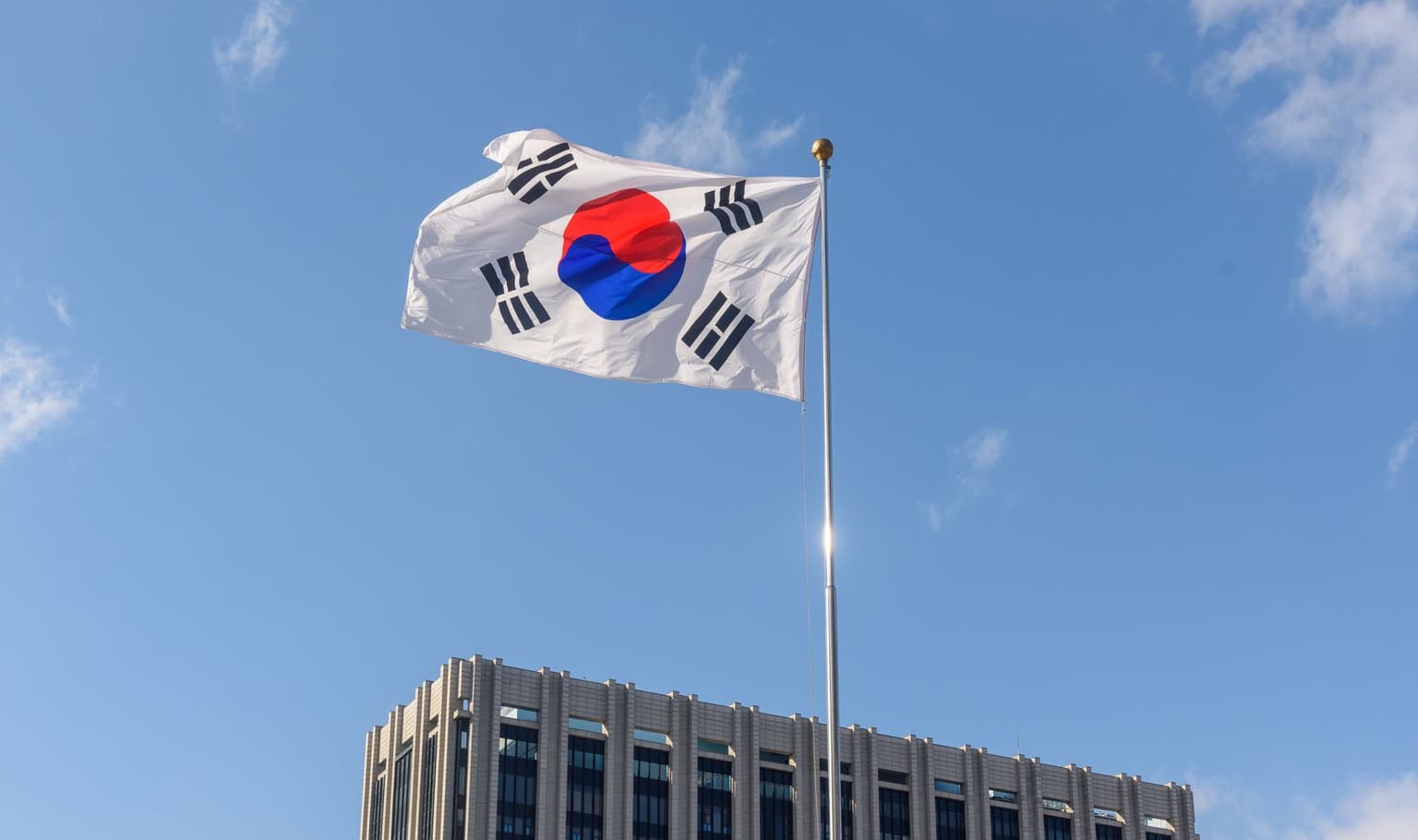
South Korea decided to recall its ambassador from Ukraine, the South Korean Foreign Ministry announced on Oct. 8, amid ongoing deterioration in Kyiv-Seoul relations.
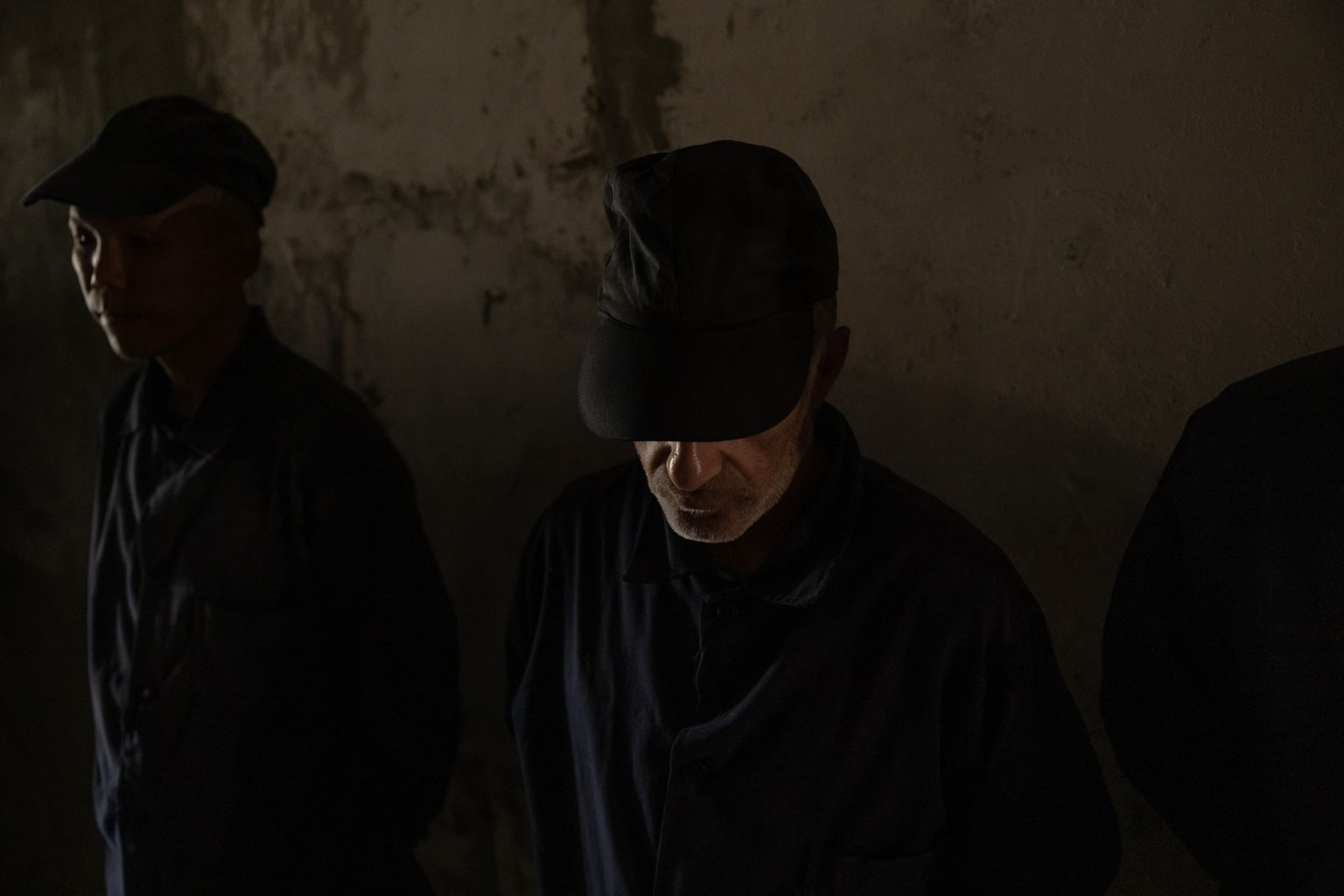
The decision to summon Ambassador Park Hee-chang home comes after Seoul demanded an apology from Kyiv over the disclosure of the transfer of two North Korean prisoners of war (POWs) to South Korea.
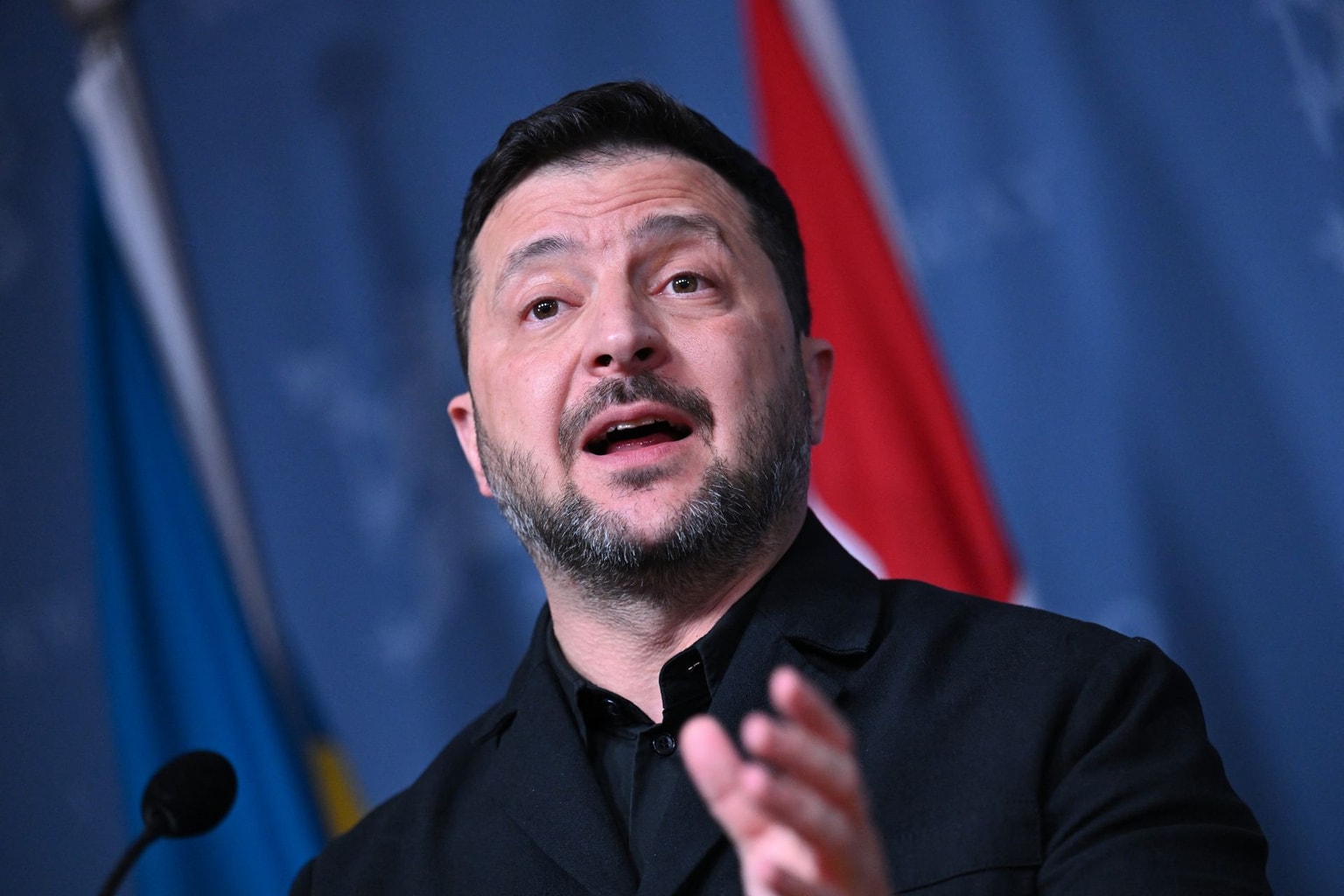
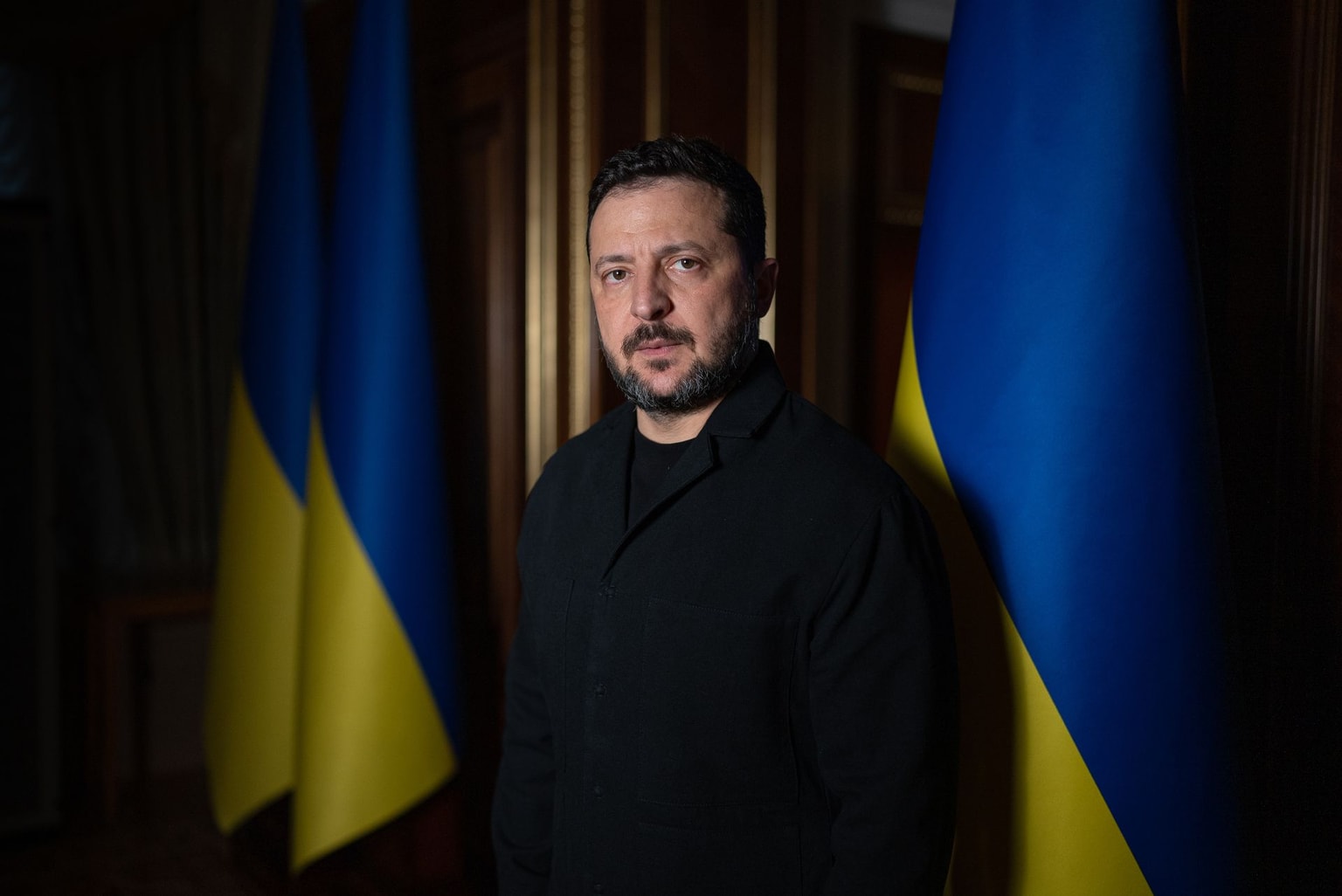
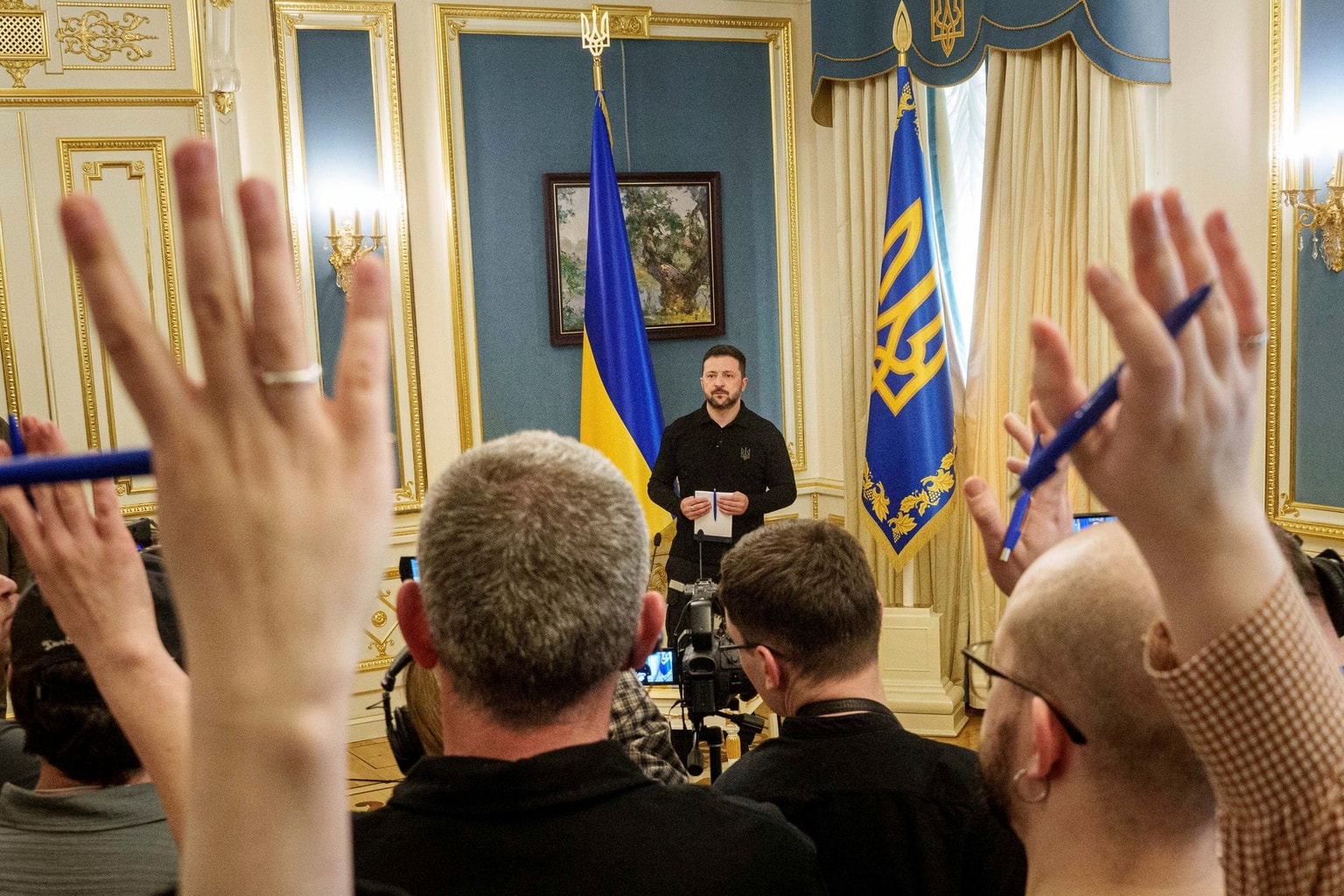
Seoul claims that President Volodymyr Zelensky broke a confidentiality agreement when he announced the transfer during his U.N. speech on Sept. 23.
The dispute escalated further when Zelensky's office claimed that no such agreement existed, prompting South Korean President Lee Jae Myung to threaten retaliatory measures.
"The government looks forward to the smooth resolution of all pending issues between the two countries and will continue consultations with the Ukrainian side to this end," the South Korean Ministry said in a press release.
Ukraine invited South Korea’s ambassador to the Foreign Ministry to “seek constructive solutions” to the ongoing diplomatic issue, Foreign Ministry spokesperson Heorhii Tykhyi told journalists on Oct. 8.
“We are convinced that diplomacy should prevail over emotions. Despite Seoul’s decision to recall the ambassador (in Ukraine), Ukraine remains open to resuming constructive dialogue — even if it takes time.”
His South Korean counterpart, Cho Hyun, claimed on Oct. 6 that he had received an apology from Sybiha but said it was not on "the level we expect, so we intend to take firm measures."
Ukrainian Foreign Ministry spokesperson Heorhii Tykhyi later clarified that Sybiha merely expressed regret over the escalation in the diplomatic dispute.
Kyiv announced in January 2025 that it had captured two North Korean soldiers during battles in Russia's western Kursk Oblast.
The two were among the many thousands dispatched by North Korean dictator Kim Jong Un in 2024 to bolster Russian forces in the border region, making North Korea the only country to send its serving forces to fight on Moscow’s side to date.