Slovak parliament urges government to oppose new Russia sanctions
 on Google
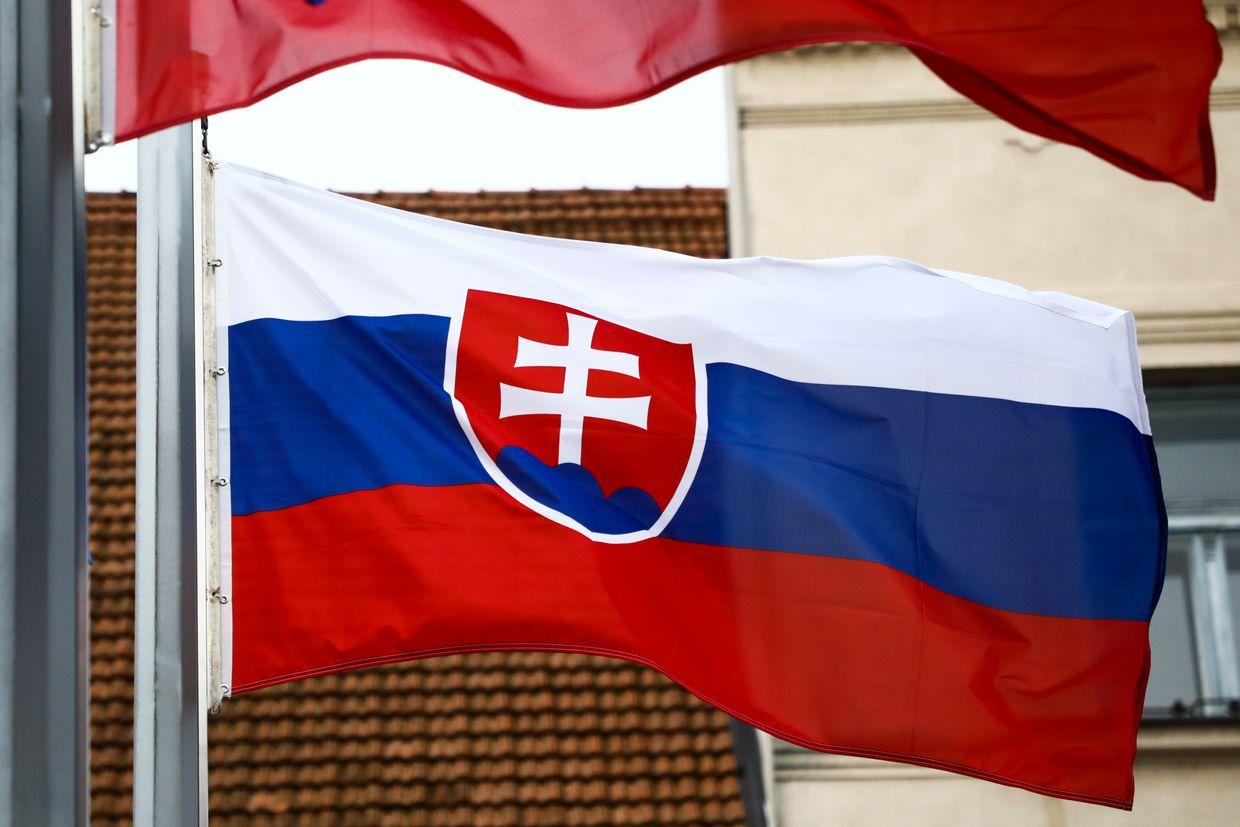
Slovakia’s parliament passed a resolution on June 5 urging the government to oppose any new international sanctions or trade restrictions against Russia, citing alleged negative economic impacts, Slovak news outlet Noviny reported.
The non-binding resolution argues that the sanctions imposed in response to Russia’s full-scale invasion of Ukraine have driven up energy prices, disrupted supply chains, and harmed Slovak industry.
The resolution calls on government ministers to “defend national economic interests” in international forums and resist further punitive measures targeting Moscow.
The motion was introduced by the far-right Slovak National Party (SNS) and passed with the support of 51 of the 76 lawmakers present.
All SNS deputies backed the measure, along with most members of Prime Minister Robert Fico's left-wing Smer-SD party, several from the coalition partner Hlas-SD, and some independents.
Only one Hlas-SD lawmaker, Jan Ferencak, voted against the resolution; 23 others from the same party abstained. Opposition lawmakers boycotted the vote entirely.
While Fico's Smer party has drawn criticism for its increasingly pro-Russian rhetoric, the SNS promotes a "pan-Slavic brotherhood" narrative that aligns closely with Kremlin talking points.
The resolution does not carry legal force but sends a political signal that could complicate Brussels' efforts to maintain consensus on sanctions.
EU foreign policy decisions, including sanctions, require unanimous approval by all member states. A Slovak veto could force concessions or delay enforcement in future rounds.
Since taking office in 2023, Fico has reversed Slovakia's previous pro-Ukraine policy, ending military aid to Kyiv and questioning the value of EU sanctions on Russia.
The EU's sanctions regime currently targets over 2,400 Russian individuals and entities involved in the war, as well as key sectors of the Russian economy, including energy, finance, defense, and technology.