Ukraine, Russia, US resume trilateral peace talks in Abu Dhabi after 9-month pause
 on Google


Editor's note: The story is being updated.
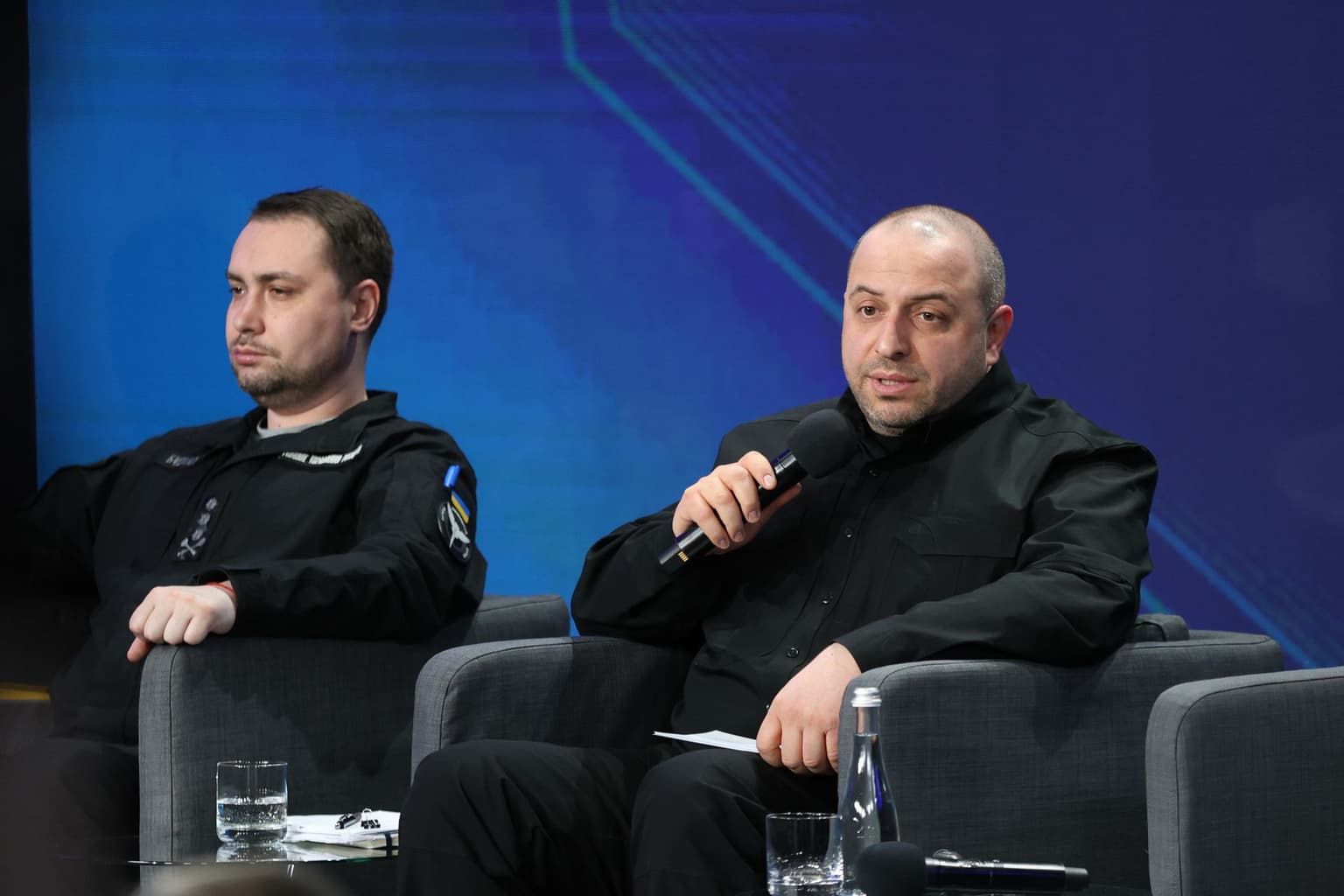
Ukrainian, Russian, and U.S. delegations began trilateral peace negotiations in Abu Dhabi on Nov. 10 after a nine-month pause, Ukraine's Foreign Intelligence chief Rustem Umerov said.
"The agenda includes key questions related to ending hostilities and moving closer to peace," Umerov wrote on social media.
The talks are the first trilateral meeting since February, when negotiations in Geneva failed to produce a breakthrough. The new round comes as winter nears, with Moscow renewing attacks against Ukraine's energy grid.
Kyiv hopes to use the technical-level talks to discuss prisoner exchanges and a possible maritime and energy ceasefire, while laying the groundwork for a future summit at the leaders' level.
Meanwhile, Washington's envoys said the Abu Dhabi meetings could pave the way for discussions about "broader security arrangements" in Europe and "postwar security concerns" of both Kyiv and Moscow.
Ukraine's delegation is led by Kyiv's top negotiator and foreign intelligence chief, Rustem Umerov.
Other delegates include President Volodymyr Zelensky's chief of staff, Kyrylo Budanov; Serhii Kyslytsia, first deputy head of the President's Office; David Arakhamia, parliamentary leader of Zelensky's political party; and Vadym Skibitsky, deputy chief of Ukraine's military intelligence agency.
Arakhamia previously said he does not expect a breakthrough in the first round of talks but is more hopeful about the second.
"There has been a long pause in the negotiations. So, in terms of the domestic situation, simply resuming the talks is already an achievement," he told Deutsche Welle.
According to Budanov, the talks will focus on humanitarian issues, including stepping up prisoner-of-war exchanges between Kyiv and Moscow.
The U.S.-brokered talks will be attended by envoys Steve Witkoff and Jared Kushner, both of whom have traveled to both Kyiv and Moscow since the last peace negotiations.
The Kremlin's delegation is led by presidential aide Vladimir Medinsky, who has taken part in previous talks with Ukraine in 2022 and in 2025. Russia has also dispatched its deputy foreign ministers, Sergei Ryabkov and Mikhail Galuzin, as well as military intelligence chief Igor Kostyukov and senior General Staff officer Yury Zhigarlovsky.
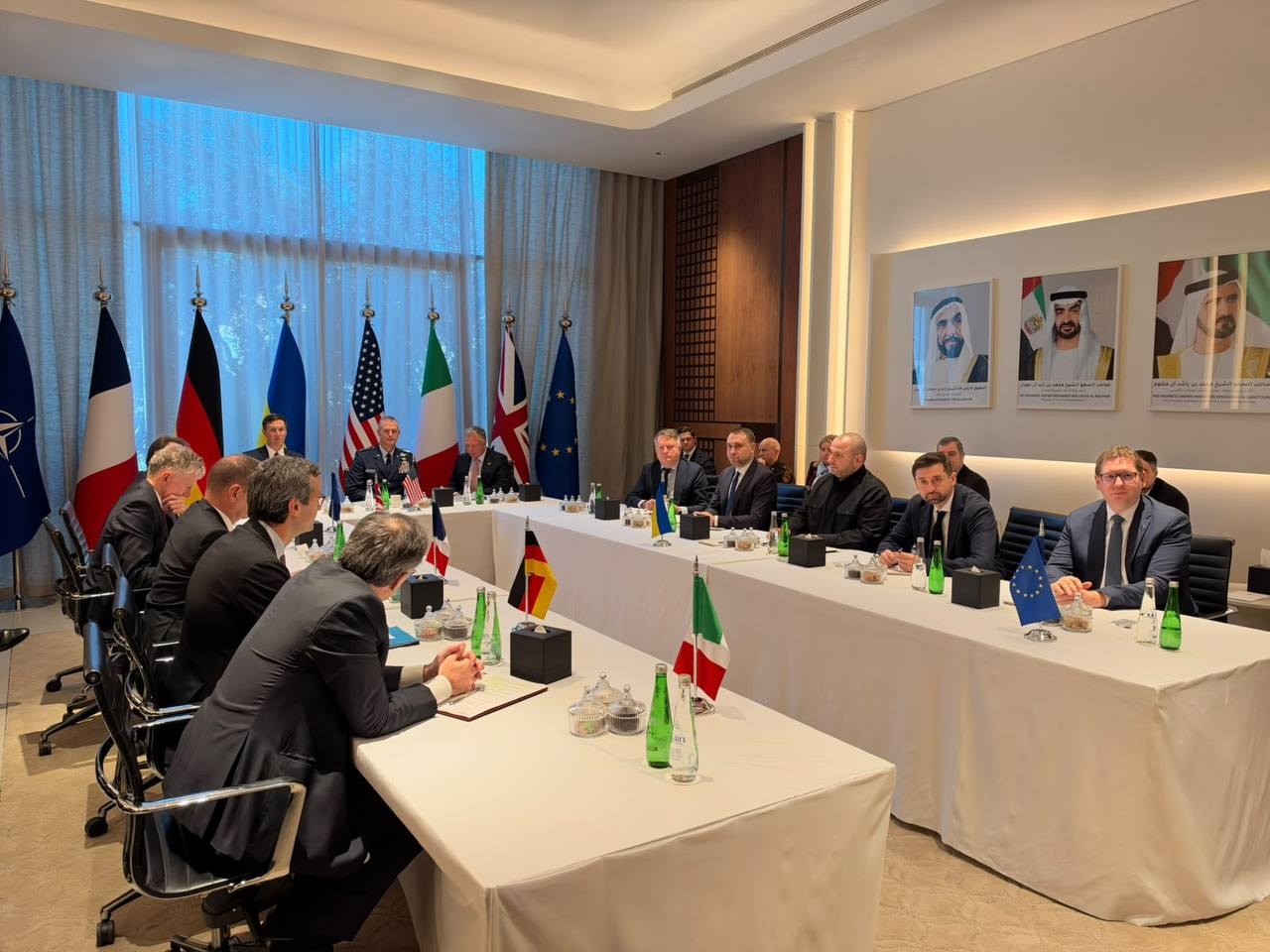
European representatives — including national security advisors from France, Germany, the U.K., and Italy, as well as NATO and EU officials — are also expected to join the Abu Dhabi discussions to coordinate with Ukrainian and U.S. officials on the ground, separately from the trilateral format.
Ukraine has supported the idea of European involvement in peace negotiations. President Volodymyr Zelensky said on Nov. 6 that "issues concerning Europe's security must be discussed with the participation of European nations, all of which equally deserve guaranteed security."
Washington-led peace efforts have been effectively in a deadlock since earlier this year, as the issue of territory remains a key sticking point. Moscow's demands have focused on Ukraine's withdrawal from Donbas, a partially occupied and strategically important region in eastern Ukraine.

The Kremlin has also demanded a ban on Ukraine's NATO membership, limits on its military, and the lifting of restrictions on the official use of the Russian language and on the Moscow-linked Ukrainian Orthodox Church.
Kyiv has rejected withdrawing from the territory it currently holds, formally recognizing Russian occupation, and restrictions on its armed forces, arguing that any settlement must prevent Russia from launching another invasion.
Instead, Ukraine has called for an unconditional ceasefire as the first step toward broader peace talks, a proposal that the Kremlin repeatedly dismissed.
Zelensky also stressed the need for postwar security guarantees, including continued Western support for Ukraine's military, the deployment of a European-led reassurance force in Ukraine, and other guarantees modeled on NATO's Article 5.
According to the president, Russia is also raising the issue of its own "security guarantees," likely meaning demands for a rollback of NATO's military presence in Eastern and Central Europe.
U.S. President Donald Trump has repeatedly said that he believes a settlement is within reach, while increasing pressure on Kyiv to reach an agreement with Moscow.
In an interview with CBS's "60 Minutes" broadcast on Nov. 8, Trump said he believed the war would end soon, adding that Ukraine could emerge from a settlement in a "different shape."
"I think we're gonna have it done, and I think it's gonna happen, and they're gonna end up with a little bit different shape Ukraine," Trump said.
Trump said on Nov. 5 that he had met privately with Russian envoy Kirill Dmitriev and announced what he described as a "big agreement" involving Ukraine, Russia, and Europe, although no details were released.