Estonia installed first stationary systems for detecting drones on Russian border
 on Google

The Estonian Police and Border Guard Board has installed its first stationary anti-drone detection and surveillance devices along the country's border with Russia, Estonian outlet ERR reported on May 30.
The first anti-drone devices were deployed along three sections of the border in southeastern Estonia, between the Estonia-Latvia-Russia tripoint and Luhamaa, a border crossing point between Estonia and Russia, ERR said, citing a press release from the Estonian Ministry of the Interior.
According to the report, the entire eastern border will be covered with such devices by the end of the year.
"The first devices are in place and operational. Of course, this is just the beginning: we are moving toward a drone network covering all of Estonia, but this step shows that the preparatory work has borne fruit," the country's interior minister Igor Taro said.
Taro added that recent drone incidents demonstrate that Tallinn assessed the risks "very realistically" and made decisions accordingly, as Estonian surveillance capabilities are improving "day by day."
The Estonian Police and Border Guard Board said in a Facebook post that "modern infrastructure and flexible surveillance ensure that Estonia's eastern border is well protected both today and in the future."
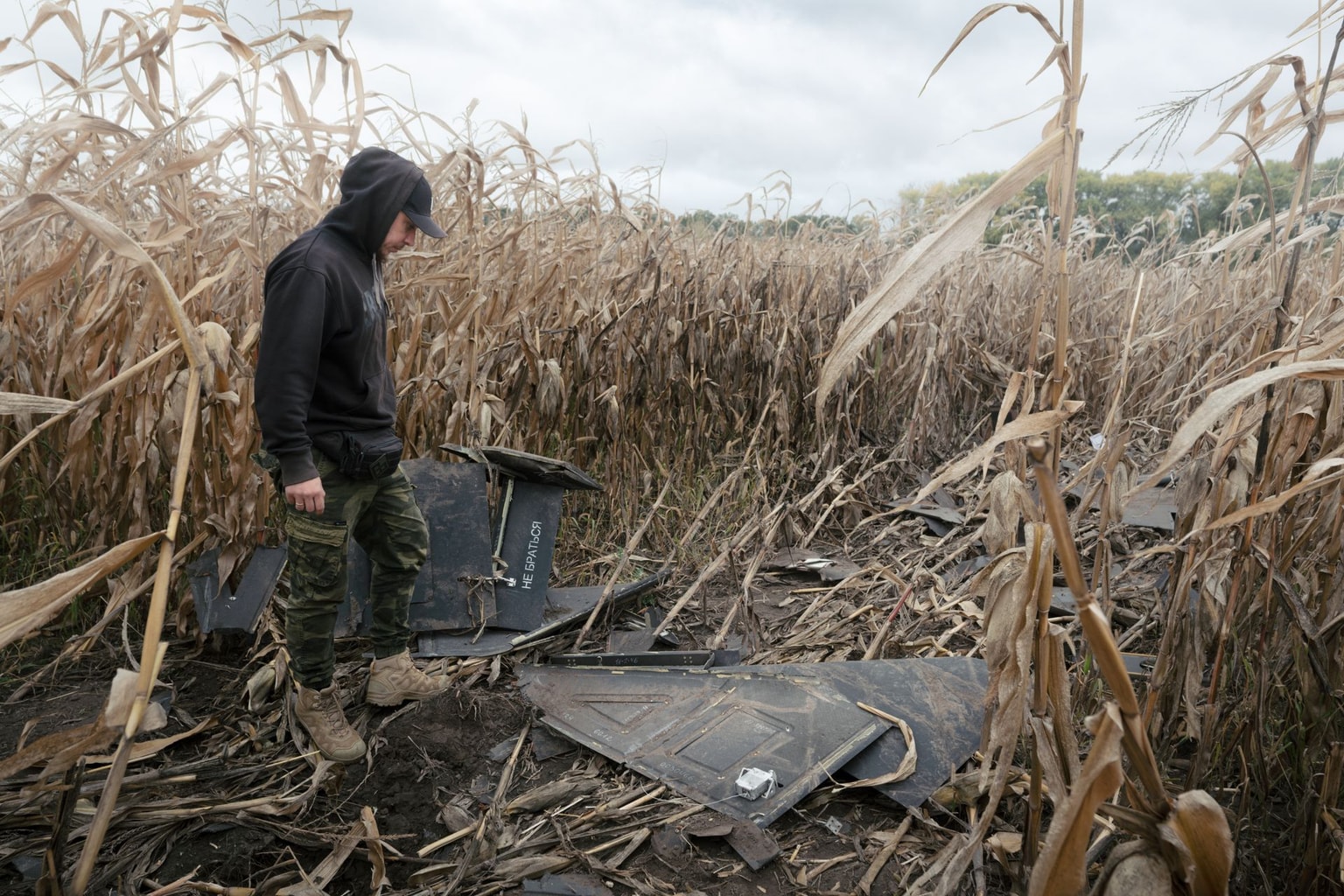
The measures were taken after a NATO fighter jet shot down a suspected Ukrainian drone over Estonian territory on May 19 for the first time.
Similar incidents were recorded several times again in the following days, fueling growing concerns in the region.
Tensions in the region have been escalating in recent weeks amid Moscow's escalating threats against the Baltic countries over drone-related incidents.
Russian authorities accused the Baltic countries of aiding Ukrainian drone strikes against energy facilities in northwestern Russia, a claim dismissed by European governments as disinformation.
Moscow has also repeatedly threatened — and in Ukraine's case, invaded — its neighbors under the guise of "protection" of Russians and Russian-speakers abroad.
Analysts say Russia has long been employing propaganda to target Russian speakers in the Baltics — some of whom have little knowledge of local languages — to sway public opinion and sow division.
Russia's all-out war in Ukraine accelerated the Baltic governments' efforts to integrate these communities and curb Moscow's influence by phasing out the Russian language in education, tightening immigration rules, and targeting Russian-linked organizations.