Why Putin's latest Oreshnik comments are... questionable
 on Google



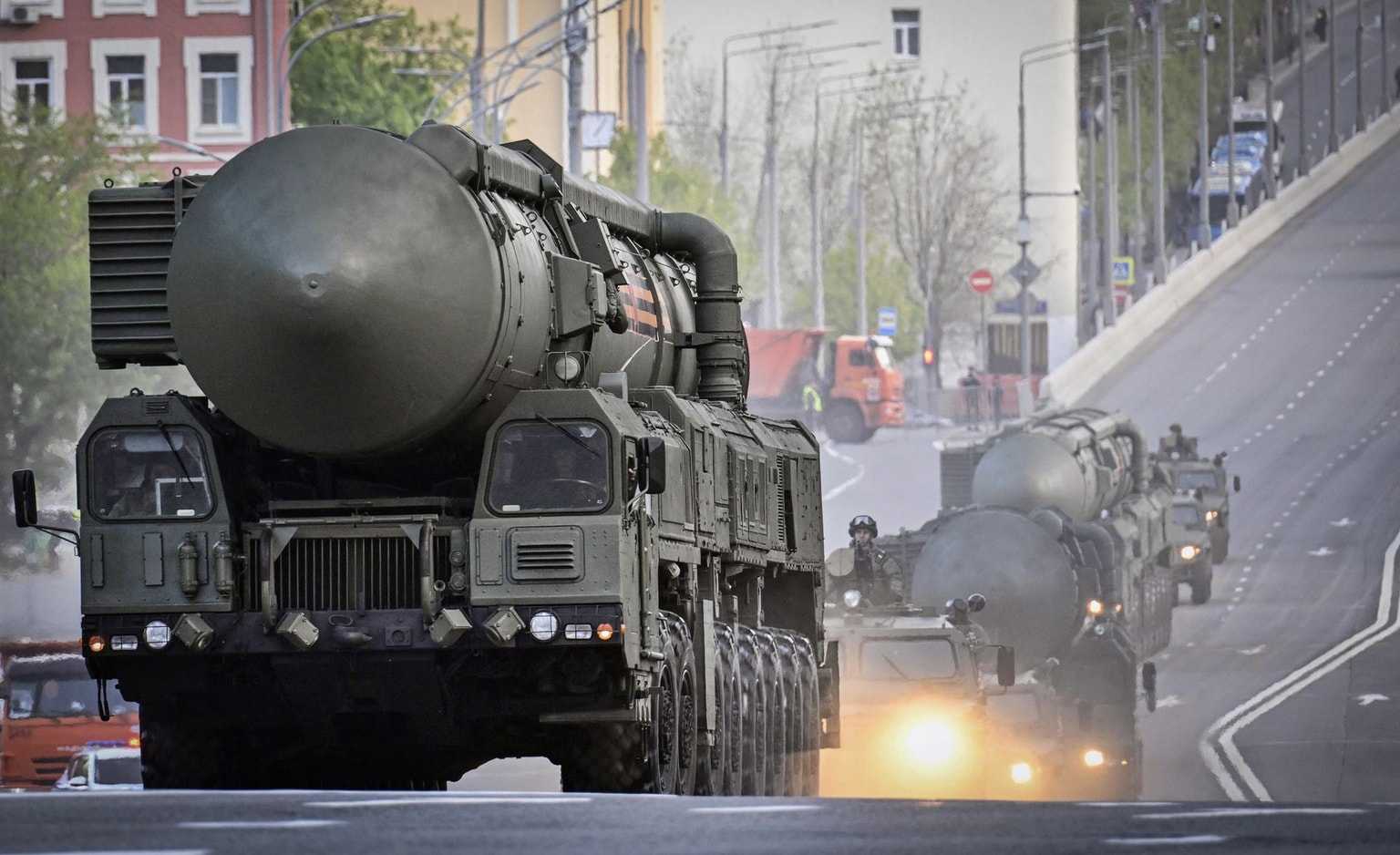
Russia launched the medium-range Oreshnik ballistic missile at Ukraine's Kyiv Oblast on May 24 to "observe the results for future launches," Russian President Vladimir Putin said June 4.
"I'll reveal a major military state secret. We simply struck where it was convenient to observe the results," Putin said at the St. Petersburg International Economic Forum.
"We haven't had a single combat use of the Oreshnik missile in the true sense of the word on Ukrainian territory," he added.
The nuclear-capable Oreshnik can carry up to 36 sub-munitions across six multiple independently targetable reentry vehicles (MIRVs) and reach speeds of around Mach 10–11, a factor that may help explain the limited damage seen in its strikes on Ukraine.
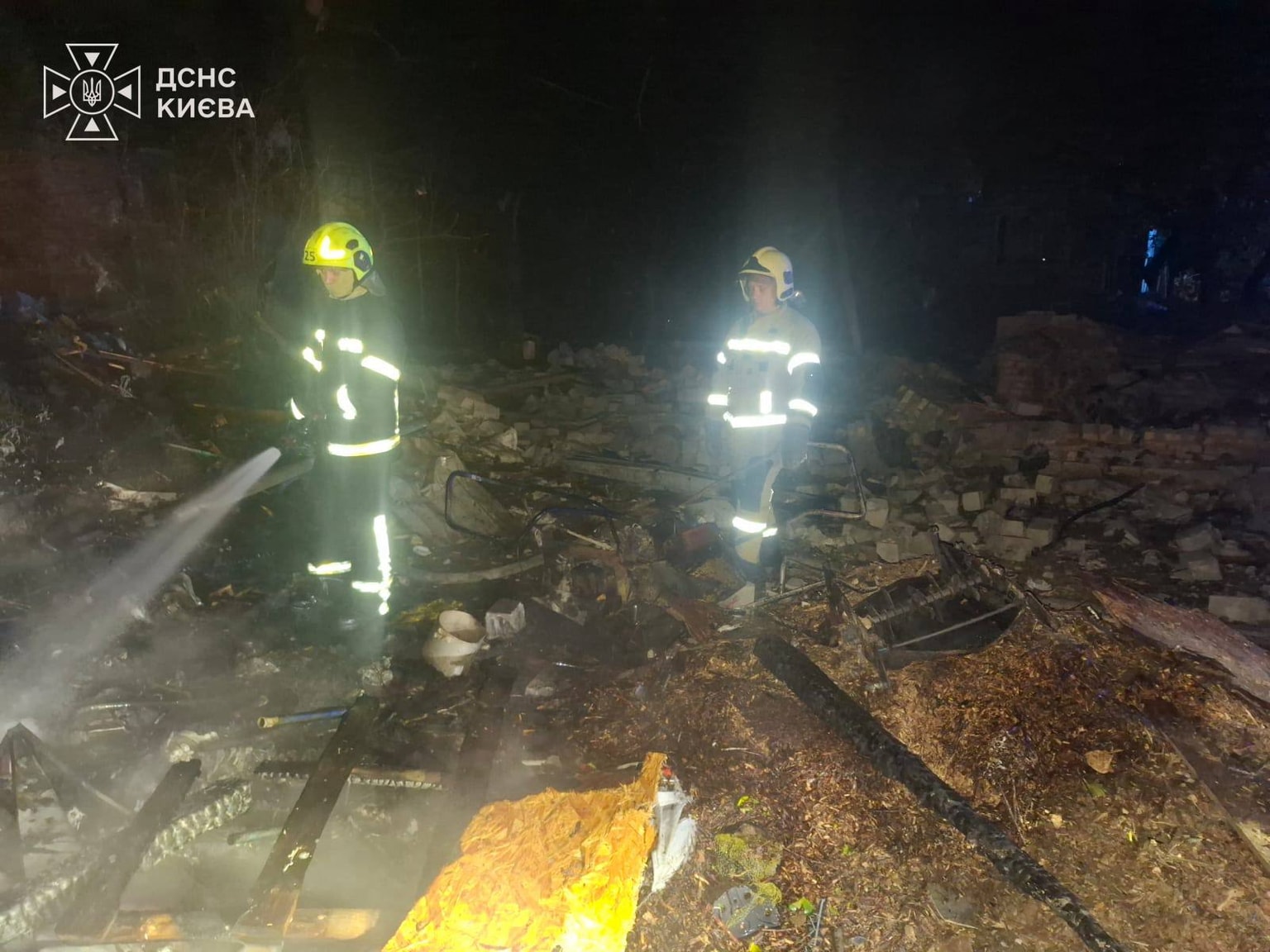
Russia has deployed the Oreshnik missile against Ukraine on three known occasions. The first deployment took place in November 2024, when it struck the central-eastern city of Dnipro. A second launch followed in early January, targeting Lviv Oblast. During the third strike at the end of May, the missile hit the city of Bila Tserkva.
On all three occasions it has been used against Ukraine, the Oreshnik missile was fitted with inert payloads — essentially metal blocks designed to cause damage through kinetic impact alone, although the effects observed in each strike have been limited.
"Our drones flew in, into the barn they hit (on May 24), and simply observed how the expanding blocks were placed. They calculated everything down to the millimeter," Putin claimed.
"It was important for making a decision on the future on the full-format use of the Oreshnik on designated targets, including those in populated areas," he added.
Despite Putin's claims, experts questioned the real effectiveness of one of Russia's latest missile systems, saying it would only cause significant damage if fitted with a nuclear warhead or a yet-to-be-developed conventional payload that Russia currently lacks the capability to produce.
Due to their extreme destructive power and large blast radius, nuclear warheads delivered by missiles can detonate at altitudes of around 300 meters to three kilometers. A ground impact at IRBM speeds would cause the warhead to disintegrate before detonation, while conventional warheads cannot be detonated at altitude due to their smaller blast radius.
"So you'd need to detonate it a couple of meters above the ground and at these velocities you would have to time that detonation down to milli-milli-seconds — and that's just not something the Russians can do," Fabian Hoffmann, a Doctoral Research Fellow at the University of Oslo who researches missile technology, nuclear strategy, and defense policy, told the Kyiv Independent.
"Militarily, I continue to see its utility as very limited. Low accuracy and low kinetic energy even though it's fast means very low lethality against individual targets," he added.
According to the analyst, the Oreshnik missile, presented by Russian propaganda as a weapon of intimidation, is also losing its deterrent value with each launch.
"I think the signaling value has also decreased significantly, and Russia knows it. The first time was a big deal, the second time less so, now it's almost routine," Hoffman said