Russia arming missile warheads with depleted uranium, Ukraine's SBU says
 on Google
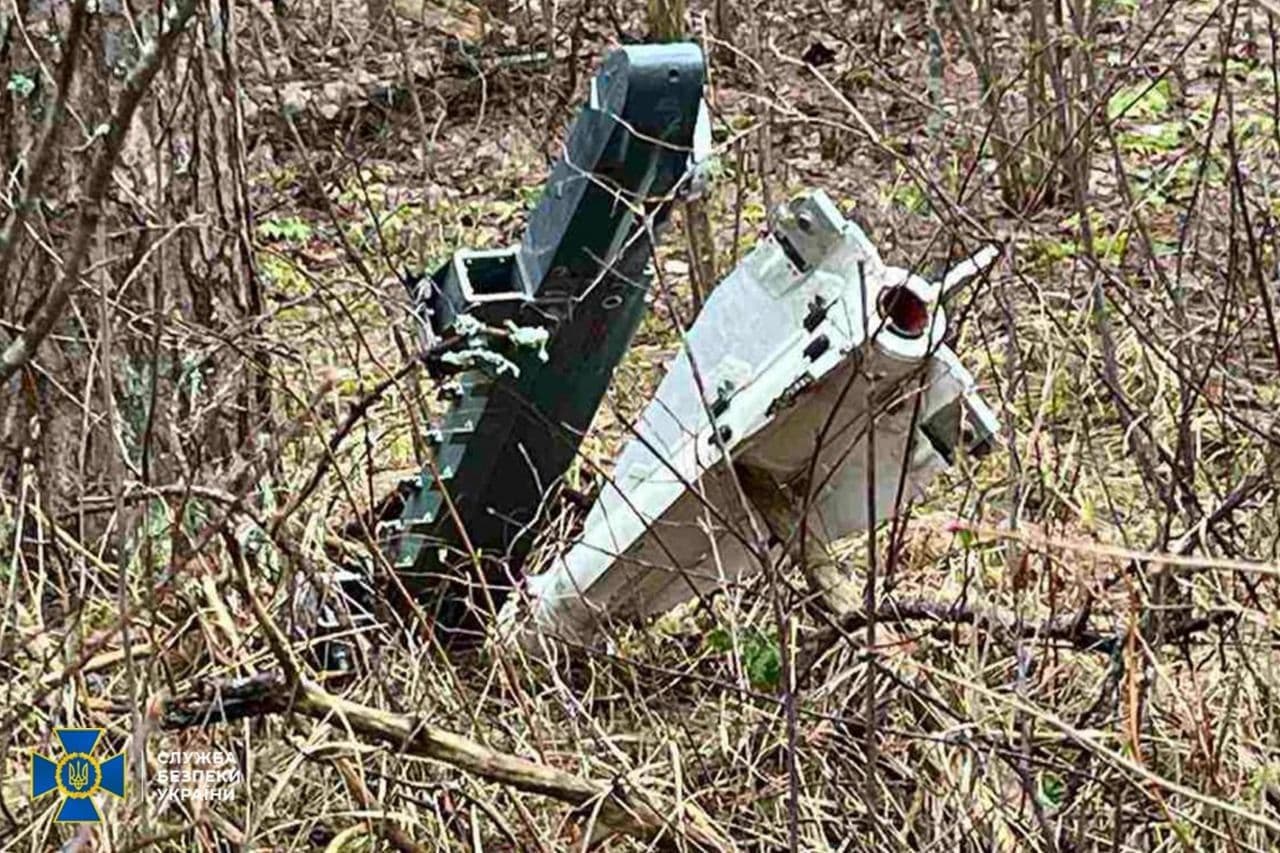
Russian missiles armed with depleted uranium warheads were discovered after an attack on Ukraine's Chernihiv Oblast last month, Ukraine's Security Service (SBU) said on May 20.
Elevated levels of radiation were detected from an unexploded R-60 air-to-air missile, which was equipped on a modified Geran-2 drone and used by Russian forces to target Ukrainian helicopters and aircraft conducting air defense missions.
The SBU said the source of the radiation was depleted uranium projectiles, specifically Uranium-235 and Uranium-238.
Depleted uranium is a by-product of uranium enrichment. It is roughly two and a half times denser than steel, which makes it particularly effective for piercing heavy armor on the battlefield.
The SBU, alongside the units of the State Emergency Service and the Ukrainian Armed Forces, secured the missile's warhead and transported it to a radioactive waste storage facility.
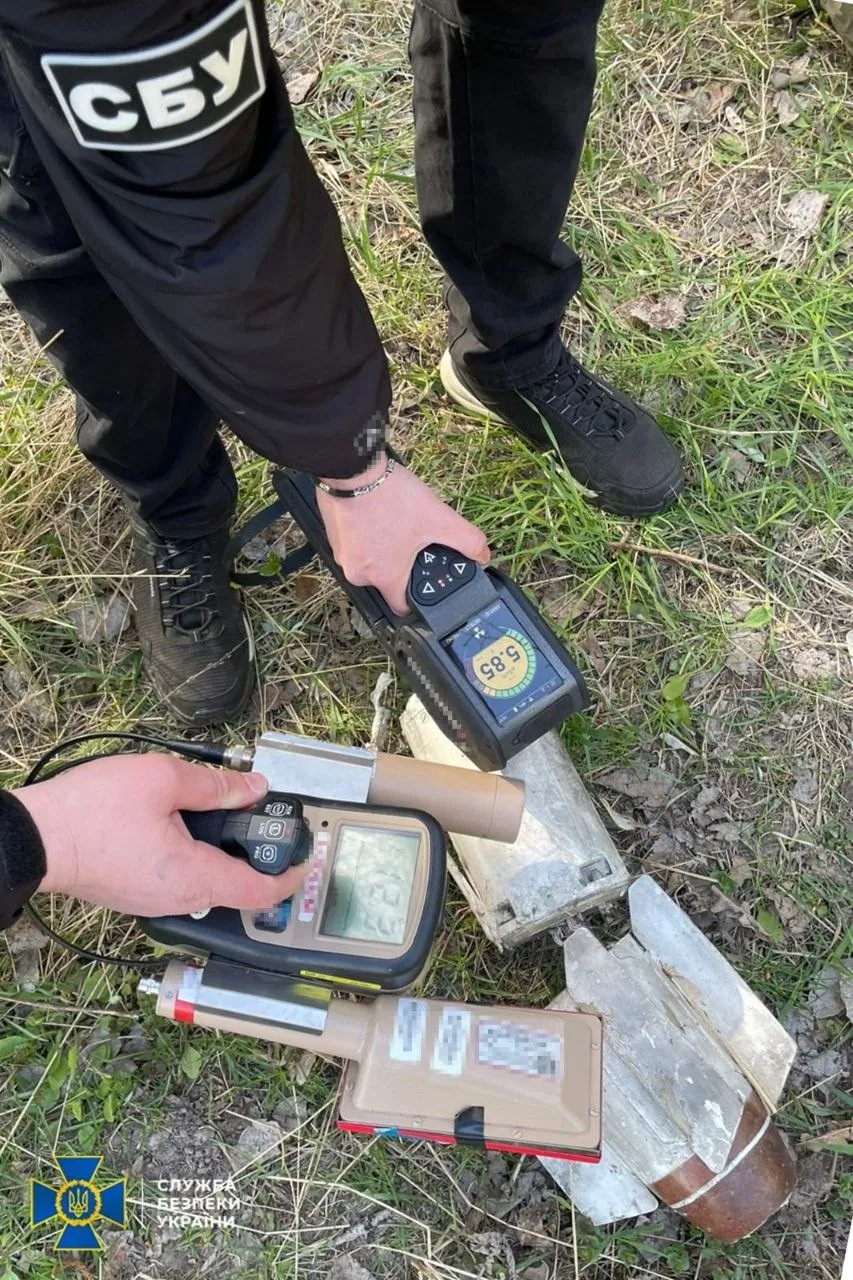
A gamma radiation level of 12 micro-Sieverts per hour was recorded, which significantly exceeds the natural radiation background and poses a threat to human health.
The SBU further warned Ukrainian citizens to be extremely cautious if they come across debris from drones, missiles, or other munitions, given the toxicity and radioactivity of depleted uranium.
"Damaged or burnt munitions pose the greatest danger, as they can release radioactive dust that is hazardous to people and the environment," the SBU said.
Investigators from the SBU are conducting a pre-trial investigation under Article 438 of the Criminal Code of Ukraine regarding war crimes, with procedural supervision from the Chernihiv Regional Prosecutor's Office.