Czechia adds to EU-wide uncertainty for Ukrainian refugees
 on Google
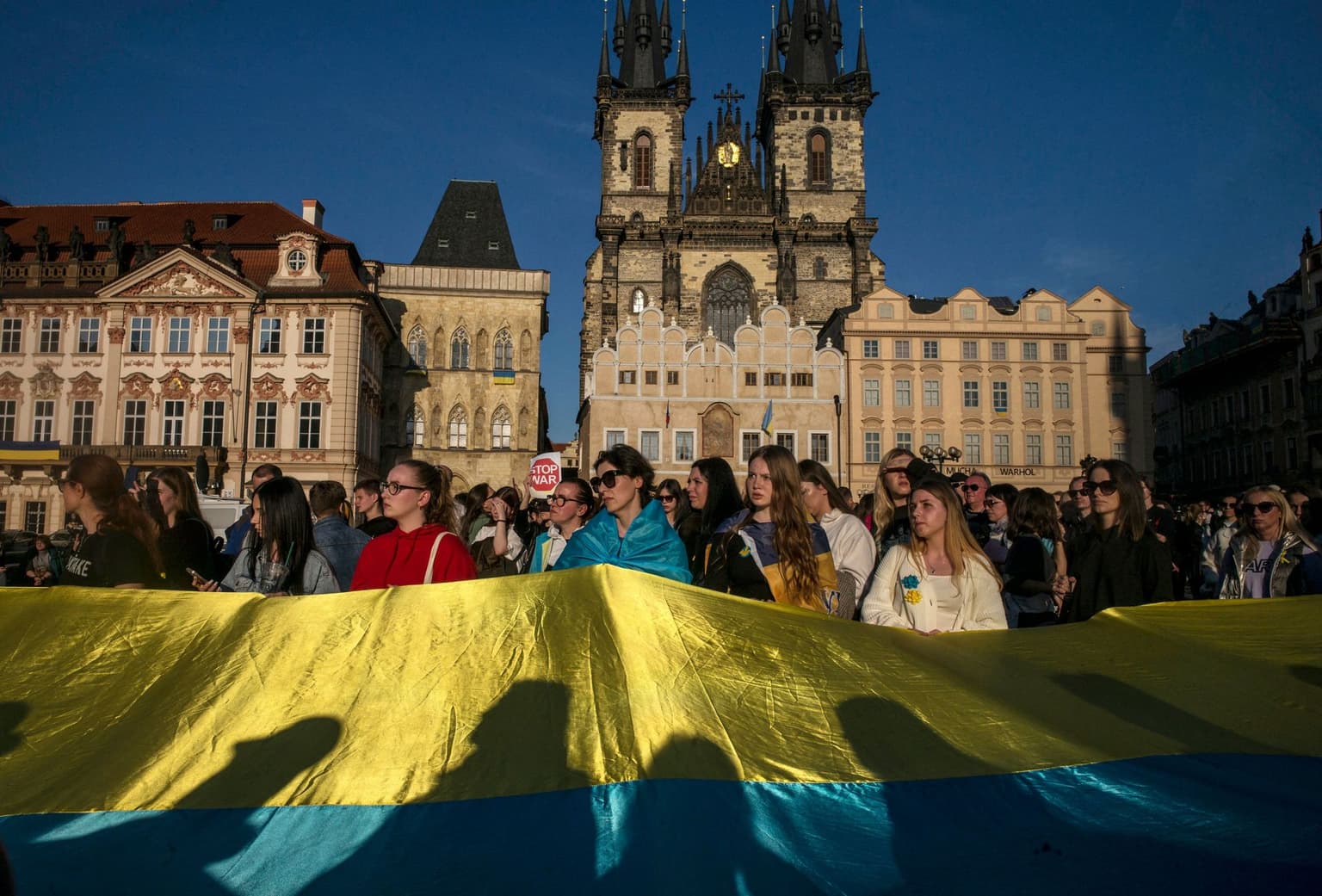
The Czech Interior Ministry proposed a set of legal changes on May 18 that could restrict the temporary protection benefits that have been in place for Ukrainian refugees since Russia launched its full-scale invasion in February 2022.
Prague is not alone in considering changes to the rights and benefits available to Ukrainian refugees, but with Czechia hosting the third-largest community — about 380,000 according to Eurostat — any changes it makes have the potential to affect a large number of Ukrainians.
Among the changes proposed in the draft law are requirements that those under protection do not leave the Schengen area for more than 30 days; that those receiving benefits must have signed up for a work permit and be economically active; and that Ukrainian cars must be registered with the Czech authorities.
The Council of Europe's Human Rights Commissioner, Michael O'Flaherty, said on May 12 that he fears that changes to temporary protection could mean "people may be left behind because they do not meet the strict criteria linked to work, resources, or studies."
O'Flaherty noted that changes to temporary protection are happening across Europe, and the two EU countries hosting the most Ukrainians — Germany and Poland — are also assessing reductions to the support they offer.
The EU is set to discuss in the first week of June if and how to shift the protections offered to Ukrainians onto a longer-term footing.
Since 2022, the protections offered to Ukrainians have been granted via the Temporary Protection Directive, which has to be renewed yearly and is currently set to expire in March 2027.
If it proves difficult to agree on how protections should be structured long-term, the protections could be renewed a sixth time, but that, too, comes with a cost.
"Long-term solutions are also needed to allow Ukrainians to plan their futures. Millions live in uncertainty, which exacerbates trauma," said O'Flaherty from the Council of Europe.