Media: Prigozhin in Moscow since July 1
 on Google


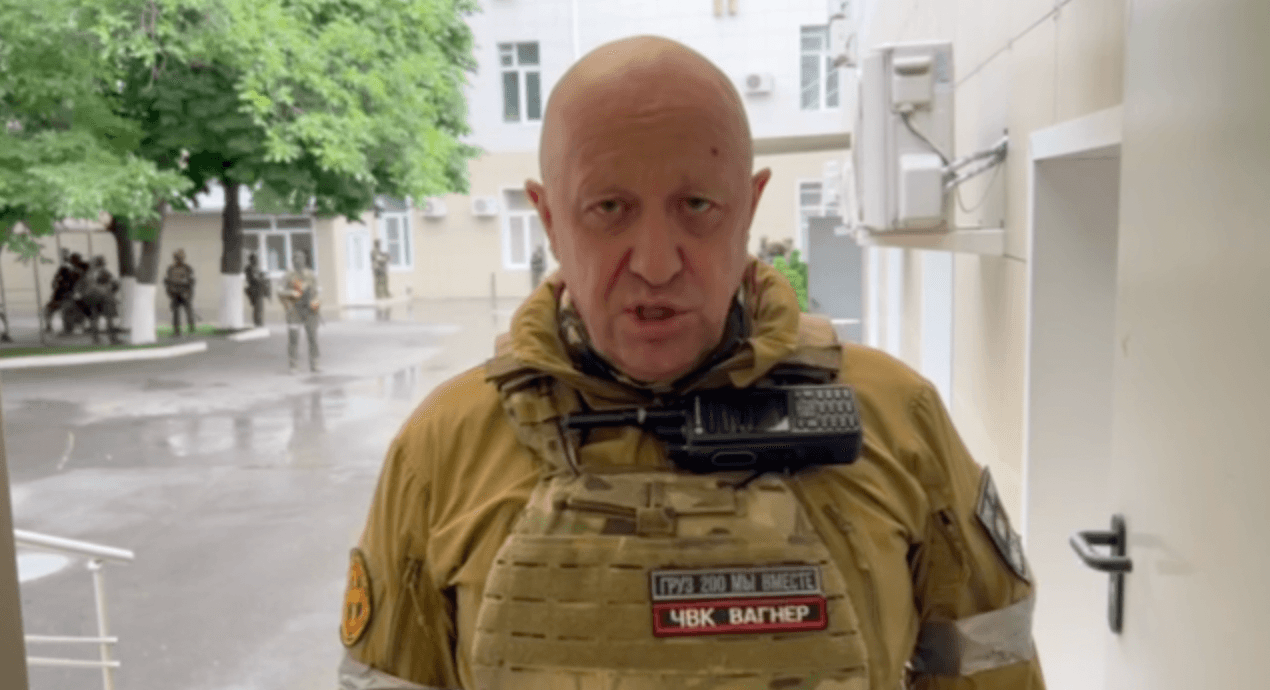
Wagner Group leader Yevgeny Prigozhin, whose whereabouts have been unclear after his failed rebellion, is allegedly in Moscow since at least July 1, according to the French media outlet Liberation, citing its sources in Western intelligence.
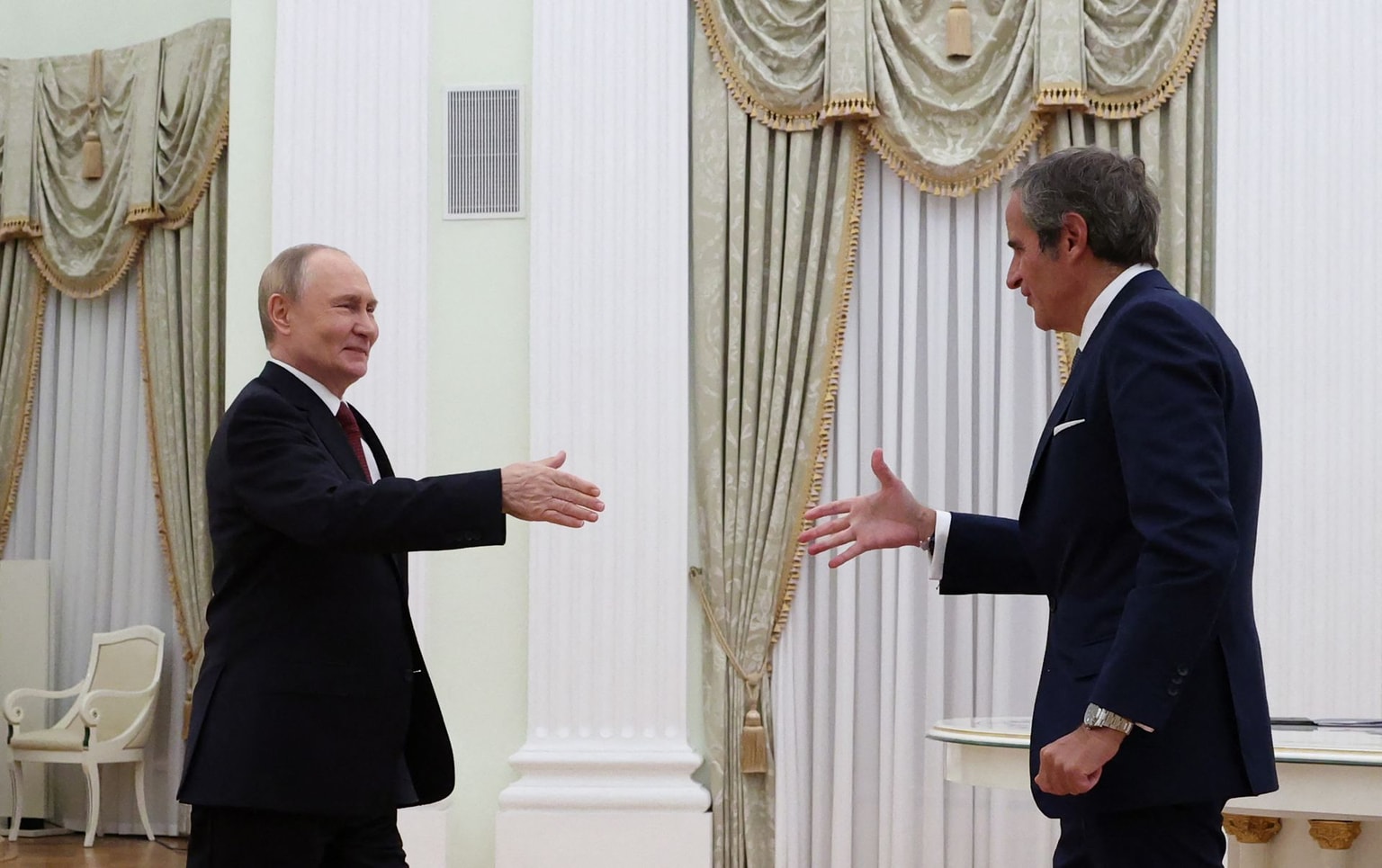
Prigozhin reportedly has spent the time negotiating Wagner's fate with Russian dictator Vladimir Putin as well as meeting with National Guard head Viktor Zolotov and the Foreign Intelligence Service boss Sergey Naryshkin.
On July 6, Belarusian dictator Alexander Lukashenko claimed that Prigozhin had returned to Russia, adding that his offer to Wagner mercenaries to move to Belarus still stood.
Prigozhin launched a "march for justice" against Russian military leaders on June 23 after the Russian army allegedly targeted Wagner troops in Ukraine. His mercenaries occupied Rostov and marched 200 kilometers to Moscow, only to abruptly end the rebellion less than 24 hours after its start.
As a result of an undisclosed agreement allegedly mediated by Lukashenko, Prigozhin and his contractors were allowed to leave for Belarus to avoid persecution.
On June 27, the Belarusian dictator said that the mercenary boss had arrived in the country shortly after reports that Prigozhin's business jet landed at the Machulishchy military airfield near Minsk.
Already the same day, however, the independent monitoring group Belaruski Hajun said that the oligarch's plane left back to Russia, though it was unclear whether Prigozhin was on board.
The Institute for the Study of War wrote in its July 8 update that the status of the deal between Putin and Prigozhin was still unclear. According to the ISW, Putin continues to allow Wagner and Prigozhin to operate in Russia.