NEWS FEED

Explainer: How a corruption scandal and loyalty to Zelensky brought down Ukraine’s prosecutor general
 (Updated:  

Explainer: How a corruption scandal and loyalty to Zelensky brought down Ukraine’s prosecutor general

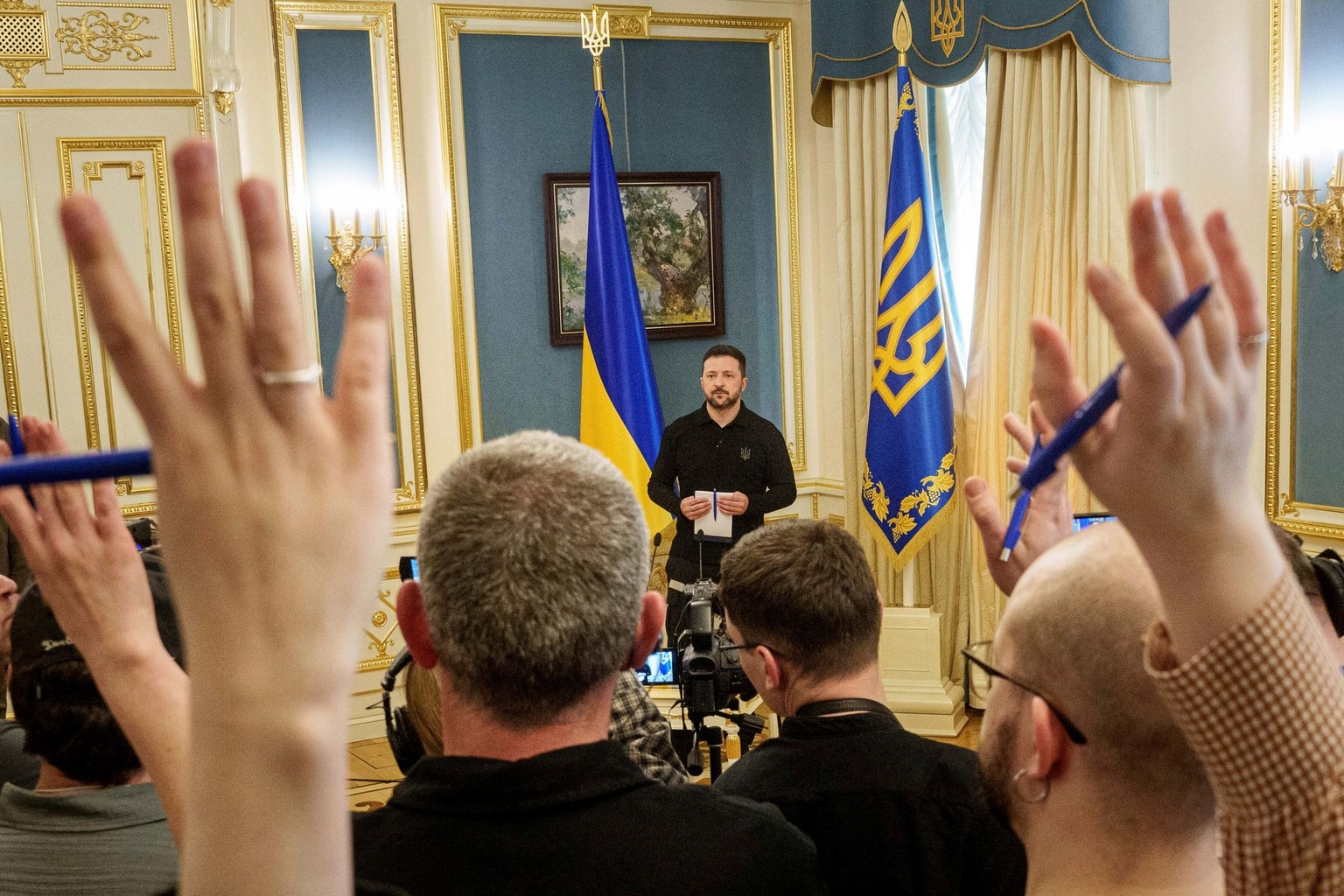
Prosecutor General Ruslan Kravchenko once helped lead the crackdown on Ukraine's National Anti-Corruption Bureau (NABU). On Sept. 7, a corruption scandal ultimately led to his downfall after the same bureau broke through the gates of his office. Kravchenko, long seen as a staunch loyalist of President Volodymyr Zelensky, resigned on Sept. 7 after NABU detectives exposed an alleged scam call center protection racket run from the Prosecutor General's Office — only the latest in a string of scanda
‘Our desire to create is bigger than our fear’: How one Kyiv restaurant rebuilds, adapts and keeps going after 3 Russian attacks
Business

‘Our desire to create is bigger than our fear’: How one Kyiv restaurant rebuilds, adapts and keeps going after 3 Russian attacks

It was never normal for Anna Zavertailo to shelter in her restaurant’s basement kitchen alongside her employees and diners as drones flew overhead. But after multiple attacks damaged her popular family-run businesses in Kyiv, safety has become the top priority. Her restaurants-cum-bakeries, Zavertailo and Honey, which Anna runs with her husband, Stas, have been victims of three separate attacks in just over a year. But the couple has been selling carefully crafted cakes and pastries to foreigne
As Russia-Ukraine war escalates in the air, what comes next?
Video

As Russia-Ukraine war escalates in the air, what comes next?

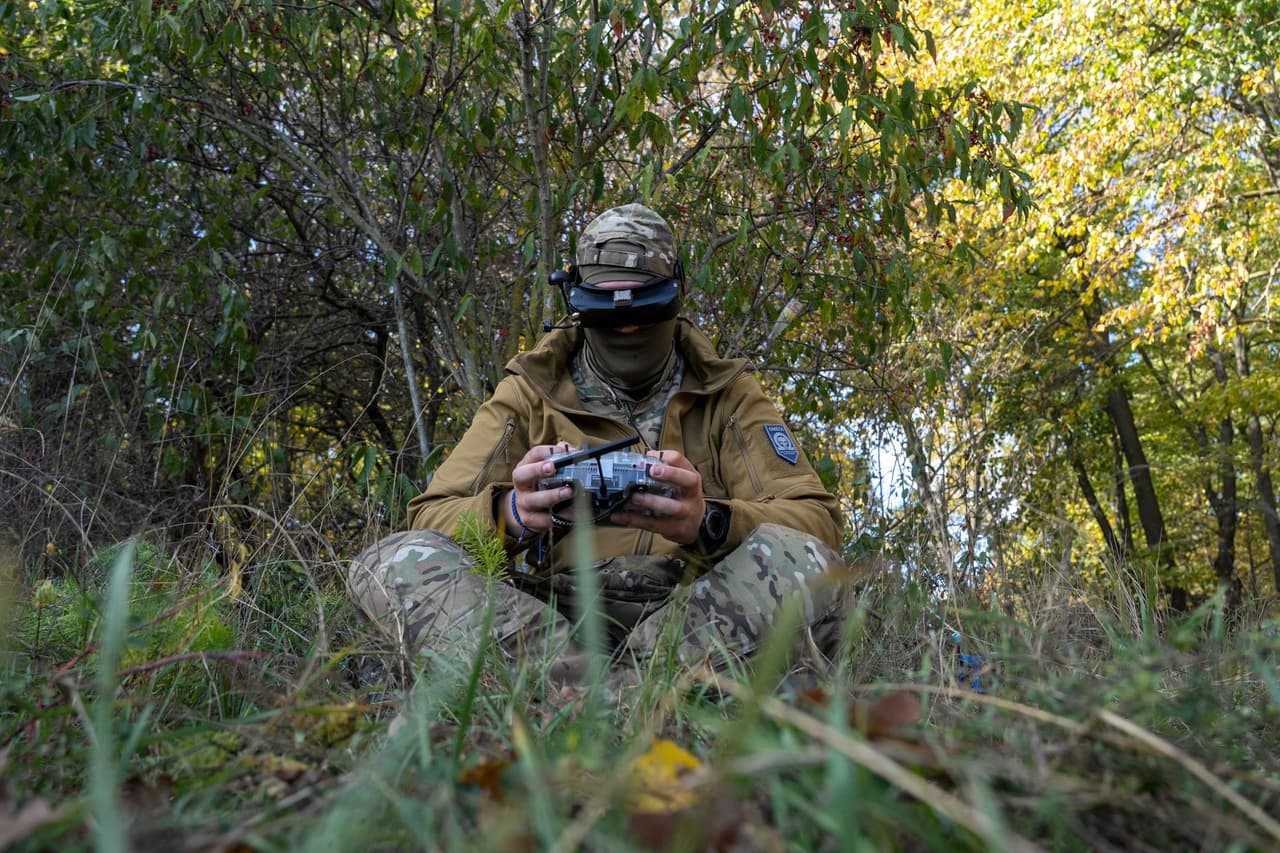
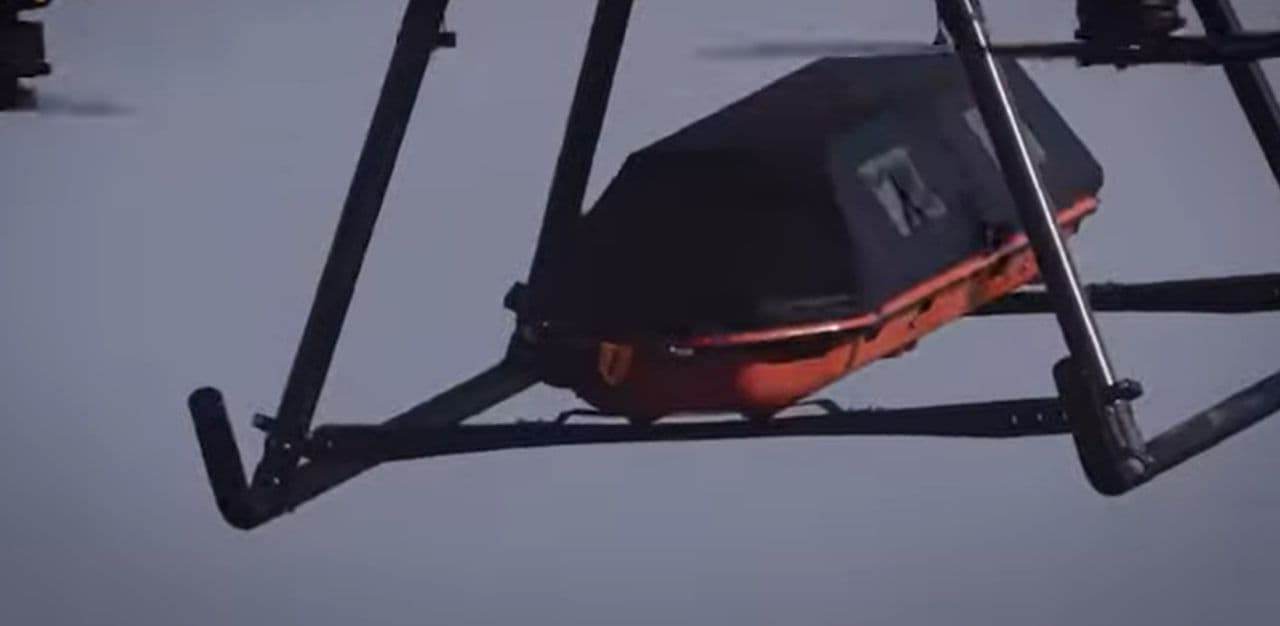
In this interview, The Kyiv Independent's Francis Farrell speaks with Mykola Bielieskov, senior analyst at Come Back Alive and research fellow at the National Institute for Strategic Studies, about why Russian advances have slowed, how Ukraine’s drone tactics are reshaping the battlefield, and the limits of relying on manpower alone.
Russia's 160-year war on Ukrainian books
Opinion

Russia's 160-year war on Ukrainian books

"The first step in liquidating a people is to erase its memory. Destroy its books, its culture, its history", said the historian Milan Hubl in Milan Kundera's The Book of Laughter and Forgetting. To destroy a man, first destroy his culture: this idea is neither new nor particularly singular. It was this very idea that prompted the creation of the Hague Convention in 1954, to protect cultural heritage during armed conflicts, after the Nazi regime burned and destroyed innumerable works of art in
Ukraine war latest: Russia's deadline to capture Donbas slips yet again
War

Ukraine war latest: Russia's deadline to capture Donbas slips yet again

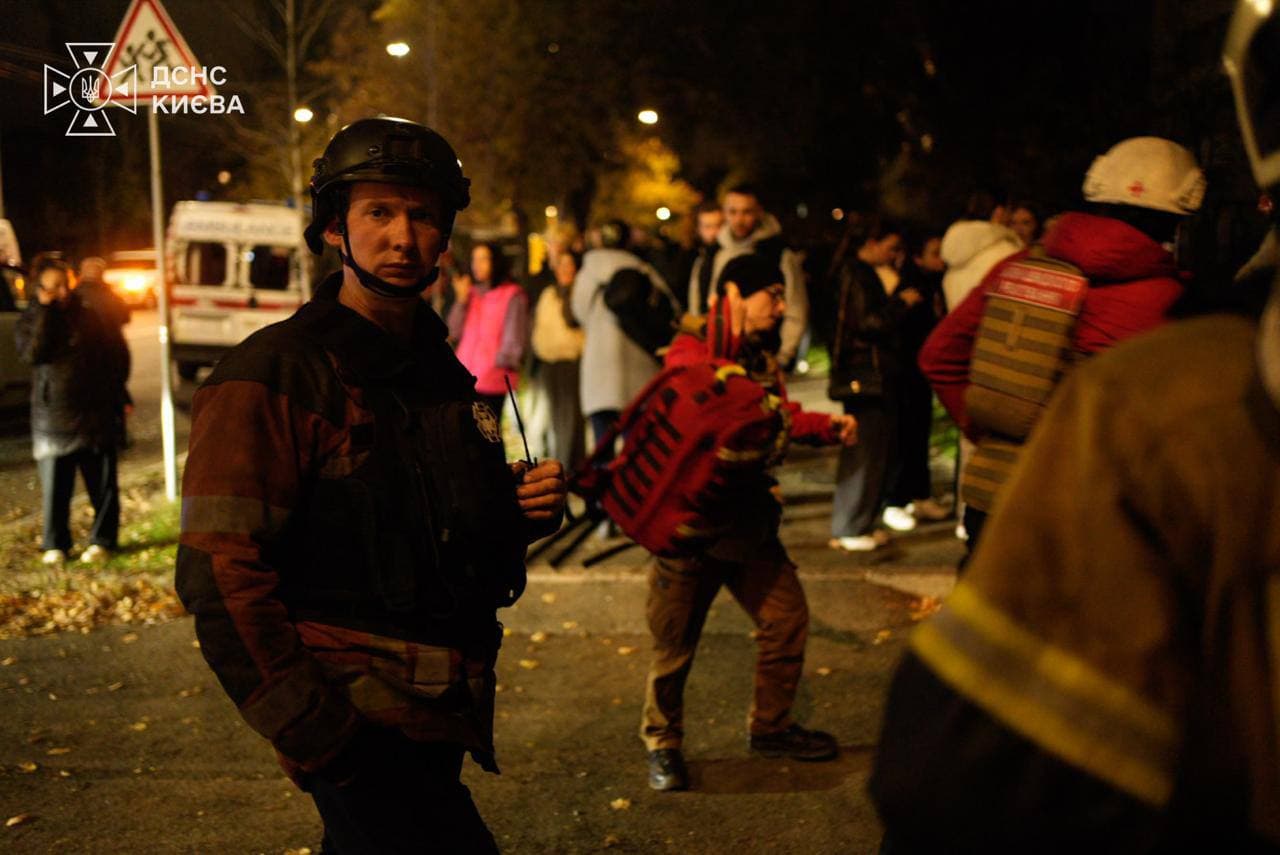
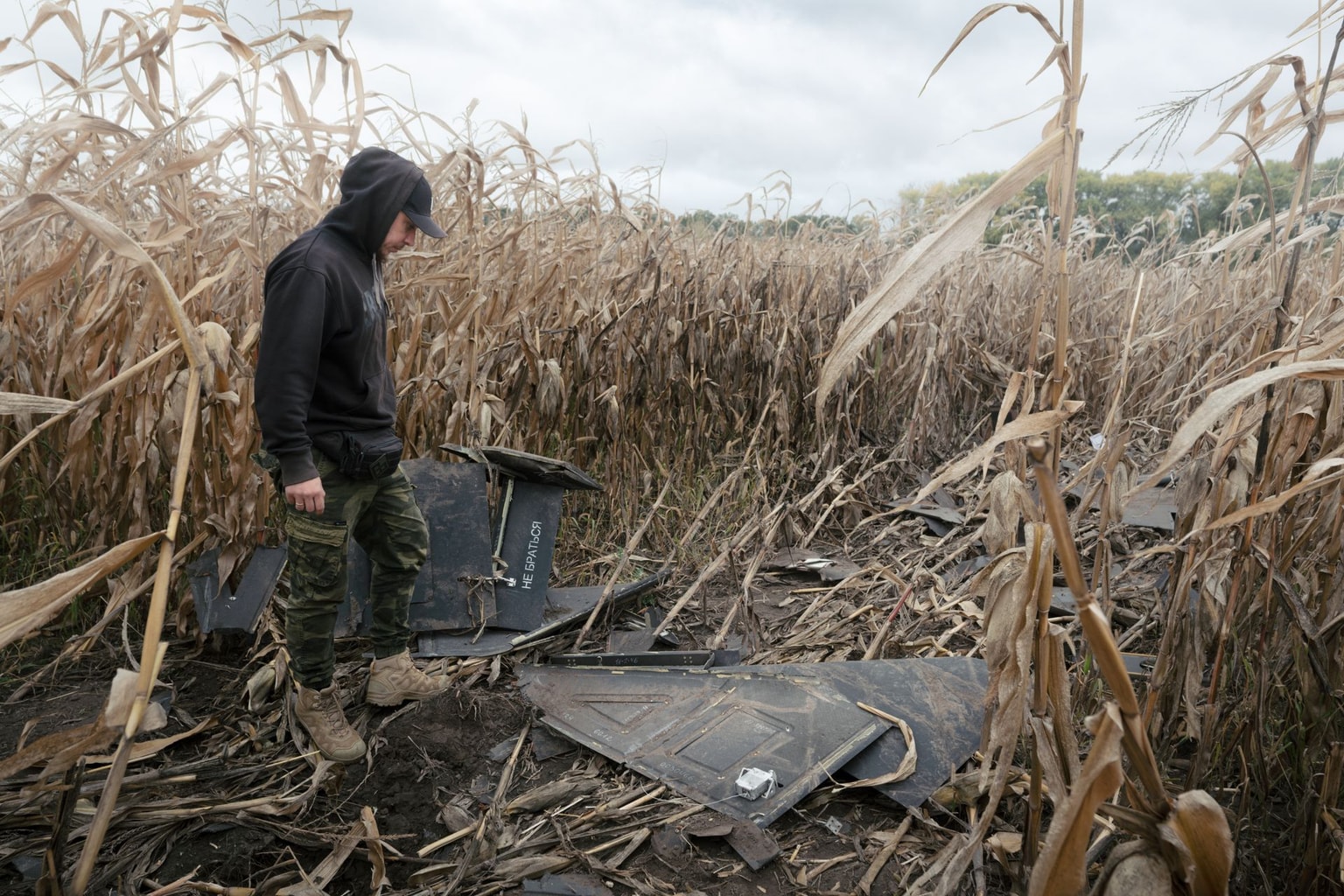
Key developments on Sept. 8: * Russia's deadline to capture Donbas slips again as military asks for more time, Ukraine says * Germany 'ready to provide missiles for Patriots,' Zelensky says * Russia pounds Kyiv in overnight attack, killing 5, injuring 29, as brief truce ends in missile fire * Ukrainian drones ignite blaze at Russia's Saratov Oil Refinery, locals report * Russian drone violates Moldovan and Romanian airspace, crashes in Moldova Russia has again postponed its deadline to fu
Explainer: Why Russia's frozen assets are Europe's hot topic once again
Europe

Explainer: Why Russia's frozen assets are Europe's hot topic once again

BRUSSELS, Belgium — Months after the idea was thought to have been laid to rest, some EU capitals are reviving the push to use 200 billion euros ($233 billion) in Russian assets, frozen in the bloc since 2022, to support Ukraine. The bloc's 27 countries are straining under the financial burden of bankrolling Ukraine, essentially on their own, while Kyiv is facing a massive budget hole amid Russia's unabating aggression. Meanwhile, the Russian threat has been forcing Europe to divert funds from
'We will sow' — Odesa farmers defiant in face of relentless Russian assaults

'We will sow' — Odesa farmers defiant in face of relentless Russian assaults

ODESA OBLAST — Volodymyr Varbanets sinks his hands into a mound of wheat, letting the golden kernels slip between his fingers. This year brought an unusually good harvest, the best since the beginning of Russia's full-scale invasion, he says. Behind him, hundreds of metric tons of wheat, barley, lentils, and peas fill the farm's warehouses. "But we cannot sell it," he sighs. For more than 20 years, Varbanets has worked this land, sowing and harvesting crops across 206 hectares. At 76, he stil