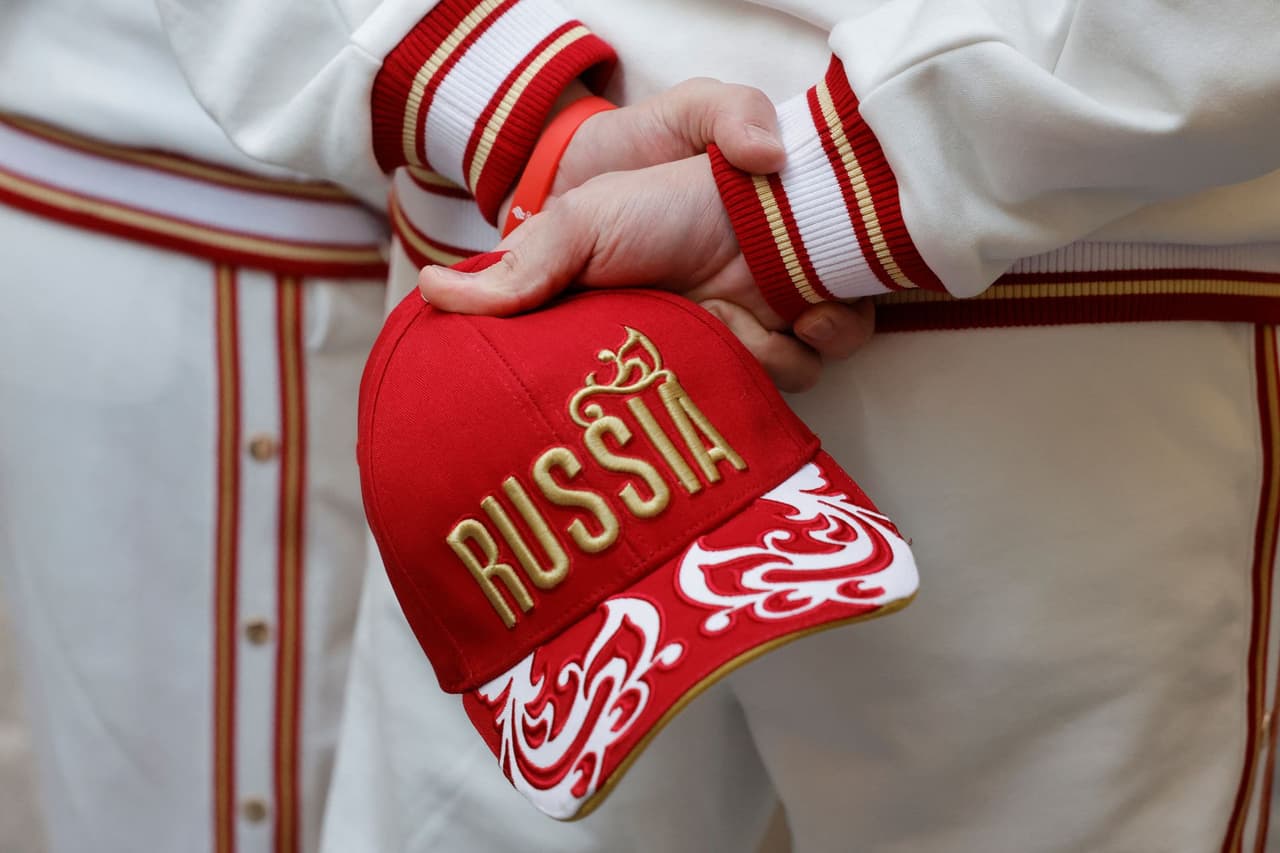
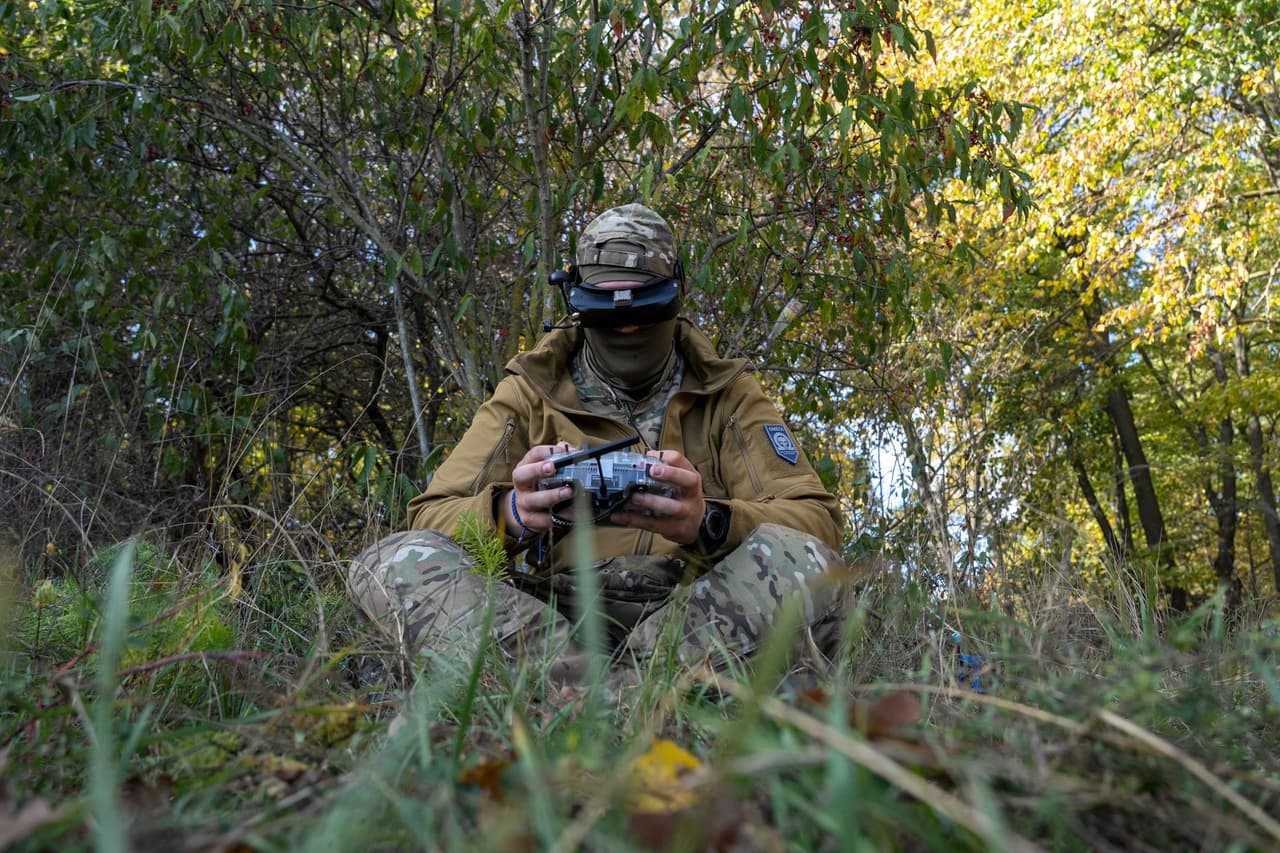
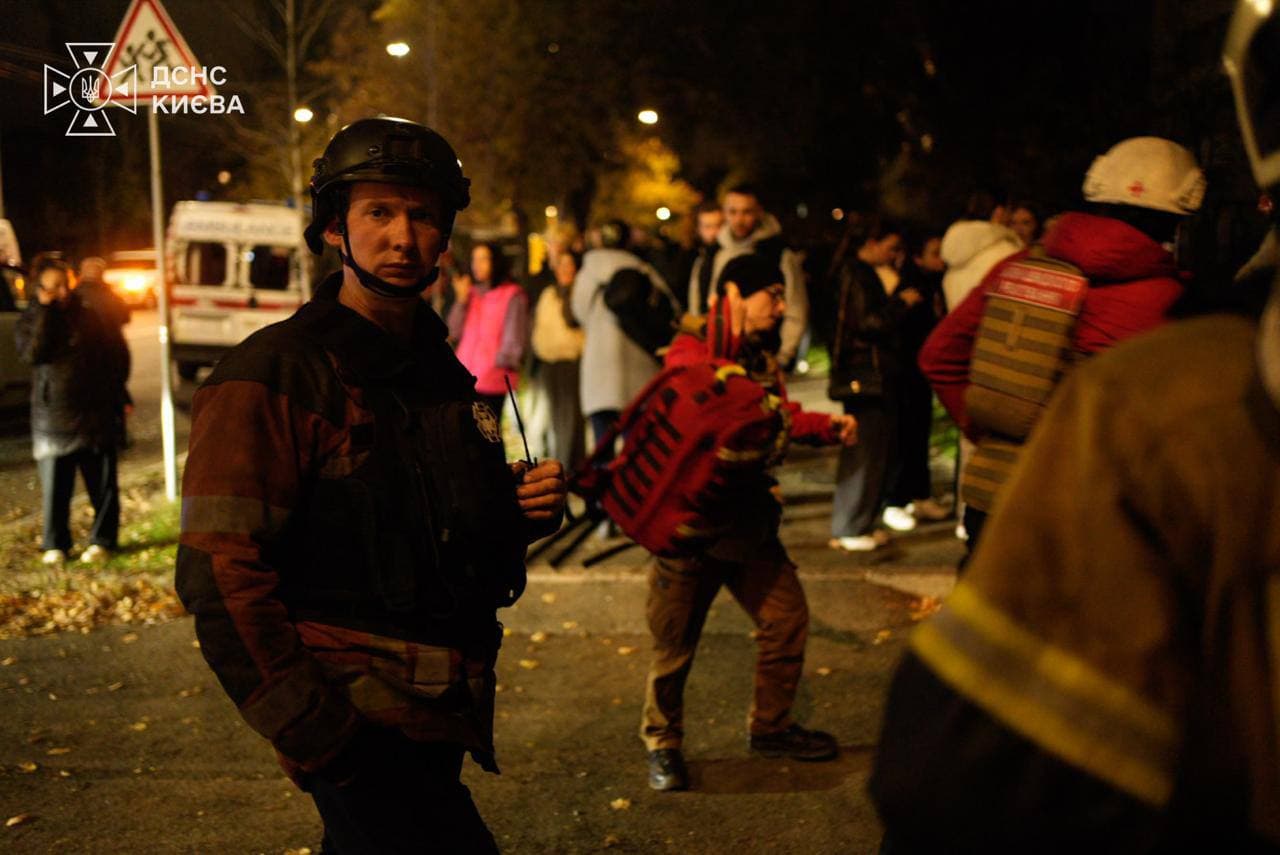
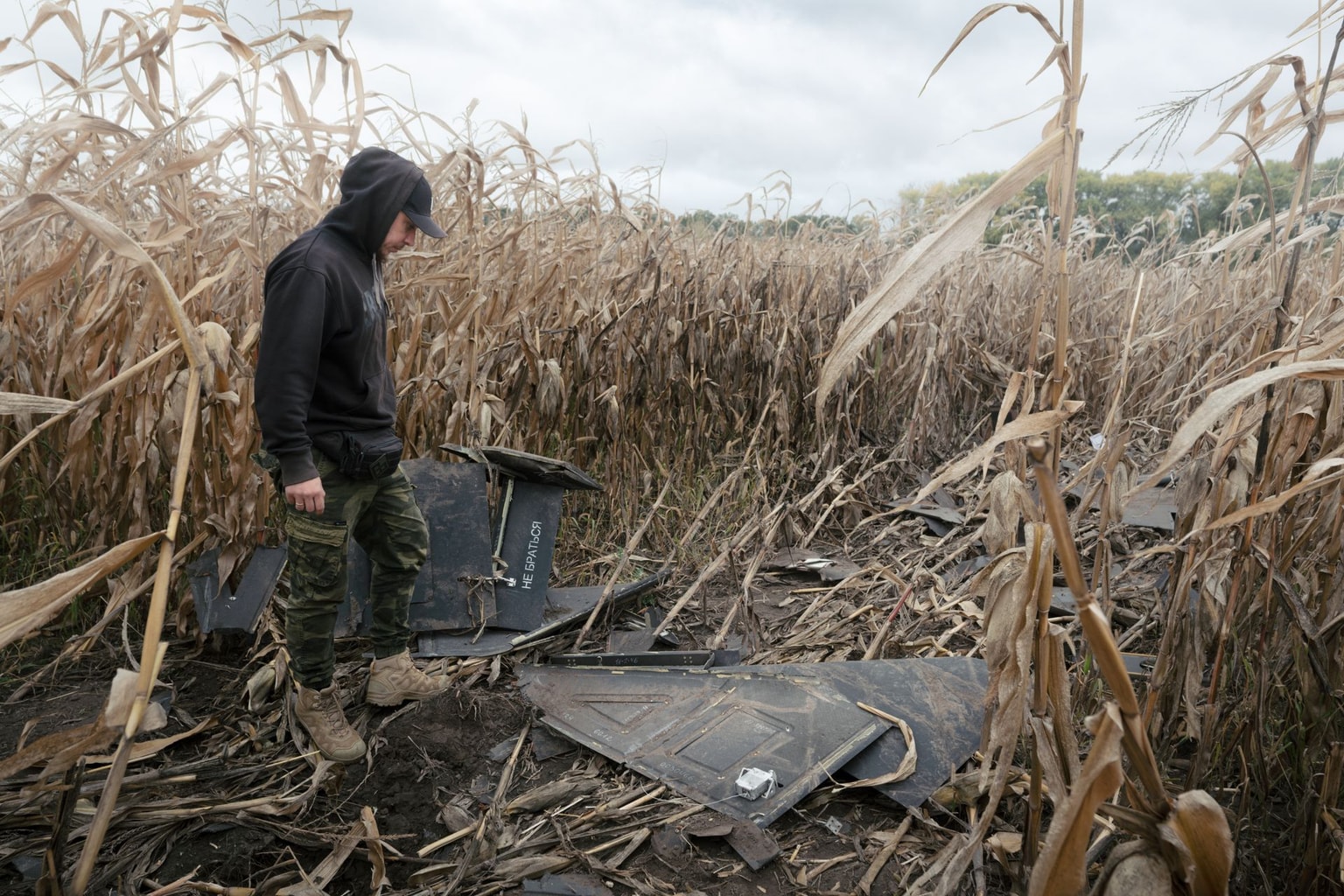
Russia has lost 1,581,840 troops in Ukraine since the beginning of its full-scale invasion on Feb. 24, 2022, the General Staff of the Armed Forces of Ukraine reported on Oct. 27.
The number includes 1,400 casualties that Russian forces suffered over the past day.
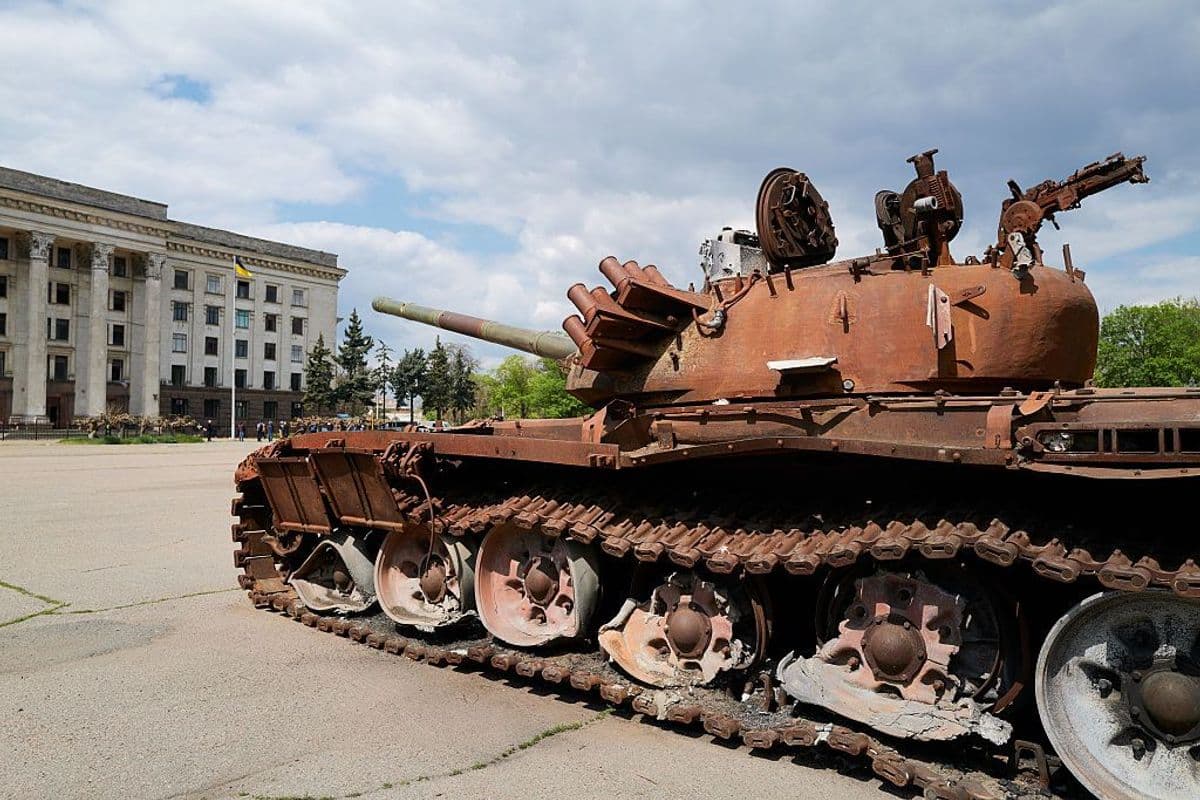
According to the report, Russia has also lost 12,448 tanks, 25,609 armored combat vehicles, 167,472 vehicles and fuel tanks, 51,653 artillery systems, 2,241 multiple-launch rocket systems, 1,727 air defense systems, 449 aircraft, 356