Anger over Kyiv's winter preparations fuels calls for Mayor Klitschko to resign
 on Google
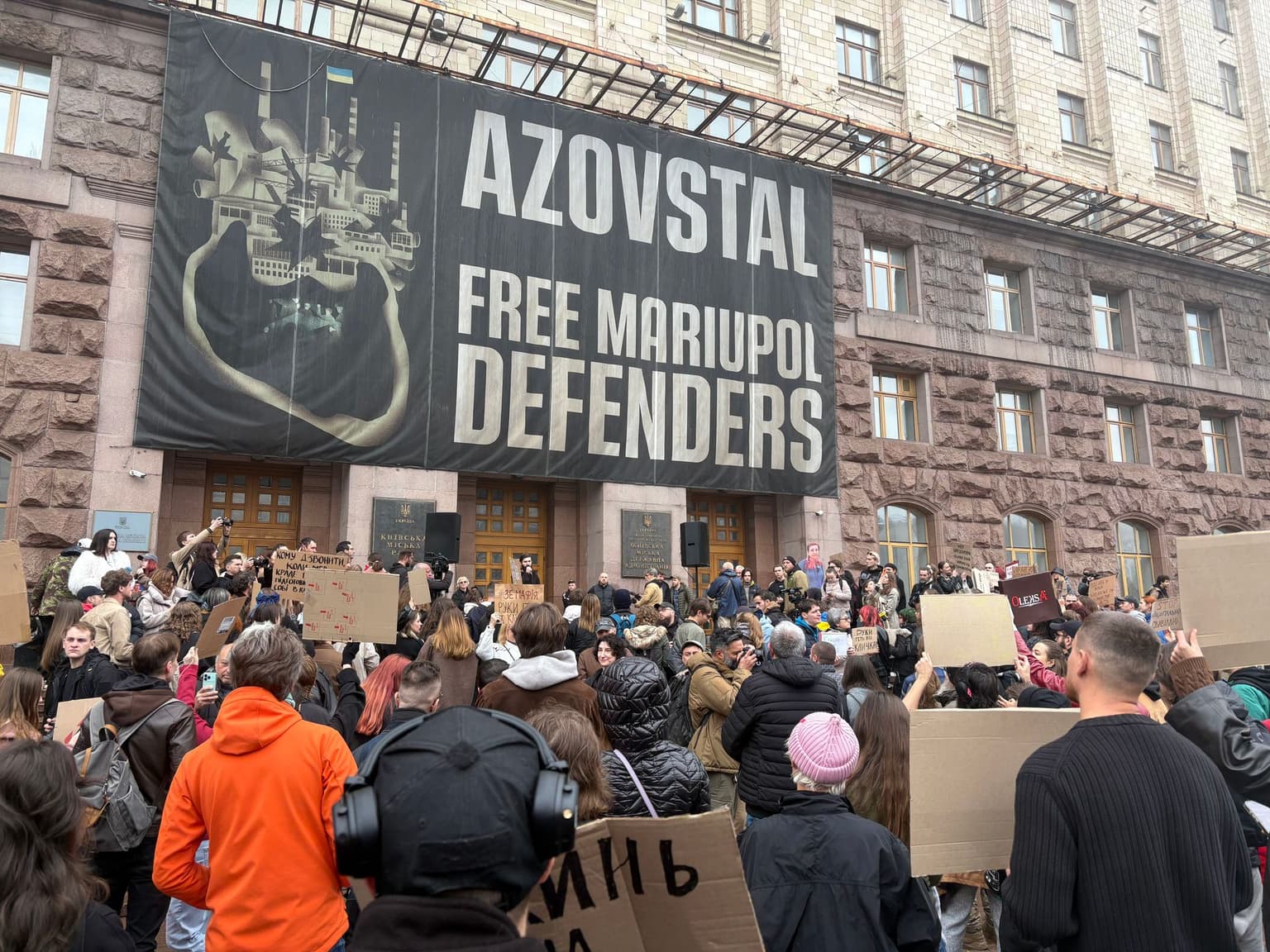
Local residents gathered on Oct. 17 in front of the city council to demand that Kyiv Mayor Vitali Klitschko step down from the post he has occupied for over 12 years.
Kyiv's failure to prepare for the coming winter amid Russian attacks on critical infrastructure, coupled with broader mismanagement, were the main factors that brought people into the streets.
The protest comes as Russia intensifies attacks on Ukraine's energy infrastructure and Kyiv struggles to ensure reliable access to basic utilities and adequate shelter.
President Volodymyr Zelensky has criticized Kyiv's preparations for winter, saying other cities are significantly better prepared. But despite growing public frustration, Klitschko's removal remains unlikely, as the city's complex governance structure limits the options for dismissing him during wartime.
The dispute also raises a broader question: who is ultimately responsible for ensuring Kyiv can withstand another winter?
Kyiv is less prepared than other cities
Zelensky said on Oct. 13 that "In almost all regions of Ukraine, including border and front-line areas, resilience plans have been implemented more effectively than in the capital."
Emergency power and water outages, triggering the hum of generators on almost every street, returned to Kyiv as Russia renewed its campaign against energy infrastructure as early as Sept. 30.
Power outages are not new to Kyiv, but near-daily water loss is unprecedented.
Serhii Gorkutsenko, deputy head of Kyivvodokanal, the capital's city-owned water supply company, explained the problem in an interview with Ukrainska Pravda.
"The entire electrical water utility system dates back to the 1970s. With such (voltage) fluctuations, it simply can't hold up — it burns out," he said.
This year's issue is not merely about restoring water supply but also about the sewage system, without which Gorkutsenko said there will be "an epidemiological disaster in three days, because no one will stop using the sewers."
Besides the lack of basic amenities, Kyiv also suffers from a deficiency in safety infrastructure, despite the full-scale war continuing for over 4.5 years.

The lack of shelters and the state of existing ones has been an echoing concern for months, if not years.
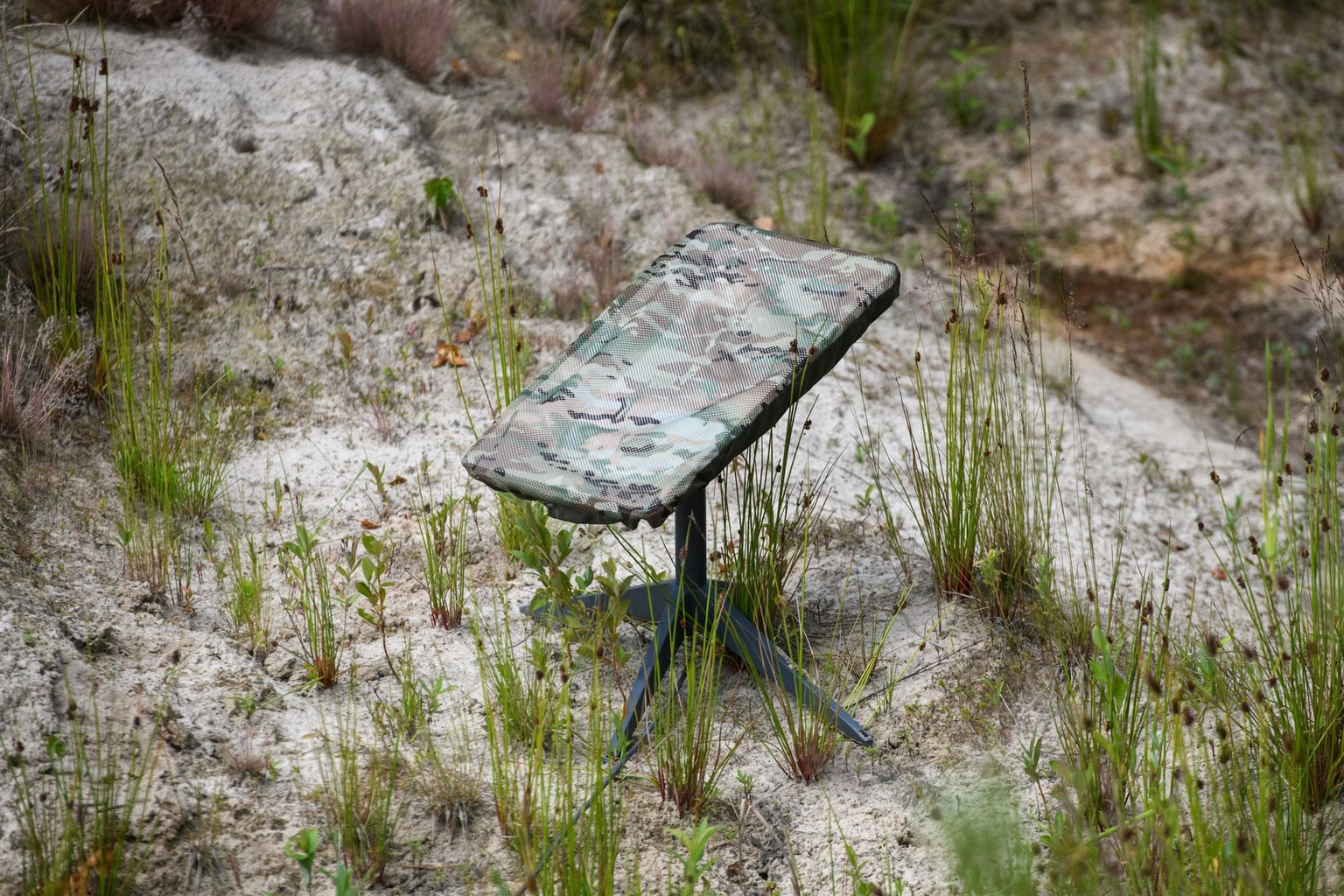
Klitschko told reporters on Sept. 11 that mobile shelters have been purchased and "within a month, the first batch — about 40 or 50 of them, as far as I recall — will be installed at public transit stops where there are no permanent shelters."
That promised number suddenly diminished. The Kyiv City State Administration (KMDA) told the media outlet Slidstvo.info on Oct. 6 that far fewer will arrive over a much longer timescale.
The first and so far the only new public mobile shelter appeared on Oct. 15, more than a month after Klitschko's claims.
The protest
The overarching message of the Oct. 17 protest was simple — Klitschko should resign.
However, the issues outlined by the organizers were plentiful. They addressed everything from safety to public transport issues, and the neglect of cultural heritage sites.
Corruption and the city's financial mismanagement was also on the list of protestors' grievances.
Klitschko has been in power since 2014 and was decisively reelected as Kyiv's Mayor twice, in 2015 and 2020.
During these terms, Klitschko has been widely criticized for failing to address the city's urgent needs, instead focusing on building developments that demolish "cultural heritage, green zones, and public spaces," wrote activist and veteran Dmytro Koziatynskyi on social media prior to the protest.
This is the second time in October that a protest has been held at the City State Administration's doorstep. In the evening of Oct. 7, people gathered in protest of the mass felling of trees during the construction of a heating pipeline in Teremky, a district fiercely targeted by Russian attacks.
"I just go around all week and tell people at work, and my foreign friends, and everyone about how Kyiv is an incredibly uncomfortable place to live," Kyiv resident Nadiia told the Kyiv Independent during the Oct. 7 protest.
Likelihood of Klitschko's removal
Klitschko's ousting remains unlikely, however.
Kyiv is run in a convoluted manner, with numerous administrative bodies whose duties either overlap or omit certain areas entirely.
Klitschko is currently Kyiv's mayor and, due to the city's special status as the country's capital, is also the head of the Kyiv City State Administration, a post equivalent to a regional governor. According to the law, the elected mayor is usually appointed as the head of the city administration.

The city is also governed by the Kyiv City Military Administration (KMVA), a structure created by Zelensky following the start of Russia's full-scale invasion. Andrii Tkachov currently leads it and is responsible for "preparing the city for defense, maintaining public order and ensuring the safety of the civilian population, enforcing the legal framework of martial law, and ensuring the city's essential functions," as written on its website.
Only the heads of KMDA and KMVA can be appointed by the president, while the mayor is elected by popular vote.
Considering this, Klitschko cannot be fully dismissed by Zelensky, but can only resign on his own will. What Ukraine's president can do is strip Klitschko of his title as head of the administration, thus limiting his power over decisions in Kyiv.
Following Zelensky's latest criticism, the city's mayor had five minutes in Ukraine's parliament to address the growing issues.
"We, as the city government, are doing everything in our power to ensure the city's functioning, despite the setbacks the central government is constantly trying to inflict on us; unfortunately, this is what their so-called 'cooperation' looks like," he said on Oct. 14.
He also revealed that, so far this year, Kyiv's power grid has been struck nearly 50 times by missiles and unmanned aerial vehicles (UAVs), an increase since last year.

"Where is the capital's air defense? Where is the protection for Ukrenergo's (energy operator) facilities? Where are the billions you allocated for this?" Klitschko appealed, pointing the finger at the government.
In 2026, Kyiv was allocated over $2.3 billion for winter preparation, but only 51.1% had been used as of Sept. 1, according to the Finance Ministry.
The Kyiv Independent reached out to the Kyiv City State Administration and Klitschko with a request for comment, but has not received a response at the time of publication.