Kyiv has right to seize Russian shadow fleet vessel transporting stolen grain, Swedish court affirms
 on Google
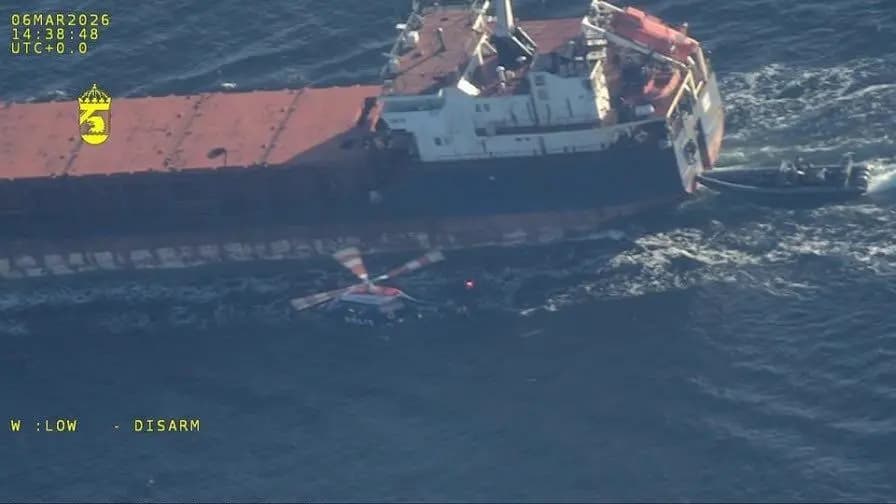
The Swedish Supreme Court on Aug. 5 upheld a decision allowing the seizure and transfer of a Russian shadow fleet vessel to Ukraine.
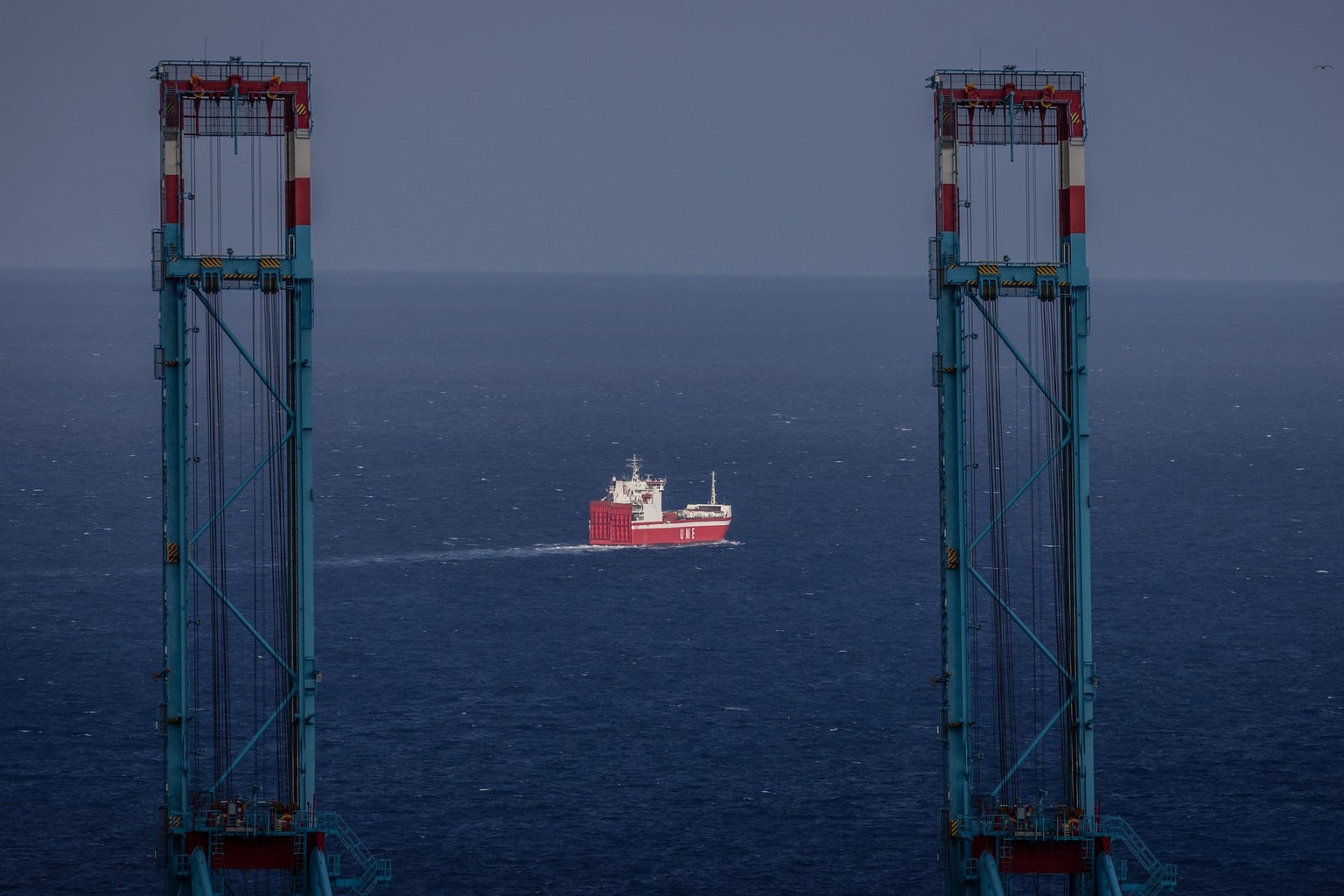
The cargo vessel Caffa, detained by Swedish authorities in the Baltic Sea, was allegedly transporting grain stolen from Russian-occupied territories in Ukraine. In June, a Swedish court ruled that the ship's seizure was lawful and the vessel could be transferred to Kyiv.
Sweden upheld that ruling on Aug. 5 in what Ukrainian Prime Minister Andrii Sybiha called "a landmark decision." The decision marks the first time a foreign court has ordered the handover of a Russian ship tied to stolen Ukrainian grain.
"This landmark decision sets an important precedent, demonstrating that decisive action by law enforcement and prosecutors, combined with an independent and impartial judiciary, can translate the principle of accountability into tangible results," Sybiha wrote on X.
The Caffa was first intercepted by Swedish police and coast guard in March. The vessel was sailing under a Guinean flag, but the coast guard deemed it "stateless." It was also found to violate standards of safety and seaworthiness.

At the time of the initial interception, the Caffa was already designated on Ukraine's sanctions list.
Vladyslav Vlasiuk, Kyiv's sanctions chief, claimed the Caffa had previously been involved in stealing grain from occupied Ukrainian territories, including a shipment from the port of Sevastopol in Crimea in July 2025.
At Ukraine's request, Sweden launched an investigation into the ship and ordered its seizure.
According to Kyiv, Russia has been systematically seizing grain from occupied Ukrainian regions and exporting it through networks tied to the occupation authorities. These operations, Ukraine maintains, violate not only international norms but also the domestic laws of countries that receive such cargo.
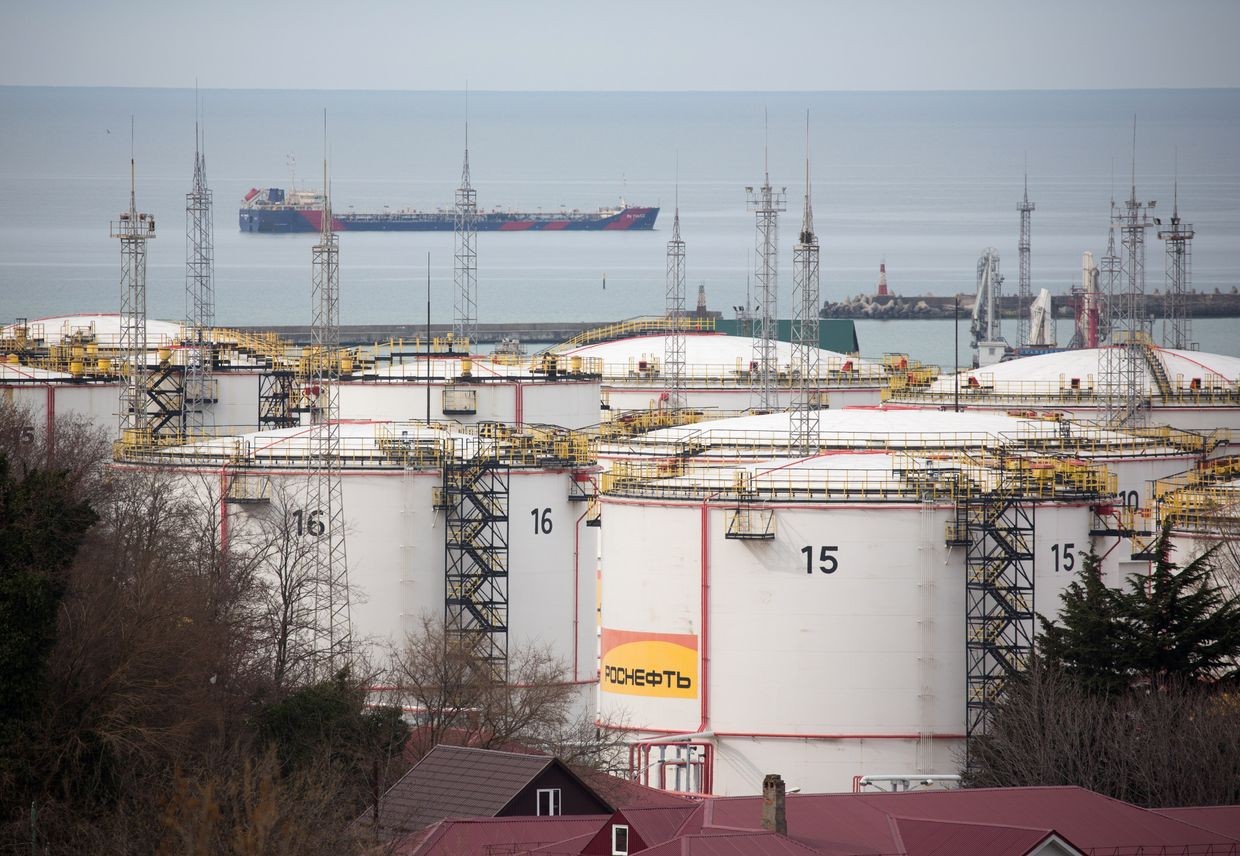
To evade sanctions, supply the occupied territories, and continue transporting stolen goods, Russia maintains a "shadow fleet" of aging, often uninsured tankers that fly under third-party flags. The fleet allows Moscow to fund its war chest despite Western sanctions and trade restrictions.
In recent months, Ukraine and its international partners have stepped up pressure on Russia's shadow fleet. The European Union's 21st package of sanctions includes a provision allowing member states to sell crude oil, grain, and other commodities seized from these vessels.
A joint EU force has also intercepted several shadow fleet tankers in the Mediterranean Sea. France, Belgium, the U.K, and other countries have also boarded suspected shadow fleet vessels that entered their territorial waters.