Head of body recovery group Platsdarm killed, his wife says
 on Google
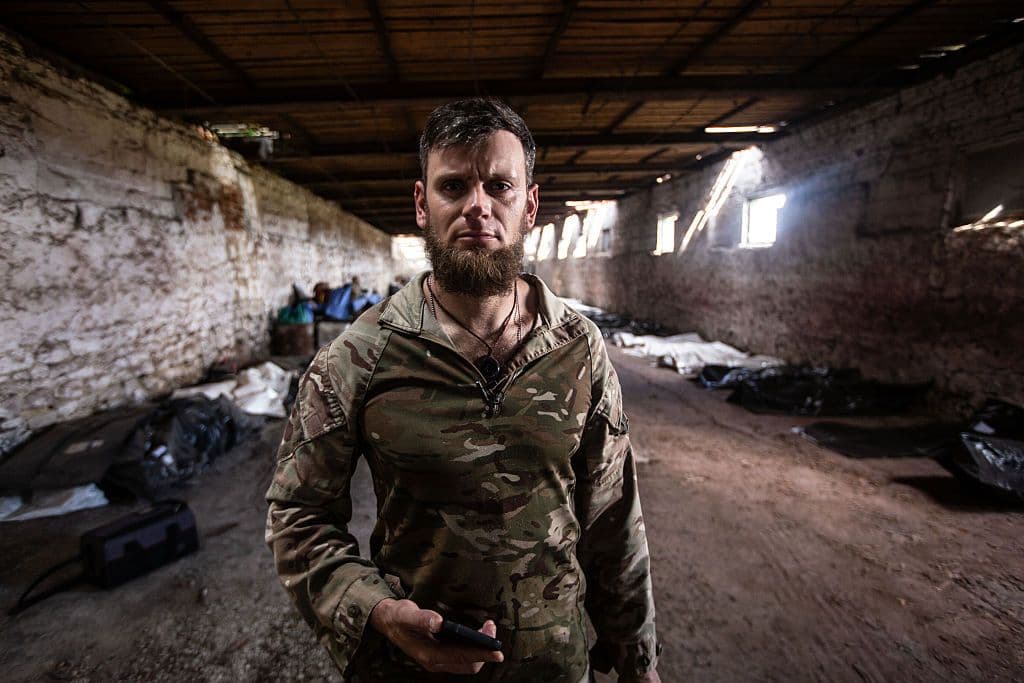
Oleksii Yukov, the head of the well-known body recovery group Platsdarm, which conducts dangerous repatriation missions in eastern Ukraine, has been killed, his wife Yevheniia Kaluhina said on Aug. 5.
"My husband was killed," Kaluhina wrote on Facebook, without providing further details. The details of his death had not been confirmed at the time of publication.
Yukov was fatally wounded during exhumation on the front line, according to Serhii Hnezdilov, an activist and a serviceman with the 56th Mechanized Brigade.
"His name is about the Ukrainian Donbas and respect for every person who was killed (whose body) he was able to return to their relatives," Hnezdilov said in a Facebook post.
Born and raised in Sloviansk in eastern Donetsk Oblast, Yukov founded Platsdarm (Bridgehead) in his hometown when Russia launched its war on eastern Ukraine in 2014. Platsdarm became the first volunteer team in Ukraine to systematically search for dead bodies during the Donbas war.
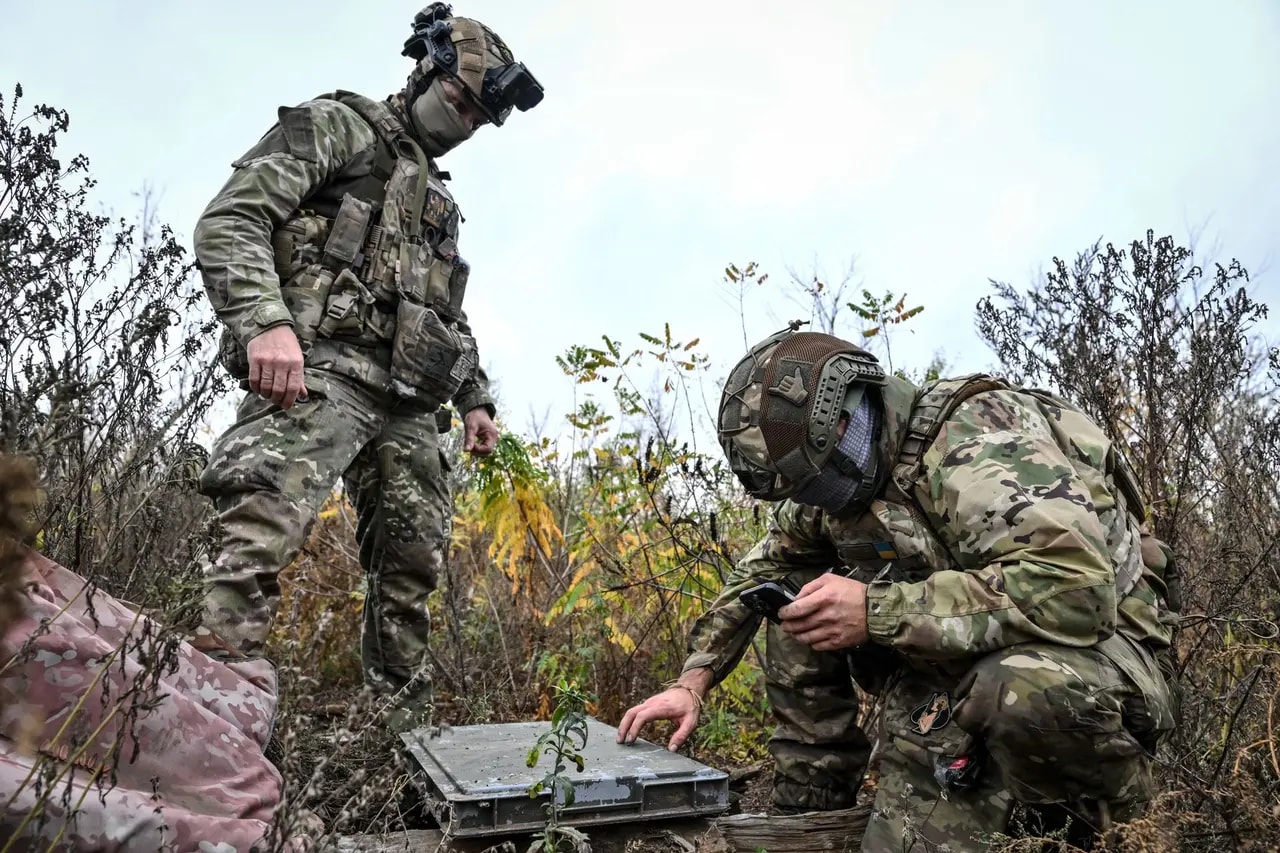
Despite the heightened threat in the current drone-dominated phase of the war, Yukov continued to head out on repatriation missions in dangerous places, including the Sloviansk and Izium areas. The 40-year-old had been repatriating bodies for 27 years, initially starting out recovering the remains of soldiers from World War II.
Since the outbreak of Russia's war against Ukraine, Yukov repatriated the bodies of Russian and Ukrainian soldiers, as well as civilians, despite the significant risk involved.
"Oleksii Yukov will always be in our ranks," Volodymyr Rybalkin, the head of Sviatohirsk Military Administration, said in a Facebook post.
"My friend, you are incredible, only a few people can do what you did..."
Yukov told the Kyiv Independent on Aug. 2 that he had repatriated over 10,000 bodies.
Volunteer repatriation work, such as by Platsdarm, is crucial during the current war, where the increased drone threat has made it extremely dangerous to recover bodies from the front.
Without DNA confirmation, fallen soldiers whose bodies are not retrieved are often officially marked as missing in action (MIA). For families and loved ones, the return of a body allows them to hold a burial and begin to find closure.
Less than two weeks before his death, Yukov wrote on Facebook about the importance of repatriation efforts.
"Behind every search mission lies someone's soul, someone's prayers and hopes — the hope that a loved one will return from hell," Yukov said in a July 25 Facebook post.
"Whose smile and gaze ache deep inside."
"Here we must remember — as long as we fight for them, each of them has a chance to return!!! And we fight for them together with you, with your prayers and hopes here, in the groves and fields, bringing every soul back home."