North Korea deploying ballistic missile unit to Russia to wage attacks on Ukraine, intelligence says
 on Google
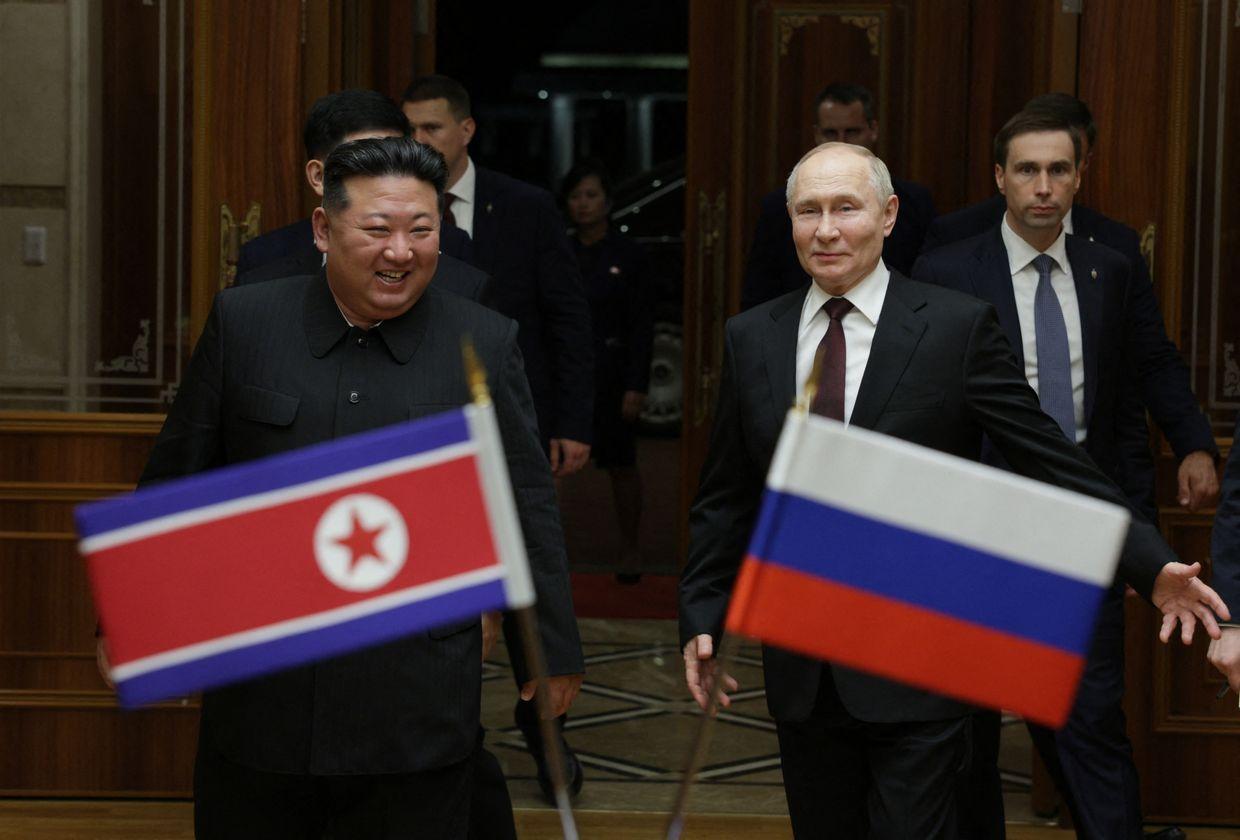
A North Korean ballistic missile unit is taking up positions in Russia's Voronezh Oblast, Reuters reported on Aug. 5, citing Andrii Cherniak, spokesperson for Ukraine's military intelligence.
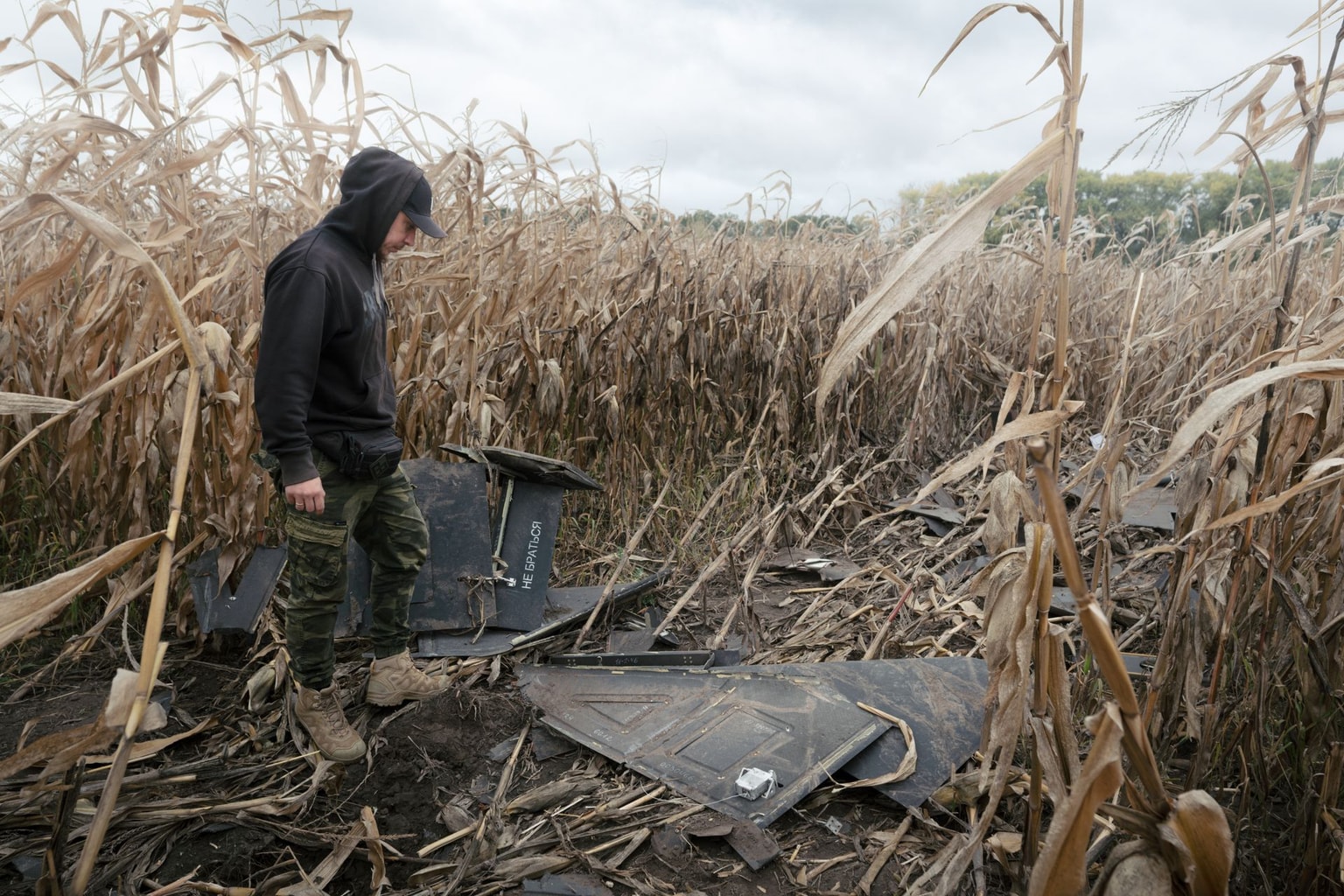
Moscow has deepened military cooperation with Pyongyang since launching its full-scale invasion of Ukraine, with ties expanding further after Russian forces began using North Korean KN-23 and KN-24 short- and medium-range ballistic missiles. The first confirmed use of a North Korean missile by Russia came during an attack on Kharkiv on Jan. 2, 2024.
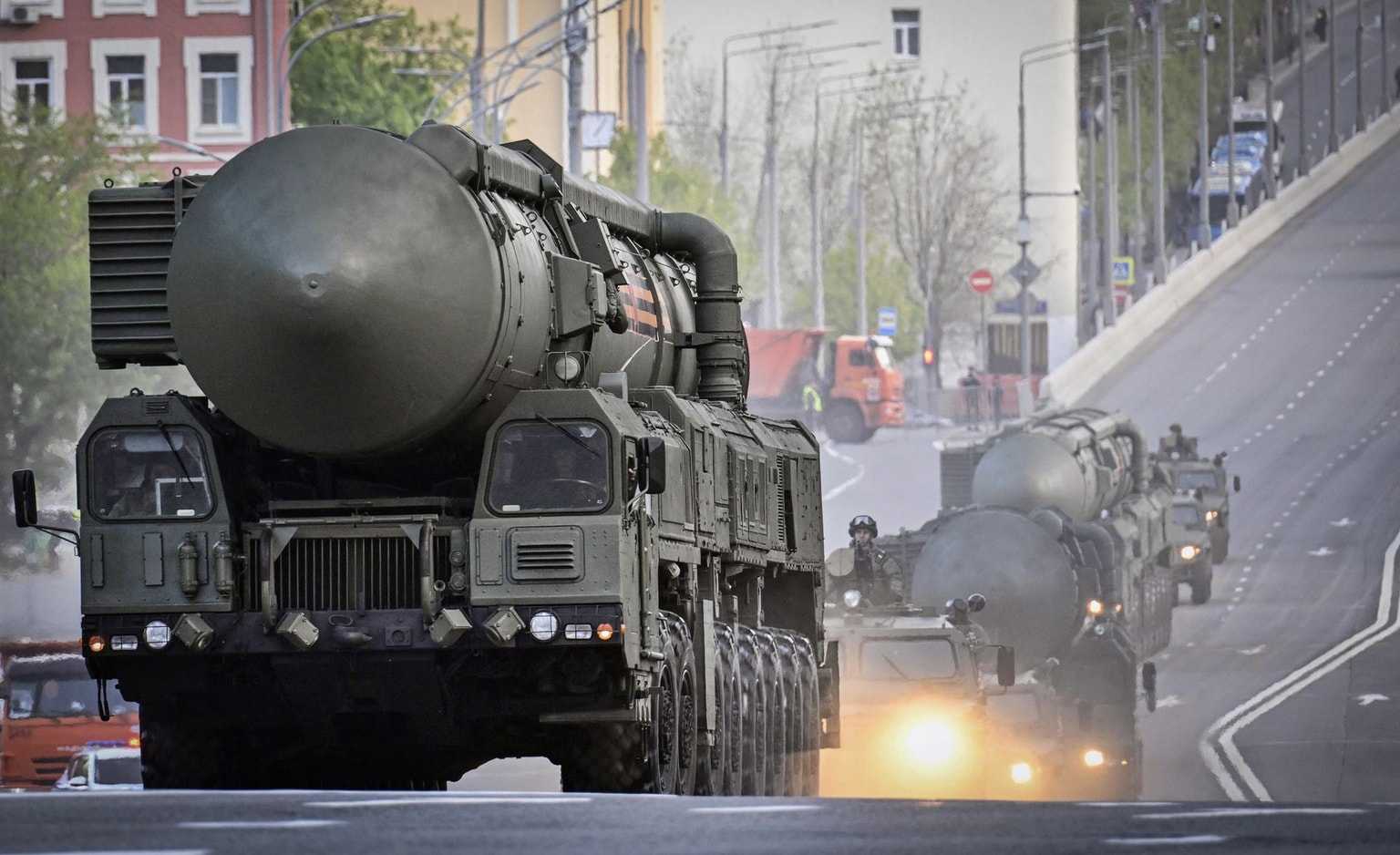
The unit, which is being deployed in the region bordering Ukraine's Luhansk Oblast, is believed to have six launchers and 120 ballistic missiles. Russian forces have already received 40 of the missiles, Reuters reported.

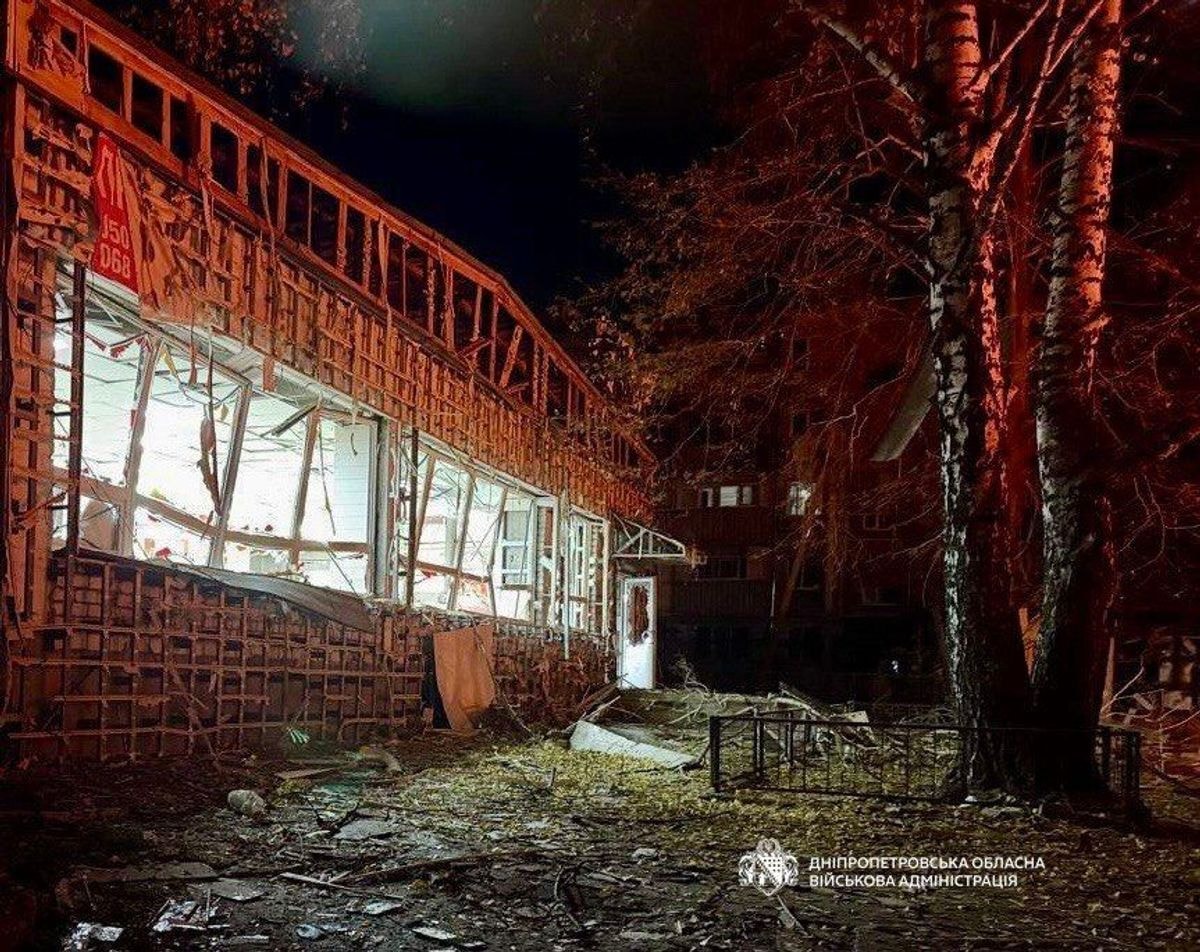
Russian forces used North Korean KN-23 ballistic missiles to strike the village of Radushne, southeast of Kryvyi Rih in Dnipropetrovsk Oblast, on July 30.
According to Cherniak, the strike marked Russia's first use of North Korean missiles since August 2025. Cherniak added that the missiles came from the latest shipment of 40 delivered by Pyongyang.
North Korea's KN-23 solid-fuel ballistic missile, also known as the Hwasong-11Ga, is comparable to Russia's Iskander-M, while the KN-24 tactical guided missile, also known as the Hwasong-11Na, is broadly similar in design to the U.S.-made ATACMS.
Like other ballistic weapons, North Korean-made ballistic missiles can be intercepted by Ukraine only using the U.S.-made Patriot missile system. However, Ukraine has a limited number of Patriot air defense missiles, a constraint highlighted by recent Russian attacks.
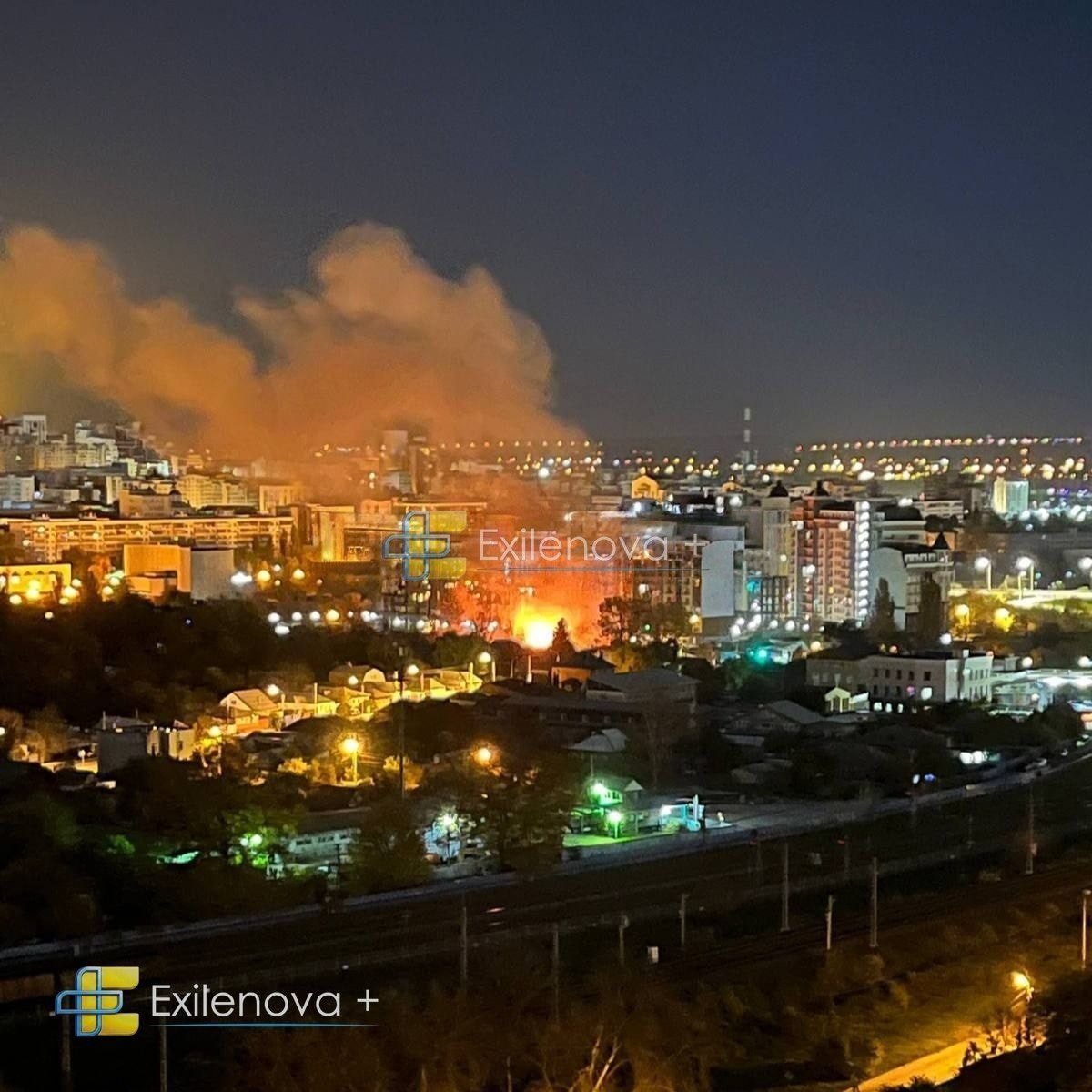
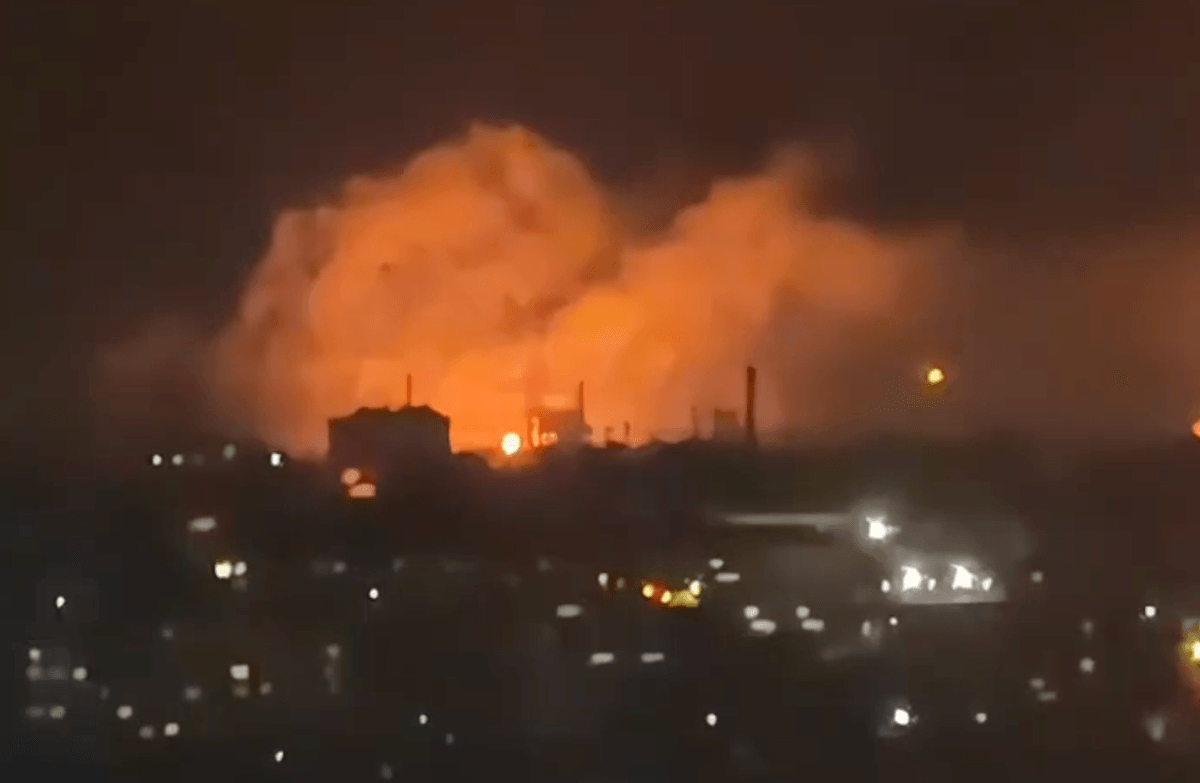
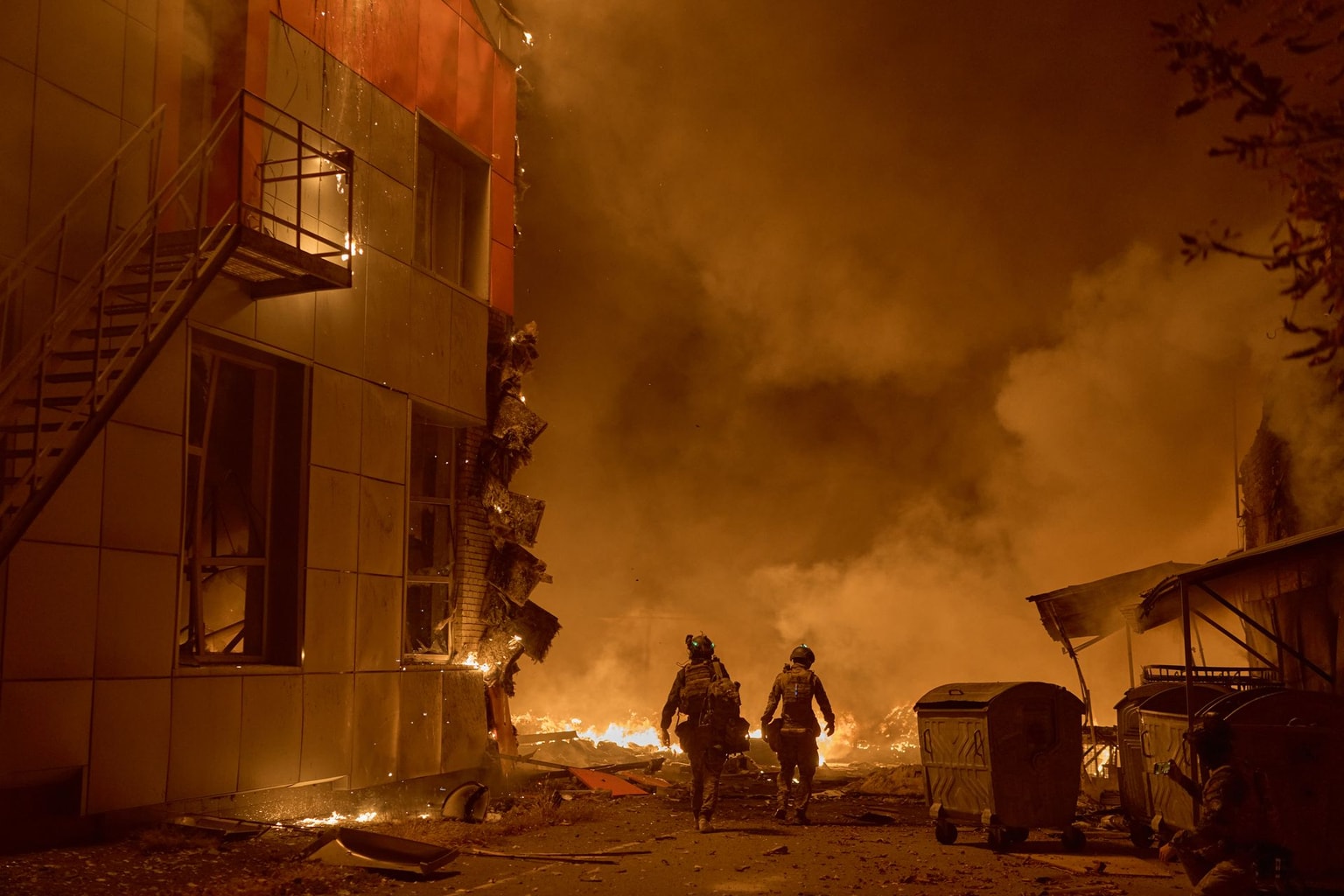
The Ukrainian Air Force intercepted just one of 27 ballistic missiles launched in a Russian attack on Aug. 1. During the Aug. 5 attack, Ukraine failed to intercept any of the 24 ballistic or Zircon hypersonic anti-ship missiles, according to the Air Force.
North Korea has become one of Russia's key military partners since Moscow launched its full-scale invasion of Ukraine in 2022. In addition to supplying ammunition and other weapons, Pyongyang has deployed troops to support Russian operations.
Ukraine has said around 12,000 North Korean soldiers participated in Russia's 2024 counteroffensive in Kursk Oblast aimed at pushing Ukrainian forces out of the region. Last week, Zelensky warned that as cooperation deepens, Pyongyang is preparing to send an additional 30,000 North Korean troops to support its war against Ukraine.
"Russia wants to receive another 30,000 troops from North Korea," Zelensky said on July 25. "Since June, preparations have been underway in Russia's Voronezh Oblast to receive them."
The two authoritarian countries have steadily expanded cooperation as Russia has become increasingly isolated from the West over its war against Ukraine.
Russia and North Korea signed a "Comprehensive Strategic Partnership Treaty" in June 2024, which took effect in December. The allies further expanded their military cooperation in April 2026 by agreeing to a supplementary defense pact, set to remain in force until 2031, covering military assistance, arms transfers, and joint actions against Ukraine.