Ukraine war latest: Russia strikes downtown Kyiv, kills one, injures 24, damages National Academy of Sciences
 on Google
Key developments on Sept. 28:
- Medical center, science academy struck in downtown Kyiv as all-day Russian drone attacks continue
- Ukraine's Operation Vivaldi liberates 3 more settlements, inflicts 2,000 Russian losses, 3rd Army Corps announces
- Trump wants Zelensky to ease strikes on Russian refineries, Ukraine official says deal must go both ways
- Poland to ease rules for shooting down drones, missiles entering from Russia
- Ukrnafta installs concrete shelters at Kyiv gas stations amid Russian attacks
- Russian drone strikes near Ukraine-Poland border crossing in Volyn Oblast
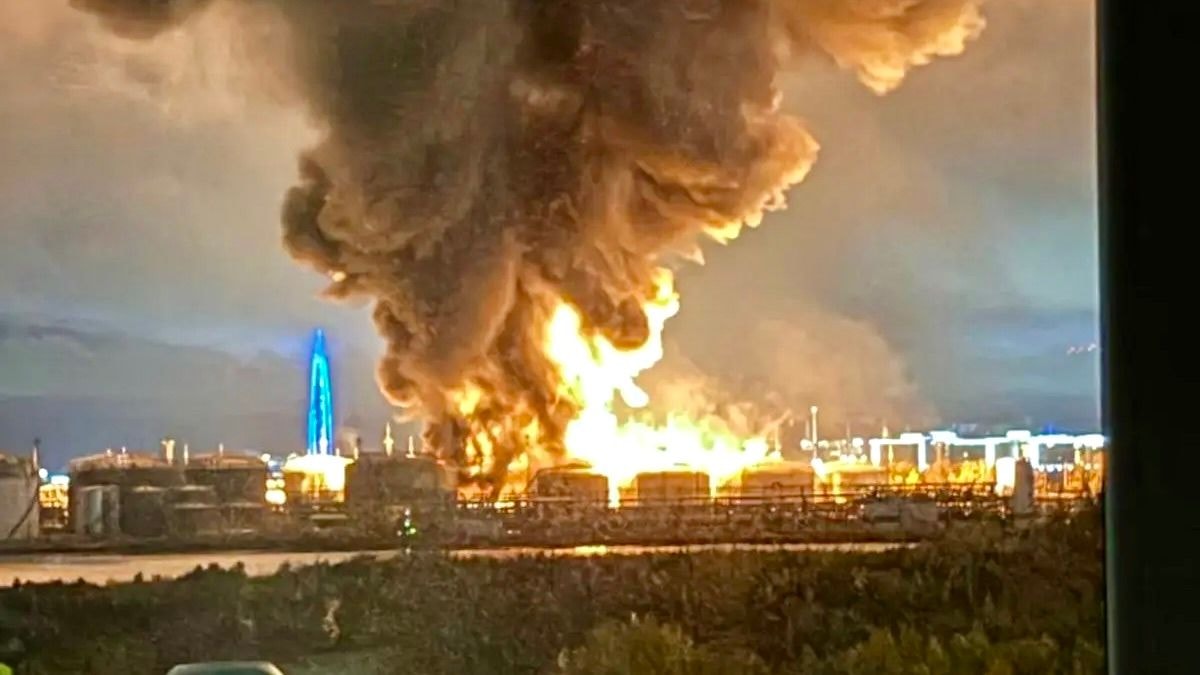
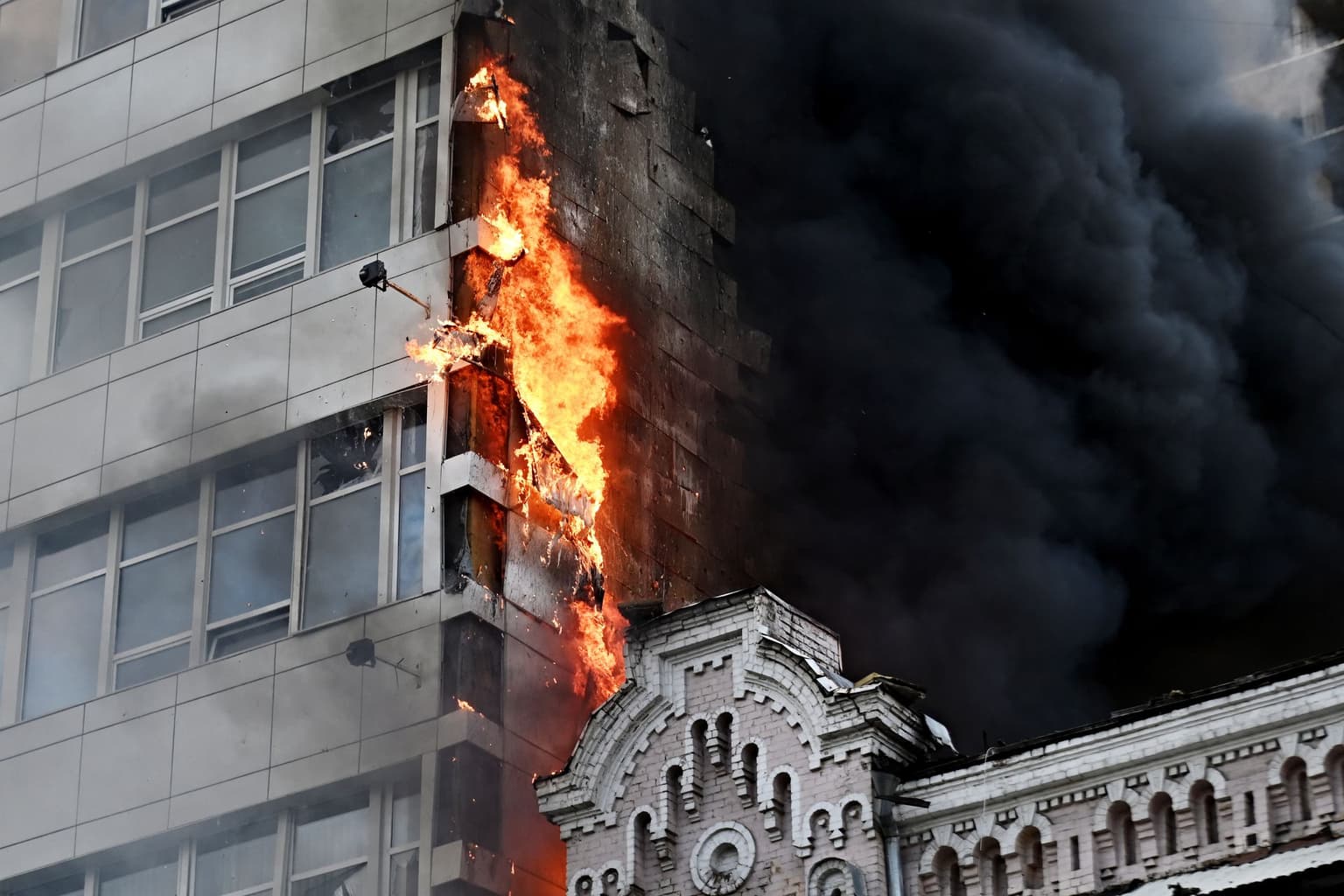
Russian drones have struck central Kyiv in the middle of the day on Sept. 28, killing one and injuring 24 others, as Moscow's round-the-clock bombardment of the Ukrainian capital continues.
The Russian attack on the city center killed a woman and injured 24 other people, including three children, according to Kyiv Mayor Vitali Klitschko.
Russian drones struck non-residential buildings in Kyiv's Obolonskyi, Darnytskyi, and Shevchenkivskyi districts, according to Klitschko.
In the city center, the Ukrainian National Academy of Sciences building was set ablaze, while Education and Sciences Minister Andrii Butenko reported that one of the ministry's buildings was also damaged.
An aide to former National Security and Defense Council Secretary Volodymyr Horbulin was killed in the strike on the National Academy of Sciences building, the academy's press service told Ukrinform. Horbulin was at work when the building was hit and sustained a minor injury, according to Suspilne.
Horbulin is one of the architects of Ukraine's missile and space programs, as well as the post-independence security doctrine, holds the highest national decoration Hero of Ukraine, and is a full knight of the Order of Prince Yaroslav the Wise.
The building is located in close proximity to important city landmarks, including the Taras Shevchenko Ukrainian National University, the capital's main opera and ballet theater, and the German embassy.
Videos posted to social media showed people clinging to the outside of windows as smoke poured from the building.
Later in the afternoon, local Telegram channels showed another strike in central Kyiv, with videos showing a medical center belonging to Ukrainian private medical provided Dobrobut in flames.
The building is just across the road from Ukraine's Constitutional Court, and only two blocks from the country's national stadium.
Zelensky confirmed the strike on the medical facility, adding that first responders were working at the scene.
Ukraine's Operation Vivaldi liberates 3 more settlements, inflicts 2,000 Russian losses, 3rd Army Corps announces
Ukrainian forces under the command of the 3rd Army Corps have liberated three more villages in northern Donetsk Oblast as part of the ongoing Operation Vivaldi, corps commander, Brigadier-General Andrii Biletskyi said on Sept 28.
The villages of Ridkodub, Nove, and Katerynivka were liberated, while full Ukrainian control was restored over Karpivka and Novomykhailivka.
The latest official update from the offensive operation, which has been covered by strict operational security measures for most of its duration, marks 51 square kilometers newly liberated, bringing the total so far of territory officially retaken to 176 square kilometers.
This phase, described as the "third season" of Operation Vivaldi, inflicted over 2,000 Russian losses and saw over 250 Russian soldiers taken prisoner, according to Biletskyi.
"The idea that 'Russians don’t surrender' from movies in practice turned into entire units surrendering in full — including officers, pilots and artillerymen," the general said.
"We hope to exchange them for Ukrainian soldiers currently in captivity in the near future."
Operation Vivaldi, the corps' offensive operation around Lyman in northern Donetsk Oblast, was only made public on Sept. 15, although Russian pro-war Telegram channels and independent open-source intelligence (OSINT) researchers on social media had been tracking Ukrainian attacks in the area since late spring 2026.
Trump wants Zelensky to ease strikes on Russian refineries, Ukraine official says deal must go both ways
U.S. President Donald Trump said on Sep. 27 he once again urged his Ukrainian counterpart, Volodymyr Zelensky, to scale back Ukraine's attacks on Russian oil refineries amid a global rise in diesel prices.
Trump has previously attributed Kyiv's regular strikes on Russian oil refineries to a global fuel shortage that has driven diesel prices to record highs.
"This isn't really a Middle Eastern problem; this is more of a Russia problem," Trump told reporters, adding that he told Zelensky, "You gotta take it easy on the refineries."
Trump claimed Zelensky told him, "Well, we'll probably do that." The two met in New York during the U.N. General Assembly (UNGA) last week, where they discussed the possibility of a Russia-Ukraine energy ceasefire.
A Ukrainian official told Kyiv Independent that Ukraine would agree to stop attacking Russian refineries, but only if Russia also agrees to the energy truce. According to the official, Kyiv has not agreed to anything so far.
Despite Trump's claims, there is little evidence that Ukraine's strikes are the main driver behind the global diesel price surge.
Studies show that the U.S.-Israeli war with Iran has impacted diesel and gasoil supplies far more than Kyiv's strikes on Russian oil refineries.
Ukraine's KSE institute estimates that exports from the Persian Gulf fell by 152 million barrels between March and August, compared with a 68-million-barrel drop in Russian exports during the same period.
"Russian exports are down by a third, and the drop is equivalent to around 4% of the world's seaborne diesel and gasoil trade," Luke Wickenden of the Center for Research on Energy and Clean Air think tank told the Kyiv Independent.
Ukraine has been systematically targeting Russia's oil refineries for years, and has intensified the attacks since 2025 in an effort to disrupt Moscow's wartime economy.
Poland to ease rules for shooting down drones, missiles entering from Russia
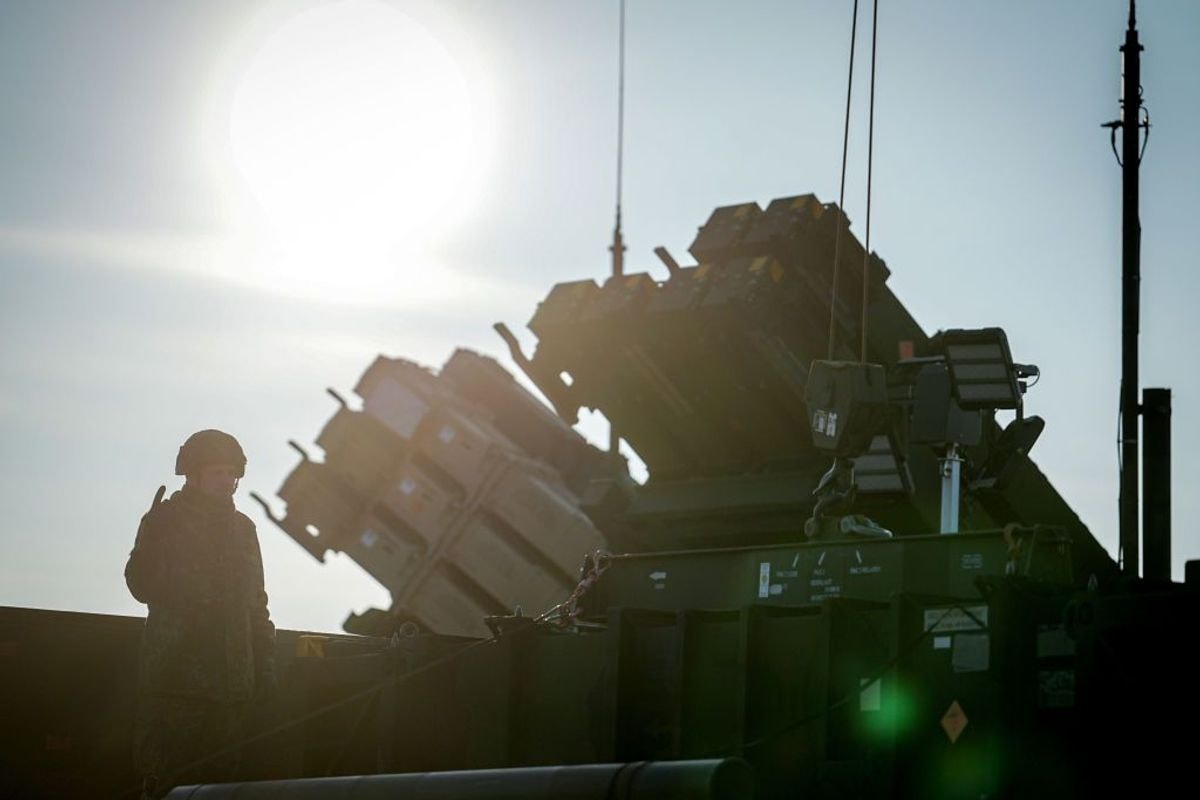
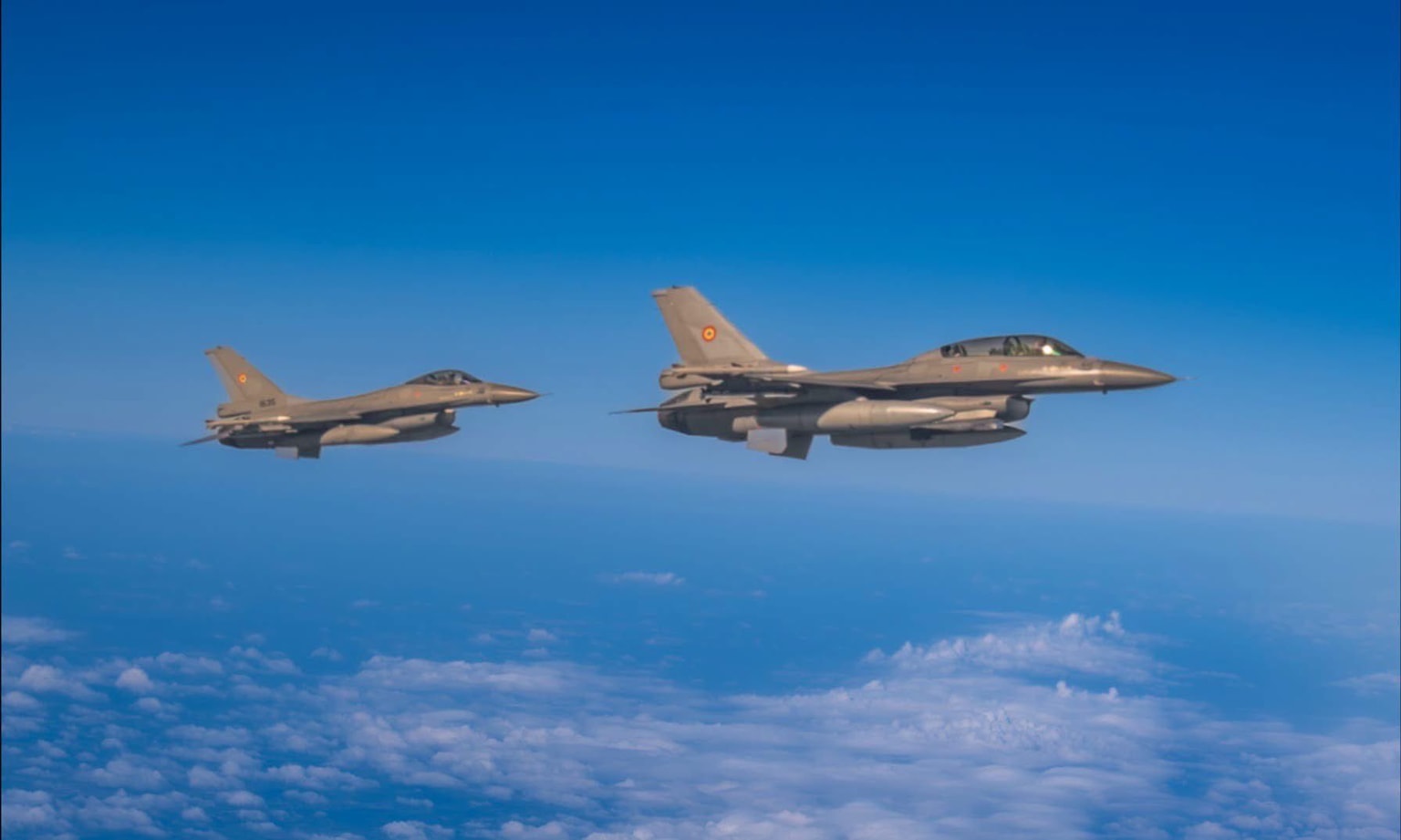
Poland will change procedures for military aircraft and helicopters that engage objects entering from the direction of Russia, Deputy Defense Minister Cezary Tomczyk said on Sept. 28.
Under the current peacetime procedure, Polish pilots must fly close enough to visually confirm a target in Polish airspace before firing at it.
The new procedures will replace this visual identification with so-called positive identification, meaning the radar reading alone will be enough for the pilot or the operational commander to authorize shooting down the object, Polish broadcaster RMF24 reported.
This procedure would allow Polish forces to shoot down missiles or drones entering Polish airspace from the direction of Russia faster than previously.
"Until now, we have not used such options, because they are usually reserved for a state of war or martial law," Tomczyk said. "However, given the threat, and given that Poland today faces the possibility of drones entering our territory every day, we must introduce such changes, both for the pilots and for the security of the state."
Amid rising tensions between Russia and Poland, Russia has repeatedly violated Polish airspace.
Ukrnafta installs concrete shelters at Kyiv gas stations amid Russian attacks
Ukraine's state-owned oil company Ukrnafta is installing concrete shelters at 13 gas stations in Kyiv and Kyiv Oblast as Russian attacks threaten fuel infrastructure in the capital region, the company said on Sept. 28.
The shelters will initially be installed at stations in densely populated areas and near major roads, available to anyone nearby, Ukrnafta chief executive Bohdan Kukura said.
"People's safety is the main priority in conditions where Russia is systematically attacking civilian facilities that cities and communities depend on in their everyday lives," Kukura said.
The company has previously used similar shelters at gas stations in front-line regions and is now expanding the measure to Kyiv and the region amid intensifying Russian attacks on the capital and surrounding areas.
Ukrnafta has already installed gabion barriers at 25 facilities in Kyiv and Kyiv Oblast. Barriers at one of its Kyiv gas stations withstood a Russian strike last week, helping contain the explosion and limiting the spread of debris, Kukura added.
Ukrnafta gas stations suspend operations during higher-level air raid alerts, with staff and customers required to leave the premises and move to a safer location, the company said.
The company said it is continuing to repair damaged facilities and strengthen protection at its stations while maintaining fuel supplies.
The move comes amid a weekslong Russian aerial campaign against Kyiv that has included repeated strikes on gas stations and other civilian infrastructure.
Russian drone strikes near Ukraine-Poland border crossing in Volyn Oblast
A Russian drone struck near the Yahodyn border crossing in Ukraine's Volyn Oblast, several hundred meters from the Polish border, Ukrainian and Polish officials said on Sept. 28.
Polish Defense Minister Władysław Kosiniak-Kamysz said the drone struck Ukrainian territory about 2 kilometers (1.2 miles) from the Dorohusk crossing and did not enter Polish airspace.
"Another Russian attack on western Ukraine," Kosiniak-Kamysz wrote on X. "There was no violation of Polish airspace. Our air defense systems and aircraft were ready for action."
Sources in Ukraine's State Border Guard Service told Ukrainska Pravda that the Russian attack drone struck several hundred meters from the border and did not damage the Yahodyn crossing itself.
Ukrainian monitoring channels reported Russian drones moving toward the Yahodyn border crossing during the afternoon of Sept. 28.
The strike follows a series of recent Russian attacks near the Polish border.