IAEA reports drones, gunfire near 2 Ukrainian nuclear plants amid Russian attack
 on Google
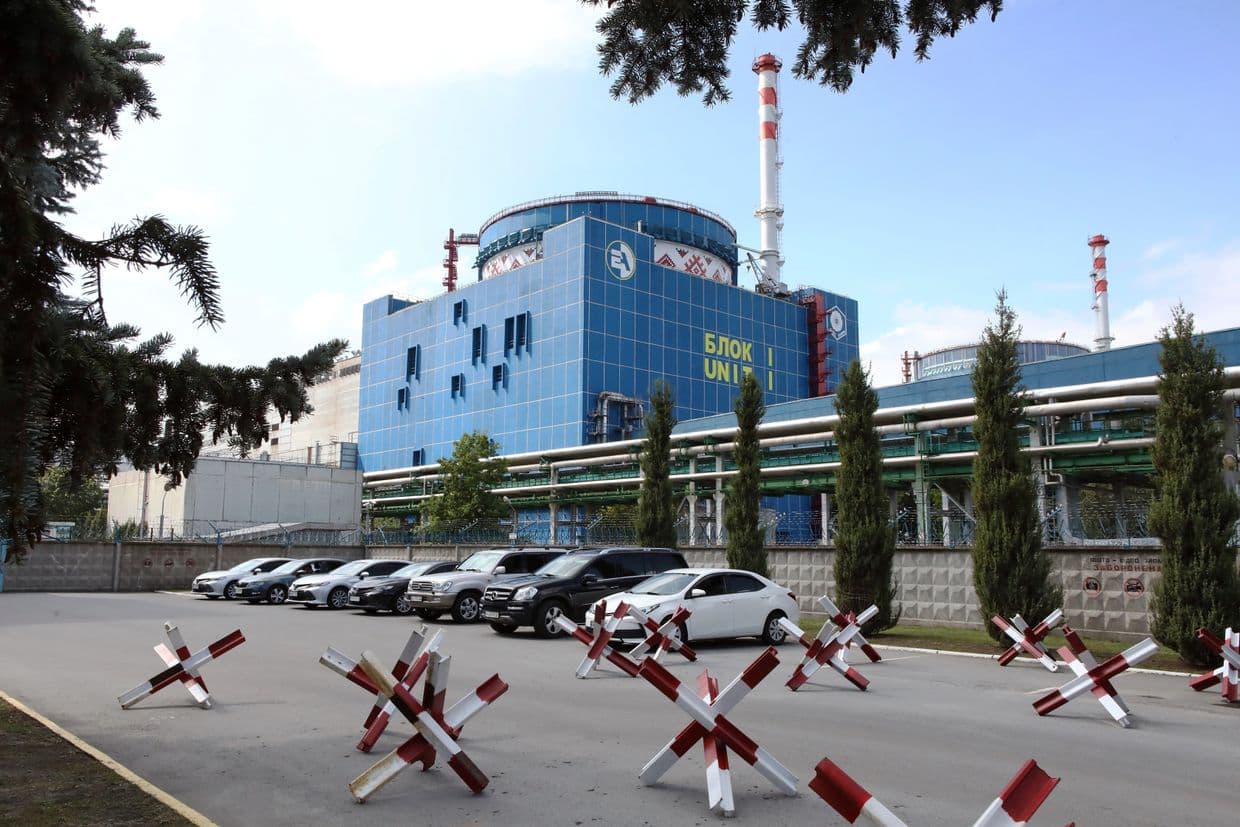
International Atomic Energy Agency (IAEA) staff at Ukraine's Khmelnytskyi and Rivne nuclear power plants (NPPs) reported hearing drones and gunfire during Russia's mass strike on Ukraine's west, IAEA Director General Rafael Grossi said on Sept. 10.
"I'm deeply concerned about last night's events," Grossi said.
"According to our teams on the ground, these were unusually large-scale military activities close to these two nuclear power plants, which should never happen."
The Khmelnytskyi plant said it detected nine drones flying within 3 kilometers (about 2 miles) of the facility, while Rivne operators reported 13 drones in its surveillance area.
Both sites are in western Ukraine, far from the front but vulnerable to nearby infrastructure strikes.
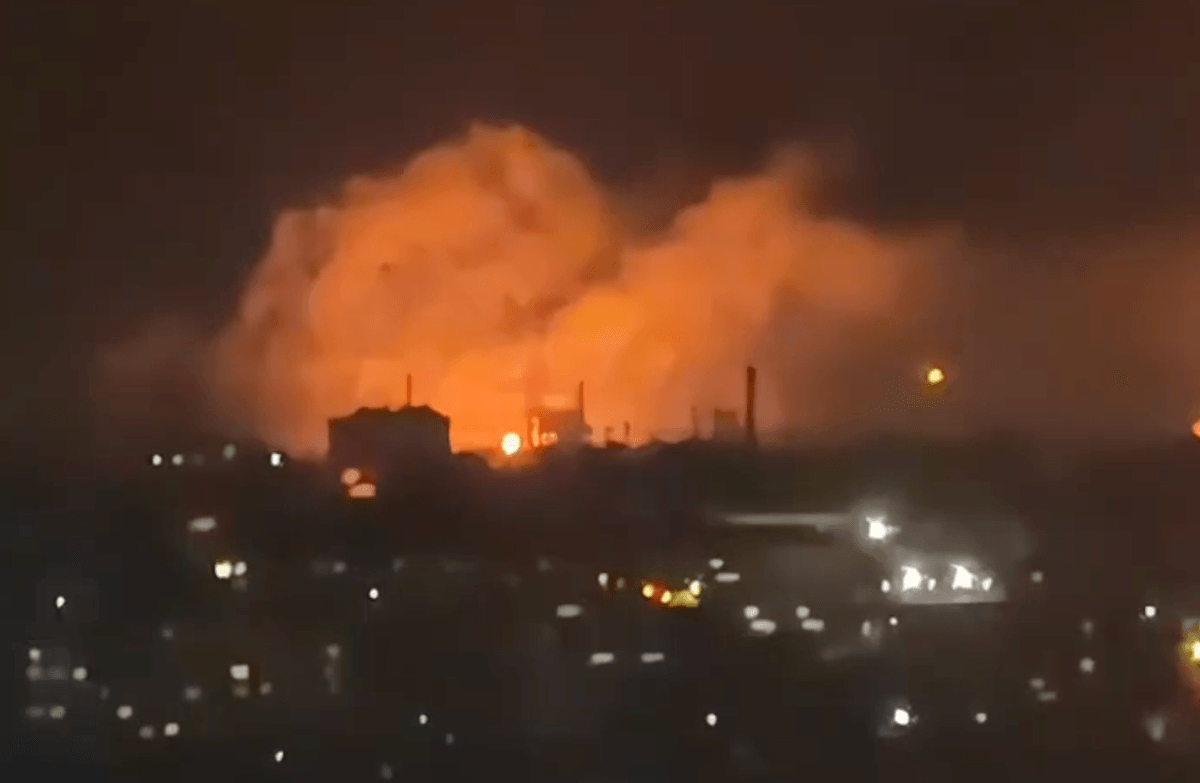
Ukraine's Air Force said Moscow launched 415 Shahed-type drones and other drones, 42 cruise missiles, and one Iskander-M ballistic missile overnight on Sept. 10. Defenses shot down 386 drones and 27 missiles, but 21 drones and 16 missiles hit 17 locations across 15 regions.
The barrage also marked the first confirmed case of NATO forces engaging Russian drones, as Poland said it downed several unmanned aircraft that crossed its airspace.
Russia has repeatedly targeted Ukraine's energy grid, with at least 13 large-scale strikes in 2024 alone, causing nationwide blackouts.
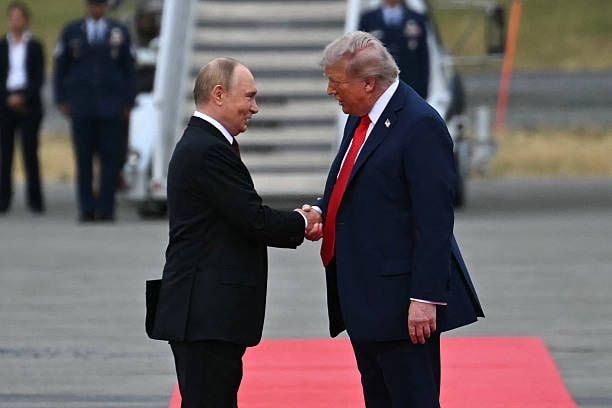
Russian President Vladimir Putin claimed on Sept. 2 that Moscow had previously refrained from hitting Ukrainian civilian infrastructure but was now "responding seriously" to attacks on Russian energy sites.
The IAEA has also repeatedly raised concerns about the safety of the occupied Zaporizhzhia Nuclear Power Plant, a Ukrainian facility housing armed Russian troops and facing emergency shutdowns and power outages.
Both Khmelnytskyi and Rivne nuclear power plants remain under the supervision of Ukraine's nuclear regulator and the IAEA, which has warned that any nearby military activity carries grave risks.