Exit polls show pro-Ukraine United List party leading Latvian parliamentary elections as counting begins
 on Google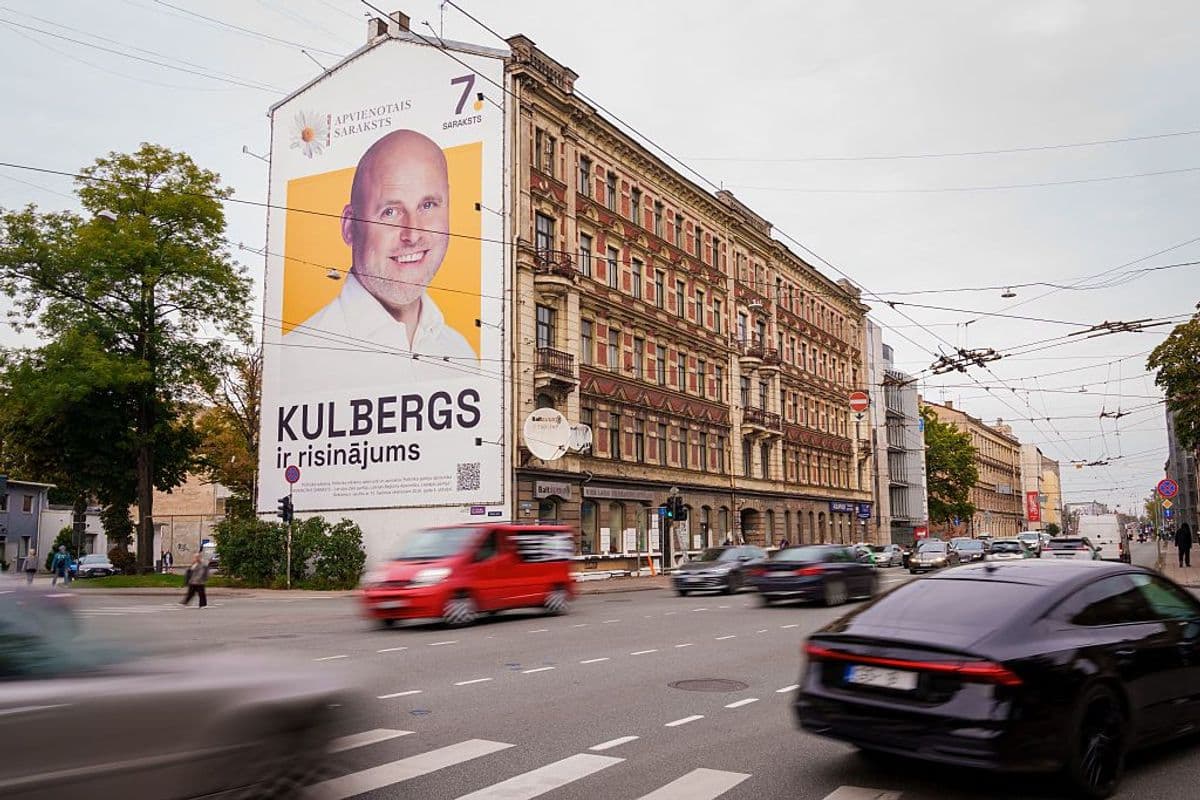
Editor's note: Read the latest on Latvia's parliamentary election results.
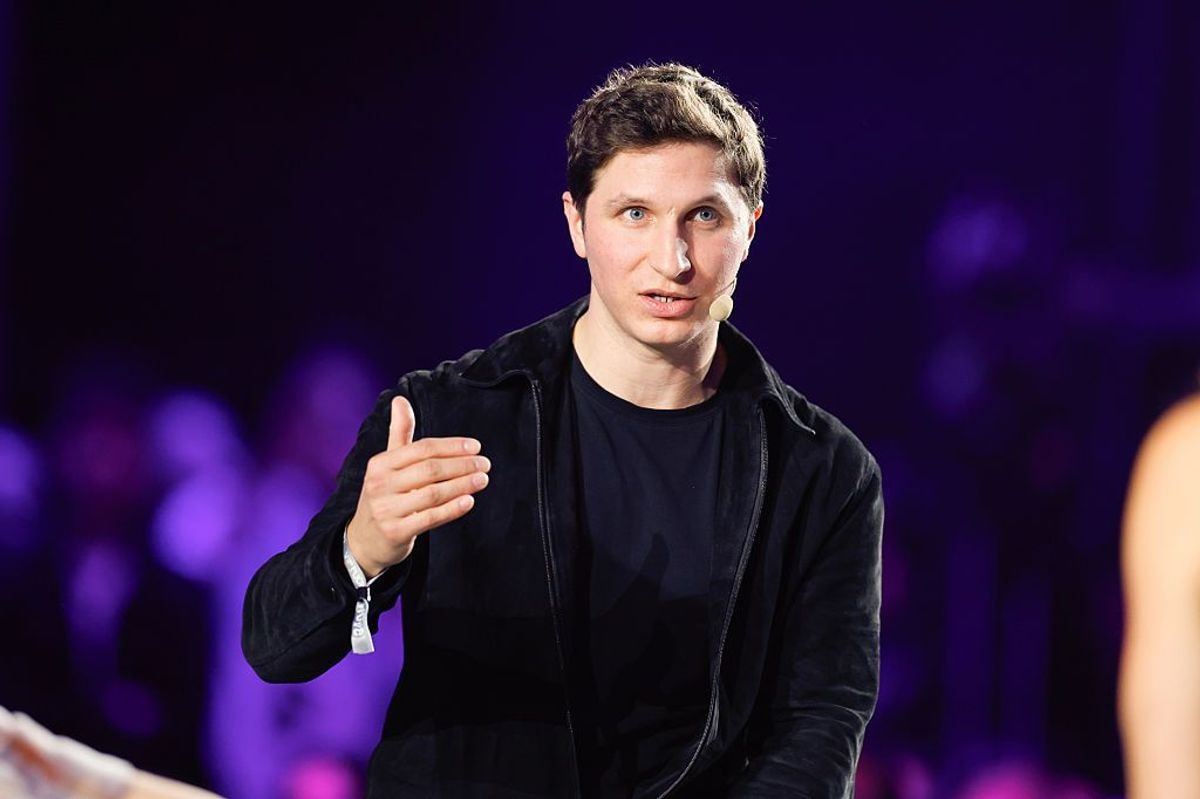
Latvian Prime Minister Andris Kulbergs’ centrist United List party is projected to win the greatest number of seats in the Latvian parliament with 35% support, exit polling commissioned by public broadcaster LSM showed on Oct. 3.
Votes are still being counted, with final results expected in the early hours of Oct. 4. The vote for the 100-member unicameral parliament — the Saeima — will be the second since Russia launched its full-scale invasion of Ukraine, a war in which Latvia threw its full support behind Kyiv.
Latvians took to the polls on Oct. 3 to decide what their parliament will look like for the next four years. Affordability and security concerns have been top political issues in the Baltic country which shares a border with Russia and is home to a large Russian-speaking minority.
The election marked a test for Kulbergs, who has been prime minister since May. His predecessor, Evika Silina, was forced to resign following a political crisis triggered by a Ukrainian drone incursion into Latvian airspace. This led to a government collapse and paved the way for a four-party coalition led by Kulbergs.
Throughout his term, Kulbergs has expressed unwavering support for Ukraine, and Latvia has sharply increased defense spending since 2022, reaching 5% of GDP.
"Ukraine’s security is linked to the security of Europe as a whole, including Latvia," he said in a state visit to Ukraine in August.
Warnings from Western officials over an escalating hybrid threat from Russia is of particular concern to Latvia, an EU and NATO member which shares a border with both Russia and Belarus. Latvia is a key part of NATO’s Baltic defense structure on its Eastern flank.
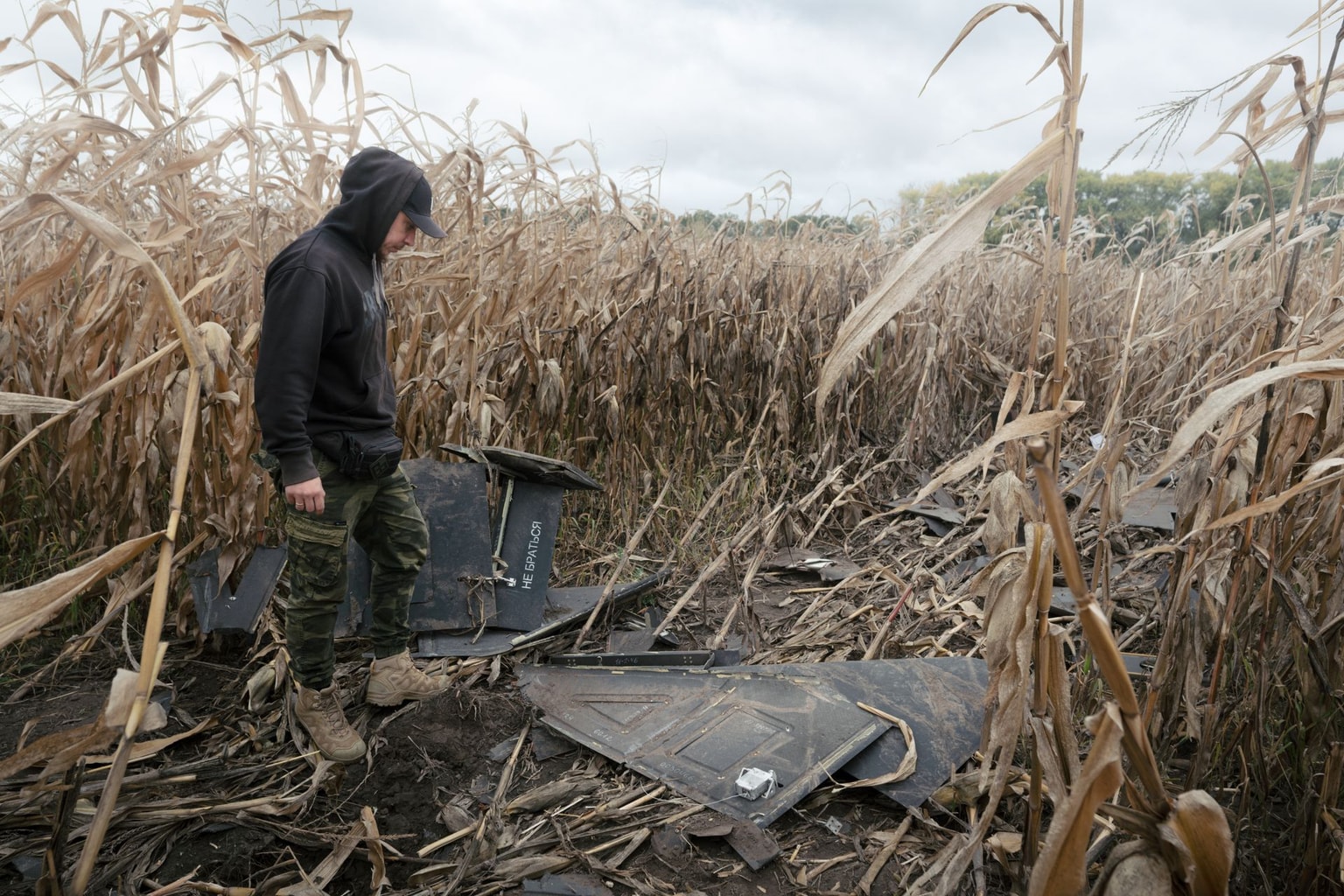
While Latvia has said it sees no sign of an imminent conventional Russian attack, the Russia-Ukraine war has already spilled over into Latvian airspace, with several stray drones shot down by NATO planes.
The majority of Latvia’s electoral parties are pro-Ukraine, despite a third of the country speaking Russian as their first language.
If, as the exit polls suggest, United List wins 35% support, the party would still have to form a coalition government to achieve a majority.
The exit polls suggest the populist Latvia First party is expected to come in second with 11.3% support, followed close by the social democrat Progressive party with 11.1% of the vote. The Russia-friendly Sovereign Power/Young Latvians alliance is projected to win 10.8% of the vote, making it the fourth biggest party in the legislature.
Sovereign Power is the only political party in Latvia which opposes military aid to Ukraine.
The Latvian State Security Service (VDD) said that it was employing enhanced security measures to get ahead of potential Russian election interference, according to LSM on Sept 28. But no significant systematic interference had been detected, the VDD said.