Bulgaria's prime minister suggests Western support for Ukraine provoked Russia's Leipzig Airport attack
 on Google
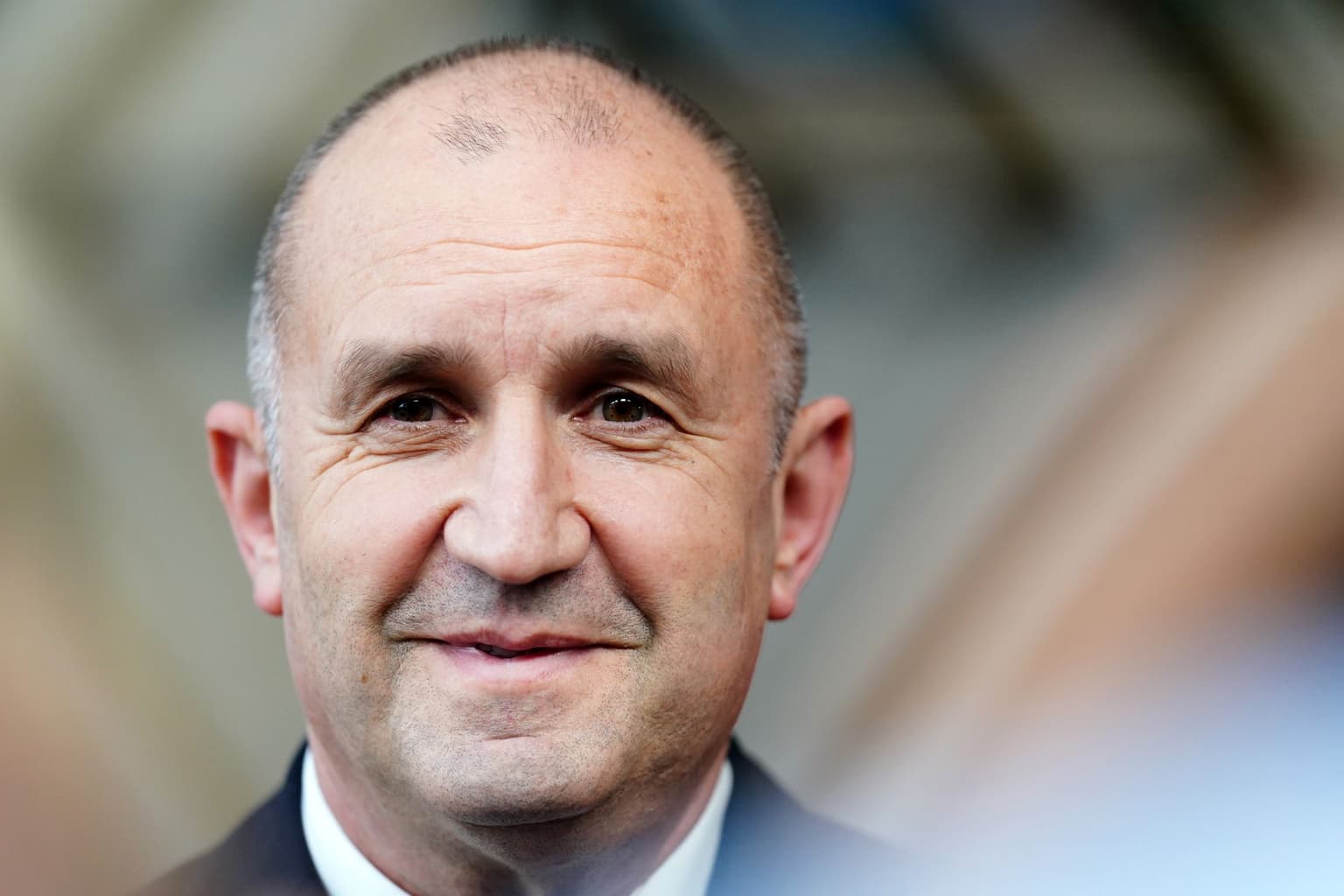
Bulgaria's Prime Minister Rumen Radev suggested on Sept. 4 that the alleged Russian attack on Germany's Leipzig Airport last month was provoked by the West's military support for Ukraine.
"What can we expect when we attack... another country with our long-range weapons? Will (the country) stand by or will it respond?" Radev asked in the Bulgarian parliamentary chamber, according to the Bulgarian news agency Novinite.
No Western country has directly attacked Russia with weapons, long-range or otherwise. Several countries have supplied long-range weapons to Kyiv to help it defend itself against Russia's full-scale invasion.
Radev repeatedly characterized Europe's sending of long-range weapons to Ukraine as "a reckless act" and accused Western countries of warmongering.
"The collective West is trying to achieve a conventional victory over Russia, without taking into account the fact that it is the largest nuclear power and we cannot resist its hypersonic weapons," he said.
"Europe must finally start calculating the risk and sit down at the negotiating table as soon as possible, because this war is expanding its spatial scope and the risk is growing with each passing day."
The EU and several European countries held multiple discussions earlier in the year about peace talks with Russia, but all have drawn the same conclusion that Moscow is not yet interested in ending its war against Ukraine.
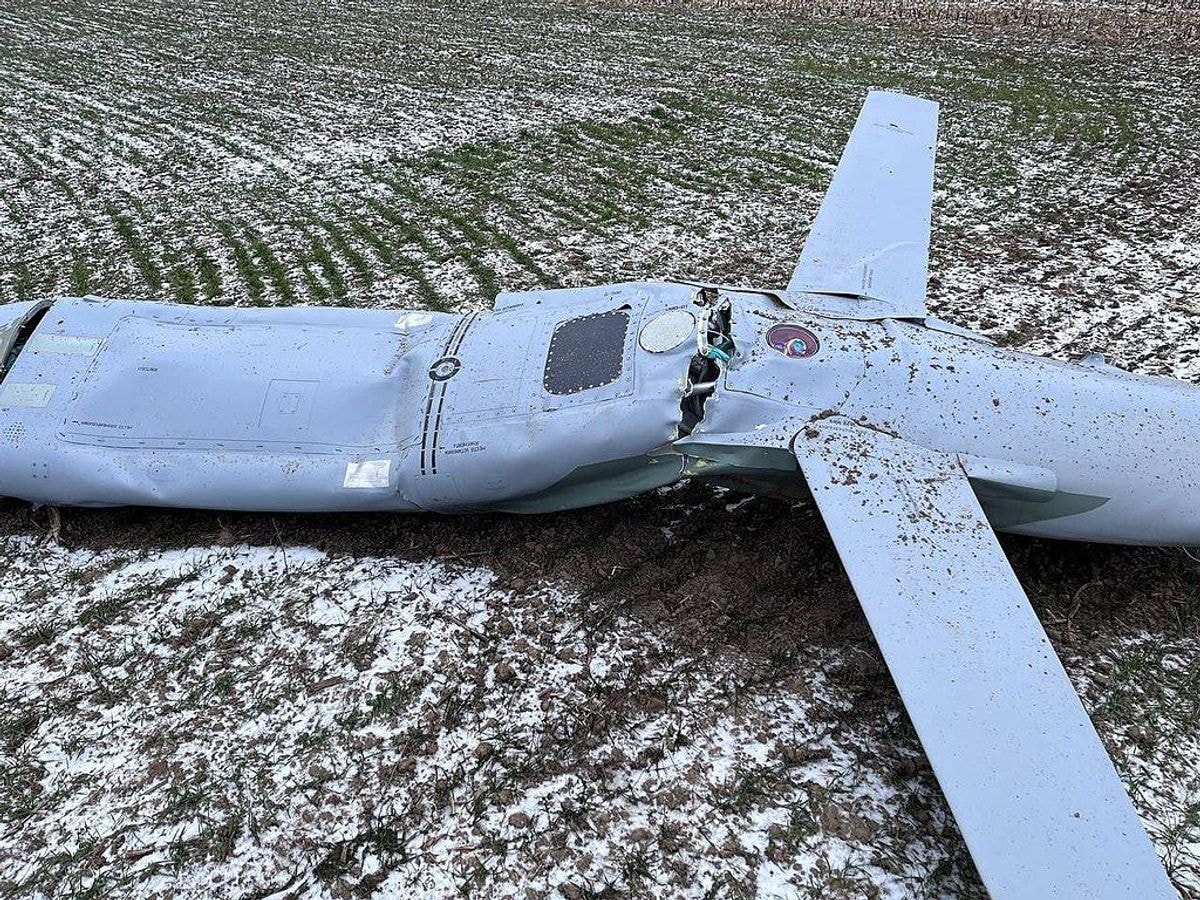
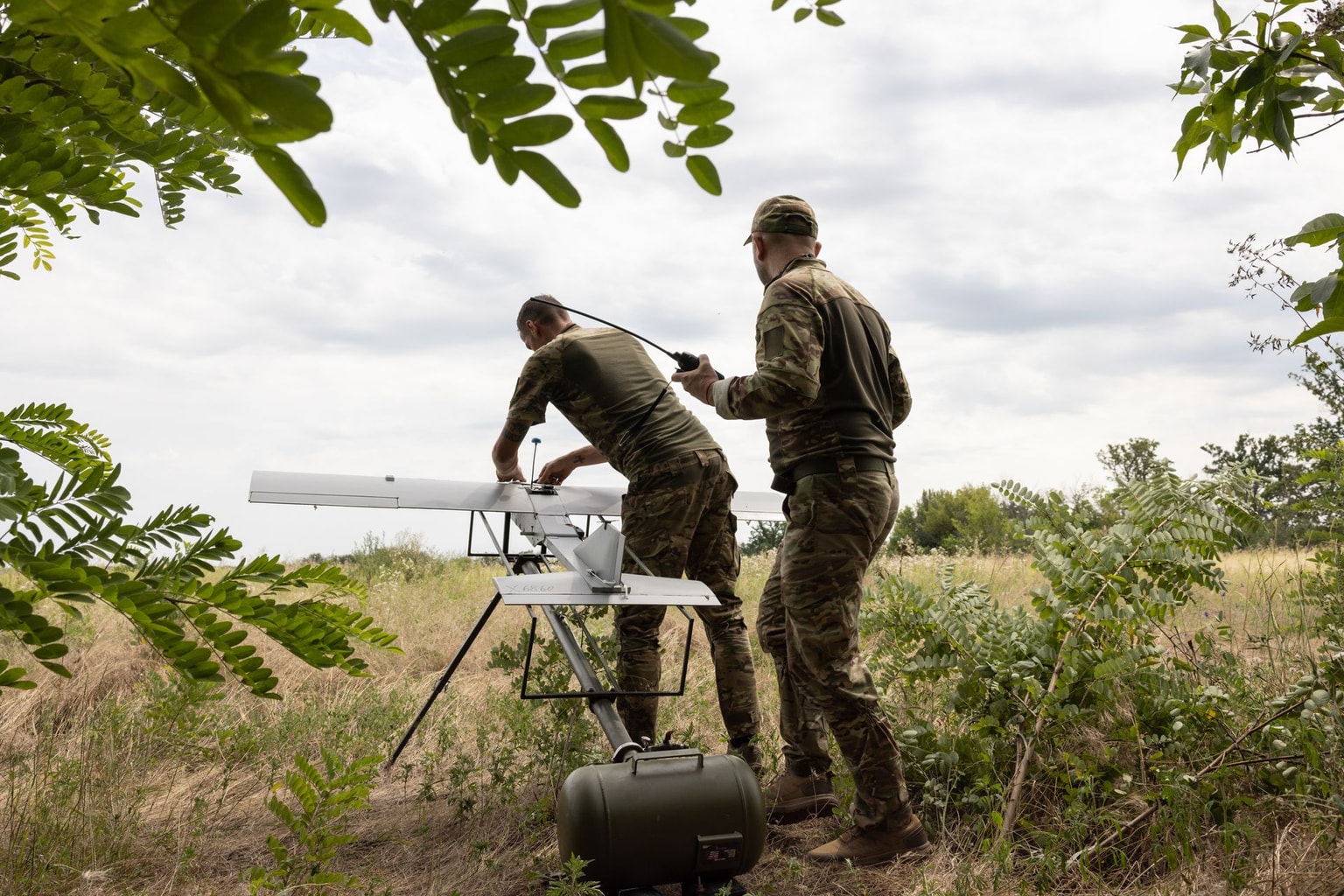
Germany's interior and foreign ministers on Sept. 1 officially accused Russia of an attempted sabotage of Leipzig Airport in early August using explosive-laden drones.
It was the first time Berlin formally acknowledged Russia was responsible for a hybrid attack against the country.
"We will not allow Russia's attacks to divide us or intimidate us," German Foreign Minister Johann Wadephul said, while announcing several countermeasures against Moscow.
The Kremlin has denied responsibility and accused Germany of escalating tensions.
While claiming to "stand firmly by Germany, by our biggest, closest ally," Radev has a track record of sympathizing with Russia.
After resigning as president, Radev led his new party to victory in Bulgaria's parliamentary election in April. The day after, Kremlin spokesperson Dmitry Peskov praised Radev for his pro-Russian messaging and "willingness to resolve issues through pragmatic dialogue with the Russian Federation."
Radev in June blocked an EU attempt to impose sanctions on the head of Russia's Orthodox Church, Archbishop Kirill, with a vague allusion to the two countries' shared past in fighting the Ottoman Empire. And in July, Radev withdrew Bulgaria from the Coalition of the Willing, a group of over 30 countries preparing security guarantees for Ukraine.