EU leaders push bloc to assert itself on Russia peace talks
 on Google
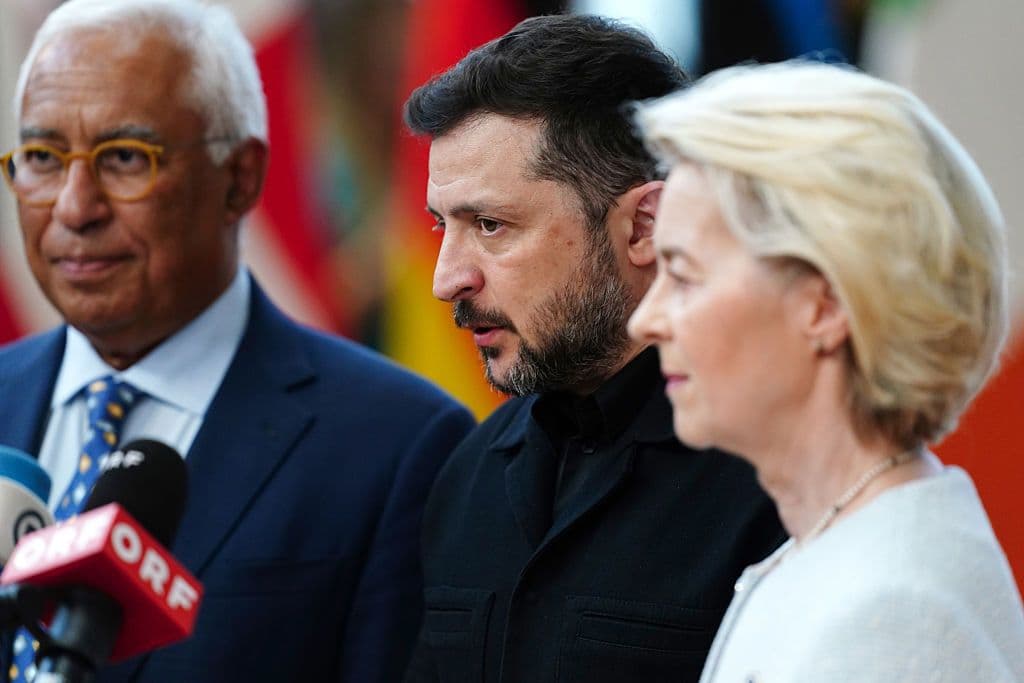
BRUSSELS — Belgium, The EU should engage more in diplomatic efforts to end Russia's war of aggression against Ukraine, according to draft conclusions of the June 18-19 European Council summit seen by the Kyiv Independent.
The EU leaders' meeting follows weeks of media-driven speculation over who should represent Europe in any future peace talks. During that time, the E3 countries (France, Germany, and the U.K.) put out their own feelers to their Russian counterparts, as did the team of European Council President Antonio Costa.
"The European Council supports diplomatic efforts to bring Russia's war of aggression to an end and underlines the EU's readiness to step up its engagement in that context, in accordance with the union's aim to promote peace, as enshrined in the treaties," reads a draft set of conclusions, circulated the morning of June 18 and seen by the Kyiv Independent.
While the conclusions advocate for Europe to take on a bigger role, they do not criticize other attempts to mediate with Russia. However, some EU leaders expressed themselves more bluntly ahead of the summit.

Lithuania's President Gitanas Nauseda said "efforts of individual leaders to start a conversation with Vladimir Putin in the past, they are failures, because those individual speeches and these leaders could represent only their own country."
"I think Europe has to speak with one voice. Europe has to be united in relations with Russia," Nauseda said.
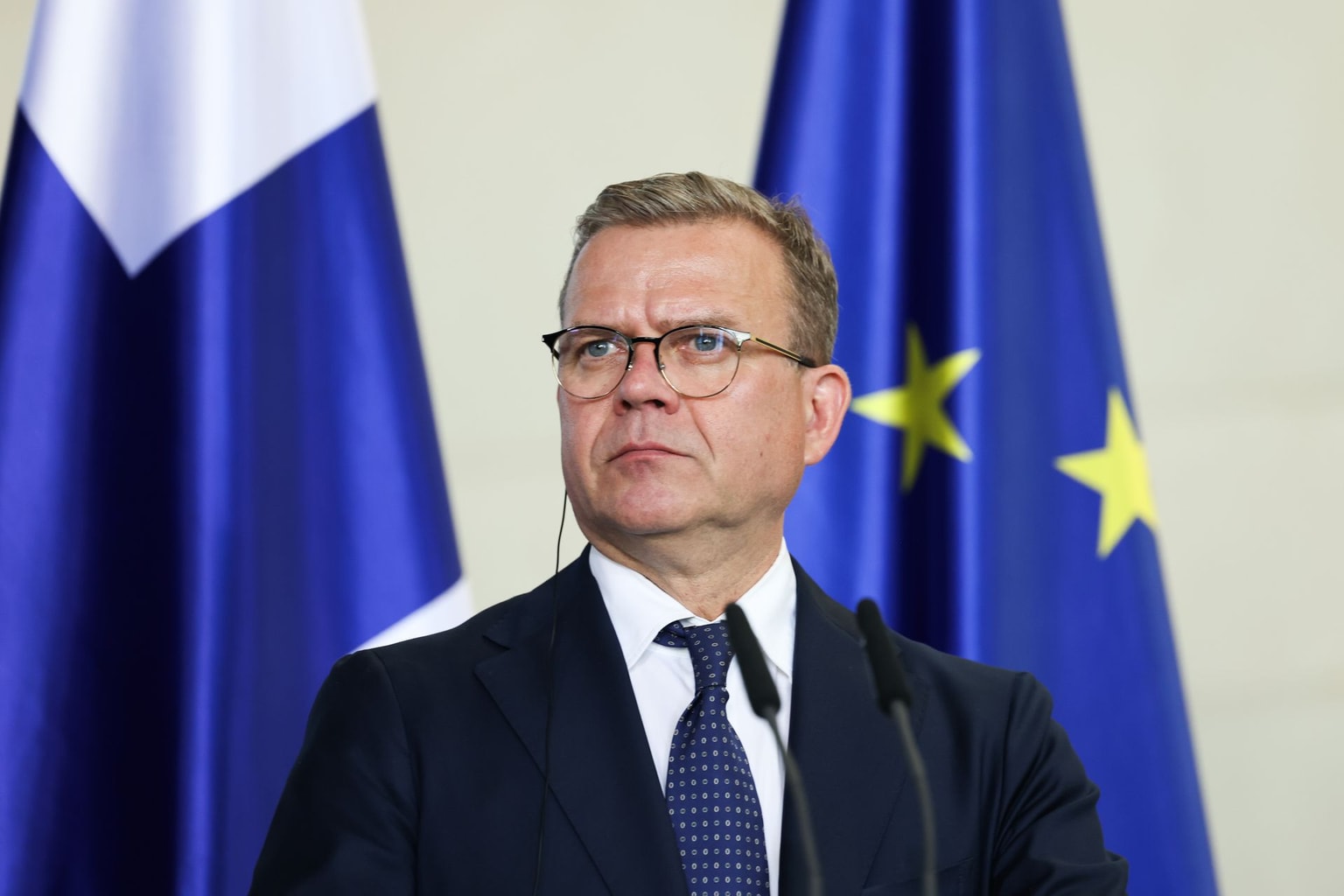
Finland's Prime Minister Petteri Orpo agreed that "we can't negotiate about Europe without Europe."
"We have said that the view and representation of the border countries and many other European countries should be there," Orpo said, in a rebuke of the E3-led initiative.
The support for Europe taking on more of a role was mentioned by leaders from across the continent, including Portugal, Romania, Austria, and Luxembourg.
However, there is also broad agreement that Russia is not serious about pursuing peace talks.
"So far, we see from Putin no willingness to start serious negotiations," said Dutch Prime Minister Rob Jetten.
"I do not have the impression that Russia, especially President Putin, wants to come to the negotiating table to negotiate a peace solution," agreed his Austrian counterpart Christian Stocker.
The draft conclusions also include a call for Russia "to show genuine willingness regarding peace, agree to a full unconditional, and immediate ceasefire, and engage in meaningful negotiations towards a just and lasting peace."
The first step to any EU discussion with Russia, according to its top diplomat Kaja Kallas, is to first agree on the bloc's demands of Moscow, and what the terms of engagement should be.
To that end, she circulated proposals to foreign ministers in February 2026, which they discussed in May, and which she confirmed to have updated in remarks made to the press on June 18.
Only once that process is complete will discussions about who represents the EU formally take place.