EU approves 2.9 billion euros for Ukraine after Kyiv passes reforms
 on Google
BRUSSELS, Belgium — EU ministers approved 2.9 billion euros ($3.3 billion) of support for Ukraine on Sept. 24, a day after ambassadors verified that Kyiv had successfully completed 10 different reforms.
The money was approved two days after a meeting between European Commission President Ursula von der Leyen and President Volodymyr Zelensky, in which the former reminded that Ukraine unlock 37 billion euros ($42 billion) in 2026 by carrying out previously-agreed reforms.
The reforms were part of something called the Ukraine Plan, a to-do list of changes that Kyiv must carry out in order to advance its bid for EU membership, to improve the functioning of state institutions, and to unlock financial support from the bloc.
Among the approved reforms were changes to the integrity declarations of judges, the appointment of a new electricity market operator, a plan to overcome the gender pay gap, and laws to improve traffic safety.
The thematic range of those reforms shows just how cross-cutting the Ukraine Plan is, but also alludes to how much more work remains to be done.
Ukraine's pace of reform has fallen behind the deadlines foreseen in the plan, but the payment request made by Kyiv this time included a mixture of reforms that were overdue, and some completed ahead of schedule.
And the pressure to reform remains high, because President Volodymyr Zelensky identified a budget hole of $27 billion for 2026, and the EU repeatedly returns the focus to how reforms can unlock funding.
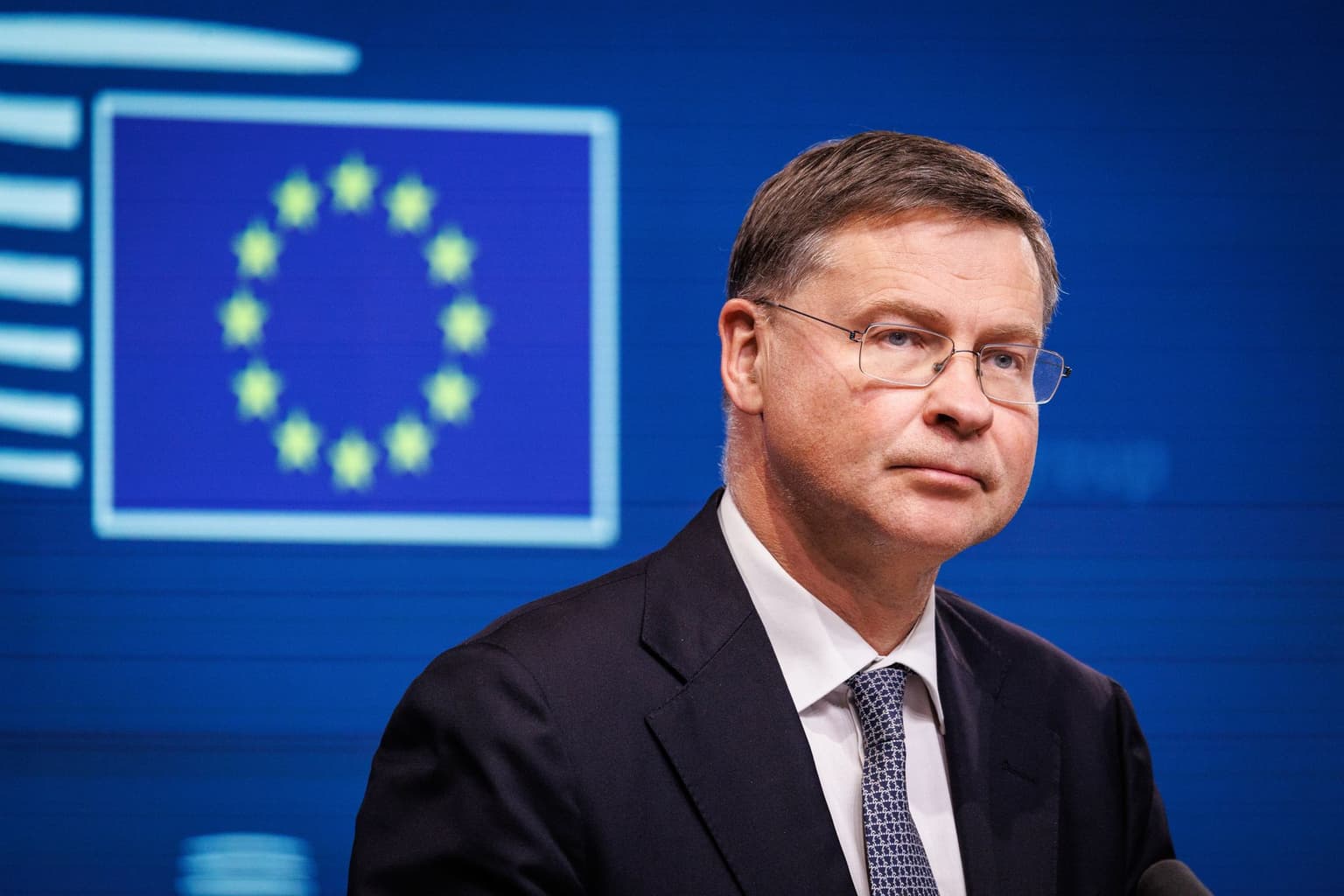
The previous week, the EU's Economy and Enlargement Commissioners Valdis Dombrovskis and Marta Kos wrote to the parliament with an appeal to pick up the pace.
They reminded that over 20 billion euros ($23 billion) could be unblocked by the end of 2026 if they carry out all the commitments made related to the Ukraine Plan, and to a second line of funding — Macro-Financial Assistance.
The latter has conditions attached which align with those required of Ukraine by another key donor, the International Monetary Fund.
The two commissioners also provided an annex detailing the precise list of 21 reforms to be done, among which an anti-corruption strategy, simplifying VAT administration for individual entrepreneurs, and several rules intended to prevent money laundering.
Ministers also formally welcomed a 92 million euro ($104 million) contribution from Norway, to further incentivize Ukraine to continue implementing reforms.