Russia imposes restrictions near Estonian border amid mobilization concerns
 on Google
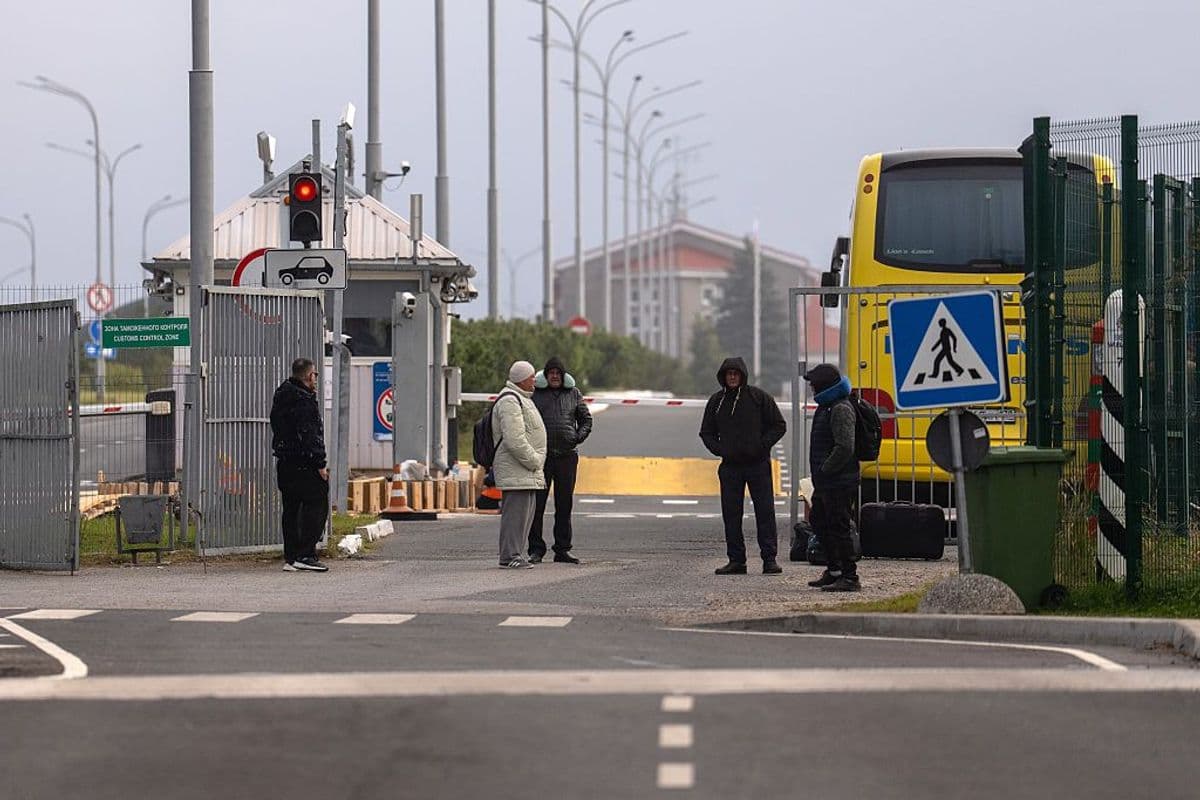
Russia has imposed temporary restrictions in two districts bordering Estonia, limiting nighttime movement, access to parts of the Narva River, hunting, and the carrying of firearms in the border zone, Estonia’s public broadcaster ERR reported on Sept. 21.
The restrictions, introduced by Russia’s Federal Security Service, or FSB, are in force from Sept. 16 to Sept. 26 in the Kingisepp and Slantsy districts of Leningrad Oblast.
The move comes as security concerns grow in the Baltic region. NATO officials have warned about Russian drone incursions, airspace violations, sabotage, and other hybrid threats, while countries in the region have been strengthening air defenses.
Russia says the measures are aimed at strengthening border security and preventing violations of border and migration rules.
The restrictions also come amid discussions about a possible new wave of mobilization in Russia after the Sept. 18-20 parliamentary elections. If announced, it could prompt more Russian men to try to leave the country through remaining land borders, including Estonia.
Estonian authorities said they were monitoring the situation and did not see an immediate threat to the country, but could not rule out the restrictions were linked to a new wave of mobilzation in Russia.
Elsewhere along Russia’s northwestern border, Finland has kept its entire land border with Russia closed since December 2023. On Sept. 3, the Finnish government proposed extending its Border Security Act until the end of 2028, citing the continuing risk of such operations.
In September, Russia also carried out drone strikes close to Poland’s and Moldova`s borders with Ukraine.
In August, Lithuania said it has intelligence suggesting Russia could use Ukrainian-made drones to carry out false flag-style attacks on critical infrastructure in the Baltic region.